The new course! Sir Jim Ratcliffe is Manchester United’s true boss, key man and OWNER! Kobbie Mainoo and Harry Megguire’s new contract extensions mean an ESSENTIAL POWER switch at Old Trafford!
 Srećko Šijaković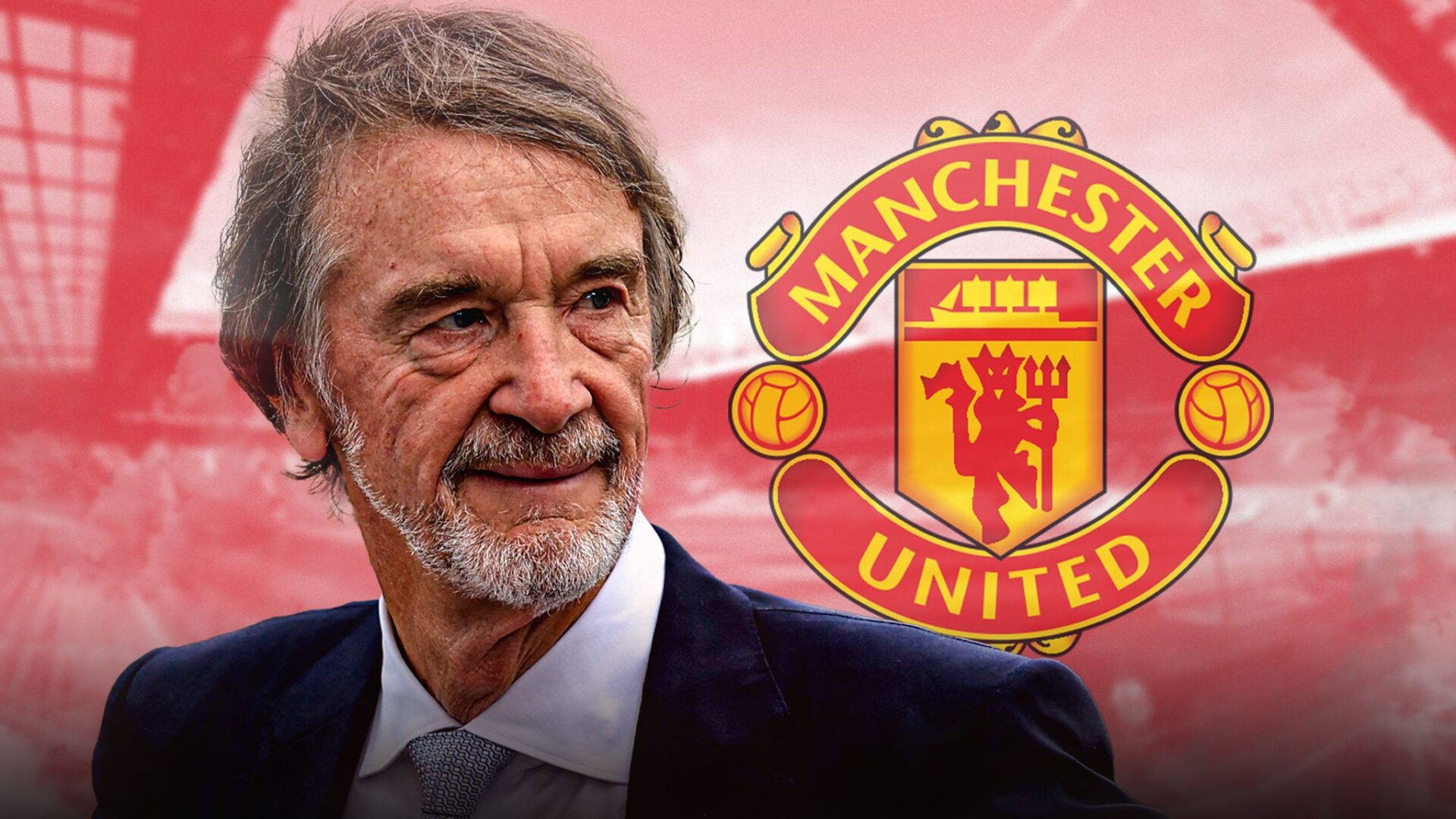
So, we observed how events unfolded. For years, Manchester United failed to establish a clear footballing identity under Glazer ownership. The club’s hierarchy appointed the wrong managers, and then—guided by the idea of Dutch football and its philosophy—Erik ten Hag arrived, having dominated with Ajax in a single season and achieved an outstanding run in the Champions League.
Manchester United wanted the Netherlands football school and the Netherlands playstyle with Erik ten Hag.
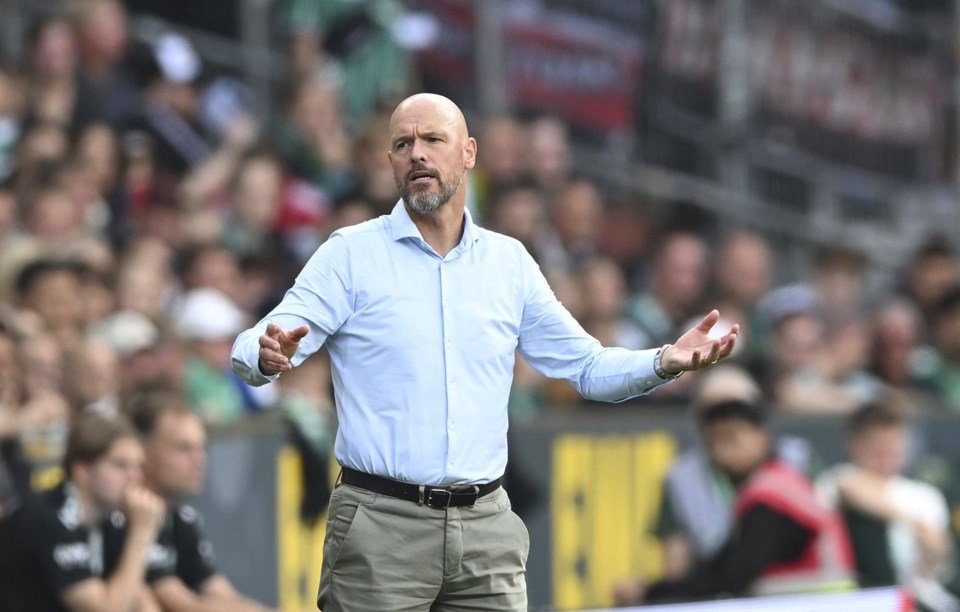
Manchester United wanted the Netherlands football school and the Netherlands football, and they invested in the former manager of Erik ten Hag. They wanted an attractive Manchester United with great players and a football school to admire, as Manchester United is an important club to play an attractive and attacking football style.
Sir Alex Ferguson is a burden to everybody who comes to Manchester United, since nobody can equal that!
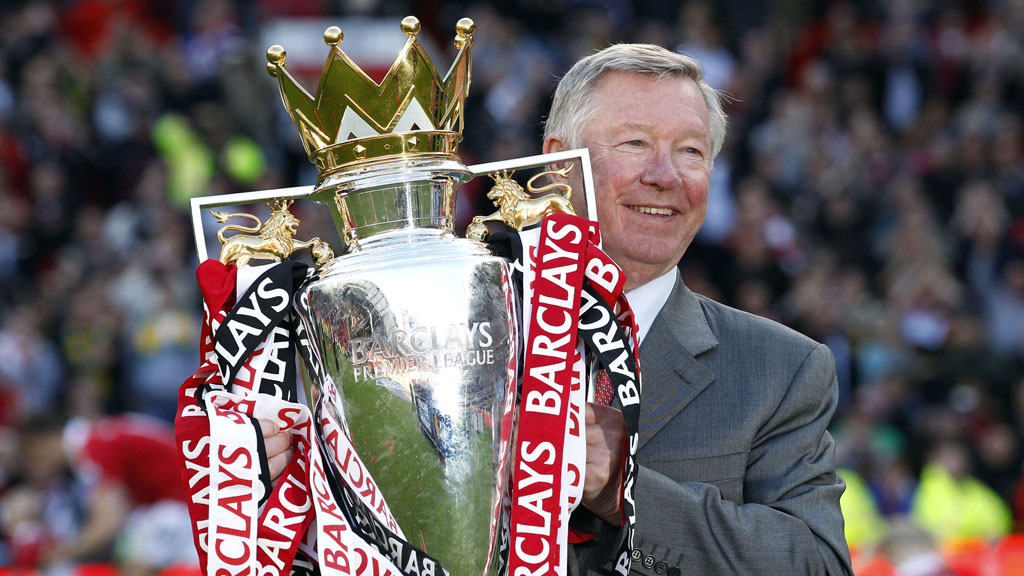
Manchester United, driven by its great history and the legacy of Sir Alex Ferguson as a burden, was eager to bring him in from Ajax. The ownership supported him by signing major stars and promising young players, aiming to build a team that would play attractive, Dutch-style football—a new Ajax that could dominate.
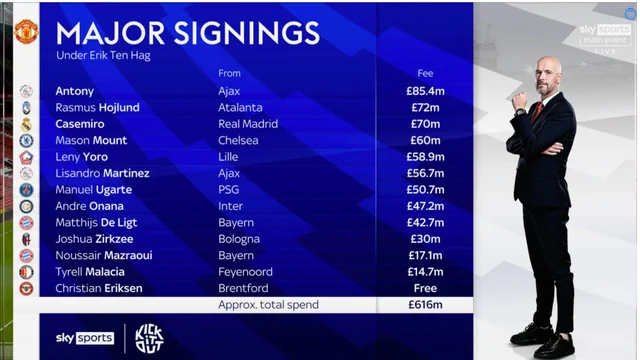
They have invested heavily in players and have given the Netherlands coach long-term contracts. The aim of the Glazers of Manchester United was quite clear.
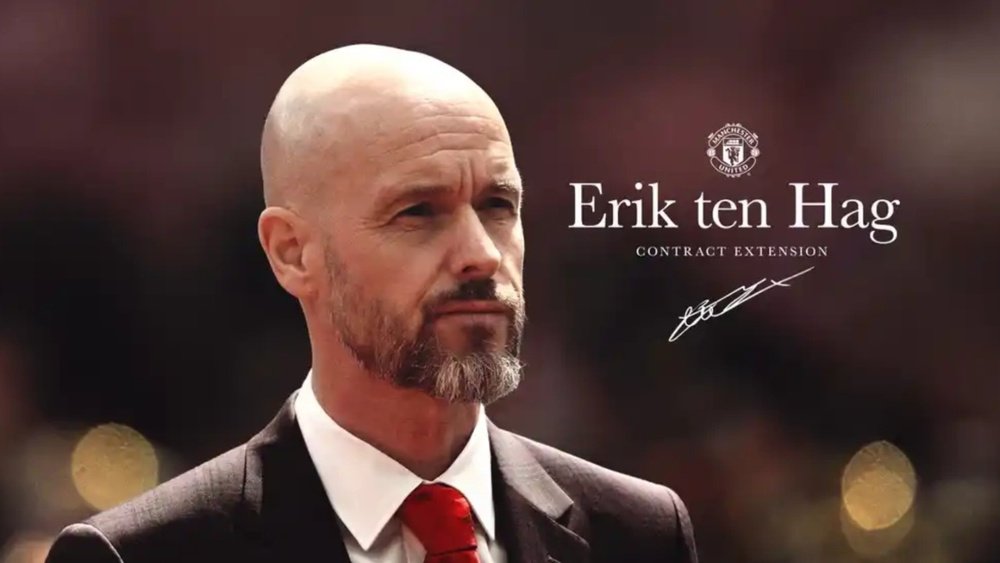
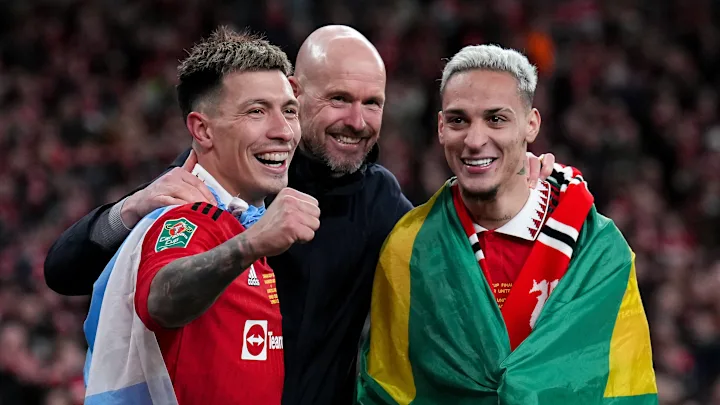
However, Ten Hag lacked sufficient experience and made a series of poor decisions. He was given significant backing and multiple transfers, yet the club delayed his dismissal for too long. He was ultimately saved by the FA Cup victory against Manchester City, after which the club continued down the same misguided path with a Netherlands side in charge.
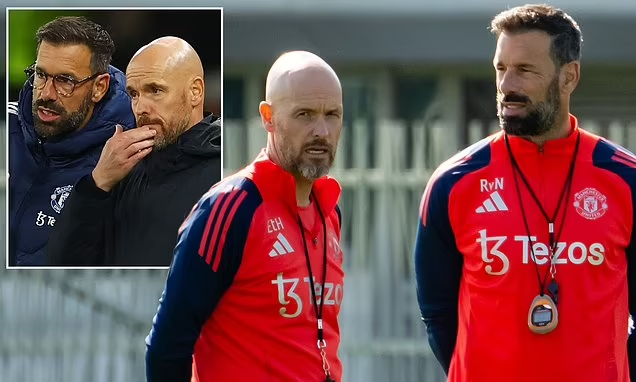
The previous leadership eventually dismissed him, appointing Ruud van Nistelrooy as a temporary solution—once again turning to a figure from the Netherlands. After winning all three of his matches in charge of Manchester United, he departed for Leicester City, a club that would go on to be relegated that same season.
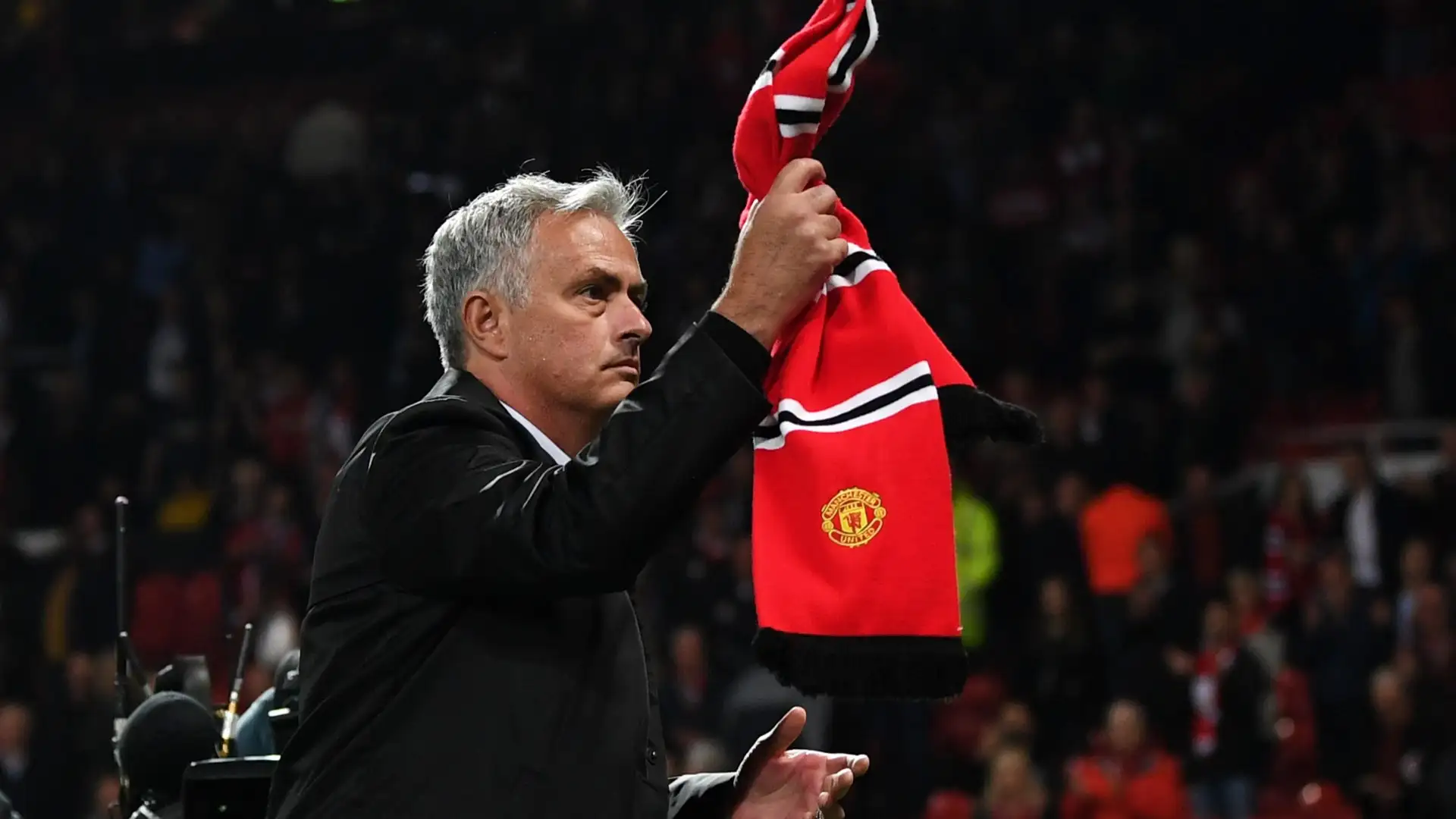
Manchester United then turned its attention to Portugal. They were trying for “the new Mourinho” and a genial tactician from Portugal, and stopped his progress at Sporting!
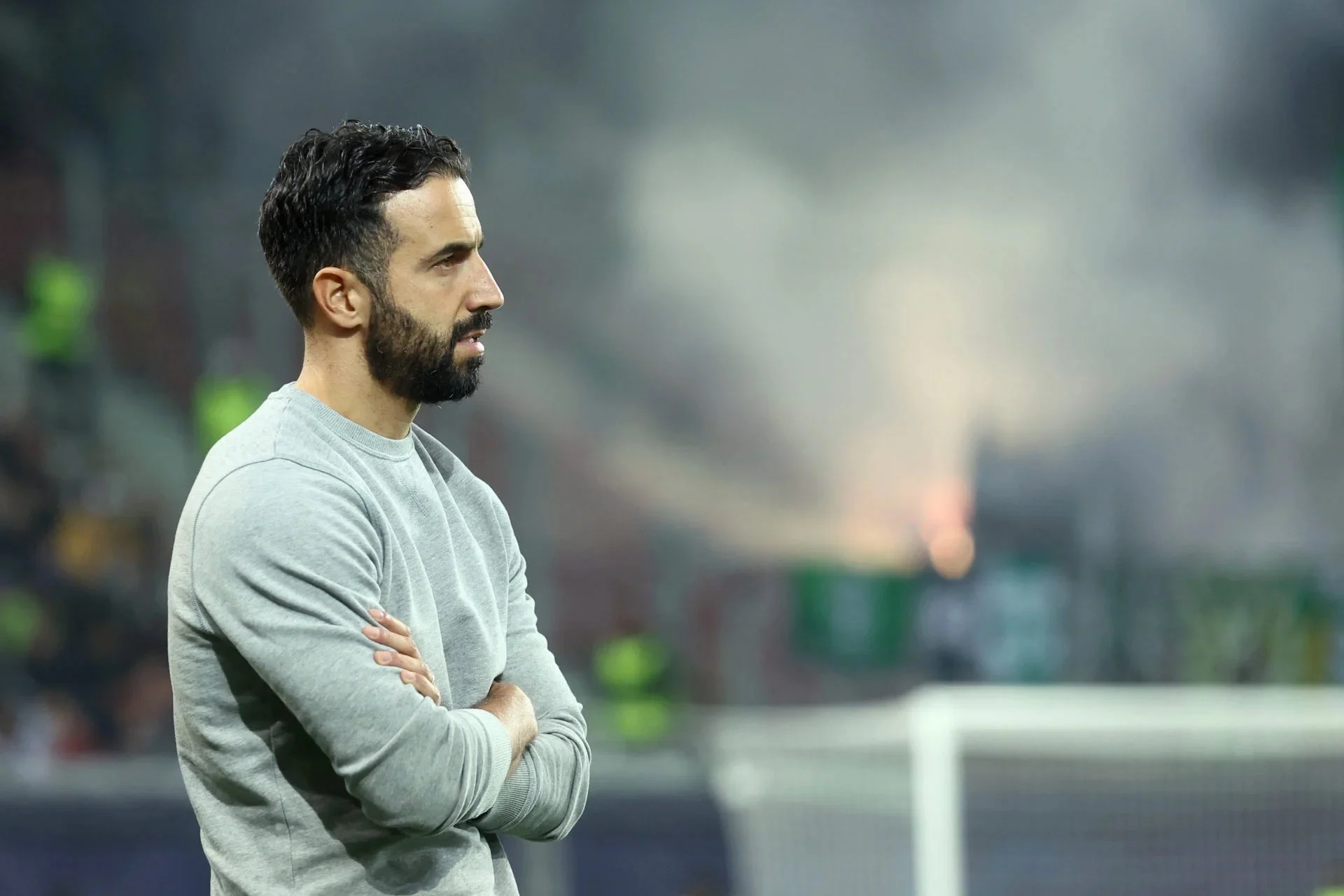
The club appointed Rúben Amorim, activating his release clause in Sporting. In the eyes of the board at the time, he was seen as a “new Mourinho”—a coach operating in a 3-4-3 system and achieving excellent results with Sporting CP. United launched a new project built around a young tactical mind.
However, the results were underwhelming.
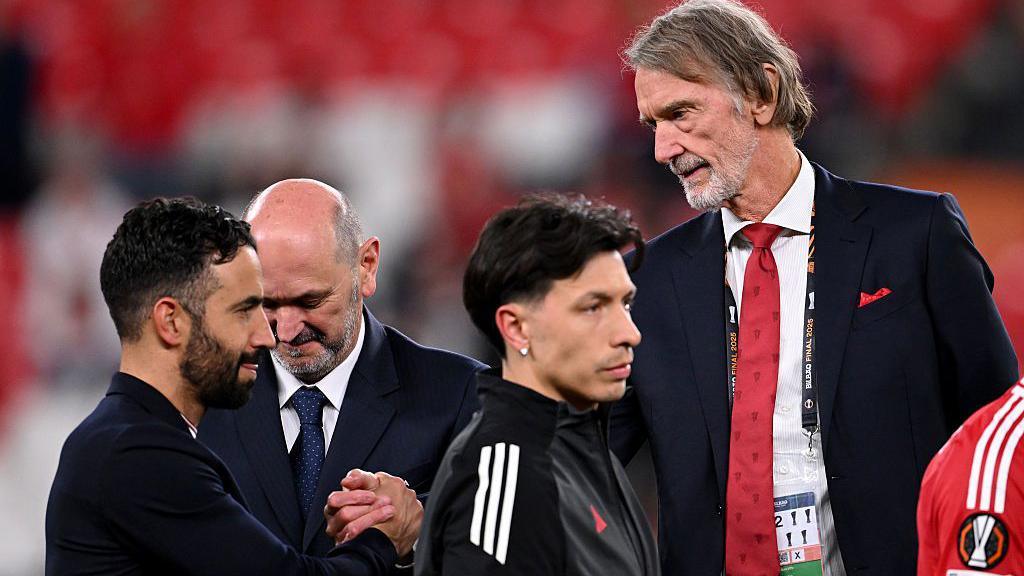
Amorim never clicked with Manchester United and Sir Jim Ratcliffe, who was against him, while the Glazers were with him! Other coaches and tactical geniuses for Portugal.
Another trap for Manchester United and a big mistake.
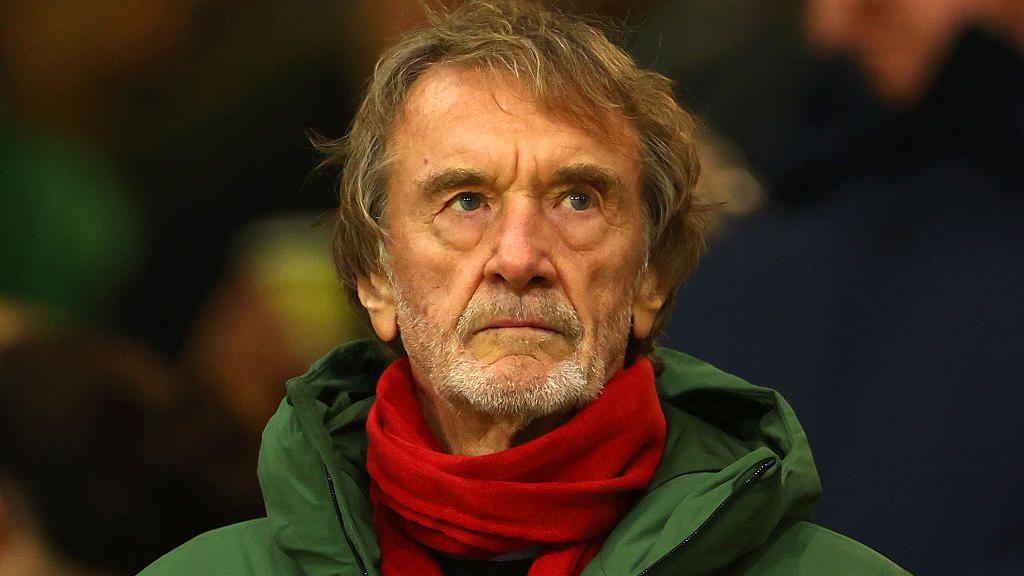
At that point, Jim Ratcliffe acquired a 27.7% stake in the club—effectively close to a third of its total capital—and assumed de facto control. He believed that Rúben Amorim was not the right fit, arguing that the club required a manager who truly understood English football and the identity of Manchester United F.C. Ratcliffe hardly pushed for the development and increased involvement of young English talent, Kobbie Mainoo and Manchester United.
Ultimately, he played a decisive role in Amorim’s departure.
Kobbie Mainoo as the key issue.
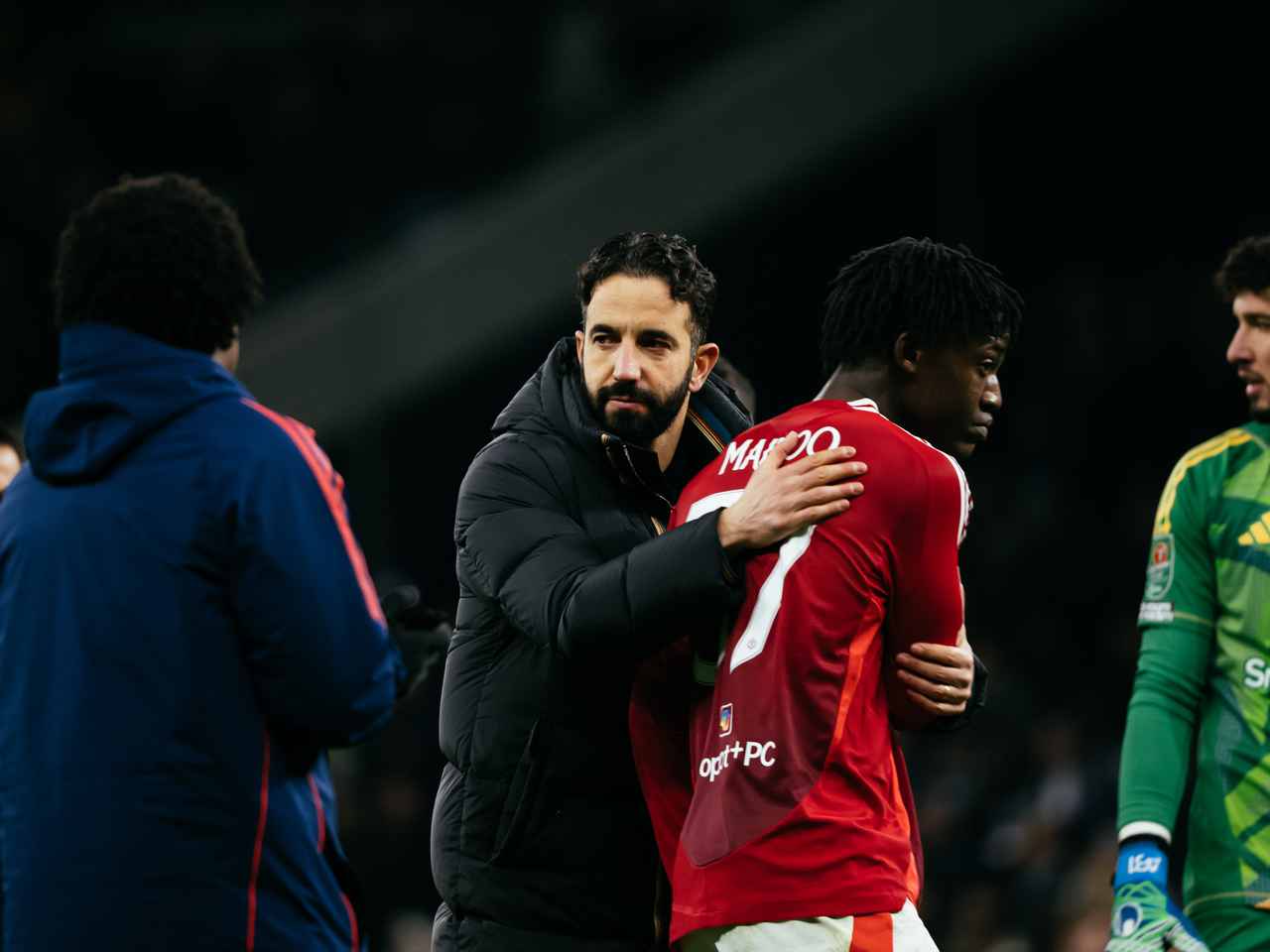
So many questions were directed at Rúben Amorim, as he was repeatedly forced to justify why Kobbie Mainoo was not playing. Meanwhile, Jim Ratcliffe, the new driving force behind Manchester United F.C., was patiently waiting for his moment—anticipating a decisive mistake to get rid of him.
Kobbie Mainoo became a central talking point, with the media relentlessly questioning why he was not playing more—forcing Rúben Amorim to repeatedly justify his decisions at every press conference.
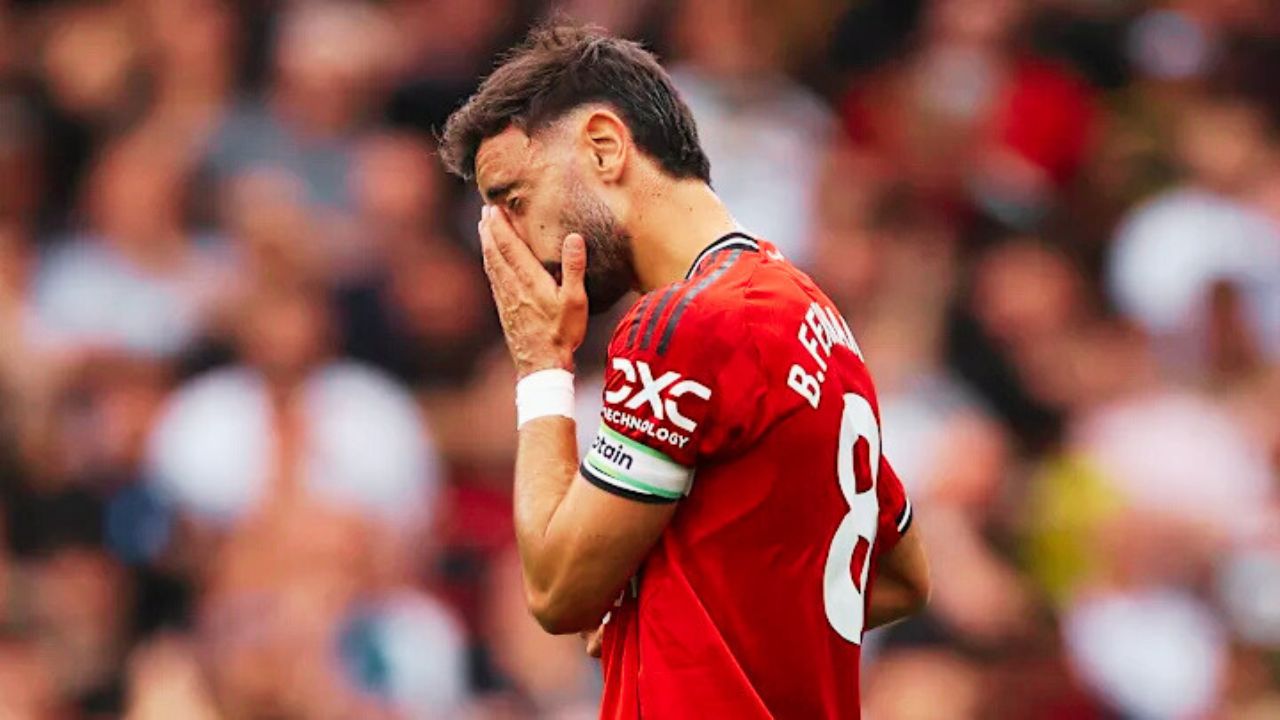
With Ratcliffe’s arrival, the situation changed. He insisted that Mainoo remain at the club and be given a more prominent role. In the meantime, Ruben Amorim had relied heavily on Bruno Fernandes, but the new role was far behind for him. He was using him in the middle of midfield, while Kobbie Mainoo was on the margins.
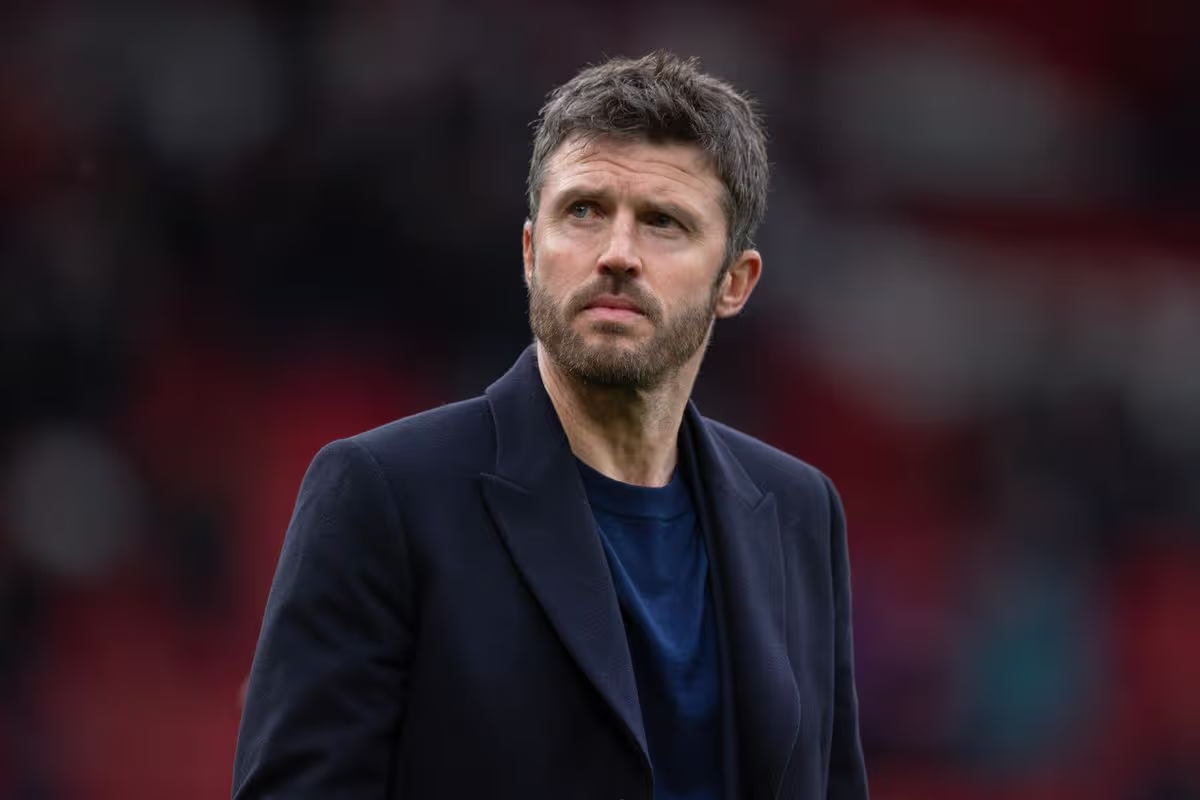
Michael Carrick is an English solution for United by Jaimie Radcliff.
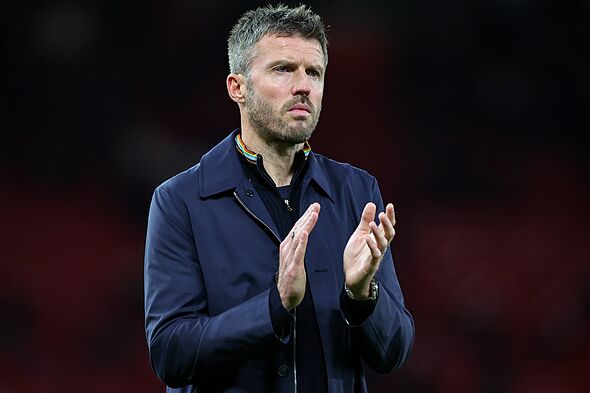
Ultimately, Michael Carrick was appointed—a figure who understands the club far better. Amorim departed, and Carrick took over the team.
From the moment Ratcliffe assumed control, Manchester United began to show clear progress. Results improved compared to previous seasons under the Glazer ownership and their word. The club became more stable and competitive once again.
United now plays a higher quality of football, sits among the leading teams in the Premier League, and has secured qualification for the Champions League. The club’s reputation has risen significantly.
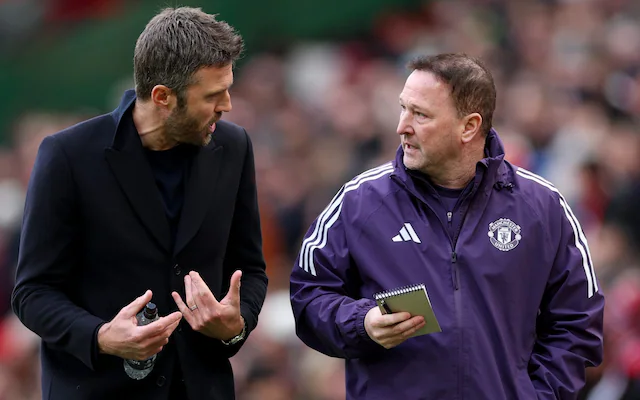
A major role has also been played by the coaching staff—particularly Carrick’s first assistant Steve Holland and his team, whose experience includes work with the England national team alongside Gareth Southgate. He is also a former Chelsea assistant manager for many years. He is a true wing behind Michael Carrick.
While the Glazer family spent heavily and made repeated managerial mistakes, Ratcliffe introduced success, knowledge, and the right people who are getting the job done by winning the games of football.
Manchester United is now entering a new era of Jammie Radcliff.
Kobbie Mainoo recently signed a contract extension until 2031—something that would not have been possible before.
The club came close to losing one of its brightest talents, but the new leadership prevented it. Amorim has left the club because he was against the boss’s ideas.
The question remains: is Mainoo truly good enough for the very highest level?
But one thing is clear—who made the key decisions, and who now leads Manchester United.
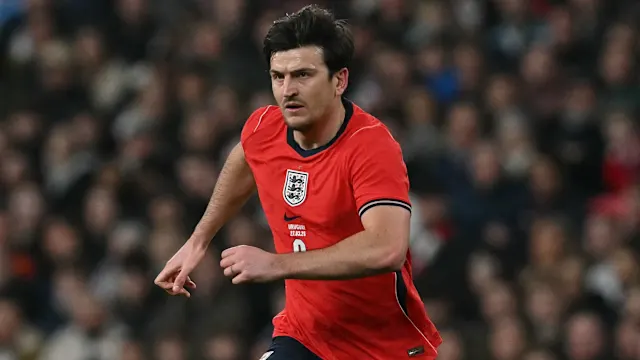
Harry Maguire is also getting a new contract, as reports say it means Manchester United is leading the English project in the future years.
About the Author