“Qatar Is a Disgrace — They Only Have Money! “Ismaël Koné suffers a Broken Leg After Madibo’s tackle”
 Srećko Šijaković
We have to identify and punish tackles that target an opponent’s legs and can cause serious injuries. There should be no place in football for that kind of behaviour. The focus must be on ensuring that players understand how to compete without deliberately hurting their opponents. Players have to stop behaving recklessly in an attempt to stop attacking players.
FIFA’s new refereeing rules: who are they helping, and who are they relying on to benefit?
They go on the side of the defenders rather than the attackers.
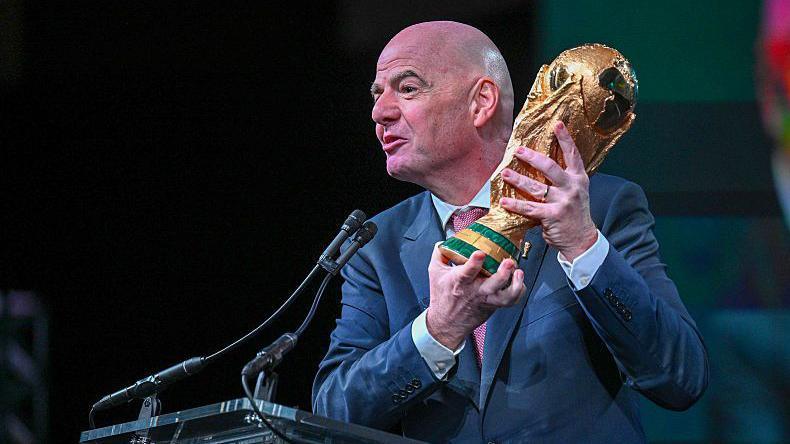
The style of football that FIFA has effectively encouraged through a more physical refereeing standard has contributed to an increase in the importance of centre-backs and defensive football. FIFA’s interpretation of the rules, which allows for more physical play, favours strength and intensity over technical ability, space, and dribbling.
Low blocks and deep defensive structures have become a reality of modern football. We regularly see matches in which one team produces 30 shots on goal and still loses despite being clearly the better side.
FIFA’s new regulations regarding criteria are getting in the desired and intended way!
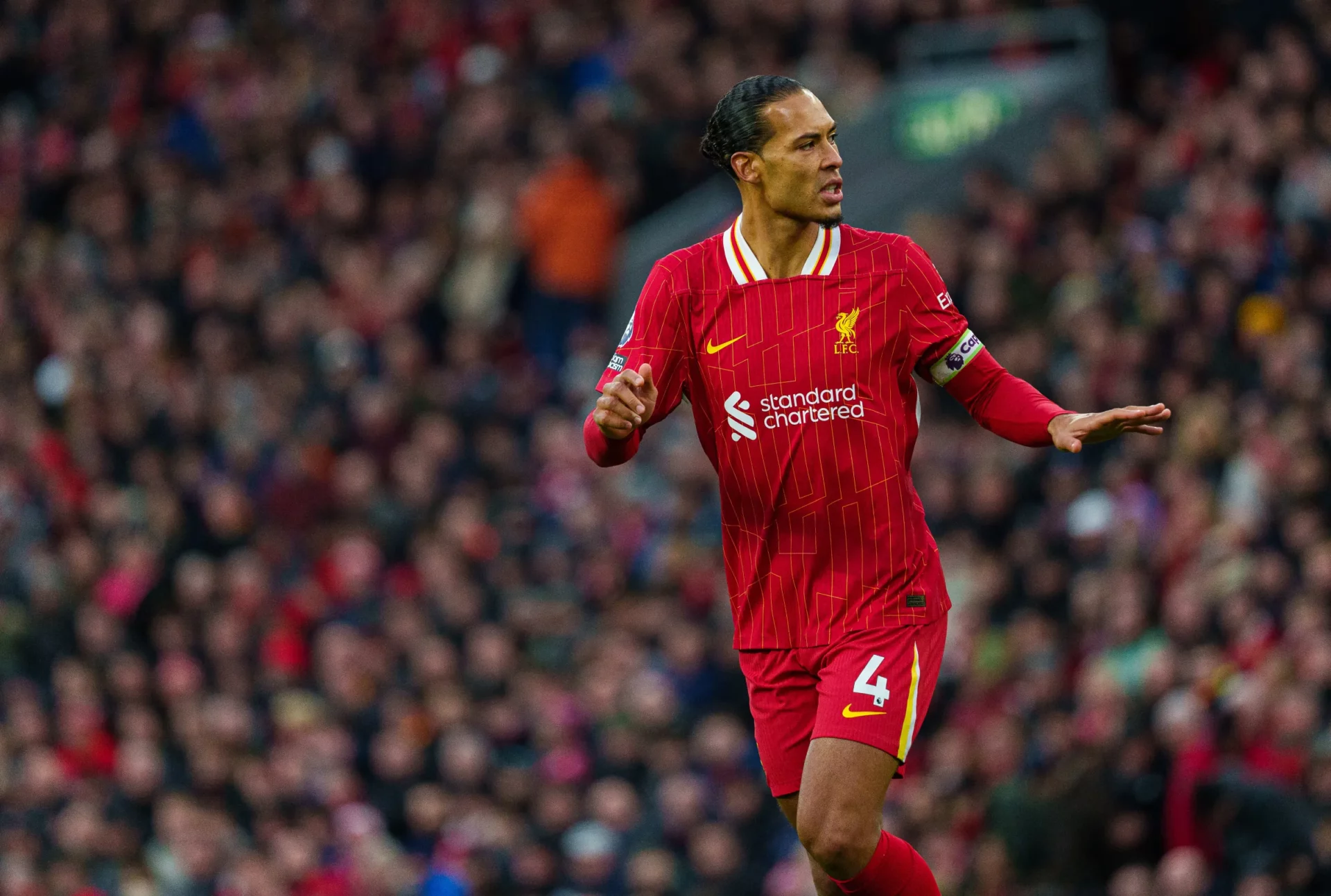
FIFA’s current refereeing philosophy is unlikely to change anytime soon. Football is moving in this direction, and defending is an important part of the game just as attacking is. Defensive teams have every right to play the way they choose, and defending remains a completely legitimate aspect of football.
A tackle on the ankle may result in broken bones.
The real problem, however, is players who become frustrated during matches and then intentionally strike opponents. Any challenge made with the intention of attacking an opponent’s leg can easily break it.
“Unless the player manages to pull his leg away in time, the consequences can be catastrophic.”
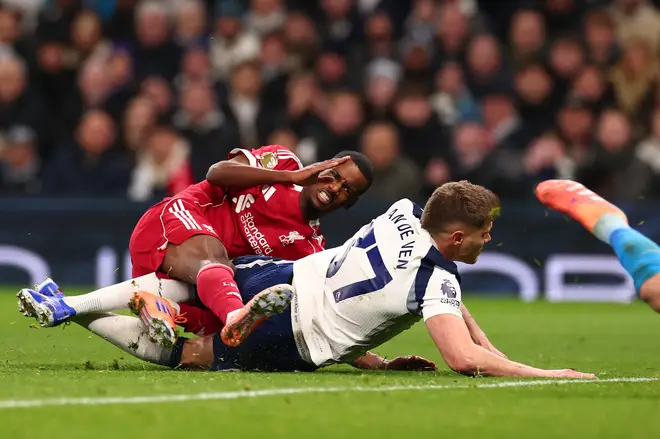
The fracture can be an open fracture. A player on the receiving end of a studs-up challenge can suffer an open or compound fracture, an injury that brings unimaginable pain. Players can be left screaming in agony before medical staff even reach them.
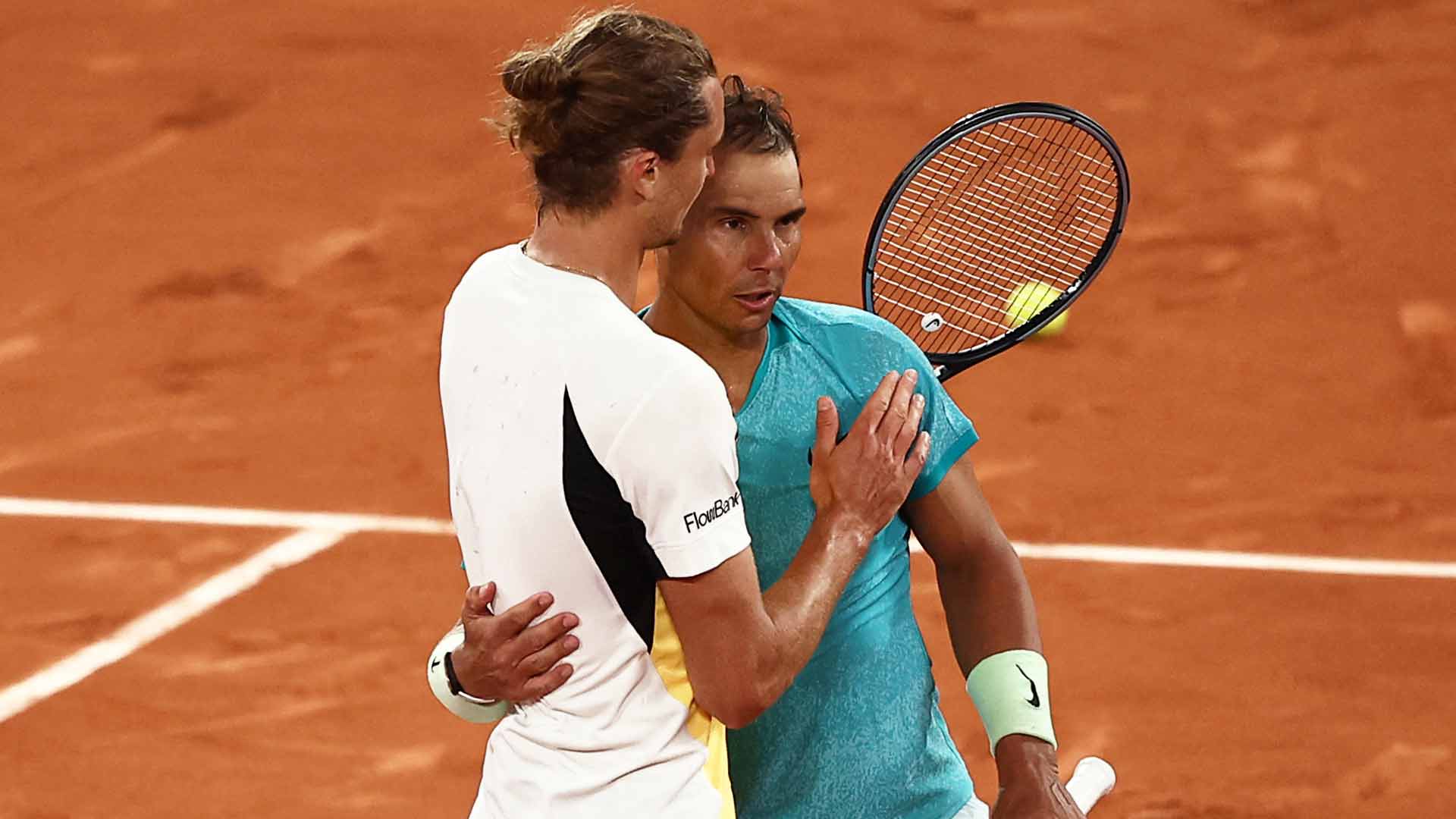
The current Roland Garros champion, Alexander Zverev, suffered a devastating injury of this nature, although without contact, on a clay court against Rafael Nadal. The scenes were horrific.
There is no place for these kinds of incidents in football. Nobody should be sent to hospital because of a football match or because an opponent deliberately chose to endanger them.
Potentially career- and life-threatening injuries are at stake here!
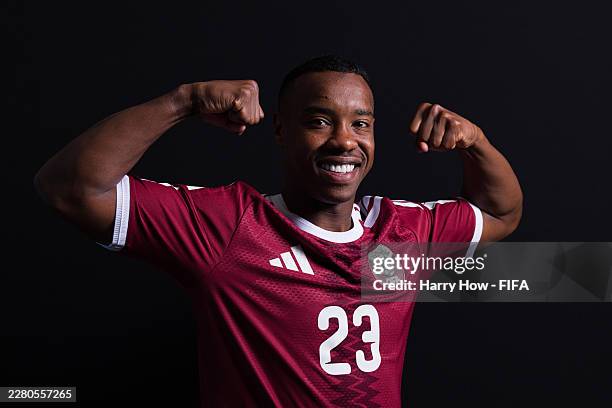
We saw exactly that in Canada’s 6-0 victory over Qatar, where the Qatari team received two red cards. One of those dismissals came after Asim Madibo broke the leg of a Canadian player with a reckless challenge. It should never be acceptable to deliberately target an opponent because such actions can directly result in broken legs and potentially career- and life-threatening injuries.
Qatar is only money. They are degarce!
Qatar may have hosted the 2022 World Cup, and the tournament may have been moved to winter because of the climate.
They may have invested heavily in infrastructure, but it could be a very long time before the world’s biggest football tournament returns to Qatar.

Their manager, former West Ham coach Julen Lopetegui, appears to have taught this team everything except football. The behaviour displayed by this national team suggests a lack of character. Before the 6-0 defeat to Canada, they had already suffered another heavy loss against Switzerland.
They appear to lack spirit, resilience, and footballing quality. What they have in abundance is money, but money alone cannot build a football culture.
About the Author