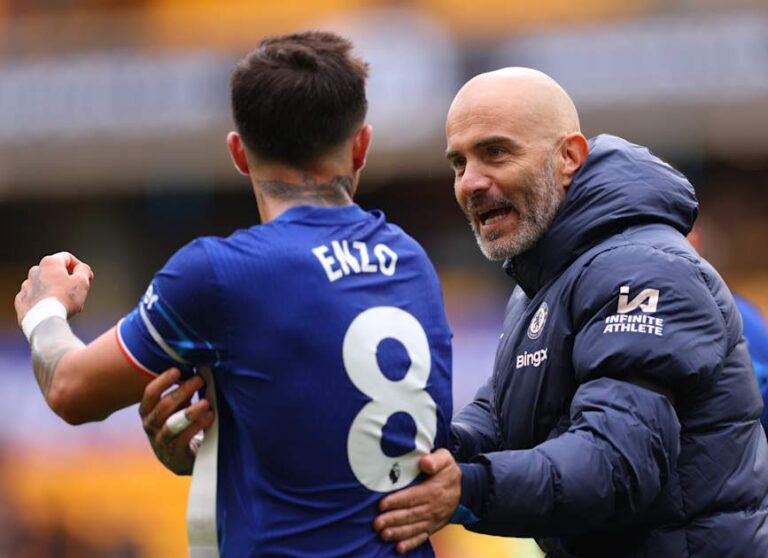

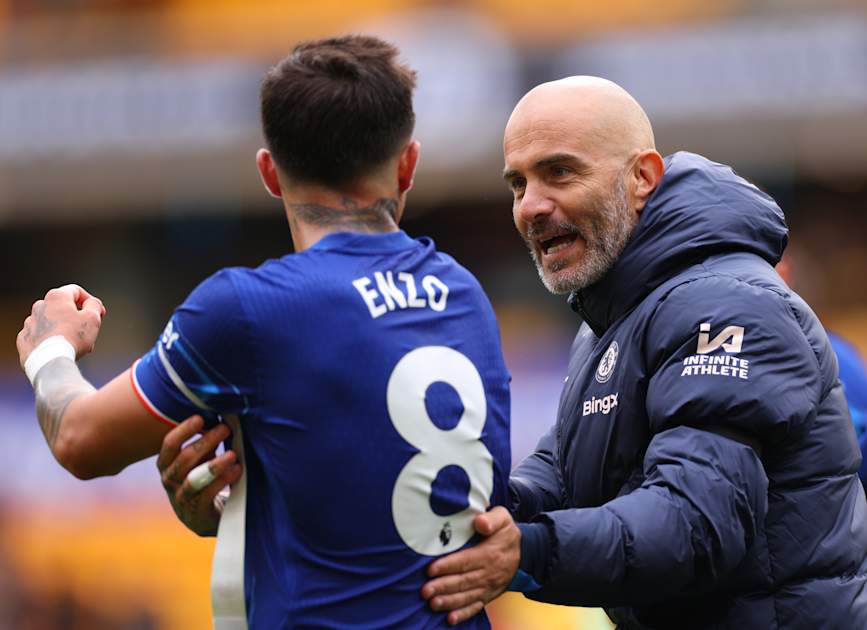
They are on the pitch, but they are underperforming for a reason. They are tied to Maresca and don’t want to play for Rosenior. As Marc Cucurella suggested to do media directly, there is a strong internal influence from players aligned with Enzo Maresca, and players are:
Enzo Fernadez, Cucurella, Joao Pedro, Marc Cucurella and Pedro Neto.
These are key figures within the team, yet their performances are falling below expectations—seemingly with intent.
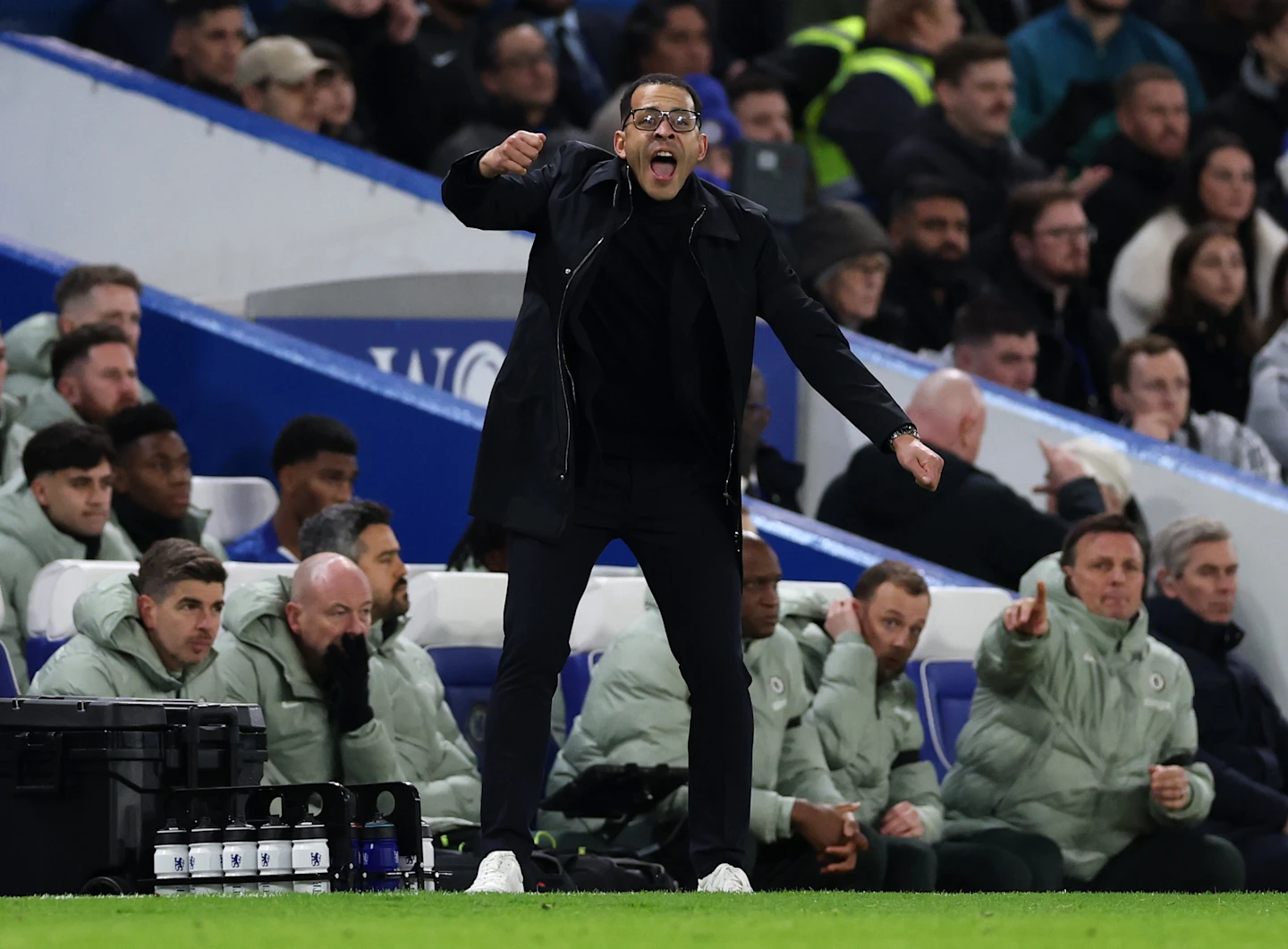
Liam Rosenior is making the selections, but he is also forced to rely on them, as they are considered among the strongest players in the squad. This creates a complex internal dynamic.
There appears to be a significant internal conflict unfolding at Chelsea F.C.—a power struggle that is affecting performances on the pitch. The players may have the ability to undermine Rosenior, but equally, Rosenior has the platform to expose the situation through results and make it clear to everyone what is really happening.
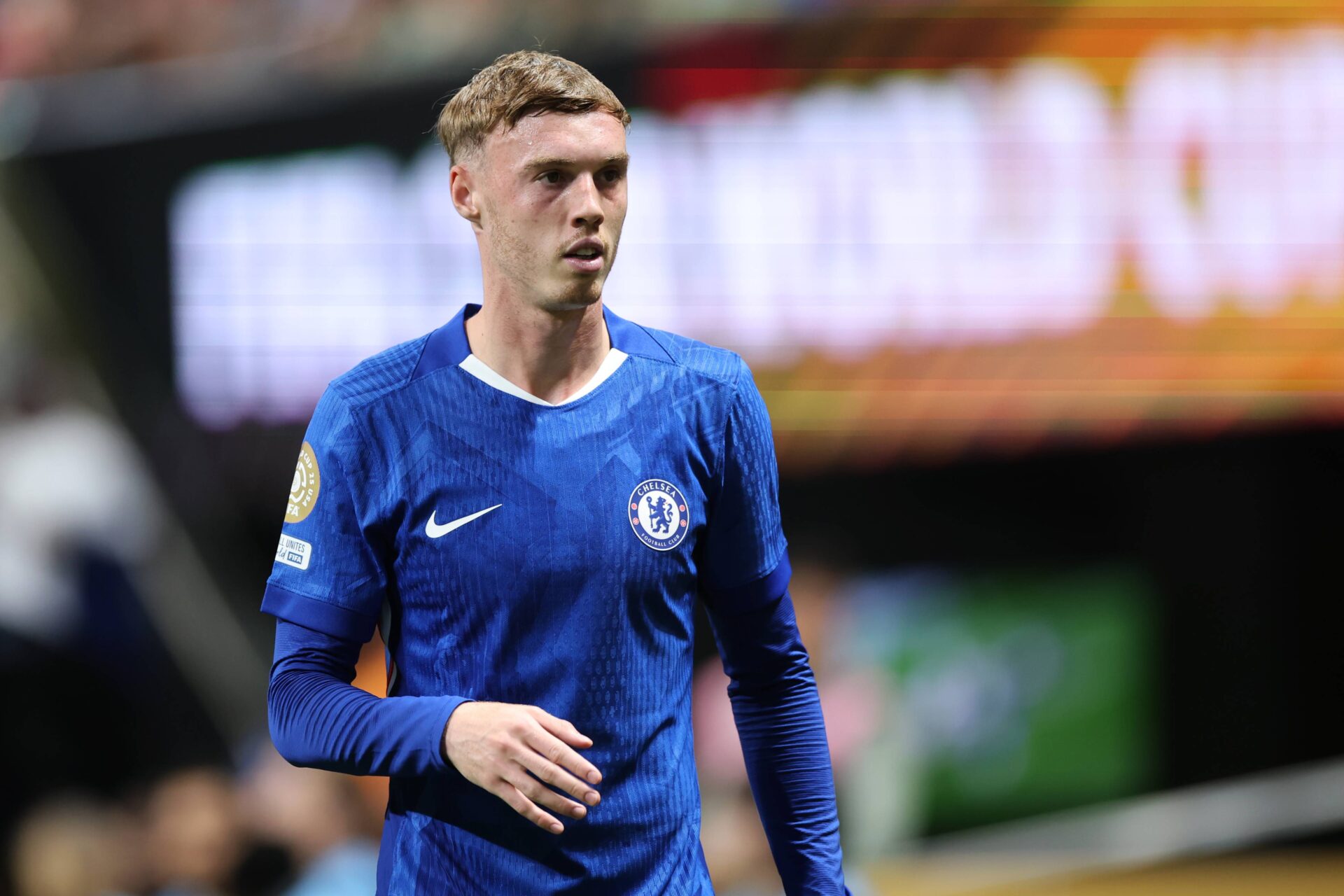
Cole Palmer was once presented as one of the best No. 10s in the world. By a coach who trusted him, consistently gave him opportunities, and even protected him from criticism at the international level after difficult moments. Under Liam Rosenior, however, he has been reduced to a right winger. In that role, it appears easier for him to withdraw than to fight for the team.
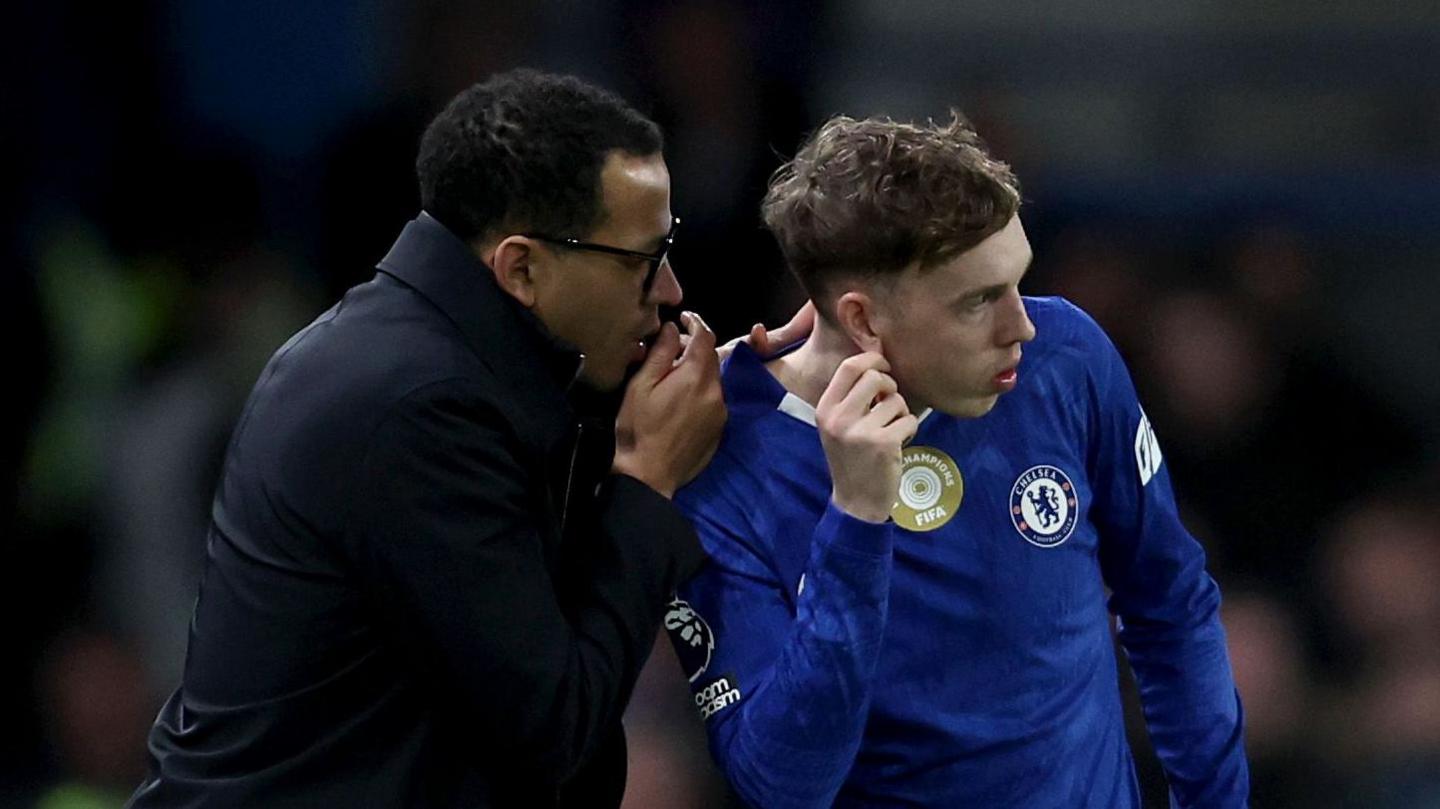
This is a point and a problem!
This raises a deeper question about the mentality of young players at Chelsea F.C.. The first major sign of collapse came when Palmer failed to step up in a decisive moment—after that, the entire structure began to fall apart.
The situation is extremely difficult for Rosenior, especially if Palmer is deliberately underperforming. It is visible that he doesn’t want to defend at all, and he is Maresca’s star. So, but to speak about undeforming, he is pretending to be close to Maresca. So he chooses to justify low parties by using a character who is not loyal and is making excuses.
It is easier for him. That is the answer to Chelsea’s youth team issues that has been spoken of.
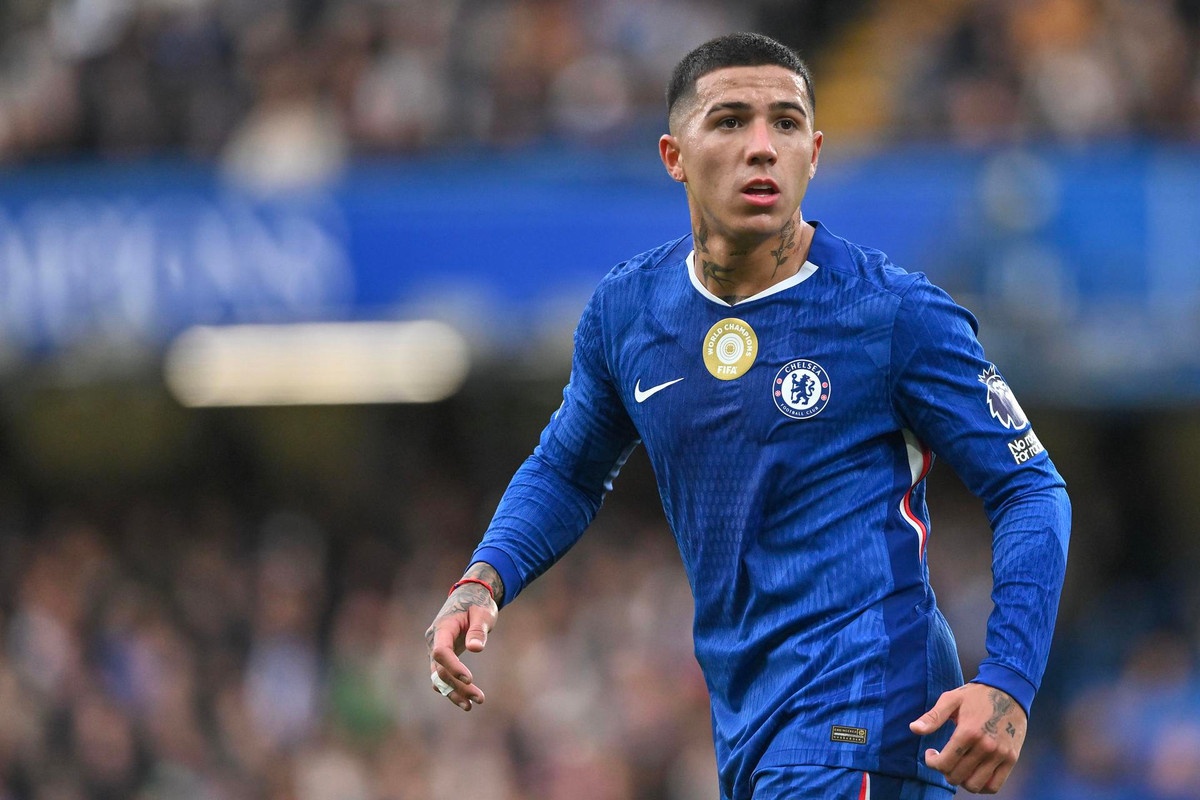
Enzo Fernández is another key issue. He has lost the guidance of Enzo Maresca and is now being pushed back into the No. 10 role—a position he clearly cannot execute effectively. His performances in that role have disappointed multiple managers. His shooting lacks precision and consistency, and he does not possess the finishing qualities associated with players like Frank Lampard.
Despite ongoing links to Real Madrid CF, there is a growing sense that Chelsea should consider selling him, especially given the scale of their investment.
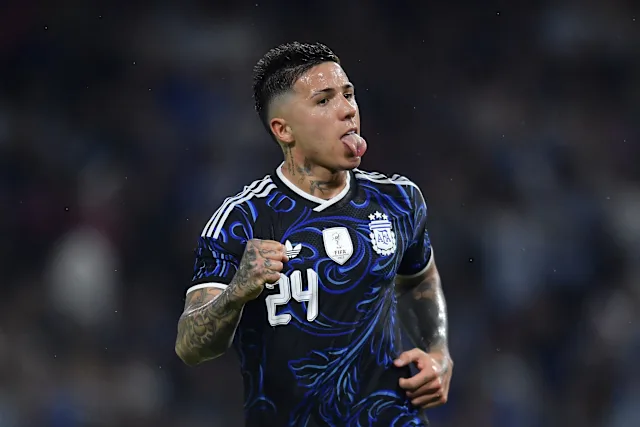
Individual indiscipline cannot be ignored. And to push for him!
Chelsea F.C. hold full control over the situation, as the player is tied to a long-term contract. It is entirely up to the club whether they decide to sell him to Real Madrid CF. Given that he was signed for a fee exceeding €120 million, Chelsea is in a strong negotiating position.
And Real Madrid needs to want Enzo Fernández. Truly, and make extreme efforts in order to sign him eventually
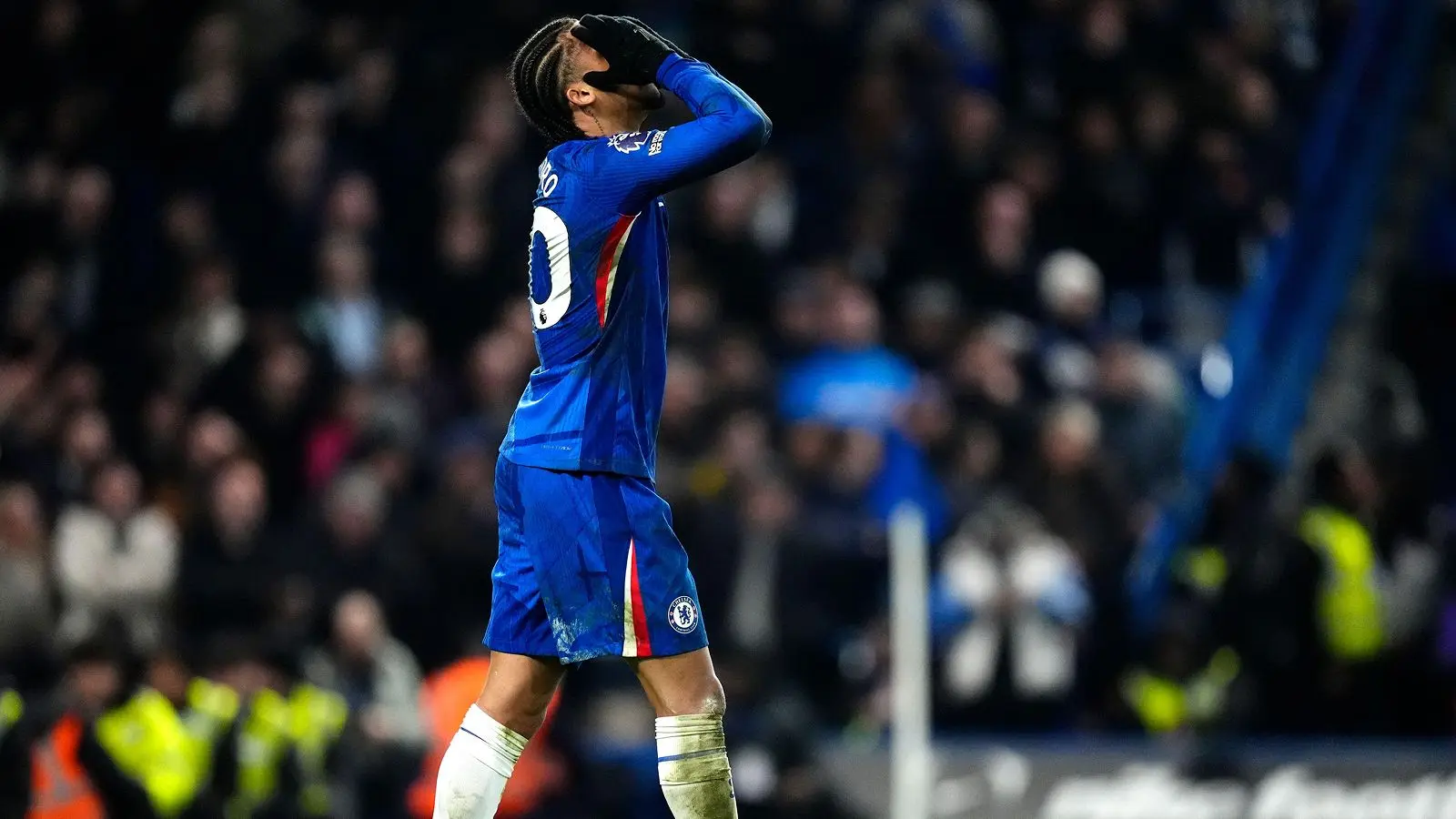
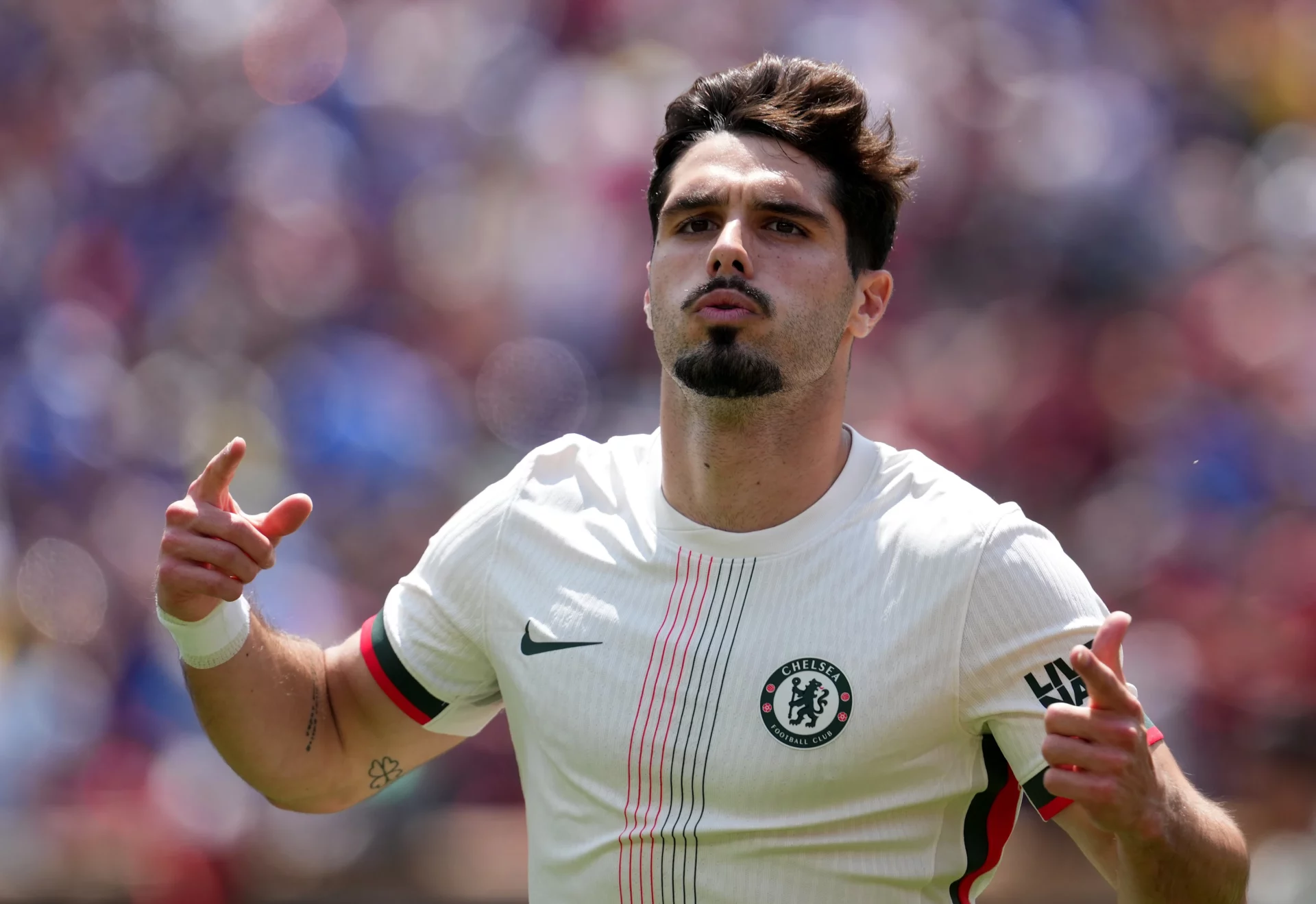
João Pedro represents another layer of the problem. He is closely aligned with Maresca’s departure and sacking. Joao Pedro was hideous in key Maresca weeks leading to departure, and there is a perception that internal dynamics could eventually push Rosenior out.
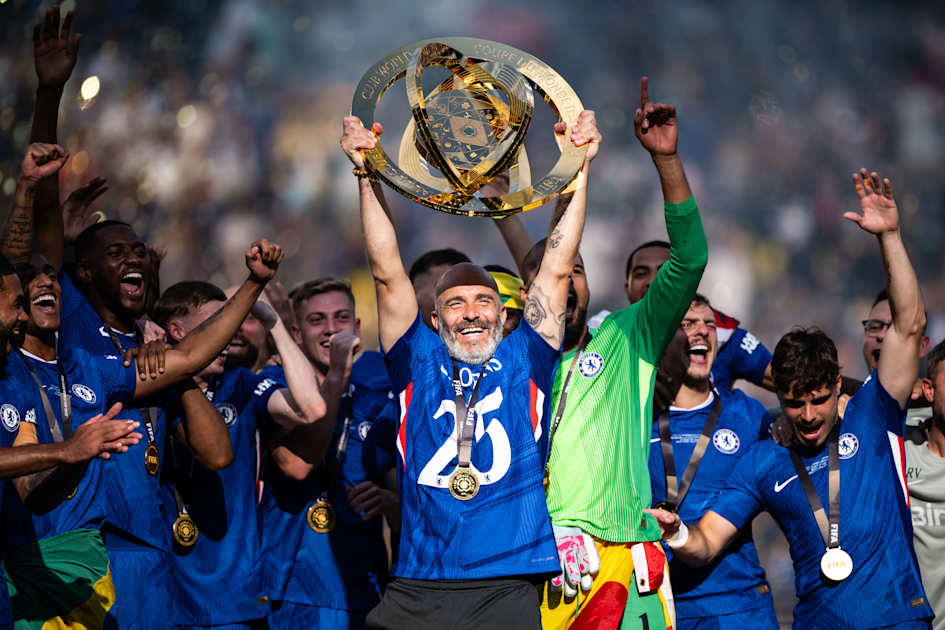
He is not protecting Rosnior, not a bit and will not for anything. Even in his goal celebrations, there are signs that personal success is taking priority over the team, raising questions about his character and commitment. This is a key part of the Chelsea young project.
Key players are not experienced and are not loyal to the club, and they are getting huge paychecks, which is making them arrogant, not better.
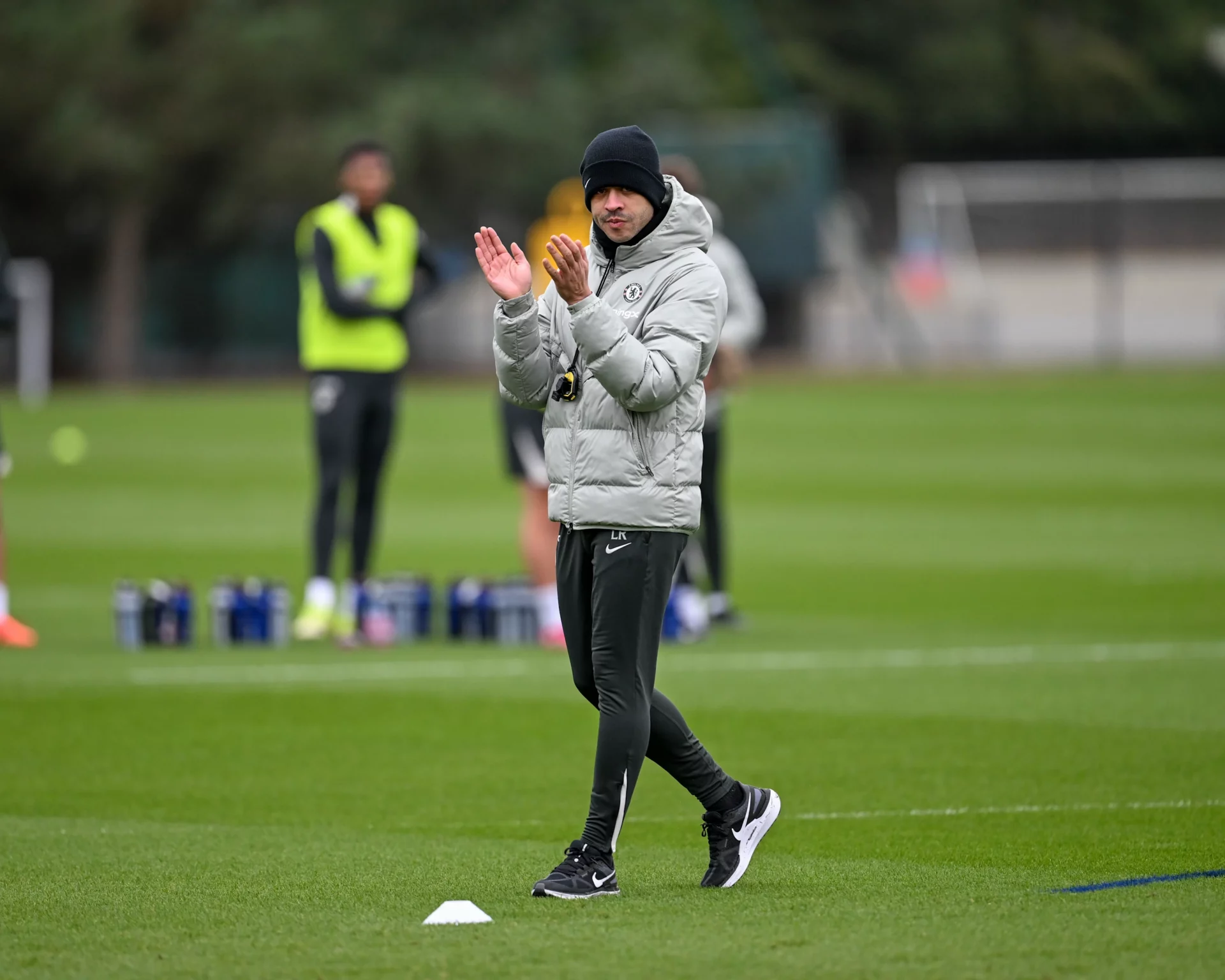
Tactically, his role lacks clarity—he shifts between striker, attacking midfielder, and left winger without consistency. When he is doing great, he is a striker, but when he is not, then Joao Pedro is a 10 or left winger.
A player without a defined role or strong commitment struggles to meet the demands of a club like Chelsea. He can do it, but he wants money and does not care about the club. His continued selection is also influenced by a lack of strong alternatives, with Liam Delap not providing sufficient competition. Delap is the worst second-choice sticker in the league
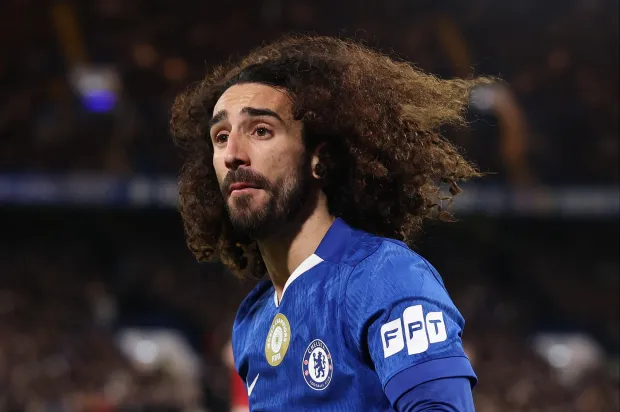
Marc Cucurella was among the first to openly signal internal divisions, suggesting alignment with Maresca. Despite being pushed forward from full-back, he lacks the pace, delivery, and finishing required for that advanced role, and his overall contribution often disrupts team balance.
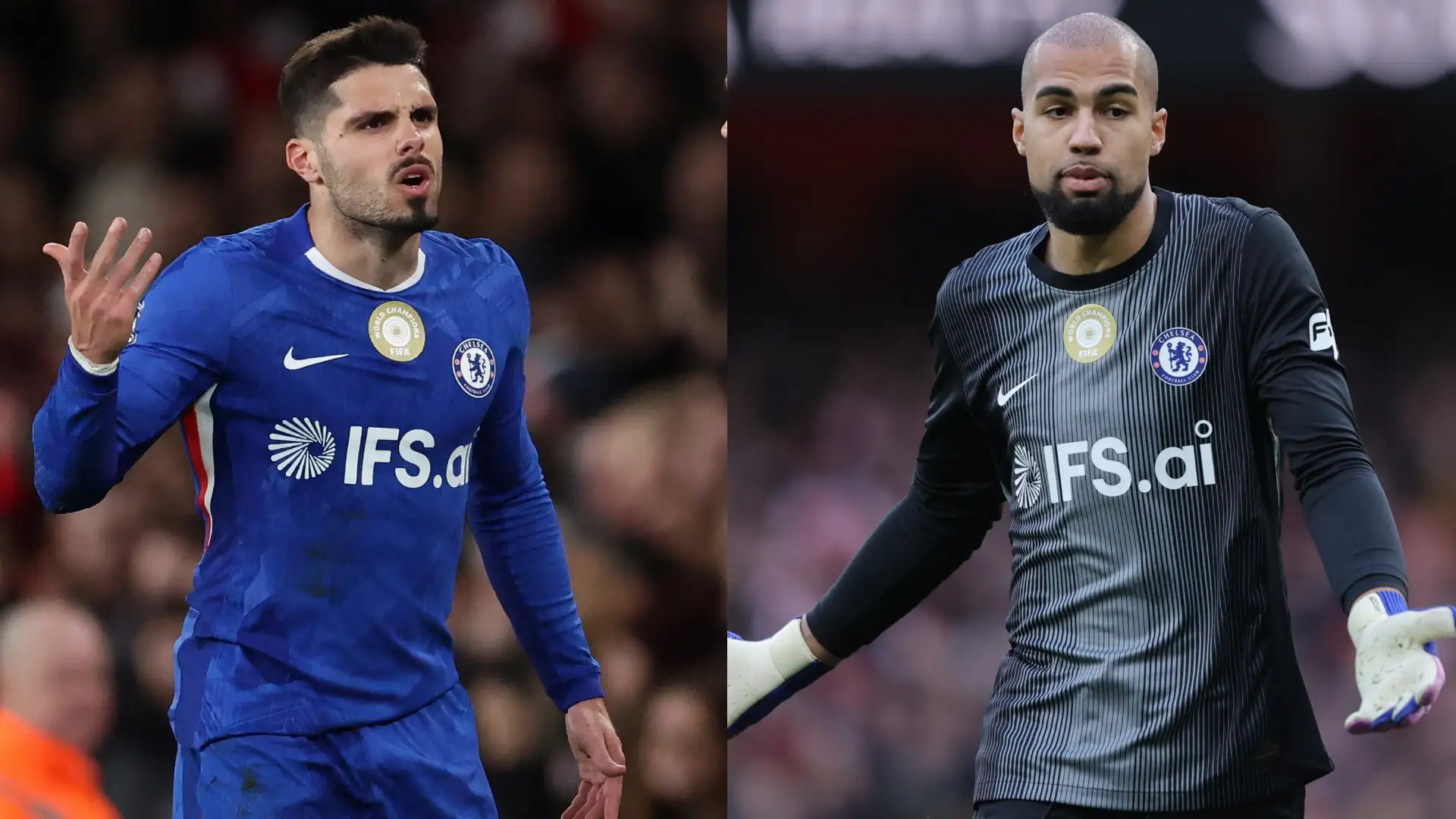
Pedro Neto is another case where mentality is in question. At key moments, instead of stepping up, he has faded. His recent decisions on the pitch reflect a lack of commitment and alignment with the team’s needs.
Wesley Fofana represents a critical structural issue. Despite being a key player on paper, his performances suggest a focus on personal progression rather than team success. He earns a significant salary, yet his impact is inconsistent, and he often disrupts defensive stability.
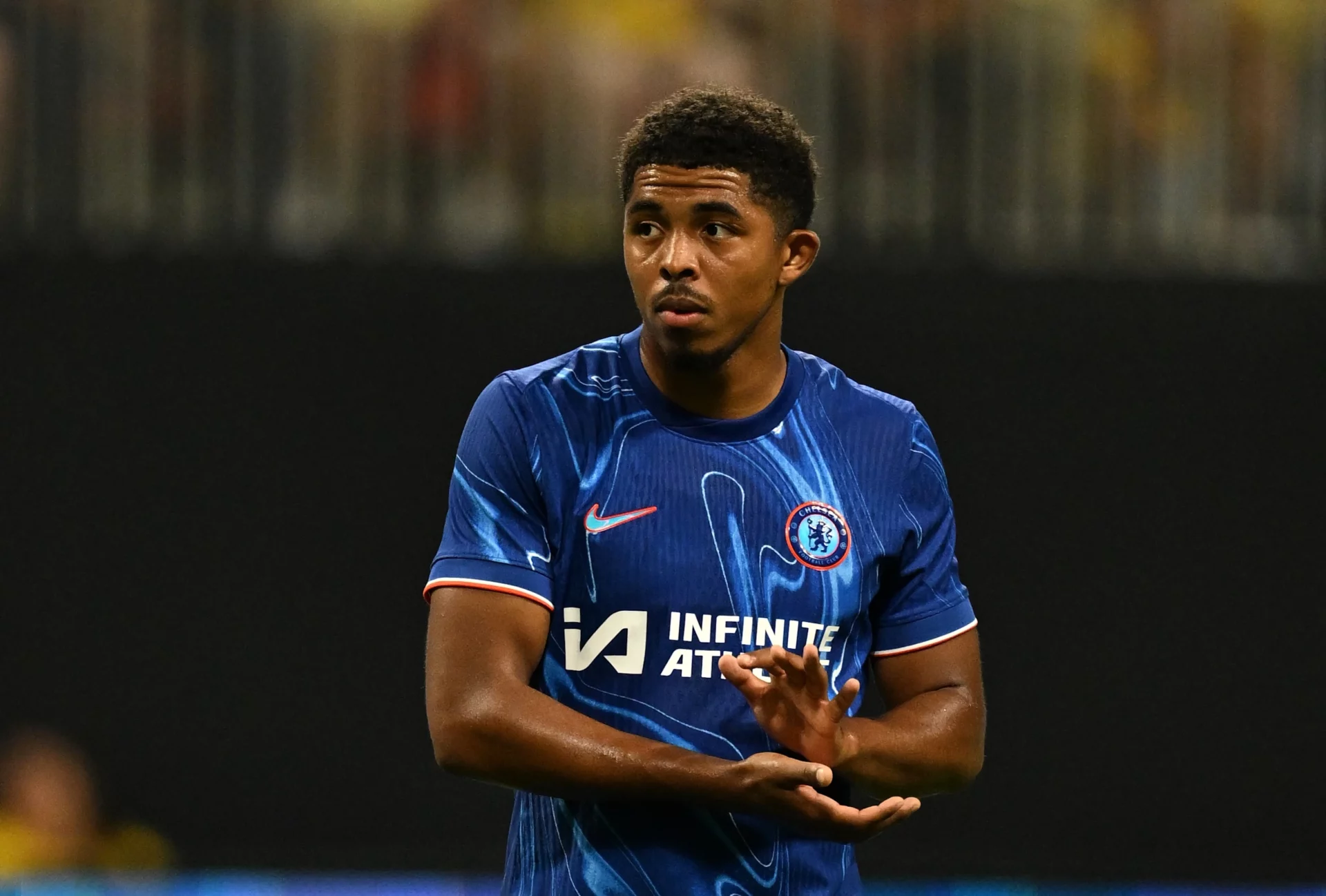
He was close to leaving in August, but Maresca insisted on keeping him.
The core concern is this: certain players will continue to play, but without full commitment. However, Rosenior is tactically intelligent and may still be able to expose the situation through performances and results—demonstrating that the issue lies within the group rather than the system. Key players.
Chelsea’s leadership will soon be forced to take sides. The club has heavily invested in young players on long-term contracts, but the lack of maturity and loyalty is becoming evident. Is this the answer to having young stars as key players?
Do they do the easy way out, like Joao Pedro? Cole Palmer, Mark Cucurella and others?
These players are not demonstrating the level of responsibility historically expected at a club of Chelsea’s stature.
This is the fundamental flaw of the project: key players are too young, lack accountability, and are not fully aligned with the club’s identity—despite being rewarded with significant contracts that should demand maximum commitment.
Is this answer of having young key stars, or is it that this group decided not to fight and to save their reputation, not caring about a club that pays them a salary? They only look at themselves, and that is the definition here.
Could others do better in their situation? Would they sabotage?
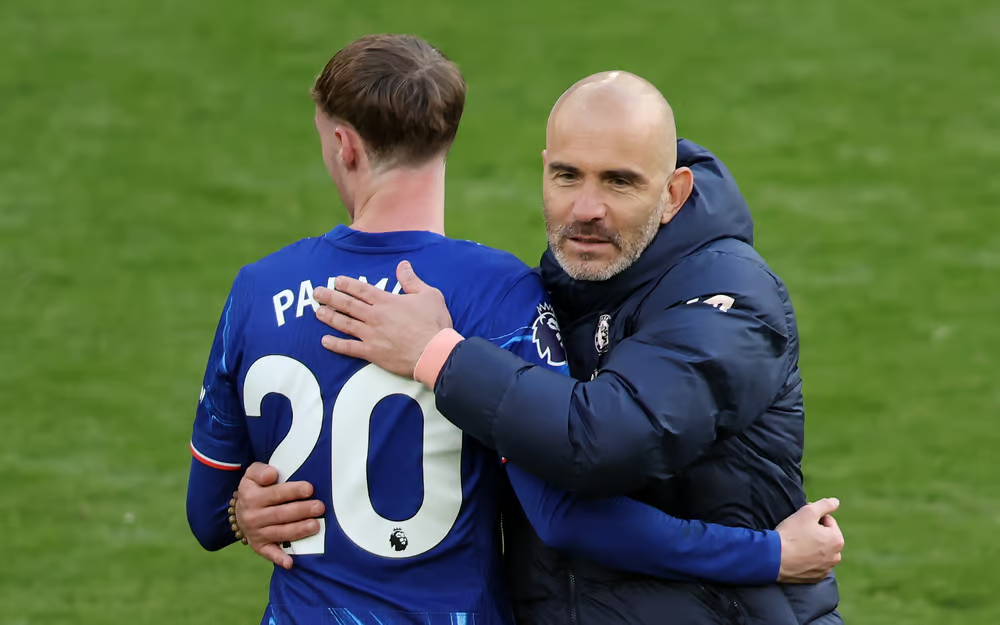
Ultimately, the turning point came with Cole Palmer. The moment he was shifted away from his natural No. 10 role into a wide position, only in wide Chelsea fell, the structure broke down—and with it, the identity of the team. Rosnior did this to the tar, and he is great, so great!
But the problem began with the level of football decreasing after Palmer’s decision, made by Liam Rosenior!
It is against club policy to sabotage the team, and they cannot do that, but they have not been pushed yet. It will be interesting to see the outcome!
Chelsea will exist after them!
About the Author