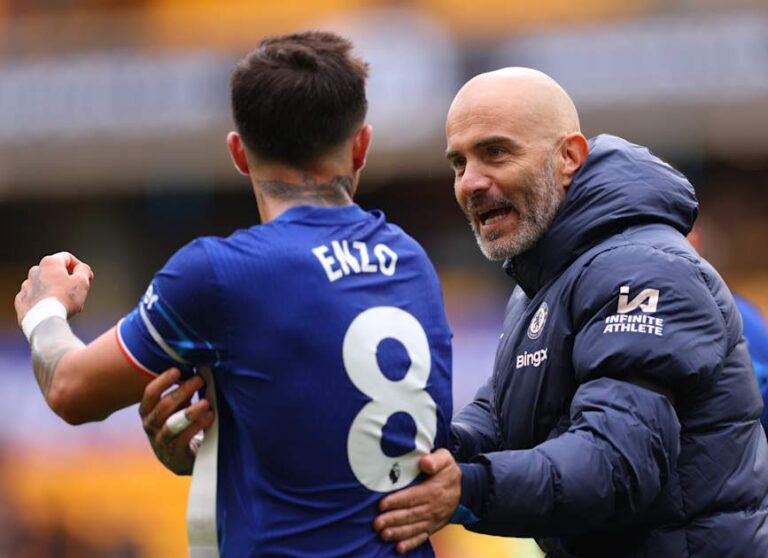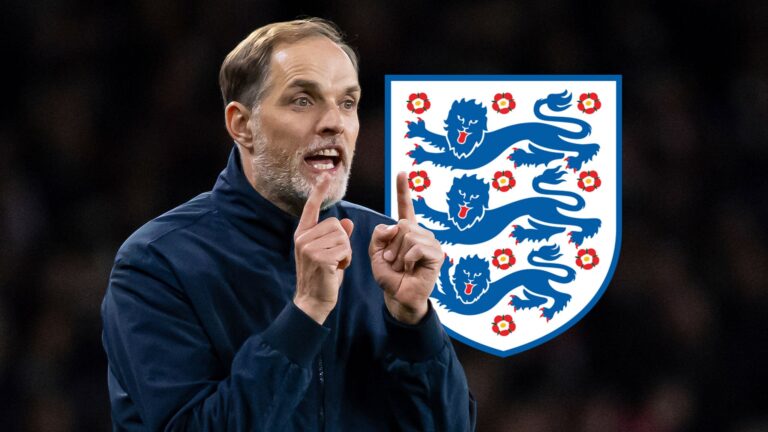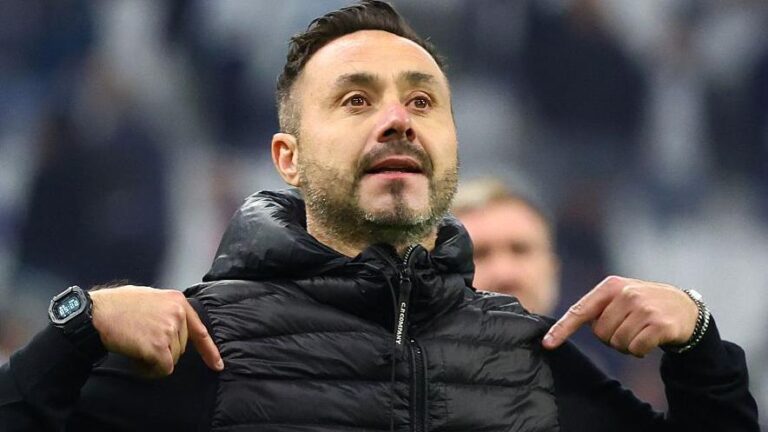

Why does Chelsea not have a 10?
Enzo Maresca’s obsession with dribbling and wide play has been evident since his very first days at Chelsea F.C. Noni Madueke, constantly positioned on the right wing and always willing to take on defenders, unlocked new attacking dimensions for the Italian coach at Stamford Bridge. His offensive trio—Madueke, Nicolas Jackson, and Cole Palmer—offered variety, directness, and attacking threat, lifting Chelsea above mediocrity.
We explained the Maresca tactics at Chelsea in detail. We explained Enzo Maresca’s ways and Chelsea’s tactics!
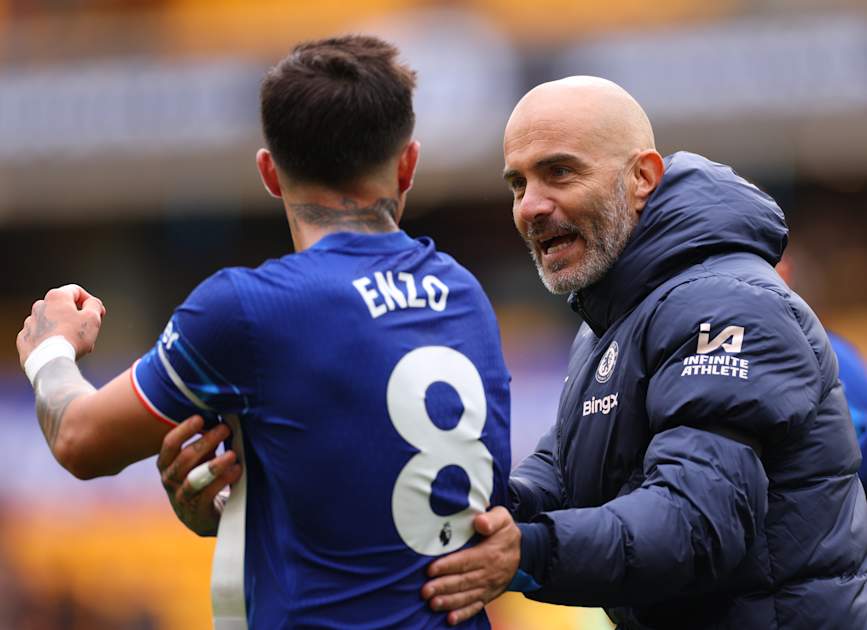
Maresca has succeeded where Mauricio Pochettino could not make chemistry with the team and players.
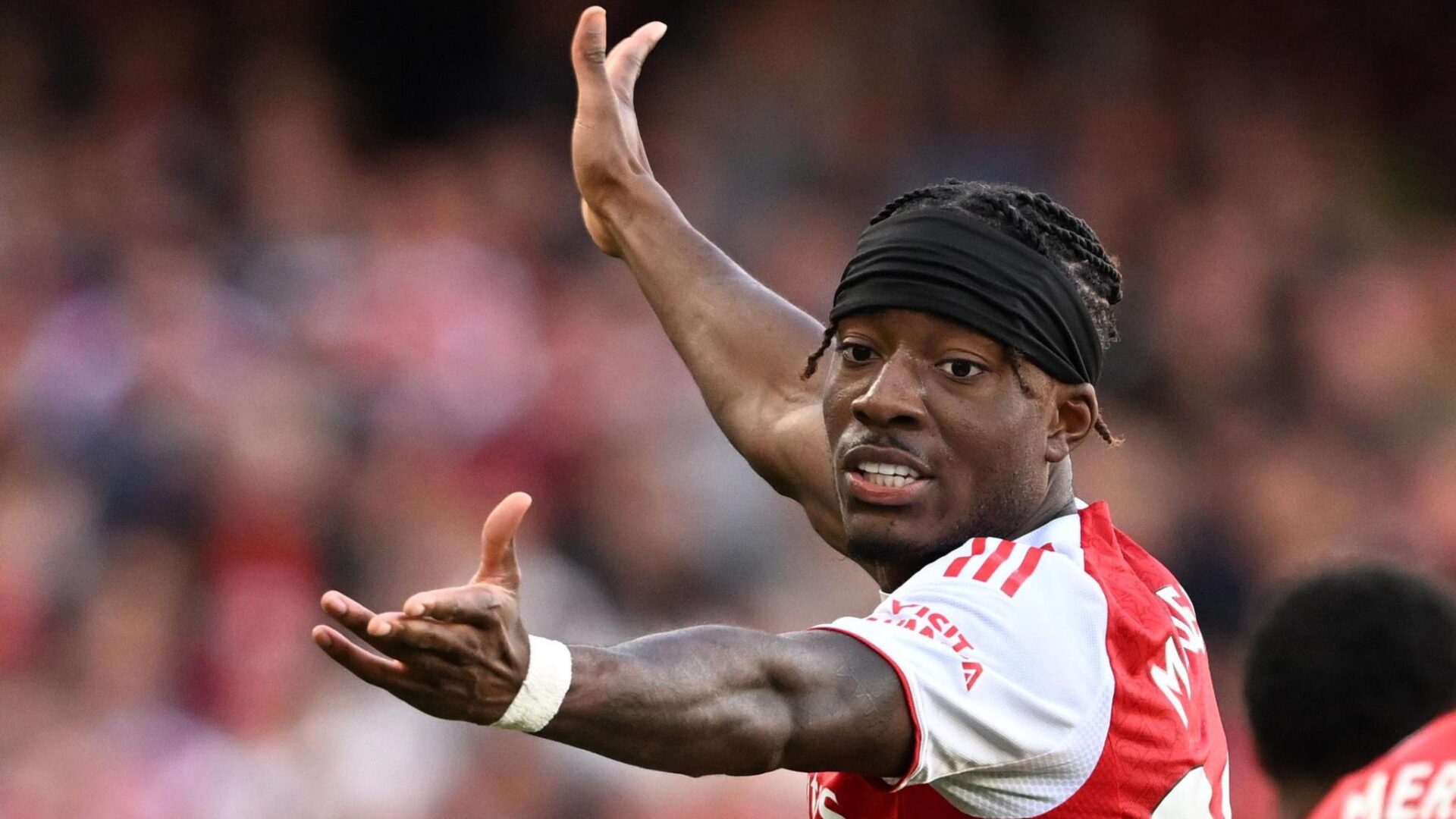
However, Chelsea’s decision to sell Madueke last summer proved to be a turning point—and one of the key reasons behind Maresca’s eventual departure.
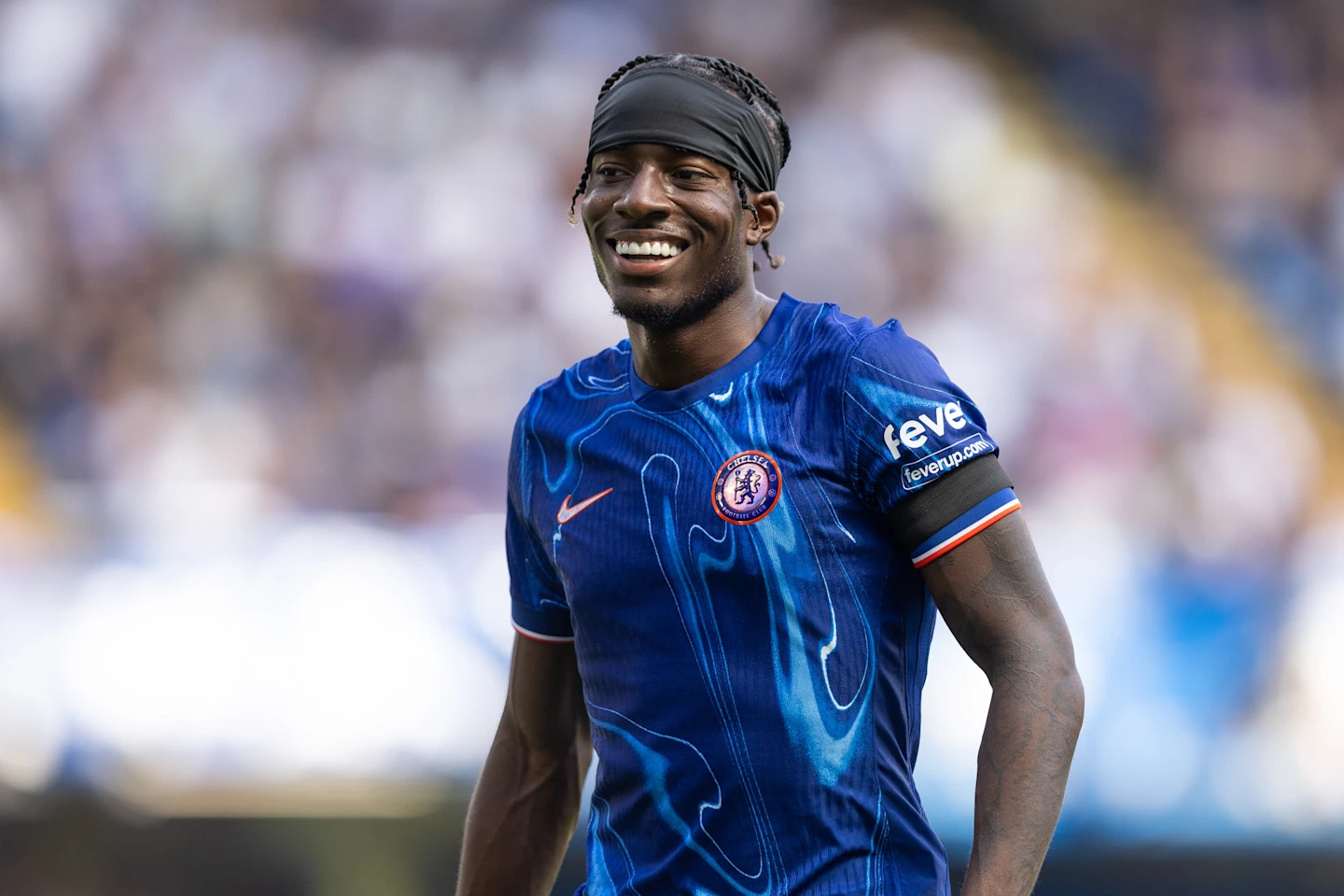
Maresca did not have a replacement for Madueke, and his departure to Arsenal has cost him his job at Chelsea!
Maduke was not loyal a bit!
The right flank lost its balance, and replacements such as Estêvão Willian and other wide options failed to replicate Madueke’s direct dribbling, constant forward positioning, and goal threat.
Pedro Neto, brought in as a solution, has not delivered at the required level. Meanwhile, Chelsea and Maresca agreed to the transfer of Geovany Quenda, a winger who was Maresca’s player and idea of signing to replace Madueke.
Quenda ultimately refused Manchester United F.C. and agreed with Chelsea.
Why did Quenda choose the Chelsea Project and Enzo Maresca himself?

Maresca’s tactical fixation on natural wingers played a role here—Quenda reportedly preferred a guaranteed role as a winger, rather than being used as a wing-back under Rúben Amorim.
The right-wing position is crucial for structural balance, and with the loss of Madueke, combined with Palmer’s dip in form, Maresca’s system at Stamford Bridge collapsed. Madueke’s positioning and directness were irreplaceable.
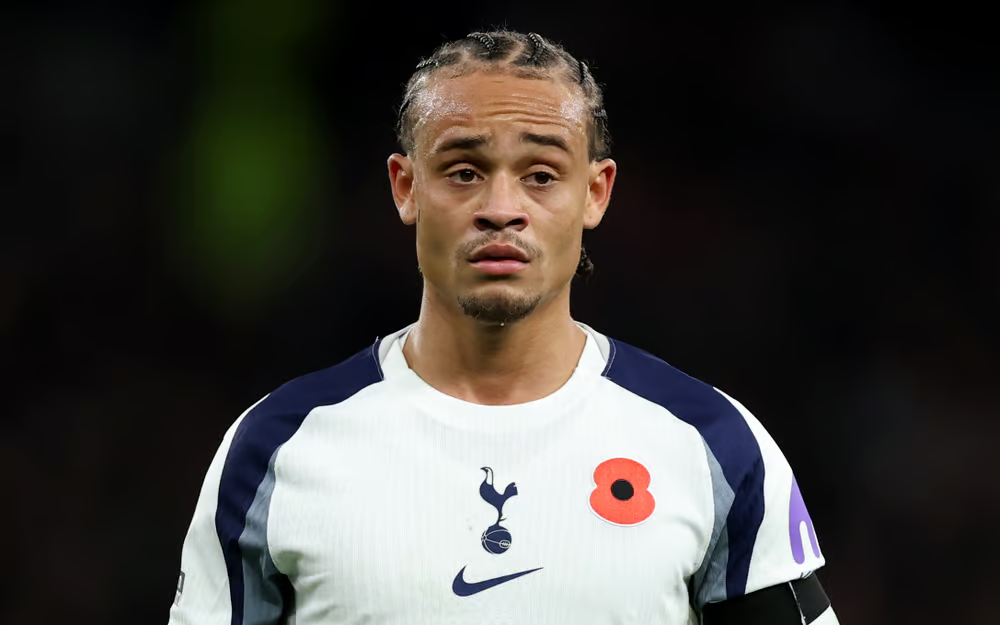
Xavi Simons is a symbol of Chelsea and Maresca, who hates Barcelona!
It is also a symbol of Maresca’s expertise and his knowledge, modesty and character!

Xavi Simons was identified as a potential solution—either as competition for Palmer or as an alternative creative hub in attacking phases. Throughout the summer, Simons actively sought a move, alongside Alejandro Garnacho, both pushing for a transfer to Chelsea.
While Garnacho offered width, Simons represented exactly what Chelsea lacked—a true attacking midfielder capable of controlling the game between the lines, carrying the team offensively, and linking midfield with attack.
Instead, Maresca made a decisive call: he wanted a winger. Garnacho fit that profile, while Simons did not.
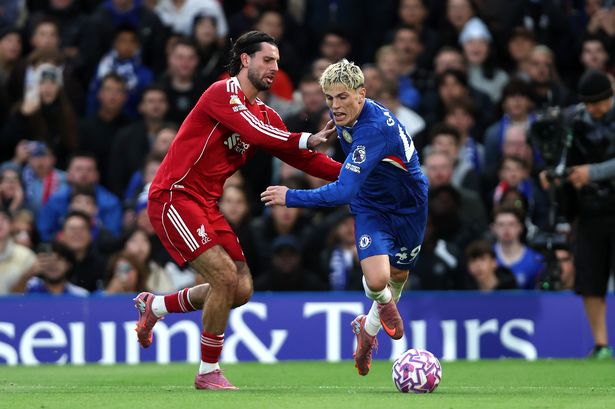
Instead, Maresca made a decisive call: he wanted a winger. Garnacho fit that profile, while Simons did not. As a result, Chelsea rejected Simons, and he eventually moved to Tottenham Hotspur F.C. late in the transfer window.
This decision now looks highly questionable.
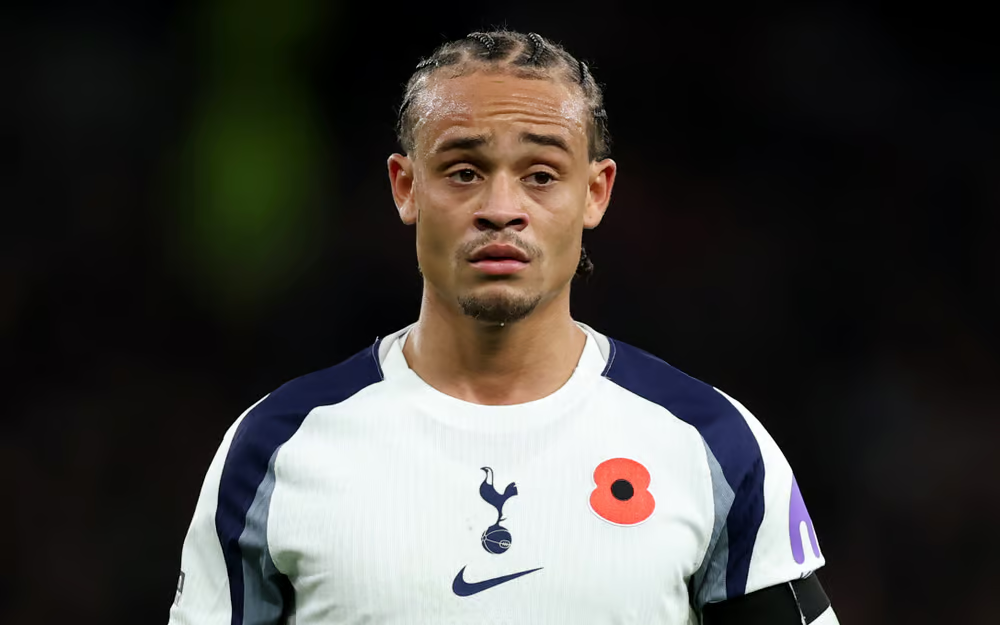
Simons is precisely the type of player Chelsea needed. His understanding of the No. 10 role is more mature and tactically refined than Palmer’s at this stage. He could have formed a strong midfield partnership with Andrey Santos and Moisés Caicedo, adding both creativity and defensive stability—especially considering Palmer’s tendency to lose possession in dangerous areas.
That is exactly like what happens today at Chelsea. Palmer’s clear chance leads to a brutal counterattack goal that is hurting players very much. They are balding on the ground.

Chelsea missed the opportunity to strengthen a key position that now clearly separates them from top-level teams. They struggle to break down compact defences, while Garnacho—under Liam Rosenior—does not work. He is the worst possible player from the Rosenior system.
Garnacho’s performances raise further concerns. His defensive contribution is minimal, and his positioning is defensive without effort. He is highly inconsistent, and his physical profile limits his effectiveness in a system that demands collective discipline and structure.
He does not fully commit to the attack, as he is not producing tangible output. Under Liam Rosenior, every player is expected to contribute defensively—a requirement that Alejandro Garnacho has consistently failed to meet.
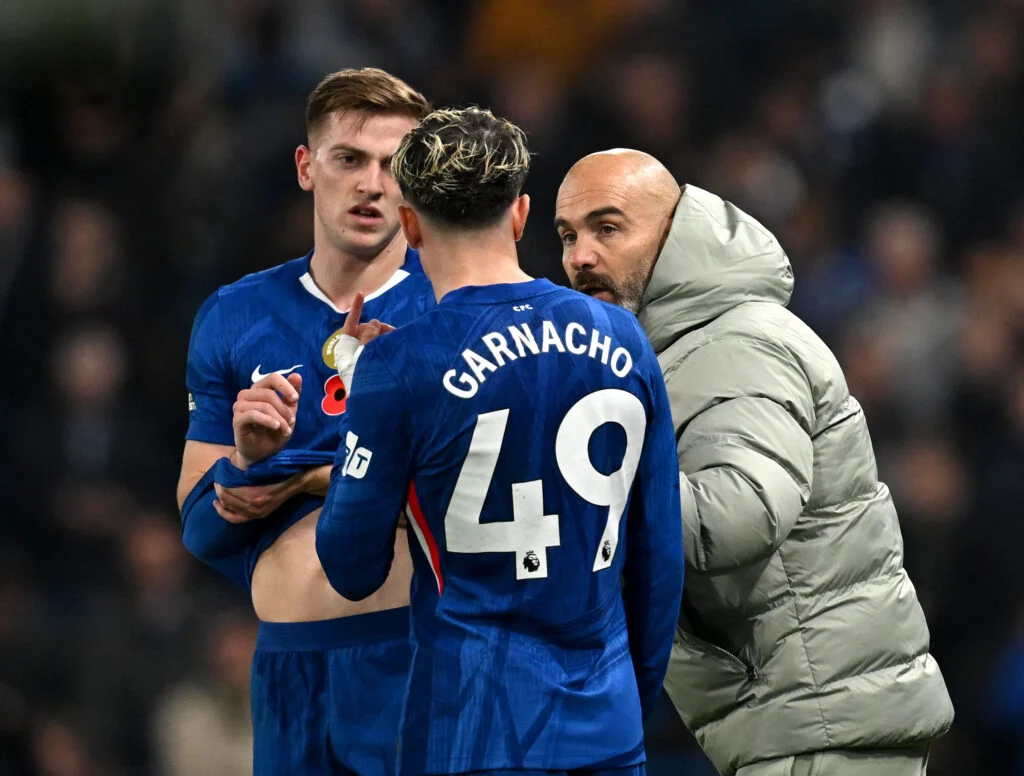
If he lacks physical presence, then positional intelligence and tactical discipline must compensate—but those elements are also missing. Alejandro Garnacho’s ball retention, decision-making, and overall development have regressed.
In contrast, Simons represents the profile Chelsea needed: a modern, intelligent attacking midfielder capable of elevating new technical football with position and.

Xavi Simson is a much better attacking midfielder than Cole Paler.
Ultimately, the decision reflects a deeper issue.
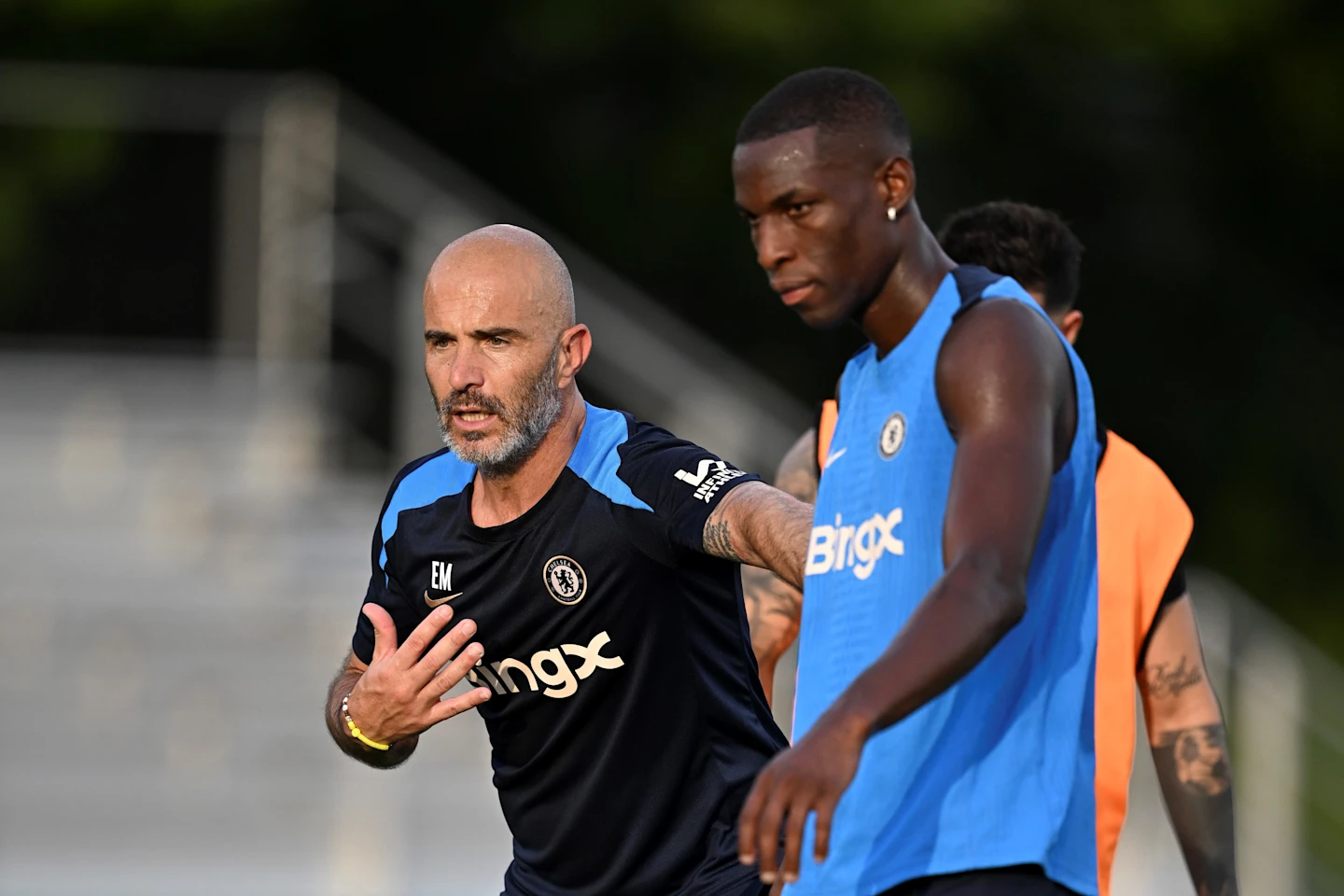
Maresca was clear: he wanted a winger, with Palmer as the primary No. 10 and Enzo Fernández pushed into an advanced role as 10—despite clear evidence that he cannot effectively operate there.
And that is the core problem.
Maresca’s interpretation of roles and positions is wrong. Fundamentally flawed and wrong. Enzo Maresca does not understand football positions.
About the Author