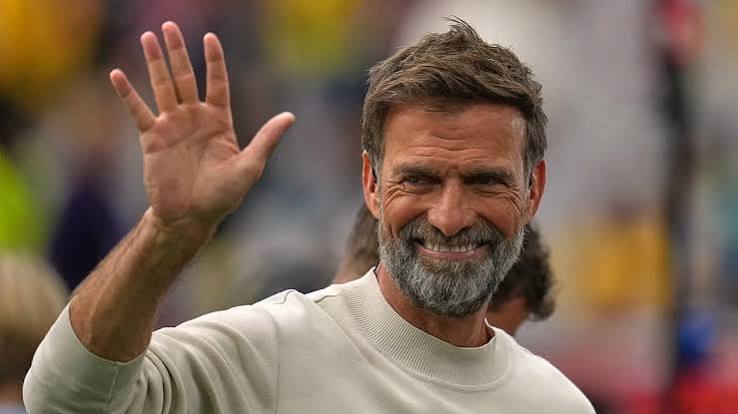
Postecoglou and Frank both fail at Tottenham — Does the problem lies in Antonio Conte’s and Mourinho’s rigid, immediate impact leadership model that focuses on self-promotion without thinking about development and club growth? Was it Mourinho executing an extremely defensive-oriented structure that suppressed the progress and well-being of Tottenham as a club in future?
 Srećko Šijaković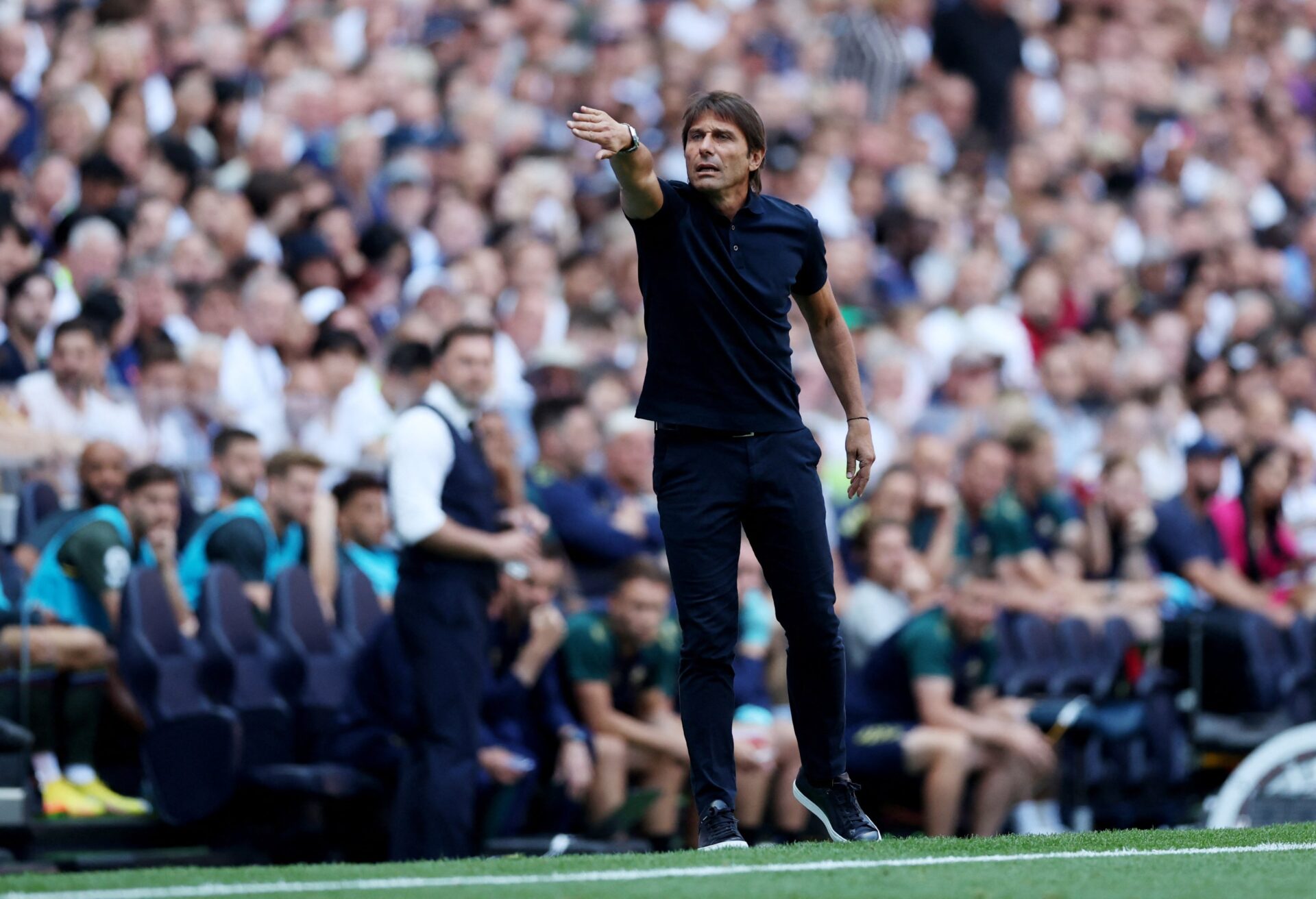
Two managers, same outcome for Tottenham, Postecoglou and Frank disaster with the same club in two Premier League seasons- What is Tottenham’s problem?
Two Managers, Same Outcome: Postecoglou and Frank Fail at Tottenham — What Is the Real Problem at Spurs?
Two different managers, two contrasting philosophies, yet the same disappointing outcome. Ange Postecoglou and Thomas Frank arrived at Tottenham with reputations for progressive football and structural clarity, but both have seen their projects unravel in remarkably similar fashion. This raises a far more uncomfortable question: is the problem managerial at all, or is it deeply institutional?
Since Mauricio Pochettino’s departure, Tottenham have become a club where ideas go to stagnate. José Mourinho and Antonio Conte were hired to deliver instant success, but instead they left behind a fractured squad, a defensive-first mentality, and an erosion of long-term planning. Their short-term, authoritarian approaches may have produced isolated results, but they fundamentally disrupted the club’s identity.
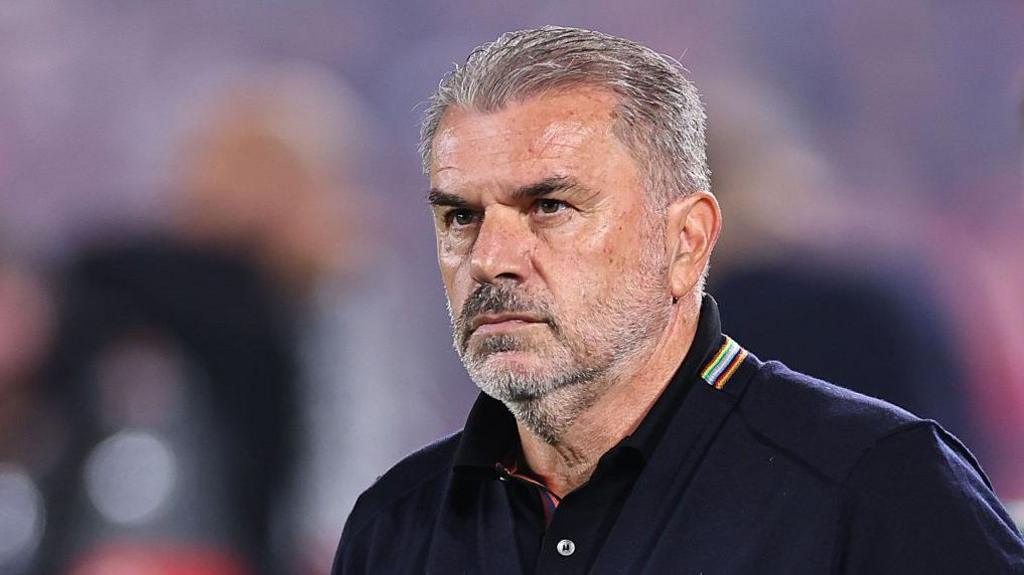
Postecoglou attempted to restore attacking intent and positional freedom, only to be undermined by structural imbalance and recurring fragility. His position in the league table was stabbing the eye of many. Thomas Frank, tasked with stabilisation, has instead overseen a continuation of the same issues: inconsistency, lack of resilience, and an inability to impose authority over matches—even against inferior opposition.
His Premier League position is very weak, and it goes second year straight that the team individually has great quality, but lacks success and victories in the domestic league. He has come to the club with a great reputation and experience.
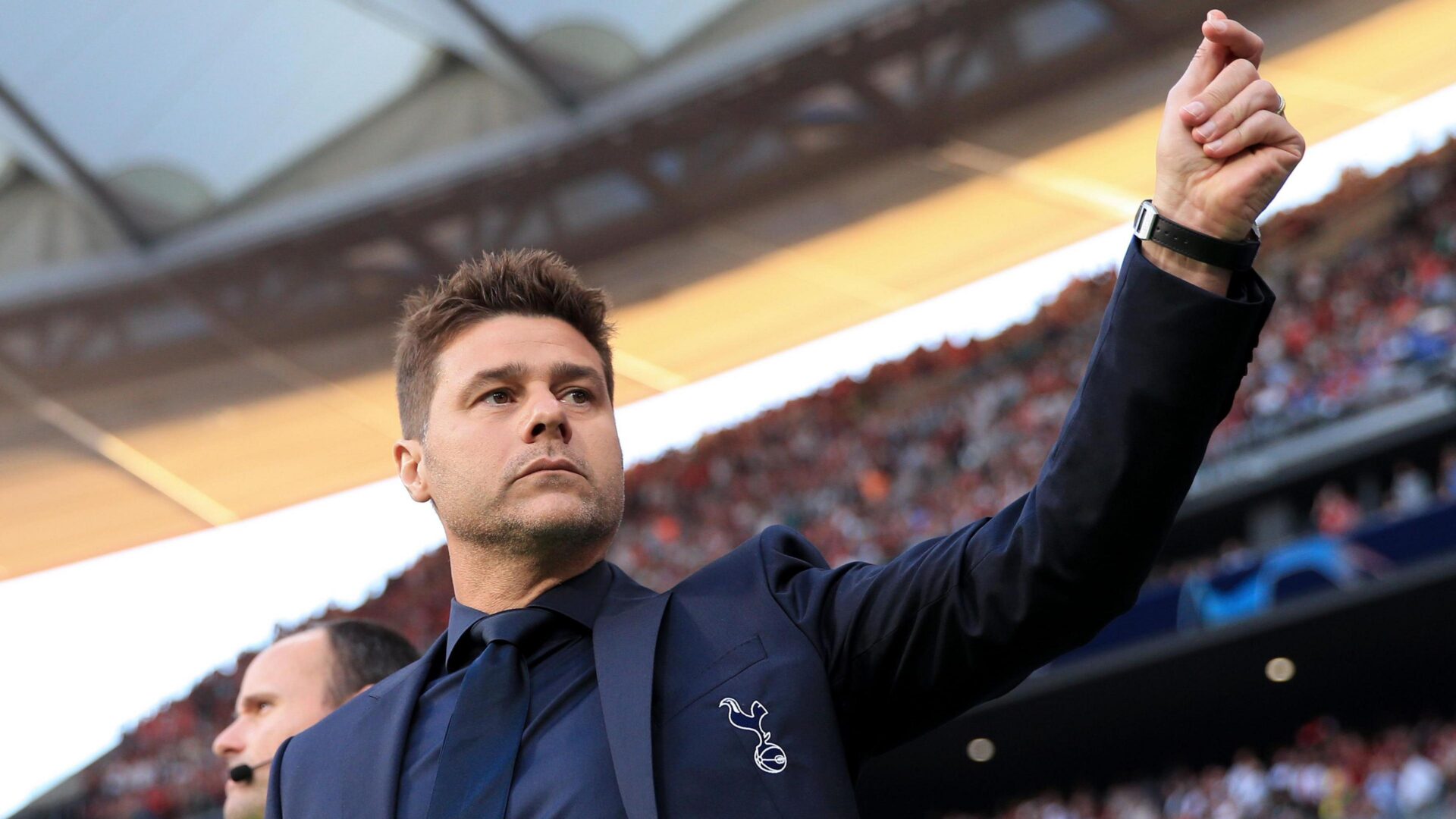
The common denominator is not tactical style, personality, or system. It is a club that has failed to define what it wants to be since Pochettino. Tottenham invested in infrastructure but neglected football coherence. Recruitment has lacked direction, managers have been selected for optics rather than fit, and the squad has been reshaped repeatedly without a unifying vision.
Mourinho and Conte did not cause all of Tottenham’s problems, but they accelerated the decline by normalising short-termism and stripping away developmental foundations. They have left the club without progress and were seeking instant success without thinking on club’s future at all.
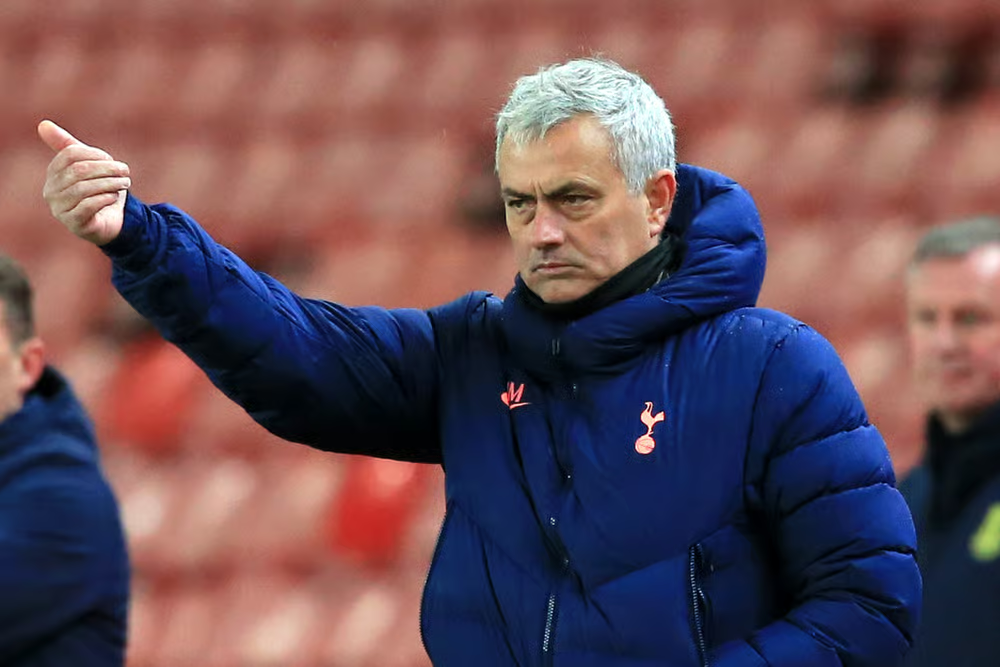
The club greatly paid for the decision to hear them as great names that bring money, and take care of personal success and well-being. Every manager since has inherited a club unsure of its identity, burdened by expectations without the structural support to meet them.
Tottenham’s crisis is not cyclical—it is systemic. Until the club confronts the depth of its institutional failure, changing managers will continue to deliver the same outcome.
Solanke remains sidelined
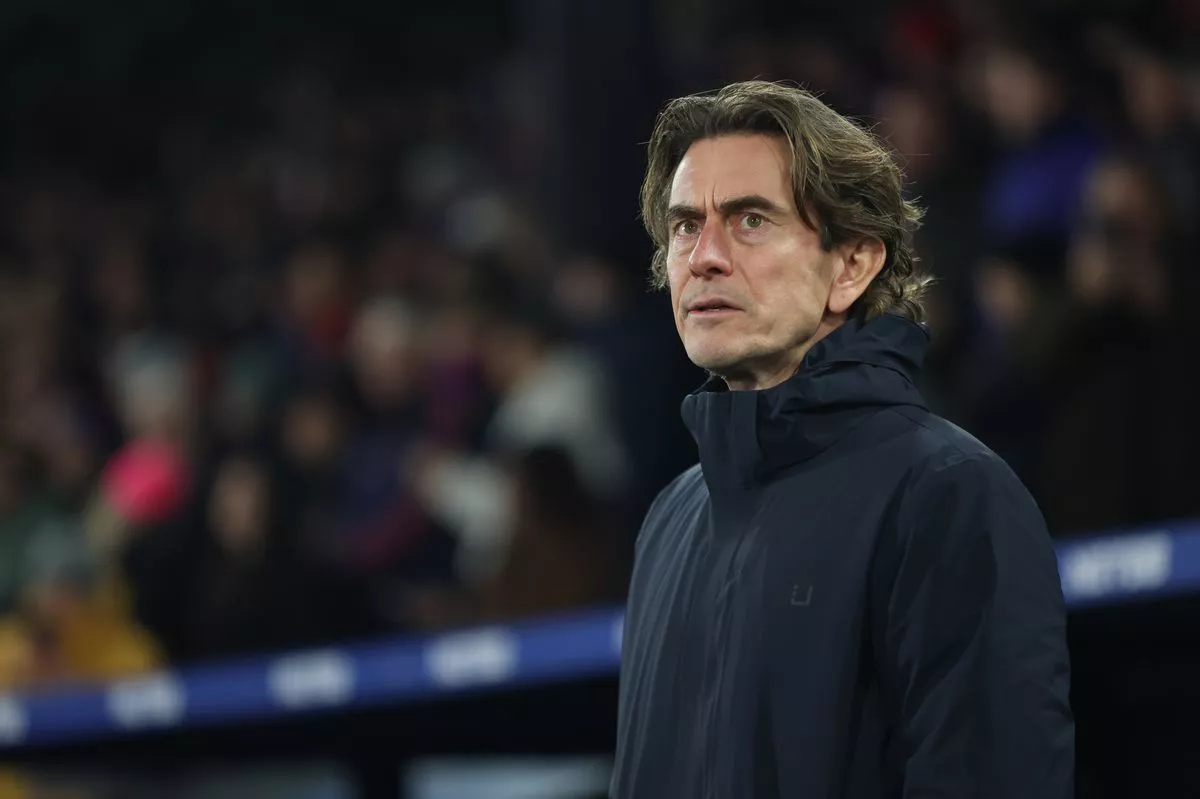
Tottenham’s problems are becoming increasingly evident. After last season’s collapse and prolonged struggles near the bottom half of the table, the Spurs find themselves in a strikingly similar position once again. While the new campaign began with a brief sense of optimism, that momentum quickly faded, and failures at their own stadium have become a recurring theme rather than an exception.
Since moving into the new stadium, Tottenham have failed to establish any meaningful synergy with their home ground. Instead of becoming a fortress, it has symbolised stagnation and underachievement, pushing the club closer to a sporting identity crisis. The FA Cup elimination against Aston Villa only reinforced this reality and exposed the fragility of the project.
With two managers in consecutive seasons, Tottenham have shown themselves to be structurally unprepared for sustained league competition. In a system that demands weekly consistency, the Spurs are struggling to compete even with clubs such as Fulham or Everton. This is particularly alarming given the individual quality within the squad. For a second consecutive season, Tottenham look set to finish behind Crystal Palace and several other London rivals.
League form is built on compactness, clarity, and repeatable performance levels. Heavy defeats in the Premier League are now part of Tottenham’s reality, and Thomas Frank—despite working with a talented squad—has so far underdelivered. The results fall well below the standards expected of a club with Tottenham’s resources and ambitions.
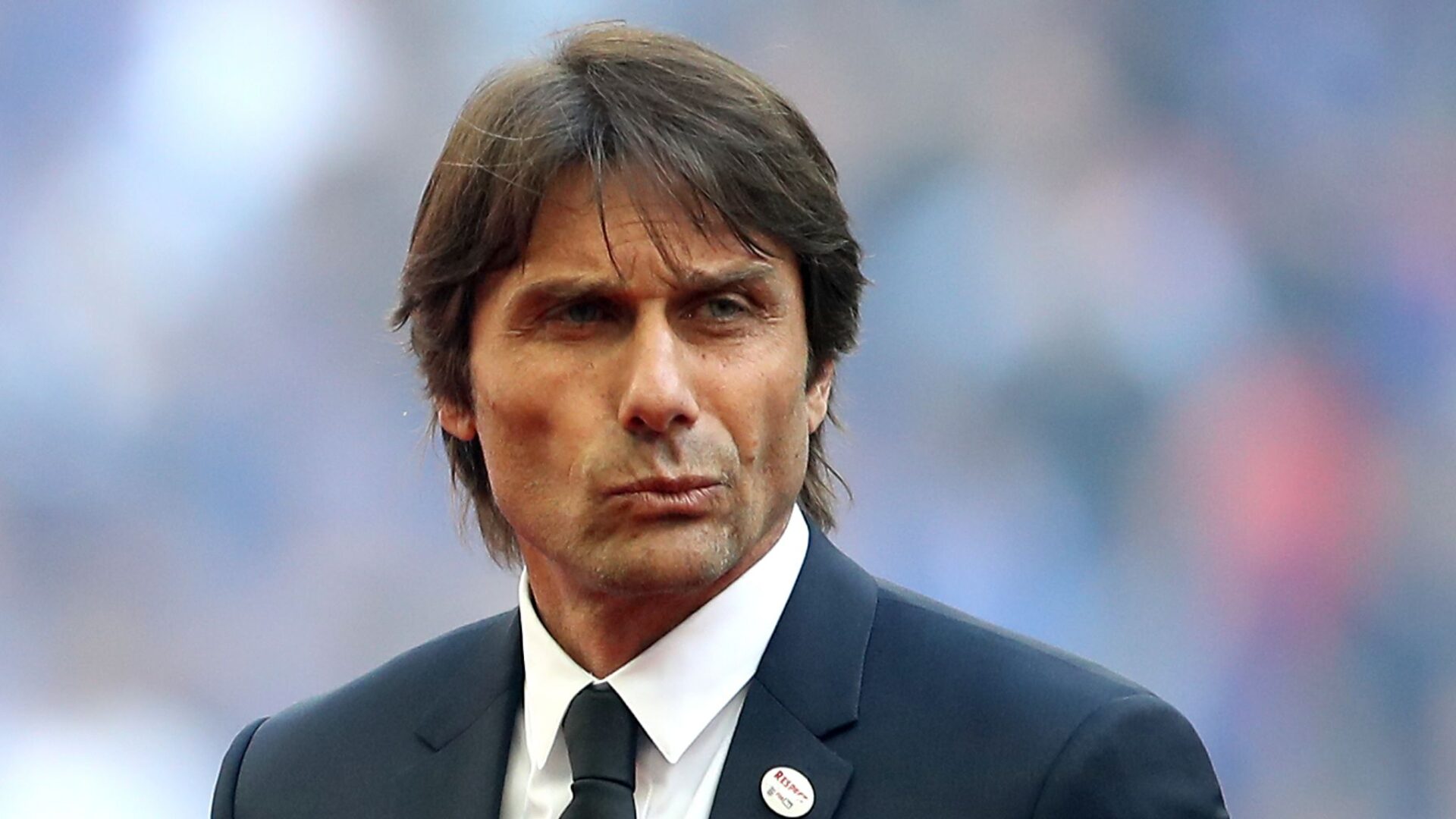
Since the renaissance under Mauricio Pochettino, which included a Champions League final appearance and a genuine title push in 2016, Tottenham have failed to re-establish themselves as a top English club. The post-Pochettino era, coinciding with the construction of the new stadium, saw the arrivals of José Mourinho and Antonio Conte—two managers whose approaches were built more on authority and short-term solutions than long-term development.
The real reason lies in:
The excessive defensive rigidity of Mourinho and the rigid, confrontational, defensively oriented philosophy and tyranny of Conte’s methods left lasting scars. Those two short-term solutions have left a trace on the club, their structures and mentality.
Clubs managed by coaches long past their peak often become unstable, and Tottenham paid a heavy price for prioritising big names over coherent planning. The club is still recovering from those mandates, having sacrificed identity, continuity, and squad harmony in pursuit of instant success.
Sarri was hired to change Chelsea’s mentality after Jose Mourinho’s second spell at Chelsea. Is Mourinho still harming Tottenham even though he left years ago?
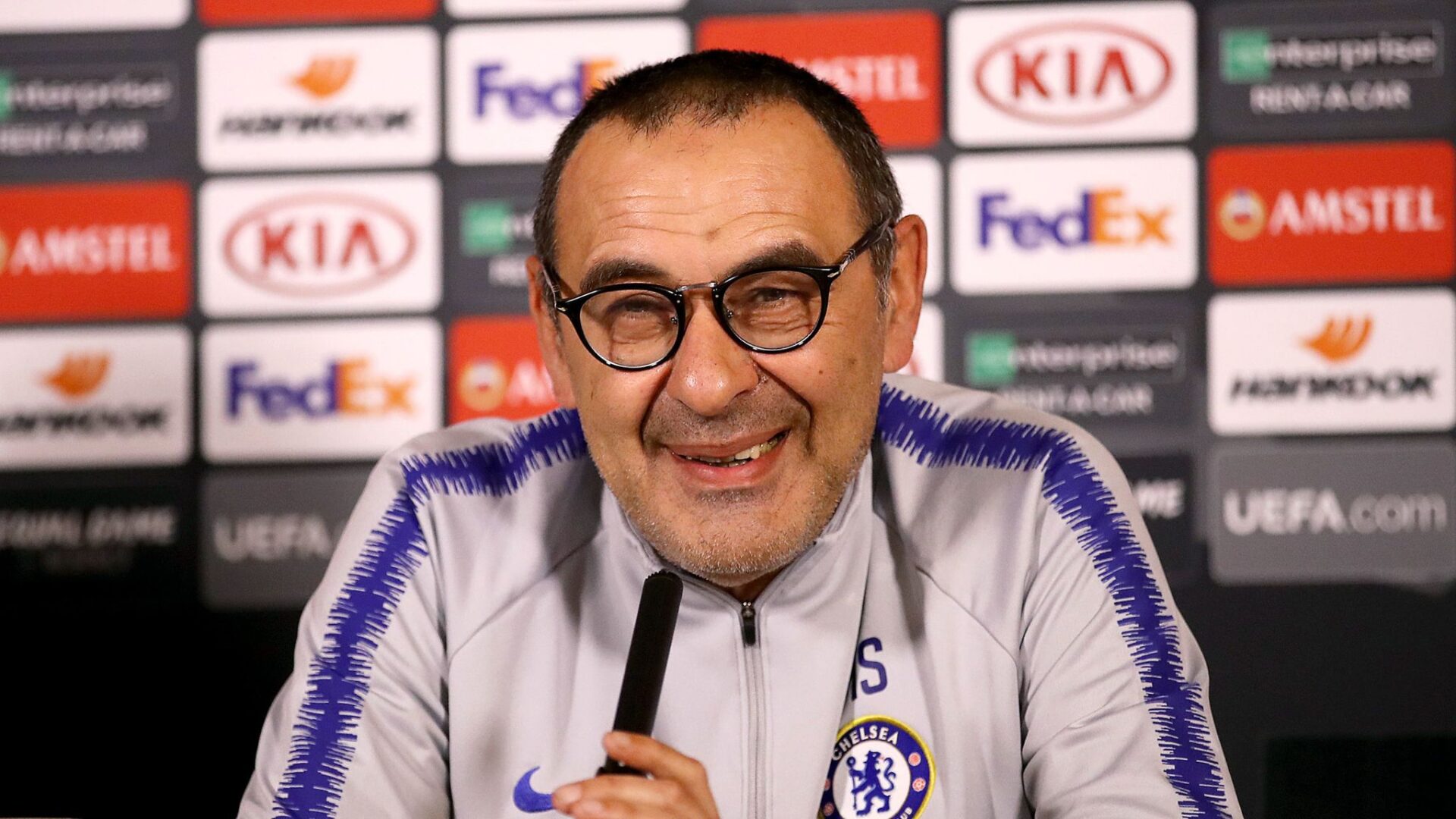
The same thing has happened to Chelsea during and post-Mourinho’s second term at the club. He has delivered such a defensive mentality; he looked only to defend the sideline club’s progress in any aspect. He was so defensively oriented and defensive at the Premier League that Chelsea had to appoint Maurizio Sarri as a manager from Serie A to change the club mentality. Chelsea started to play football with offensive preferences, loving to have the ball in their possession rather then counter attacking. He was there to change the club mentality with he did. He was cleaning up after Mourinho years after he had left Chelsea.
Pochettino remains the only manager to have created genuine synergy at Tottenham and consistently extracted maximum performance from the squad. Since his departure, Spurs have drifted into irrelevance within London, firmly placed behind Arsenal and Chelsea for more than a decade, often operating as a third- or fourth-tier force in the city.
S.Šijaković
About the Author