Srećko Šijaković
It was a story with almost no chance of success from the very beginning.
When Liam Rosenior arrived at Chelsea in January, he stepped into one of the most difficult situations in modern football: replacing a successful manager mid-project. Enzo Maresca had just left behind results, structure, and a system that had momentum.
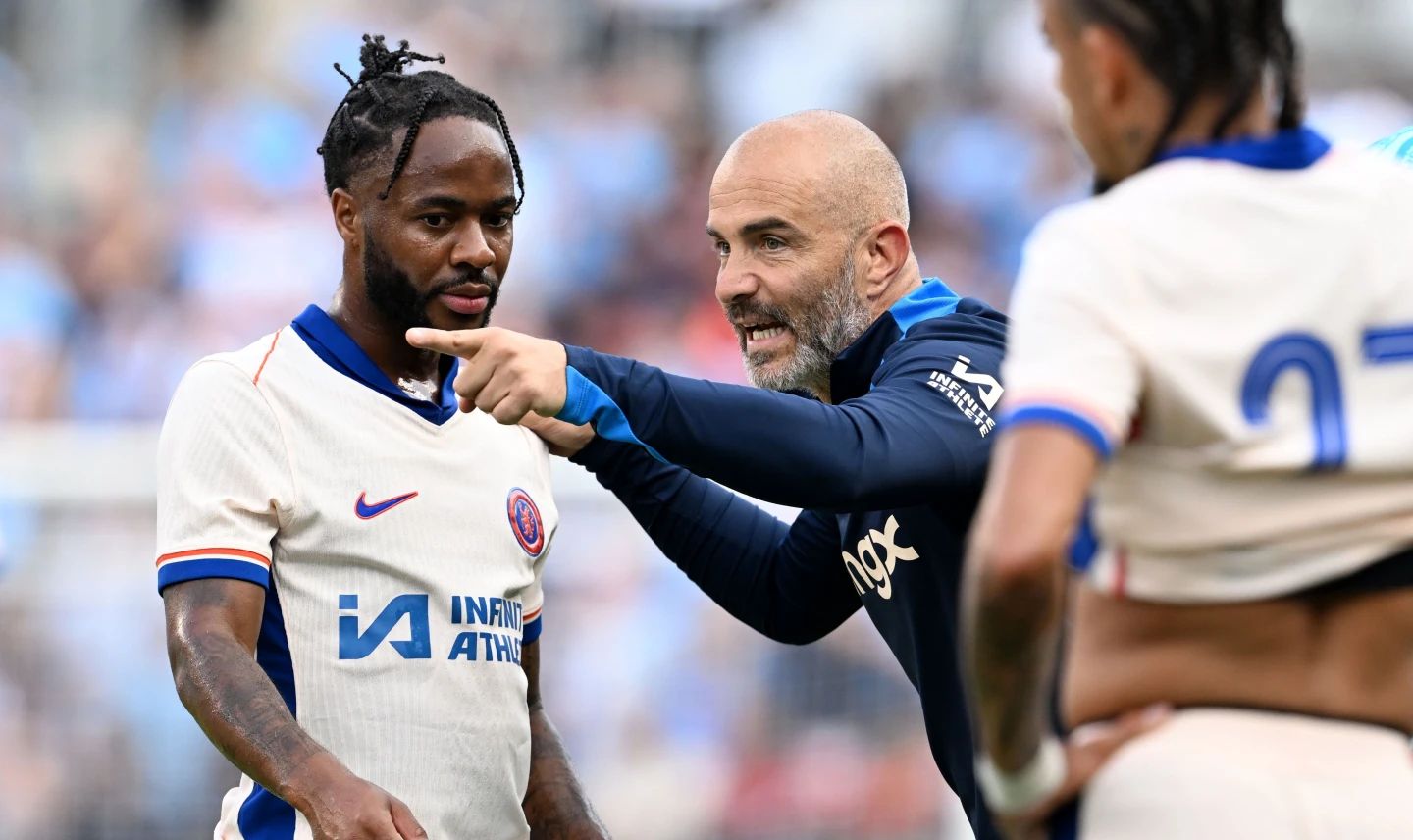
The definition of Rosenior failure by psychology and the rules of football, which is a brutal sport.
And that is where the problem begins and finishes.
He can not succeed, and he had Maresca behind him, who was the greatest. He can be better than Maresca, just like in other clubs in football; it is the same after a successful coach leaves, it makes trouble for his successor.
Sir Alex Ferguson was extremely successful, and he led Manchester United many times.
The Impossible Task
Replacing a successful manager is one of the hardest challenges in football. Replacing one immediately after success, with the same squad, is even harder.
Rosenior was handed:
- A squad he did not build
- A system he did not design
- Expectations he could not realistically meet at any cost
- players of Maresca, he inherited
Despite signing a long-term contract, which clearly showed the board’s belief in him, the reality on the pitch told a different story.
He was not stepping into a project — he was stepping into a trap.
A Tactical Identity That Collapsed
Rosenior arrived with a clear identity:
- Tactical
- Disciplined
- Defensive

But here lies the contradiction:
Chelsea, as a club, demands dominance, attacking football, and personality. Some risks were needed.
From the start, it was evident that:
- His football was too cautious
- His tactics limited creativity
- His approach did not match the club’s DNA
- Players were against him
The “Firefighter” Role was talking long-term- a problem that Rosenior could not overcome.
He was building a long-term project instead of taking a short-term survival role. The mistake from the first day.
He was greedy and thought he was too great, tactically thinking of the future. That was the trap of his mind; he made it for himself.
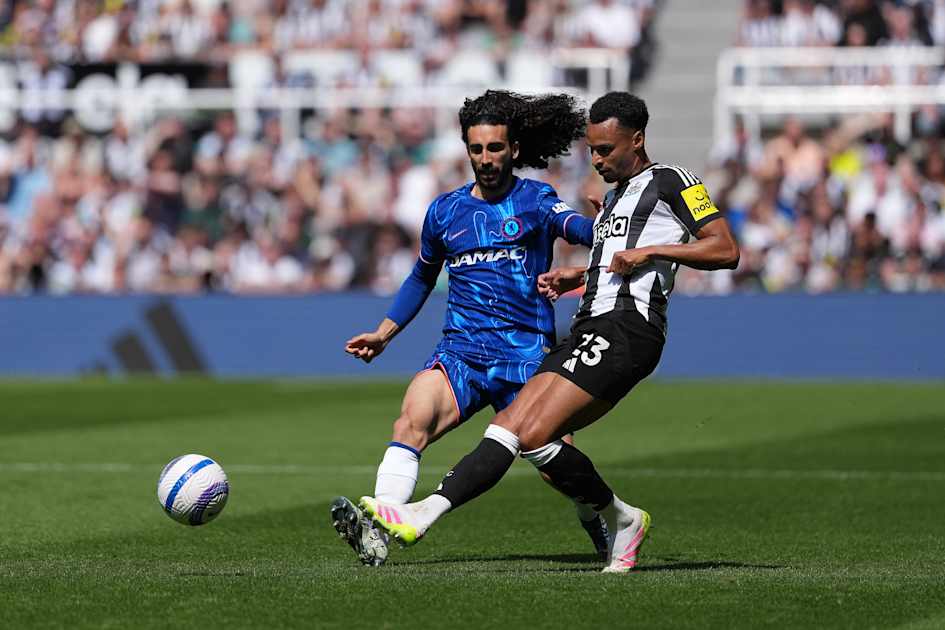
He inherited:
- Players chosen by another manager
- A dressing room shaped by different ideas
This turned him into a “firefighter coach” — someone expected to fix everything instantly, without the tools to do so.
And in modern elite football, that rarely ends well.
Why Failure Was Inevitable
Even beyond tactics, there was a deeper structural issue:
Maresca’s players were not Rosenior’s players.
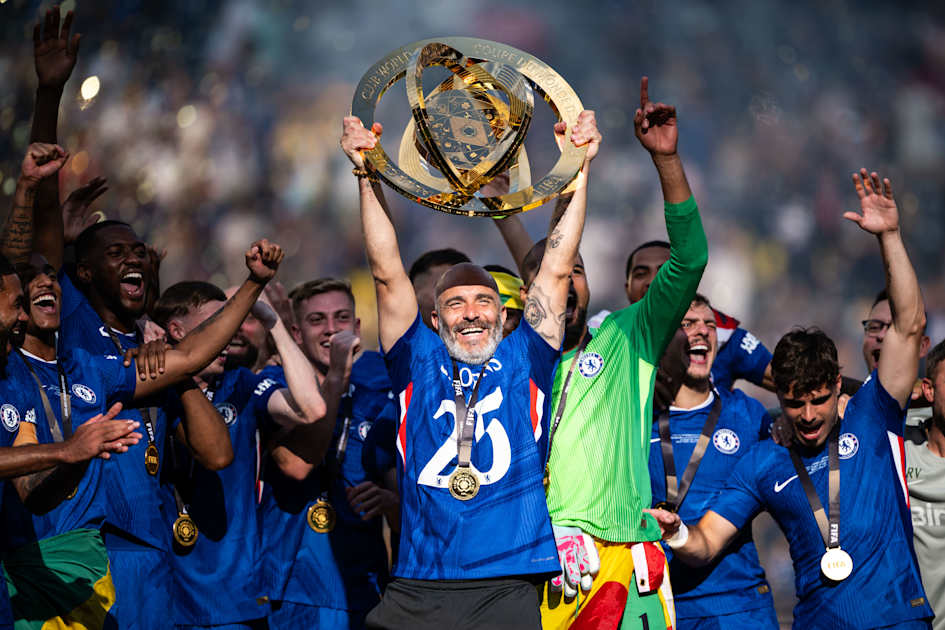
They were:
- Mentally adapted to a different system
- Technically suited to a different style
- Built for different tactics
Rosenior tried to impose control, discipline, and structure — but the squad could not execute it at the required level.
The result?
A complete tactical breakdown.
Timing: The Hidden Killer for Rosenior
The January appointment made everything worse.
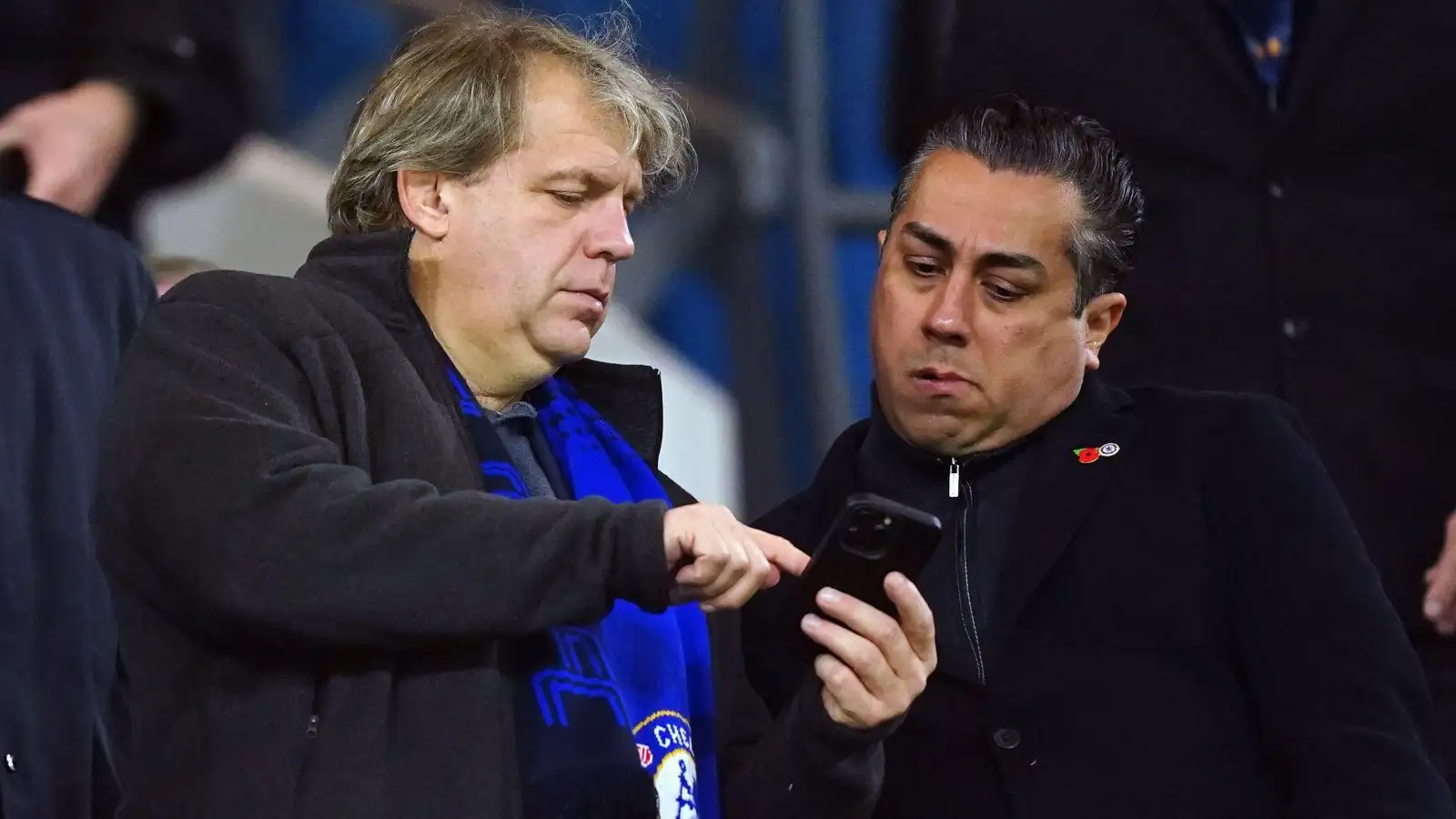
There was:
- No pre-season
- No time to implement ideas
- No transfer window flexibility
The transfer market felt like a distant illusion, not a real solution.
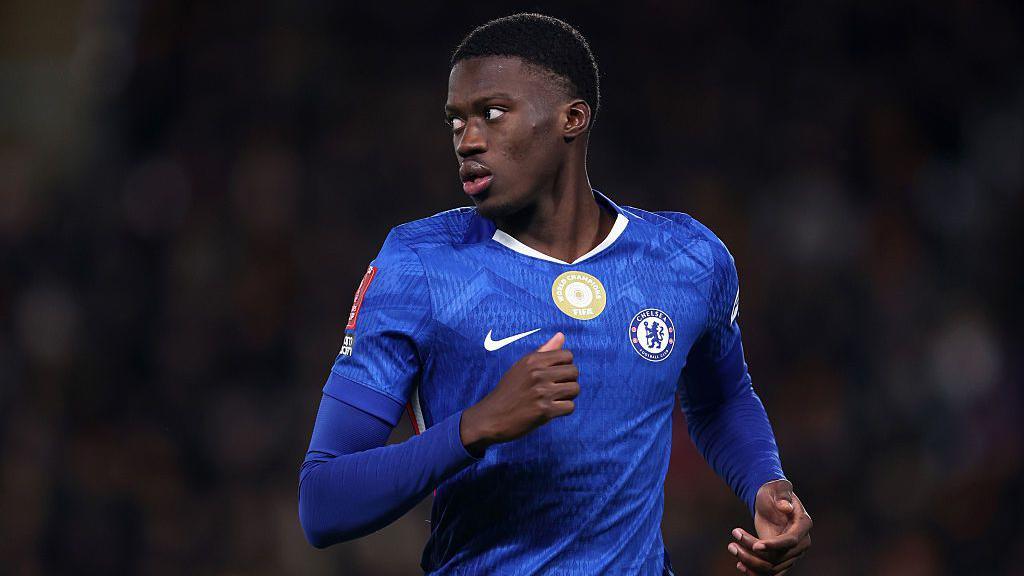
Rosenior was expected to deliver results without evolution, which is fundamentally impossible.
The End of the Experiment
Chelsea gave Rosenior a chance:
In practice:
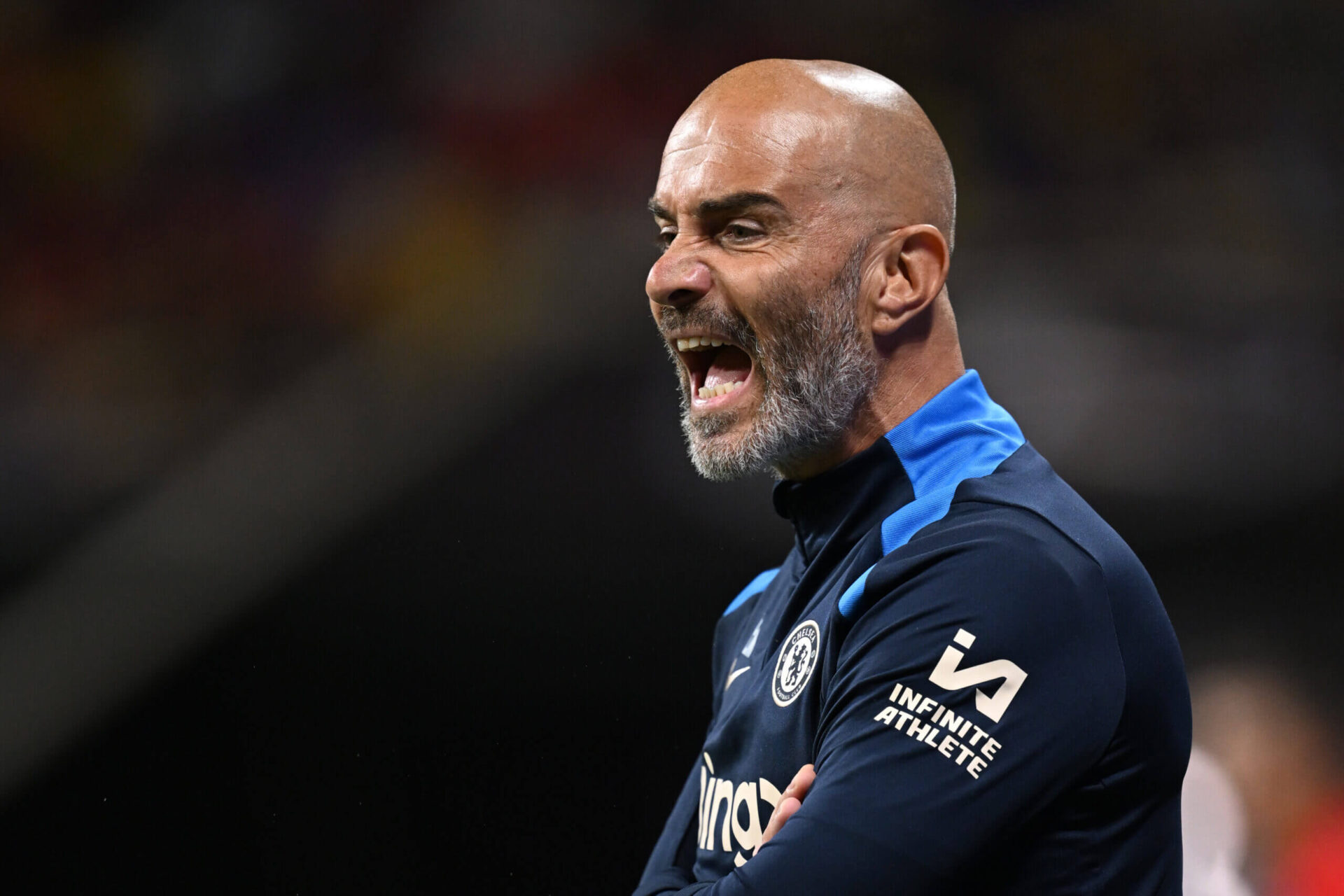
- The environment was unstable
- The squad was misaligned
- “The expectations were unrealistic because Maresca takes it too high for Rosenior.“-
- This is a point and a reason for Rosnior not succeeding at Chelsea.
His approach — calm, respectful, structured — did not survive in a system that required immediate impact.
Chelsea tried to get him and his approach, but it did not work. Owners know much more now. They tried with Rosenior; they can say that.
What Comes Next for Chelsea?
Now, Chelsea reset.

With Rosenior gone, the club is not back at the starting point — and has one crucial advantage:
Freedom of choice of new manager.
They can now define:
- Their football identity
- Their tactical direction
- Their long-term vision
Managerial Targets
Marco Silva (Fulham)
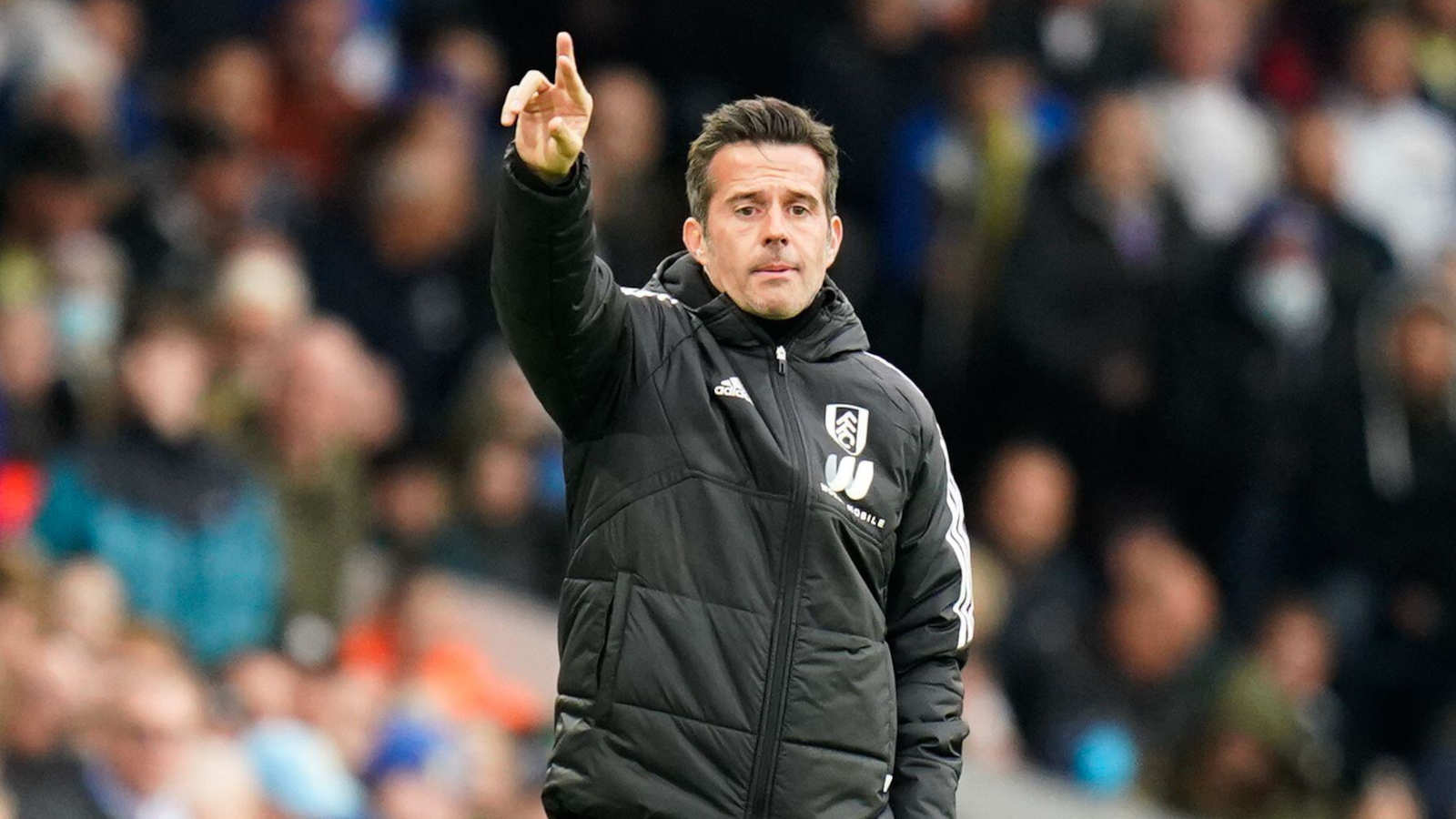
A disciplined, experienced coach who has consistently delivered results with limited resources.
- Strong structure
- Proven Premier League experience
- Builds teams through discipline and identity
A safe, stable option.
Common to Maresca.
Andoni Iraola (Bournemouth)
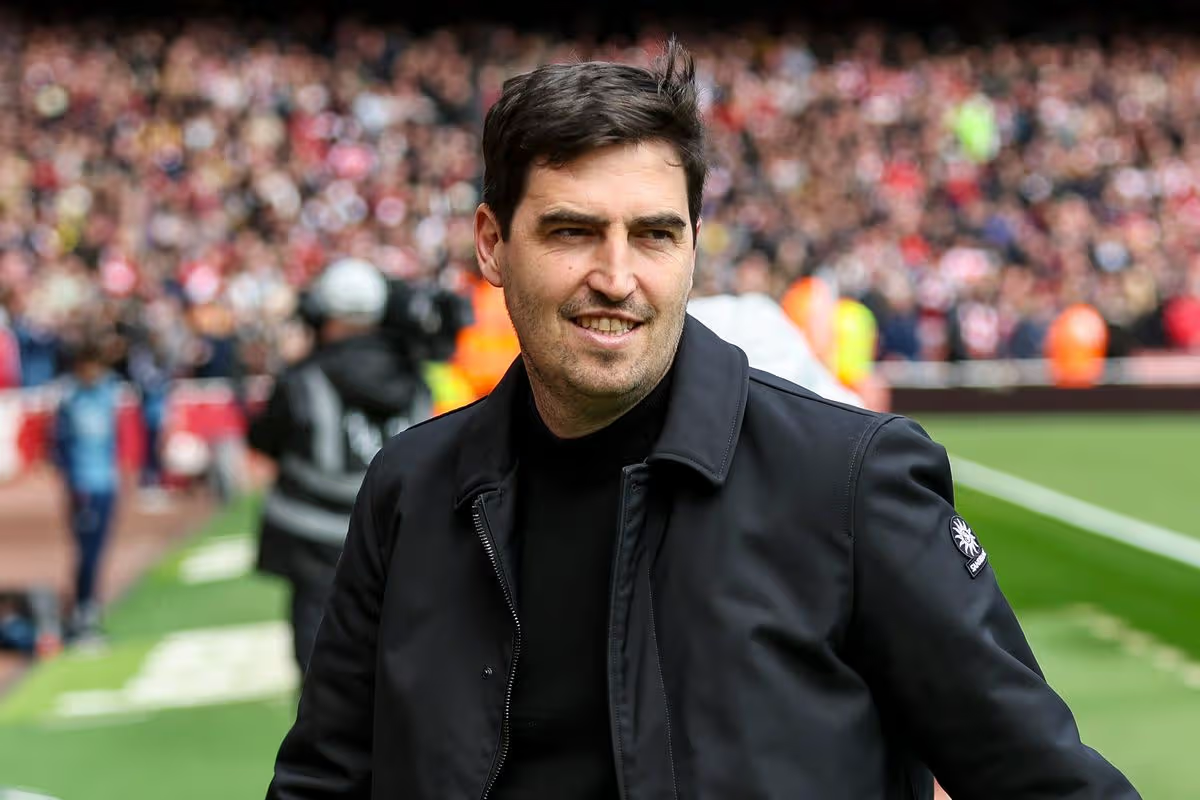
A completely different profile:
- High-intensity football
- Tactical aggression
- Player development focus
His football is modern, dynamic, and closer to what Chelsea need.
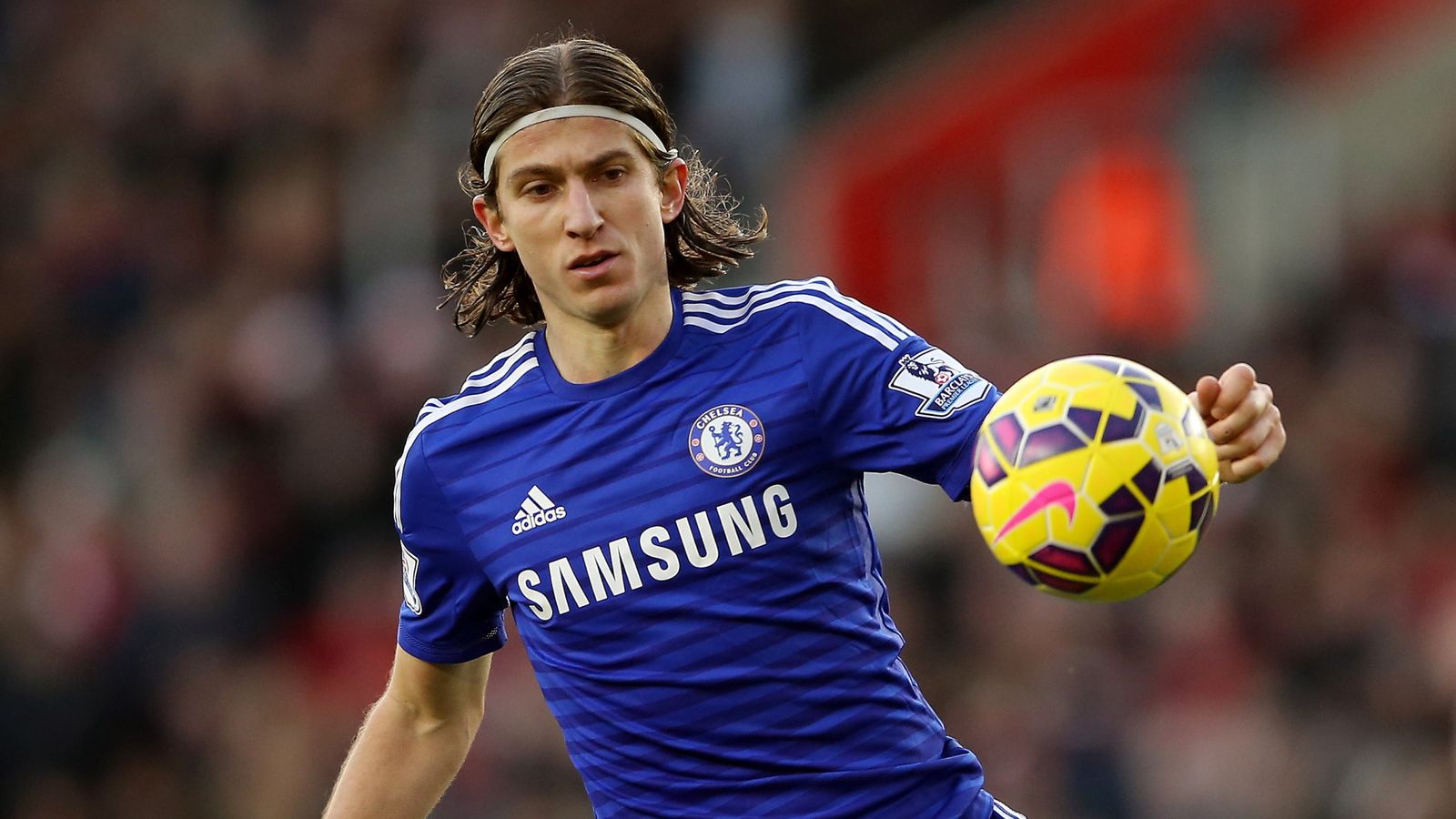
Luis Felipe
A more emotional and symbolic option.
However, he lacks the managerial weight required for a project of this scale. Owners of Chelsea might think he is not a big enough name to get the role.
Final Thought
Rosenior did not fail in isolation.
He failed within a system that:
- Did not fit him
- Did not support him
- Did not reflect his ideas
Until Chelsea align:
- Squad
- Manager
- Strategy
…this cycle will continue.
Maybe this time it will be the right circle and the right manager.
Chelsea has time to choose smart, and Ronenior no longer occupy that position.
About the Author