The Chelsea Manager Is the Most Demanding Position in the World
 Srećko Šijaković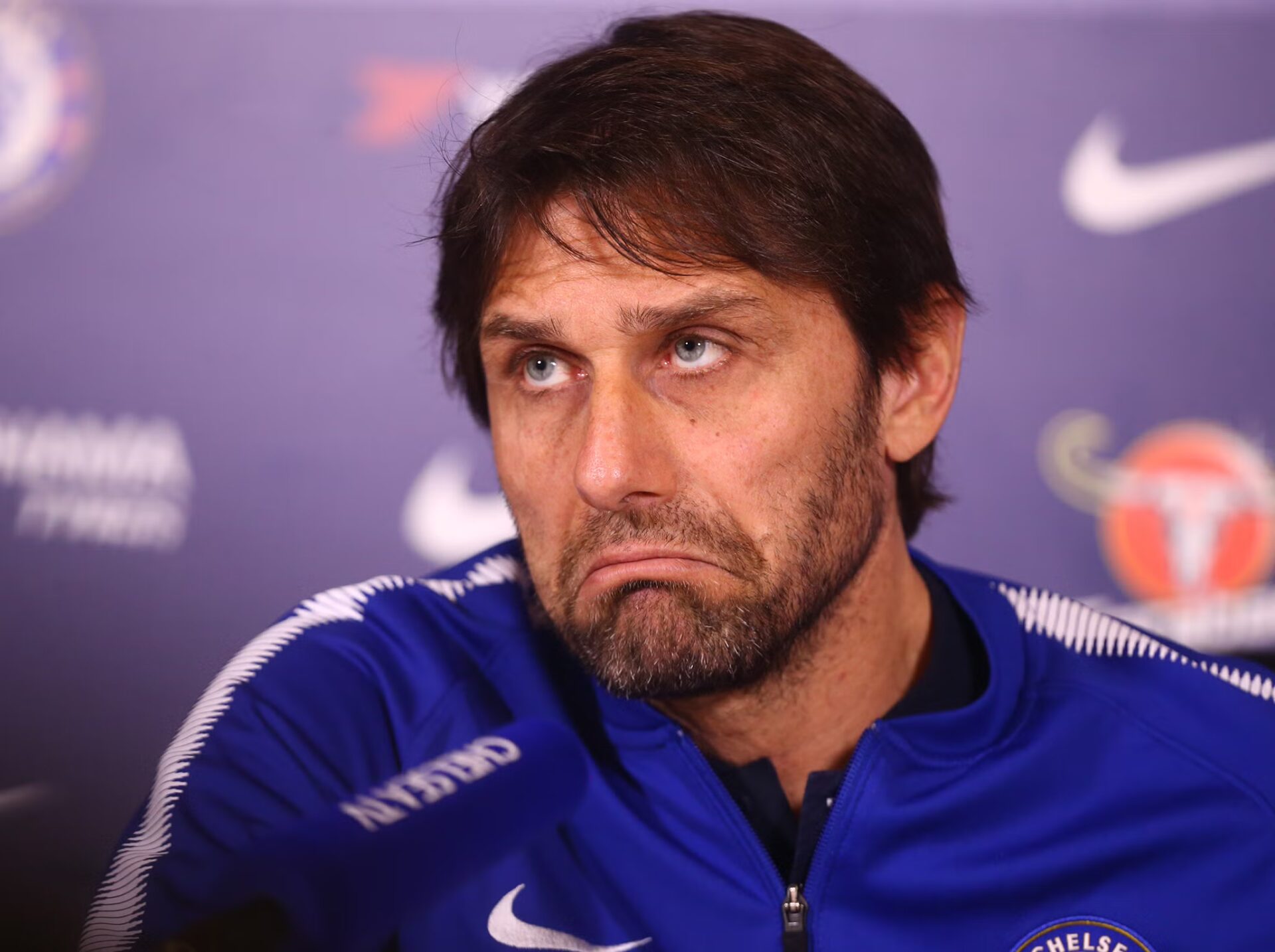
The Chelsea manager’s job has become one of the most volatile and unforgiving roles in modern football. Carlo Ancelotti is no longer at the club, and his departure is just one example in a long history of abrupt managerial changes that have defined the Roman Abramovich era.
The position has been repeatedly reshaped by frequent turnover, with managers dismissed quickly and often harshly, leaving many to move on and significantly scale back their ambitions after leaving Stamford Bridge.
“André Villas-Boas, for example, never publicly detailed the circumstances of his dismissal from Chelsea. He was brought in by Roman Abramovich partly because the club owner sought a younger version of José Mourinho, whom he had previously sacked.“
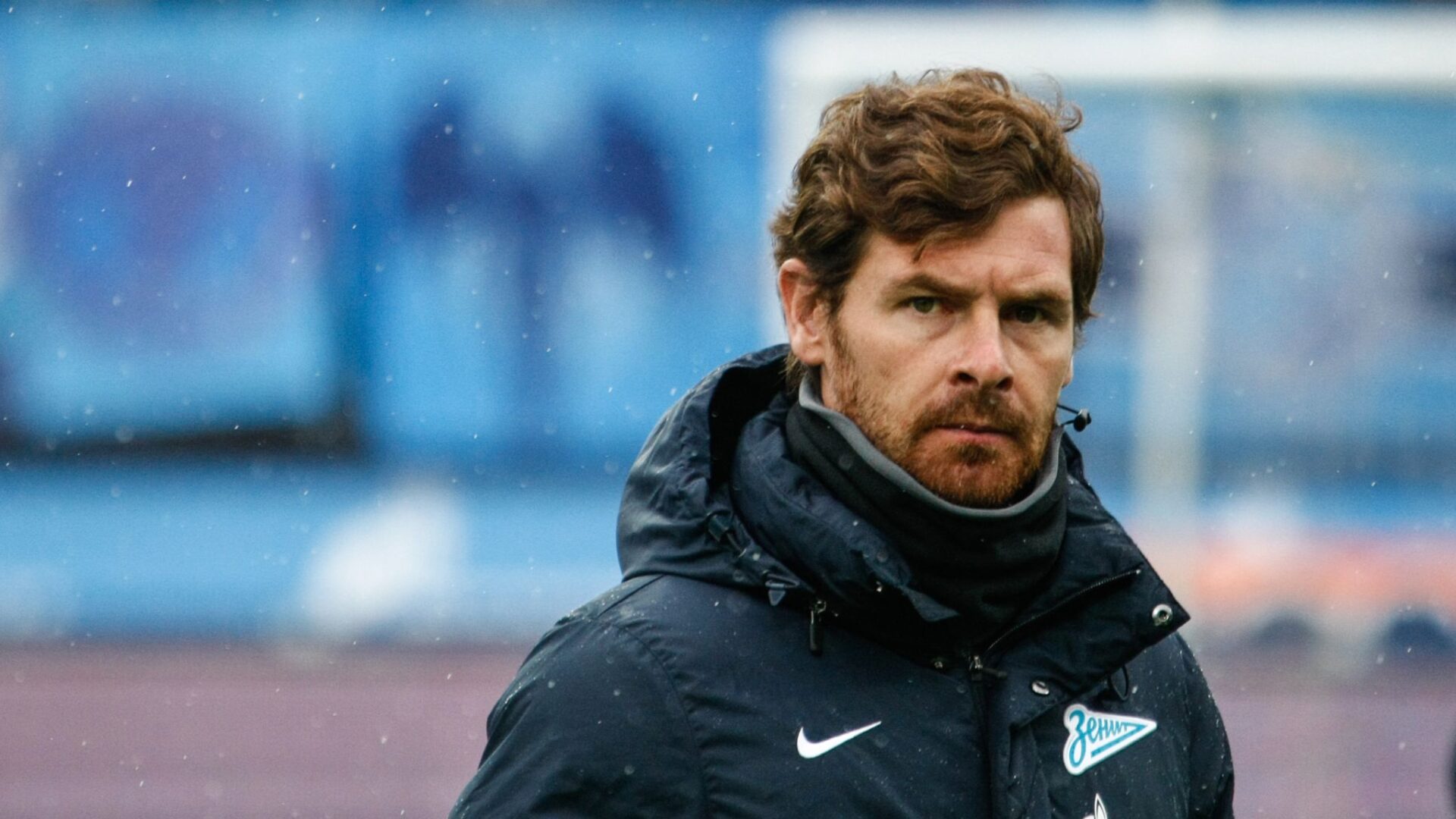
Pure madness about Andre Villas-Boas, we know… But the truth.
At Chelsea, managerial dismissal has often been treated as an administrative necessity rather than a sporting failure — a decisive break rather than a process of rebuilding trust. Once the ownership decides there is no viable path forward, the manager is removed with little room for recovery.
The sacking machine.
This structural instability has defined Chelsea’s modern identity. The club has spent heavily under Russian ownership, but constant managerial turnover has undermined continuity. The focus on names and short-term fixes has repeatedly collided with the long-term demands of squad building.

Even high-profile coaches such as Ancelotti, Antonio Conte, Maurizio Sarri, Thomas Tuchel, and Mauricio Pochettino have all experienced this cycle in different forms — success followed by abrupt departure.
Now, under a new ownership model, Chelsea attempted a reset by appointing a young coach on a long-term project. Enzo Maresca was given a multi-year mandate, yet the squad he inherited was already shaped by transition, inconsistency, and imbalance.
Even if the cycle continues, the pattern is clear. We have seen how it ends.
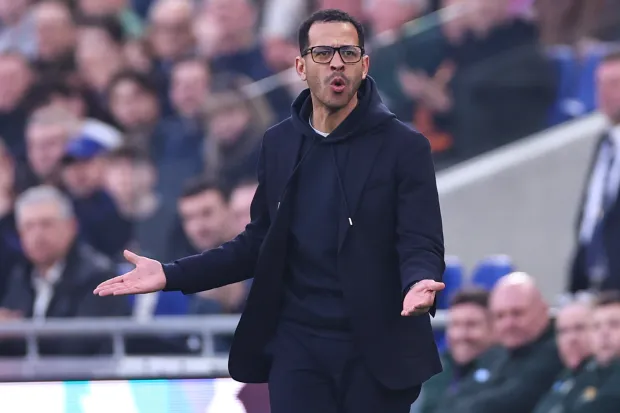
“If Liam Rosenior failed to change anything despite being regarded as a tactically sharp coach, then only a truly elite, world-class football expert can stabilise this club. Chelsea do not need another experiment — they need a proven specialist.“

That is why Xabi Alonso is at Chelsea and not Liverpool. Chelsea no longer need another promising tactician; they need an expert. Liam Rosenior and Andoni Iraola represent modern tactical ideas and coaching development, but Chelsea have already travelled down that road. What the club needs now is a genuine football authority — someone capable of restoring order to a project that has lost its direction.
Managers such as Carlo Ancelotti and Antonio Conte have also experienced Chelsea’s ruthless structure in different ways. Conte, for example, builds everything around character, intensity, and collective mentality. But Chelsea today requires something even more precise: a coach who can combine tactical authority with structural control over the entire football operation.
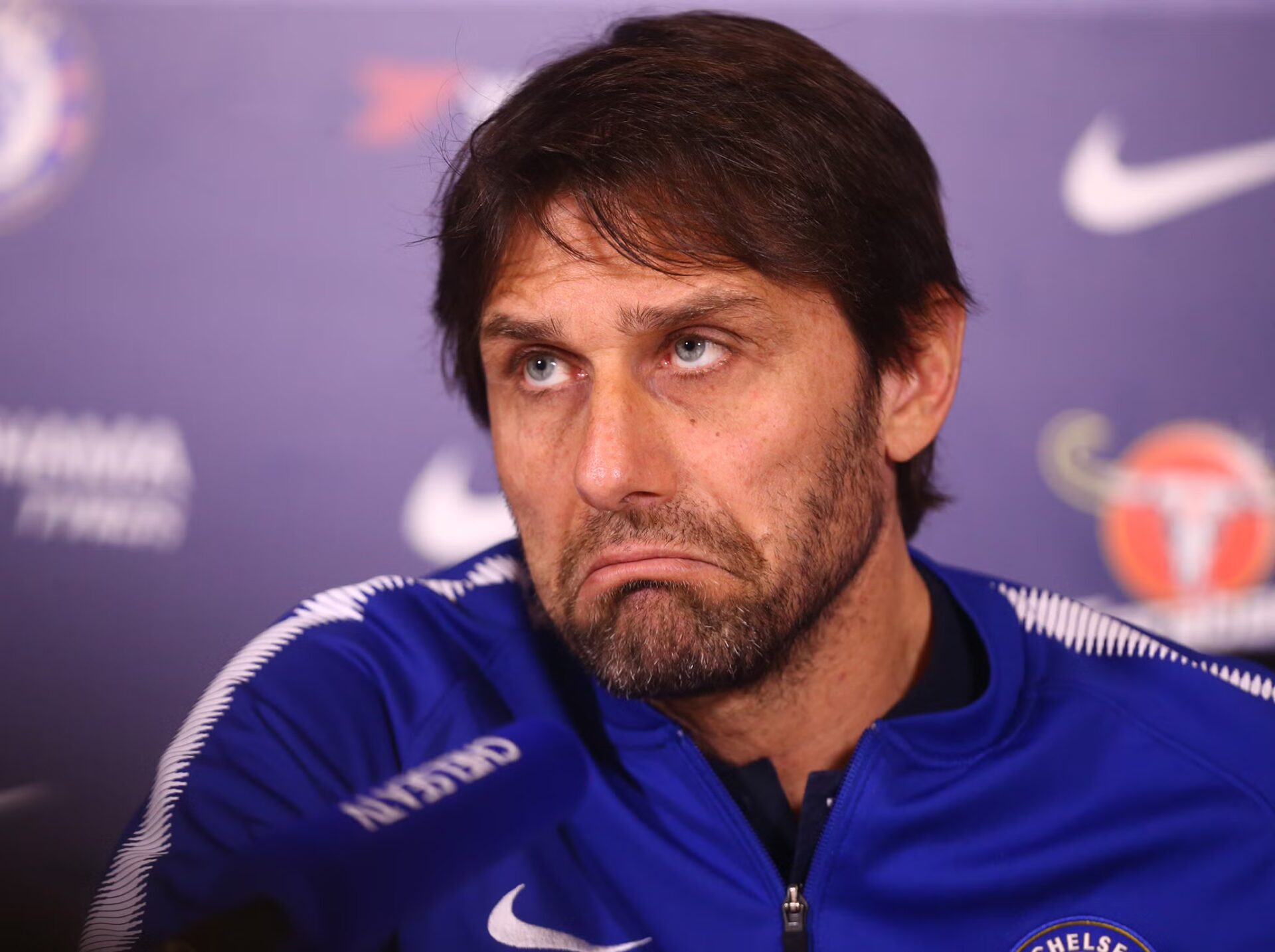
There is no Roman Abramovich era anymore, but the consequences of that period still shape perceptions of the club. Heavy spending and constant managerial turnover created a system where stability was never truly allowed to develop.
And so the question remains the same: who can actually succeed at Chelsea in this environment?
Because history suggests that talent alone is not enough — only control, clarity, and long-term authority can survive there.
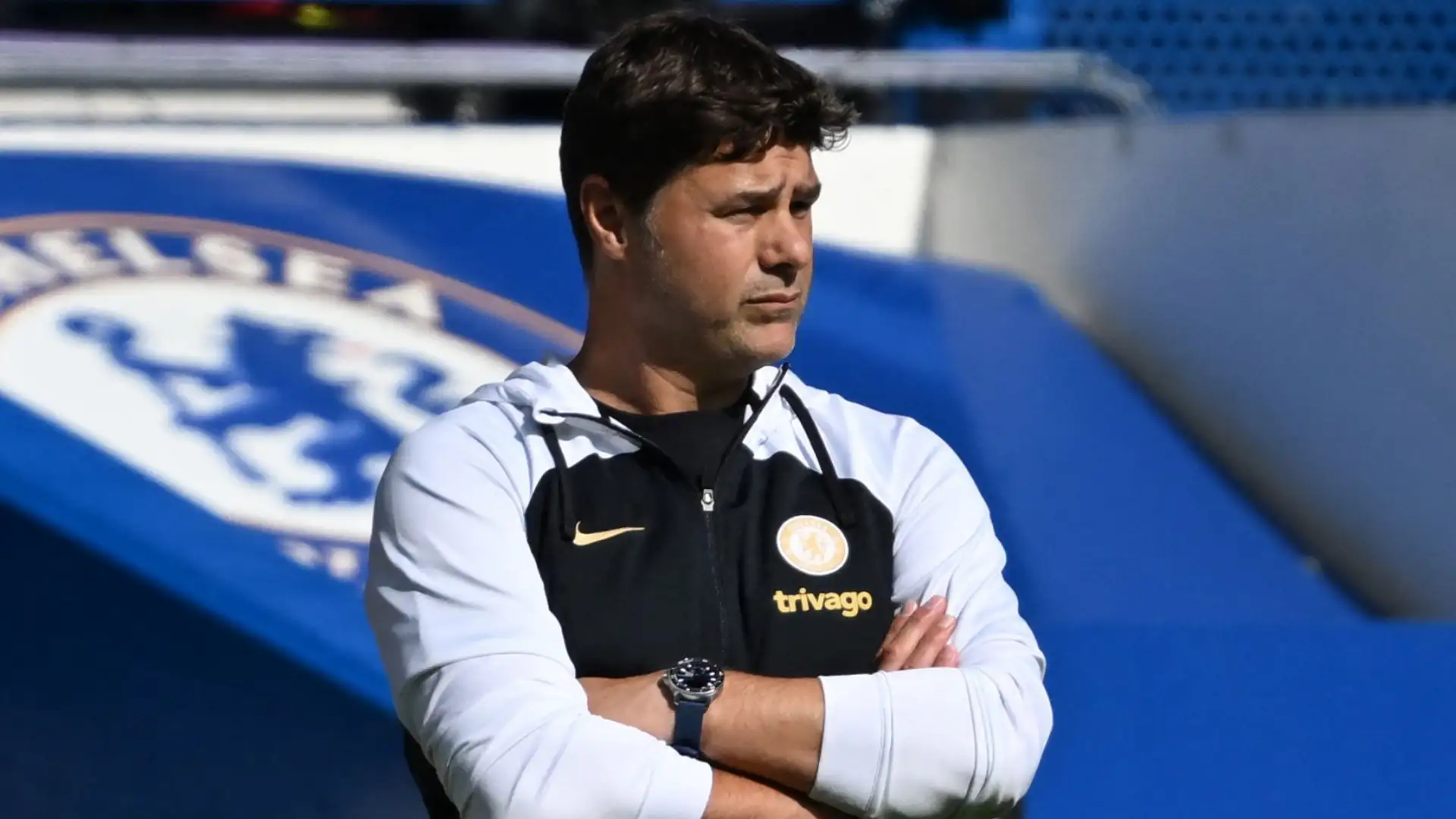
The reality remains the same: Chelsea is a club where managerial stability is the exception, not the rule. Even promising projects are judged quickly, and pressure builds rapidly when results do not immediately align with expectations. The Rosenior case.
Whether the cycle can finally be broken remains uncertain. But history suggests that at Chelsea, the manager is always the first and easiest point of change.
About the Author