
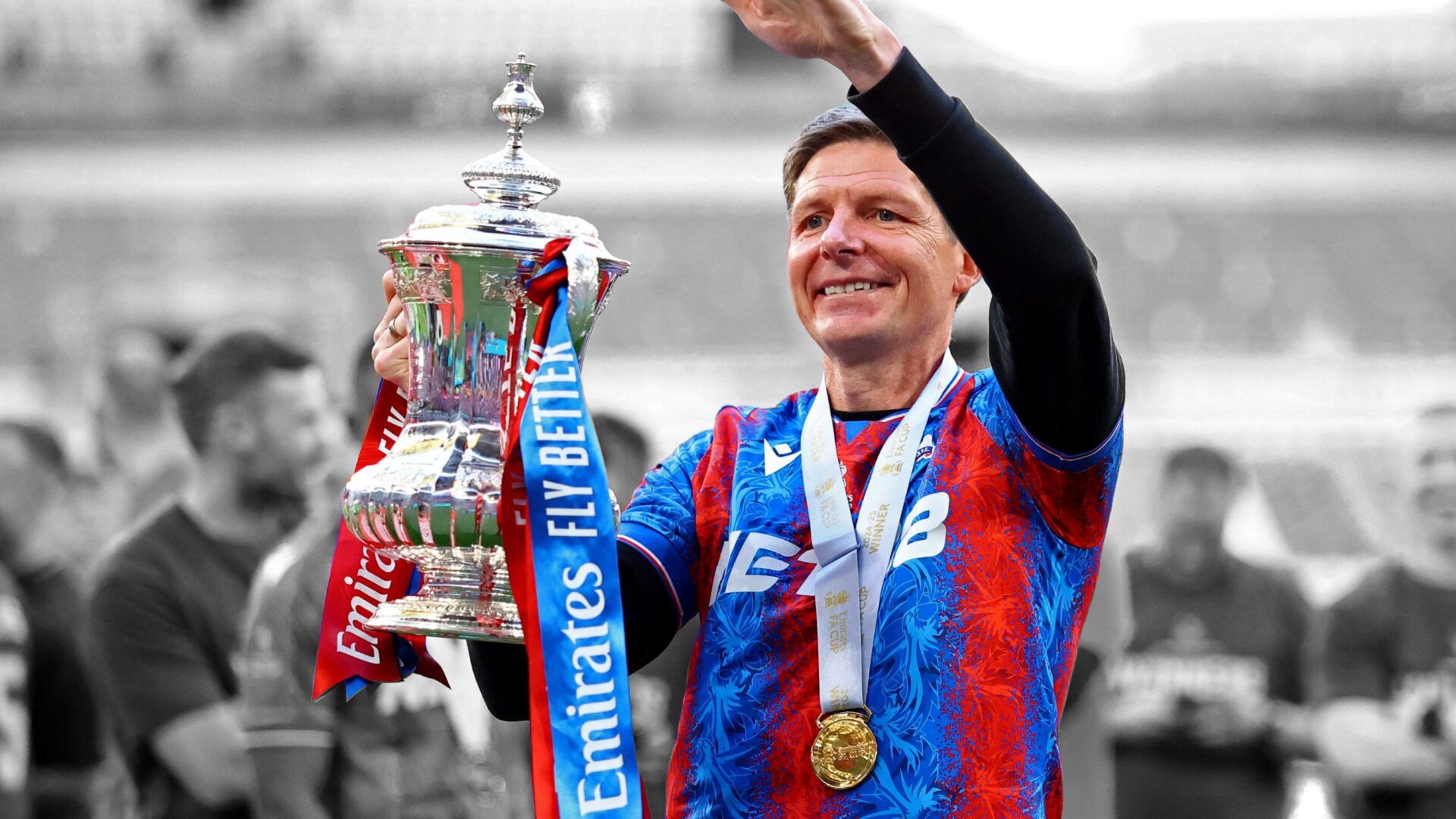
Instead of stabilising and building on success after winning the FA Cup last season (the real and historic English cup), the club’s board collapsed at the first serious test. Last summer, they attempted to sell their best player, Marc Guéhi, behind the back of manager Oliver Glasner. Liverpool’s offer for Guéhi on the final day of August was accepted internally, which understandably caused major tension. Glasner blocked the transfer, wanted to leave the club, but was temporarily persuaded to stay after being assured that Palace’s ambitions were much higher.
That summer should have been a turning point. The club had momentum, strong performances, and a clear football identity under Glasner. Marc Guéhi’s importance on the pitch was immeasurable, and keeping him became a symbol of Palace’s supposed commitment to progress, stability, and competing for trophies. But it was all a lie from the club, club officials, owners, structure and the board.
However, once the situation calmed and Palace officially rejected Guéhi’s transfer, promises were quietly broken. As Glasner later confirmed, Guéhi was sold before a crucial match against Manchester City, not after. In doing so, the club abandoned its manager, the players, and the supporters. Crystal Palace betrayed everyone who genuinely wanted success for the club.

The board and the owners lied to Oliver Glasner last summer to persuade him to stay at the club.
Oliver Glasner stayed last summer after being misled by the board. The club later sold Guéhi for €20 million more than they could have received had he left for free the following summer. Glasner is the manager who led Palace to qualify for the Europa League and to play European football this season. However, due to the club’s ownership structure—specifically their majority stake in Olympique Lyon, who qualified for the Europa League—Palace were demoted to the Conference League. Nottingham Forest, originally set for the Conference League, were promoted to the Europa League after UEFA’s ruling.
Once again, the club failed its manager, players, and fans. Their legal team was unable to defend what the team had earned on the pitch.
Gleasner won the Community Shield with Cristal Palace, not only the FA Cup. He beat Liverpool in the final. They were in a good position.
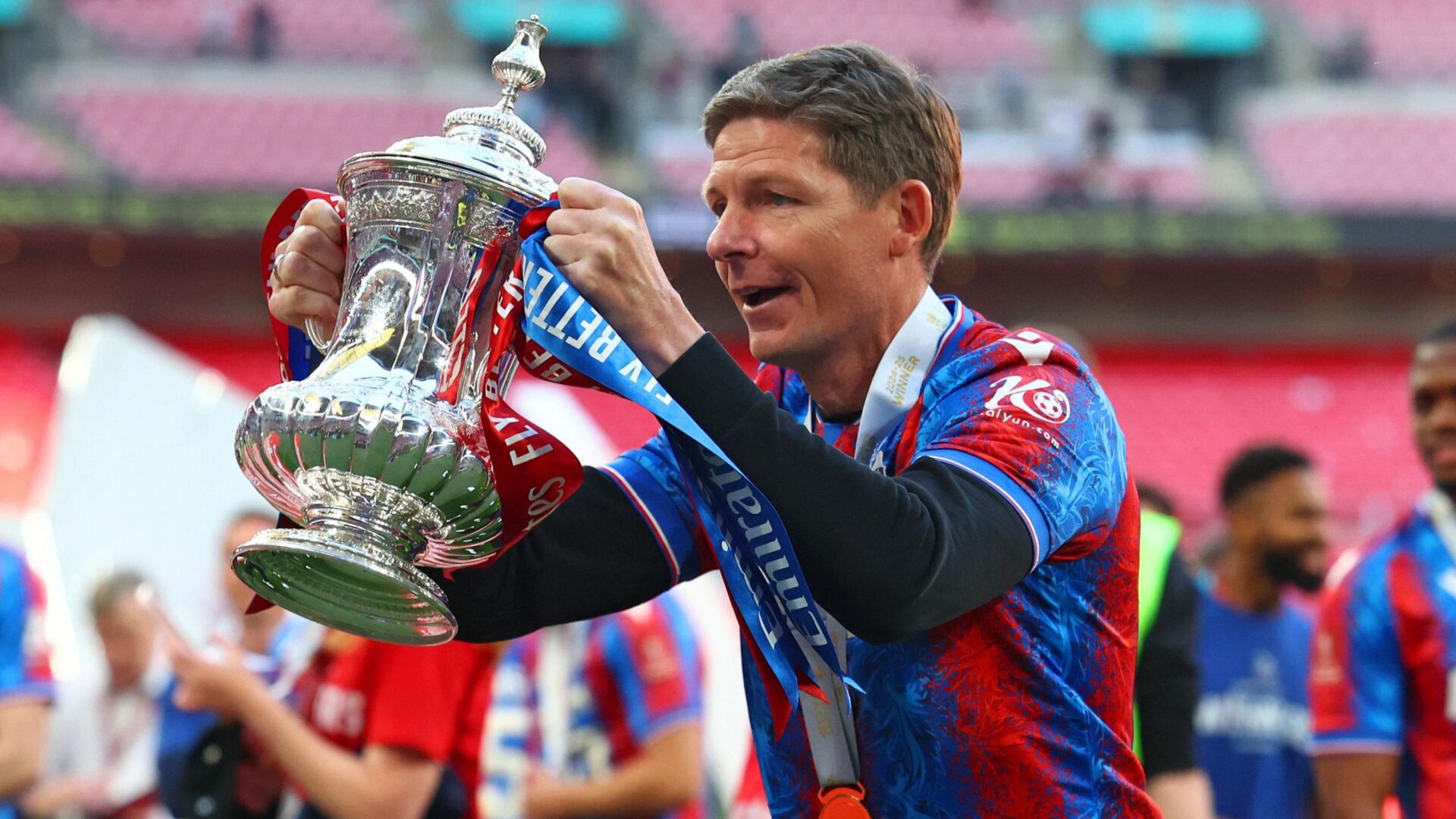
Under Oliver Glasner, Crystal Palace won the FA Cup and also lifted the Community Shield at the start of the season—the traditional curtain-raiser in English football, played a week before the Premier League begins between the league champions and FA Cup winners. Glasner brought tactical discipline and identity, and delivered the club’s first major trophy. He was not rewarded for that success.
He wanted continuity, not regression through selling key players. Palace had previously reached two FA Cup finals (1990 and 2016), but Glasner delivered the first triumph in the club’s history. His ambitions were clear: retain the core of the squad, strengthen intelligently, and push for further trophies and long-term Premier League relevance.
Instead, the board failed on every level—particularly due to complex multi-club ownership issues that led Palace to be excluded from the second major European competition entirely. Eventually, they sold Marc Guéhi in a transfer saga that dominated headlines worldwide.
Oliver Glasner is a symbol of the good times that were in front of Crystal Palace!
Oliver Glasner remains Crystal Palace manager. He is a man who wanted to take the club to unprecedented heights, who gave everything when Palace needed him most, and who envisioned Crystal Palace becoming one of England’s major clubs—and potentially much more.
Glasner has not been sacked, nor can Palace realistically afford to dismiss him. However, the board has destroyed the club’s structural vision, its emotional connection with supporters, and its footballing ambition. Driven by greed and transfer fees, they rejected progress and embraced mediocrity.
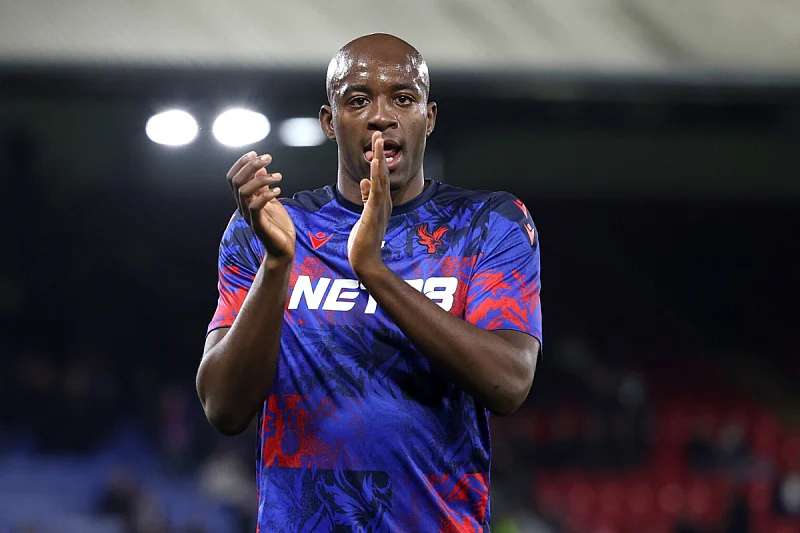
Mateta will surely leave Palace in January. But he is a fantastic striker who scores many goals in the Premier League. Why are they selling him in the middle of the season? Easy money for the board, maybe!
After Juventus and Aston Villa both showed interest in Jean-Philippe Mateta, and Palace failed to clearly commit to keeping him, the striker officially submitted a transfer request. Unlike Palace, Aston Villa are actively seeking attacking reinforcements to improve efficiency and competitiveness in the Premier League. Because it is important for them, and they are competing.
They just needed to go after the manager and support him! They had to follow his guidance and guidelines, avoid selling their best players, and go after improving the squad. They should go after the club’s well-being and gain success. But there was money involved in this case.
Crystal Palace needed only one thing: to stand behind their manager, retain their key players, and strengthen sensibly. Instead, the board chose money. As a result, the club has sunk toward the lower half of the table and become a stepping stone—a short option for managers who are there in transition rather than a manager’s serious long-term project.
Oliver Glasner remains the manager of Crystal Palace.
About the Author