Srećko Šijaković
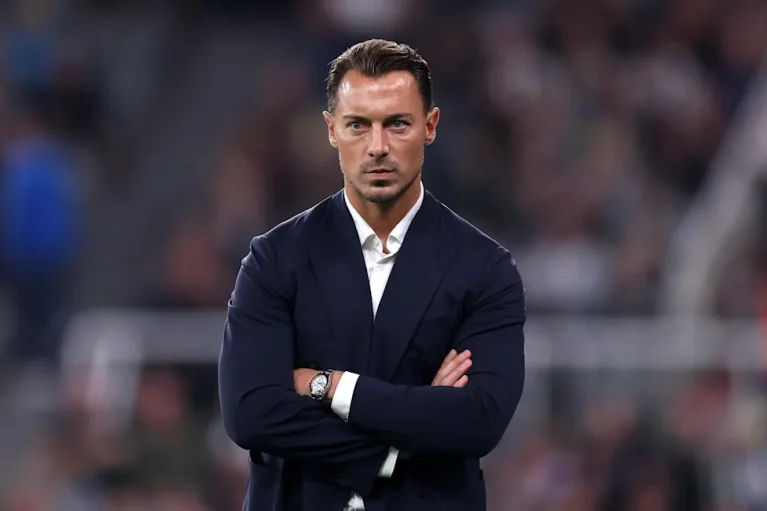
 Many were extremely sceptical about the way Mauricio Pochettino was managing the United States national team. They believed he was using the fact that he was coaching the World Cup hosts to buy himself time and create favourable conditions for his own work.
The prevailing view was that the United States would not be able to sustain its form and would eventually collapse under the pressure of its own expectations.
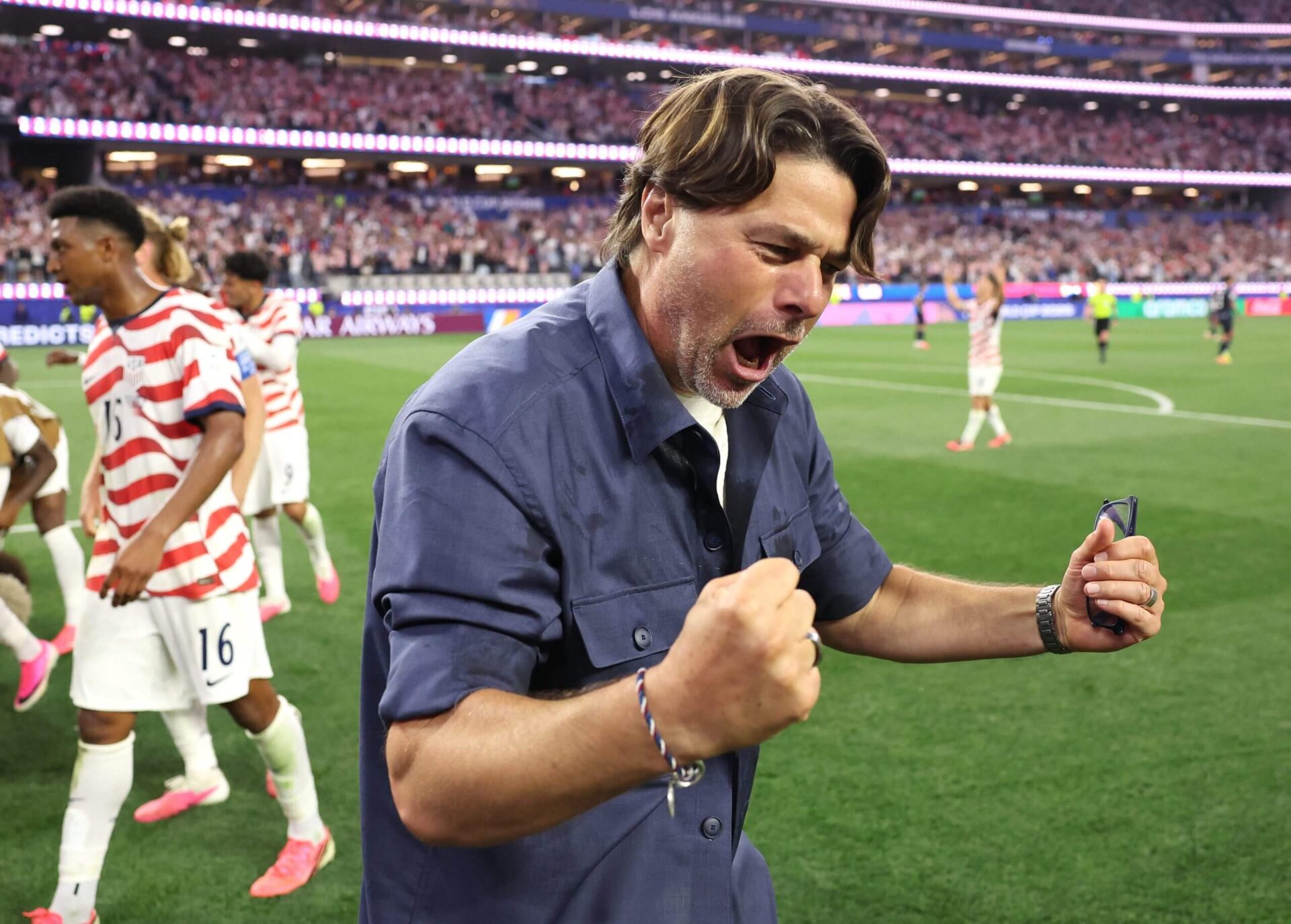
He never revealed the true strength of his team and handled the pressure in the smartest possible way.
In modern football, where players are becoming younger and younger, pressure is often the force that destroys ambitions, confidence, and even entire careers. Pochettino understood that reality. Rather than allowing expectations to grow uncontrollably, he protected his squad from unnecessary noise and external distractions before the tournament.
“The result is a team that arrived at the World Cup mentally fresh, emotionally stable, and fully prepared for the challenges ahead.”
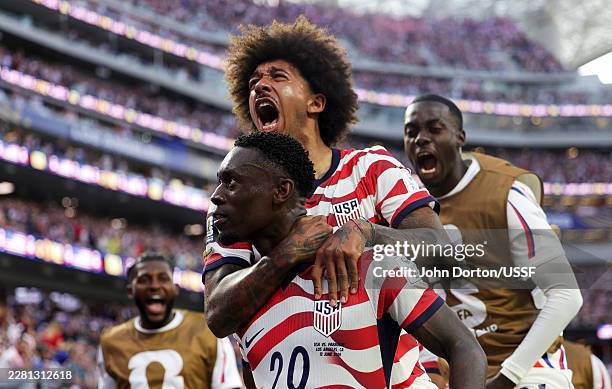
Now he rotates and again makes the pressure disappear. He manages the pressure on the player.
The United States are, so far, the best team of the tournament.
The United States are, so far, the best team of the tournament. In two matches, they have shown the most serious and most convincing football of any side. They also look highly efficient in the final third, with a clear understanding of how to score goals at the highest level.
Their conversion rate is impressive, and their attacking structure is functioning at a very high level. The team is well-connected between the lines, and each unit complements the others effectively.
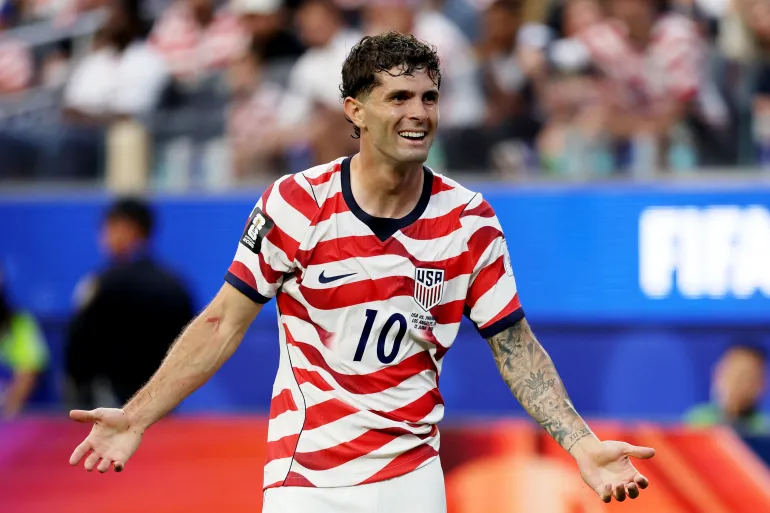
Pochettino, however, has demonstrated his quality. He did not talk much, he did not create media noise, and he never revealed the true strength of his team before the tournament.
The Argentine coach has shown more than any other manager at this World Cup so far. After two rounds and two matches played, the United States looks like the strongest and most convincing team at the tournament.
Their friendly matches were exactly that — friendly matches.
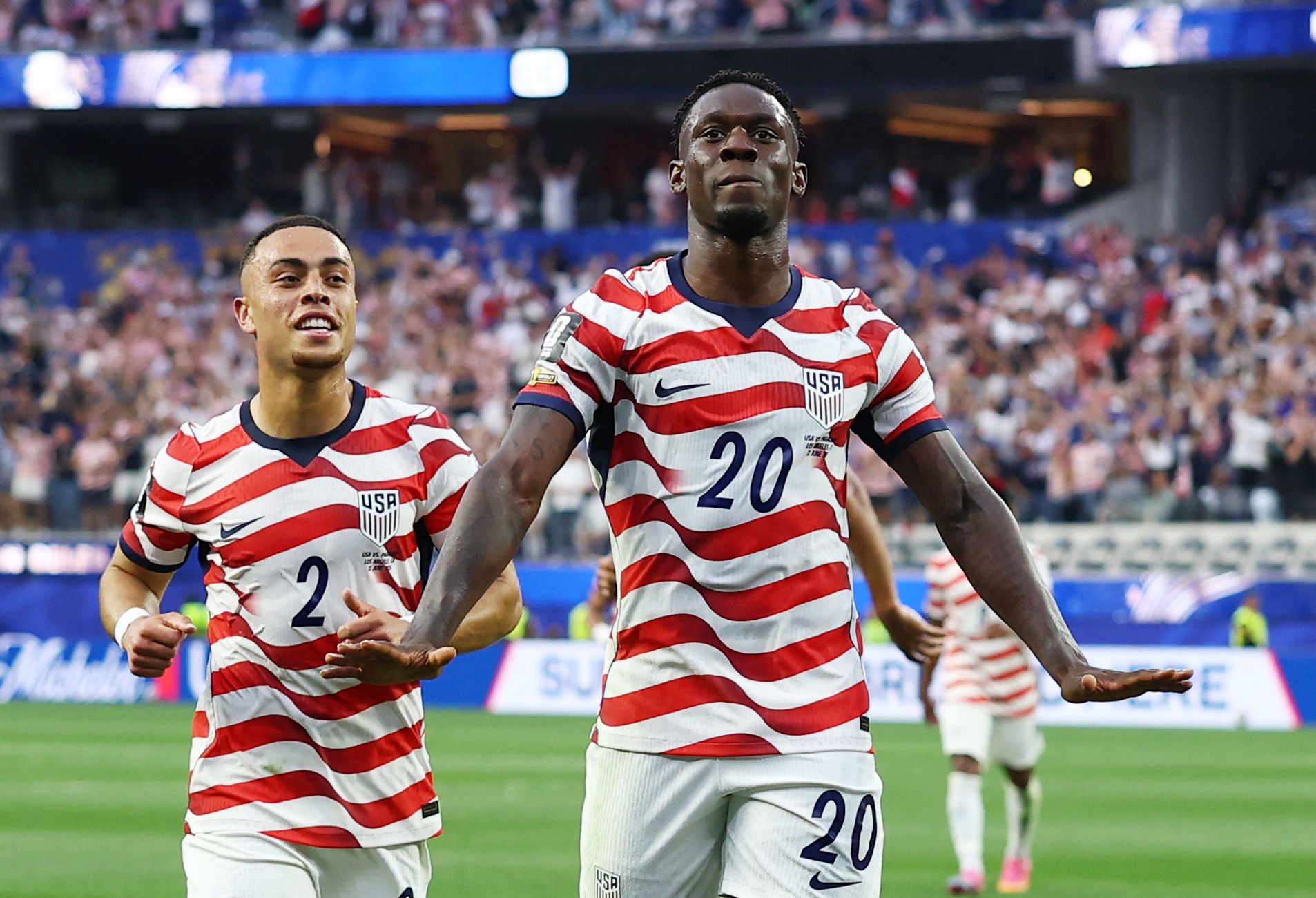
The team has timed its form perfectly. They did not create unnecessary hype before the competition, and they did not place additional pressure on themselves. Their friendly matches were exactly that — friendly matches. They played with freedom, used those games to build chemistry, and gradually constructed what we are now seeing on the pitch.
USA players play football that is so great. Between midfield and attack, the rhythm is great. They impose their play style with a deadly rhythm, carting with a great tempo of attack. They control the situation on the field and are creating very good chances to score.
Turkey were the opposite.
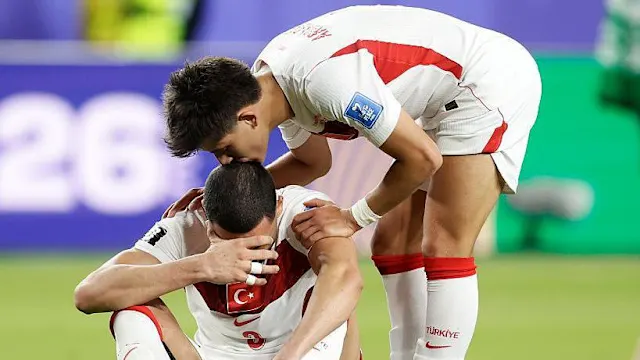
Turkey were eliminated because they were not good and clinical in creating chances. In the last third of the opponent’s side, they did not exist.
Turkey were eliminated because they simply were not good enough in the final third. They lacked quality, composure, and clinical execution when creating chances.
For all of their effort and intensity, Turkey were almost non-existent in attacking areas. Once they entered the opponent’s final third, their attacks lost structure, purpose, and conviction.
USA: The playing style. The way they are playing.
Pochettino has assembled a team that is exceptionally decisive in attack. Their attacking structure is impressive, while opponents are placed under constant pressure. The forward passes exhaust opponents and force them into prolonged defensive phases.

The role of the left winger is particularly important in Pochettino’s system. That player attacks defenders directly, while the rest of the team maintains an excellent structure behind the ball. The young and energetic players move naturally into space, creating a fluid and dynamic style of football.
The small number of mistakes further increases the intensity of their play, making their tempo devastating for opponents.
Pochettino is smart!
There is another important aspect to this team. While the United States possesses excellent energy and remarkable cohesion between its lines, Pochettino does not demand maximum intensity from his players for all ninety minutes.
At certain moments, he deliberately slows the game down.
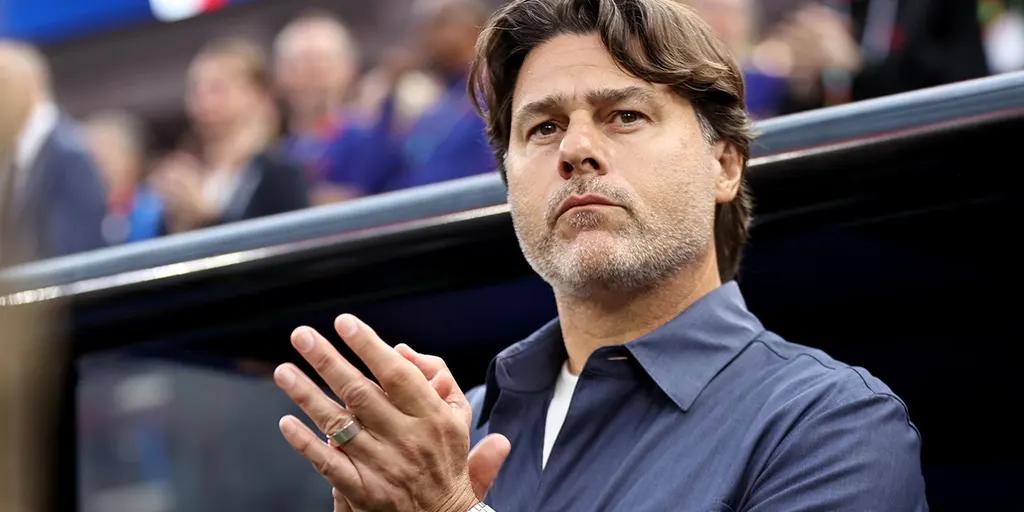
When he wants to preserve the energy of his squad, the United States begins building from deeper positions and invites the opposition to step forward. As a result, this team is unlikely to exhaust itself too early or physically collapse later in the tournament.
It looks fully prepared to navigate difficult moments and challenging situations that every champion must overcome on the road to a trophy.
Marco van Basten and the Netherlands keys.

The Netherlands made a similar mistake in 2008 under Marco van Basten. The Dutch produced some of the best football of the tournament during the group stage, and many expected them to defeat Russia comfortably. Instead, they suffered elimination. Van Basten failed to find the right balance between peak form and long-term sustainability, something that later became a defining characteristic of elite coaches.
About the Author