
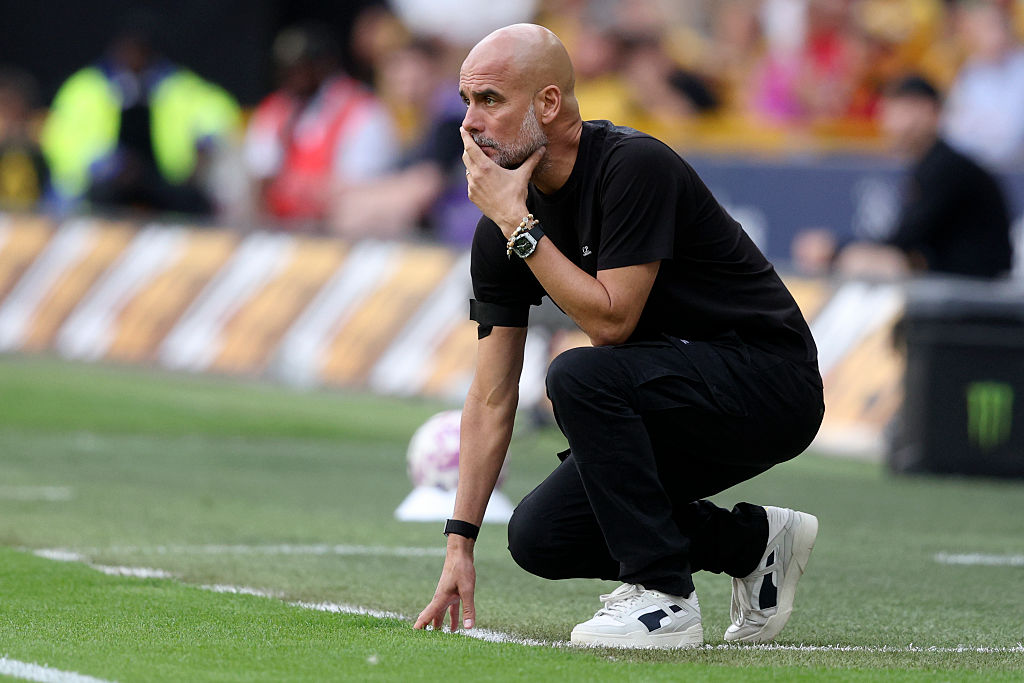
Manchester City’s approach toward clubs such as Bournemouth and Crystal Palace reflects a clear lack of respect. Backed by immense financial power, City operate with a sense of superiority, using high wages and the appeal of regular Champions League football, and also City offers to the player a chance to win the Premier League every season. This creates the situation of arrogance, where smaller Premier League clubs are treated as stepping stones.
The situation surrounding the Marc Guéhi transfer reinforces this perception. City’s handling of the deal appears dismissive toward Crystal Palace as a club and toward Oliver Glasner as a manager.
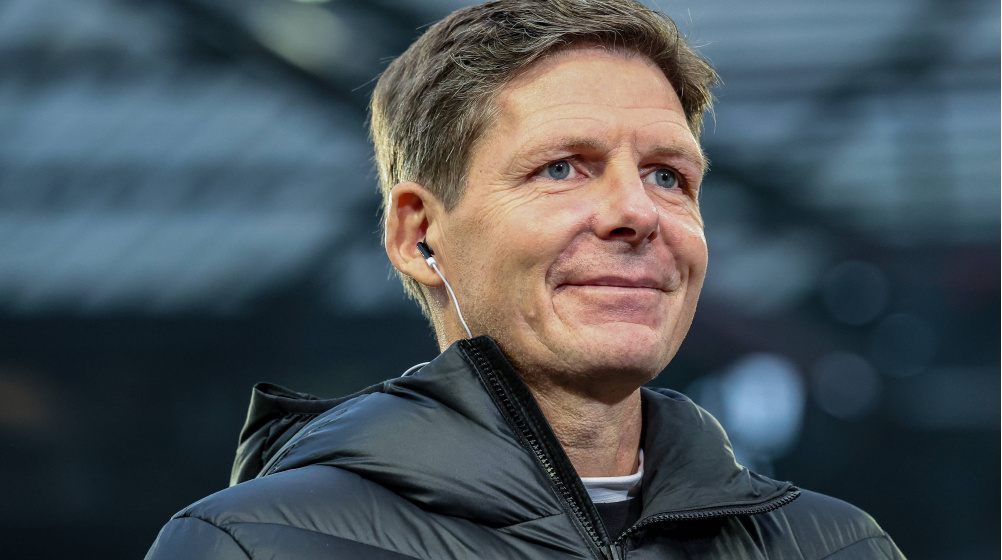
Manchester City demonstrate a clear absence of loyalty and emotional attachment to the concept of club identity. Their willingness to spend large sums on players who are already available on free transfers or for significantly reduced fees within a few months highlights a purely transactional mindset. In this model, financial power replaces patience, planning, and respect for the natural cycle of contracts, reinforcing the perception that money is used to dominate rather than to build sustainably.
It is like when Bayer Munich had a monopoly in Germany:

This approach mirrors the method Bayern Munich previously employed when acquiring key players and star figures from Borussia Dortmund. By targeting rivals’ core assets and leveraging financial superiority, the strategy weakens competitors while strengthening the dominant club, further underlining a system driven by control and opportunism rather than loyalty or genuine sporting rivalry.
Manchester City have effectively turned Bournemouth and Crystal Palace into direct adversaries through their conduct and transfer behaviour. By repeatedly approaching players and situations in a manner perceived as dismissive and financially aggressive, City have created lasting resentment rather than professional rivalry. This has pushed relationships beyond normal competitive boundaries.
As a result, future encounters between these clubs will carry added tension and significance. When they meet again, it will not be treated as just another fixture, but as a confrontation shaped by past actions, unresolved grievances, and a sense that respect has been replaced by hostility.
Bournemouth and Crystal Palace are also football clubs, and they exist just like City exists. There are now both small and big clubs. The boards of Bournemouth and Crystal Palace must stop selling.
The Bournemouth case:

There are no small or big clubs in football, only successful clubs and those that are less successful. Bournemouth are a clear example of this reality. Had they not sold key players such as Huijsen, Kerkez, and Semenyo, they would have been genuine title contenders in the Premier League and regular participants in the Champions League by now. The quality of that squad, combined with continuity, had the potential to sustain success over multiple seasons at the highest level.
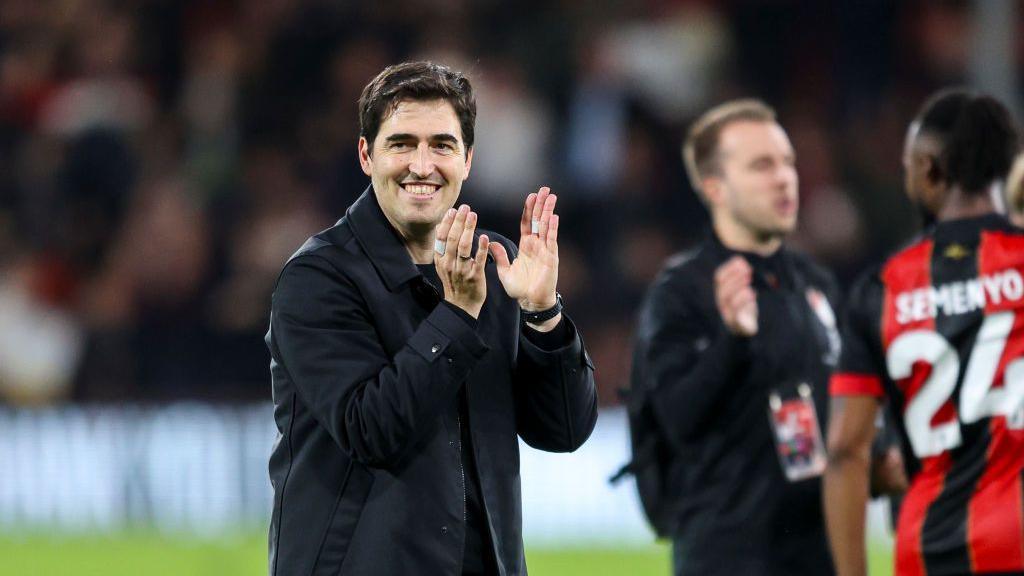
Bournemouth possessed a team capable of achieving Champions League football and a manager with the tactical ability to deliver it. This was already demonstrated through strong winning runs and consistent performances against top opposition. With stability and ambition, they would now be firmly involved in the title race and established among Europe’s elite.
Instead, the club chose to prioritise large transfer fees over sporting progression. By selling core players, they dismantled a team that was on the verge of something exceptional. The result has been a loss of momentum, reduced competitiveness, and a squad left without the support and structure it once had. A side that could have been extremely successful has instead sacrificed its future potential, leaving Bournemouth outside the top positions and far from the level they were capable of reaching.
Crystal Palace represent the same case, but in an even more severe form. The club’s board shows little genuine concern for long-term success, instead continuing to sell key players and weaken the squad. Despite historic achievements, ambition has been replaced by short-term thinking and low ambition.

The manager who delivered the first major trophy in Crystal Palace’s history, Oliver Glasner, has not been properly supported and is now set to leave due to the club’s limited ambitions. Winning the FA Cup should have marked the beginning of a new era, but instead it exposed a lack of commitment from the hierarchy.
The overall picture at Crystal Palace is deeply concerning. A club that should be building on historic success is instead stagnating, stripped of ambition and identity. The situation is painful to witness and represents a profound disappointment, with the club’s future looking increasingly bleak.
Bournemouth and Crystal Palace fans are the ones most deeply harmed by this situation.
These clubs were not built to function as selling platforms for their best players, but to compete, progress, and achieve sporting success. Their identity is rooted in growth and ambition, not in acting as intermediaries for wealthier clubs.
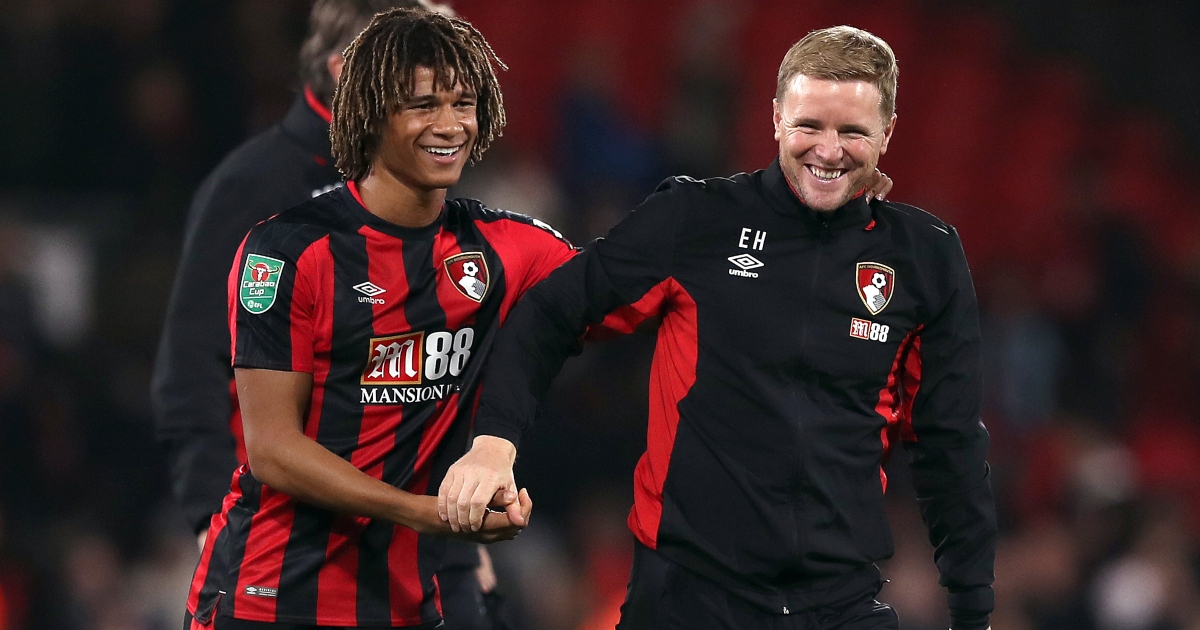
The current model is profoundly damaging to both institutions. By repeatedly losing key players, the clubs are prevented from building continuity, belief, and long-term success. What should be competitive football projects are instead reduced to financial exercises, leaving supporters disillusioned and emotionally exhausted. This system undermines the very purpose of these clubs and erodes the connection between fans and the teams they love.
Bournemouth and Crystal Palace are clubs with real supporters, people who genuinely love and live for their teams. These clubs have structure, identity, and ambition, and they exist as football institutions in a way that goes far beyond a financial system. Their way of thinking is fundamentally different from Manchester City’s model, which often appears detached from tradition and emotional connection. Unlike City, these clubs are not built on disrespect or entitlement.

If Bournemouth or Crystal Palace were stable Champions League teams, they would not be forced into selling players such as Semenyo to Manchester City. The issue is not quality or value, but financial pressure and imbalance. Their boards should not be forced into rotating players purely for money, because these clubs are not inferior to Manchester City in sporting or cultural terms. They deserve to compete, to grow organically, and to be respected on equal footing within the league.
The ugly side of the Manchester City project. Guardiola is an excuse for spending billions. When will it all stop?
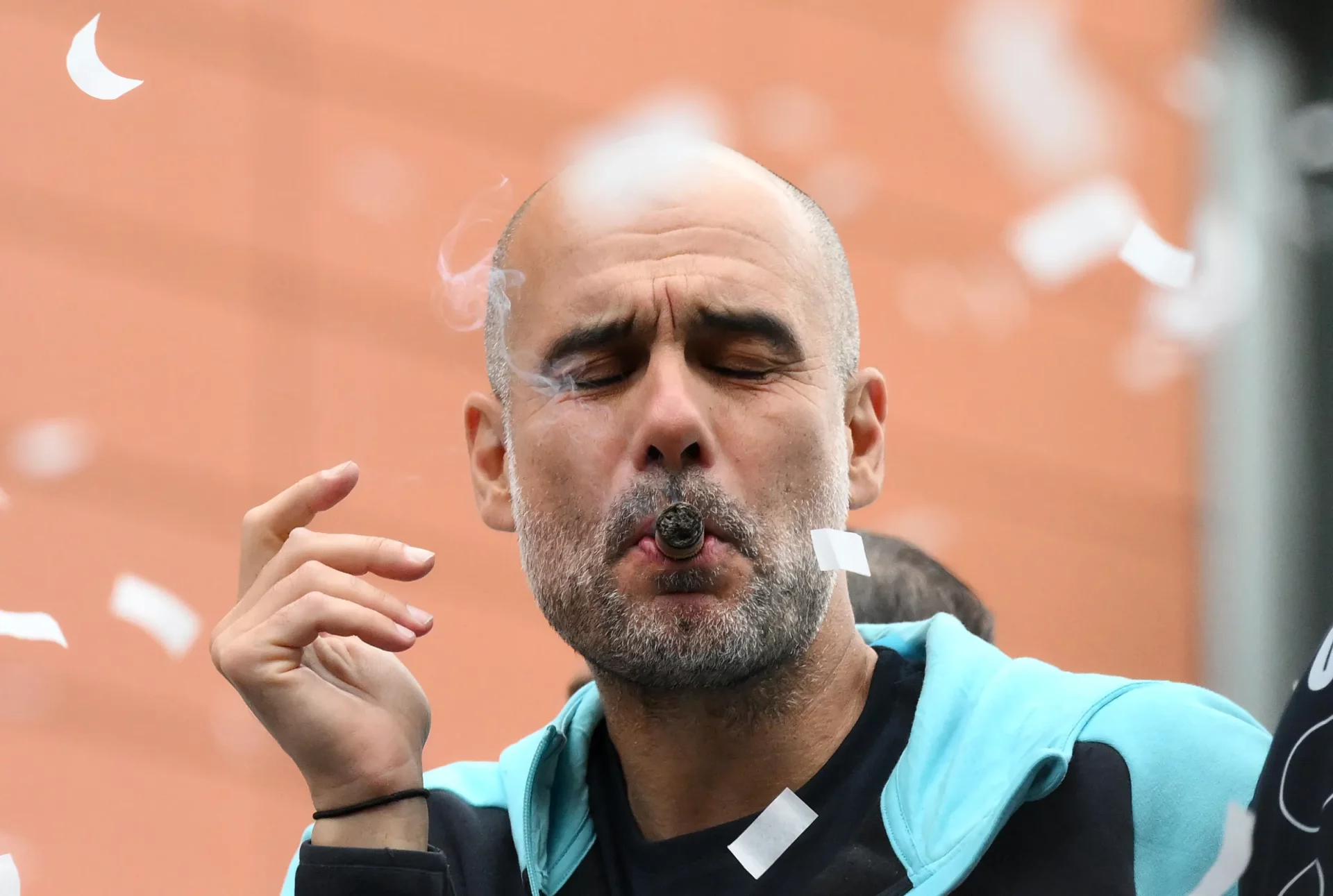
There is nothing admirable about Manchester City’s model of success when it has been built on spending billions since 2008, followed by another era of extreme expenditure under Pep Guardiola from 2016 onward. Guardiola is often described as the best coach in the world, yet his six Premier League titles have come with an unlimited budget, squads filled with stars, and constant market intervention rather than organic cohesion. This is a team assembled through financial dominance, not through balance, restraint, or natural development.
It must be openly acknowledged that the City’s project is rooted in monopoly and systematic disrespect toward the competitive ecosystem. Spending £300 million in a single transfer window, paying £60 million for individual players as standard, and repeatedly investing massive sums in positions like central defence is not a sporting achievement. These are not signs of innovation or excellence, but of dependency on financial power. The facts are clear: this is an embarrassing project sustained by money rather than merit, and it should be spoken about honestly and without hesitation.
S.Šijaković
About the Author