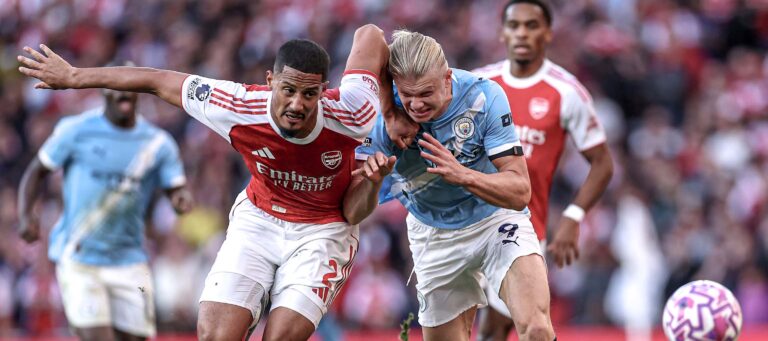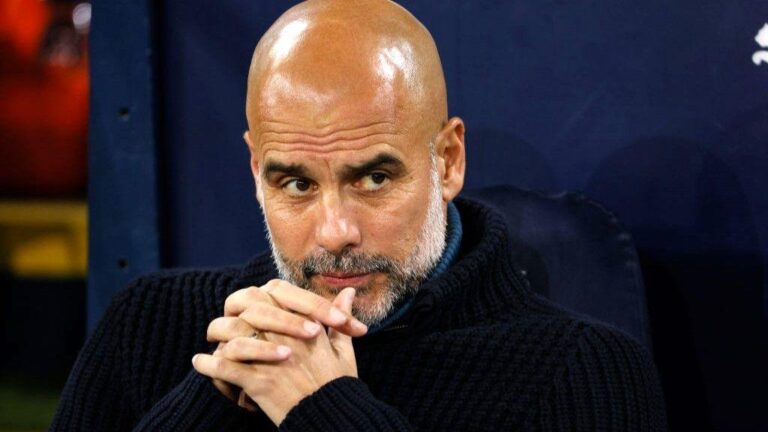

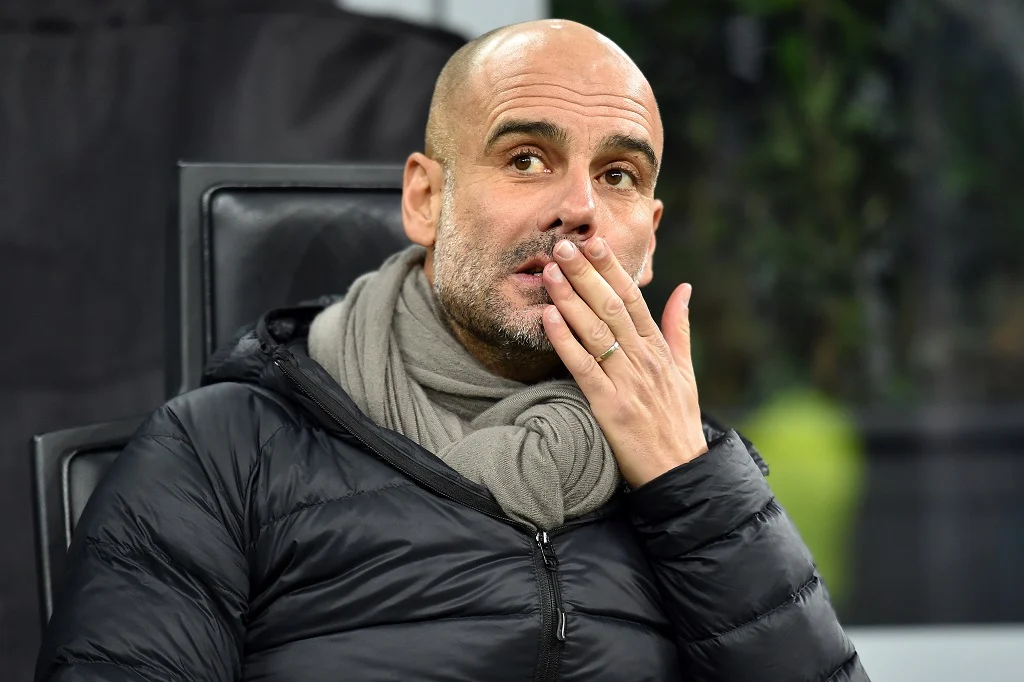
Pep Guardiola has been the ultimate star in England since 2016. Since he arrived at the club, he has been given full confidence at Manchester City, an unlimited transfer budget every season, complete institutional backing, and constant protection by the media. He receives enormous respect from the media and is regularly presented as the greatest manager in history by many journalists and major media outlets.
Why does Guardiola receive this level of respect and coverage from the media?
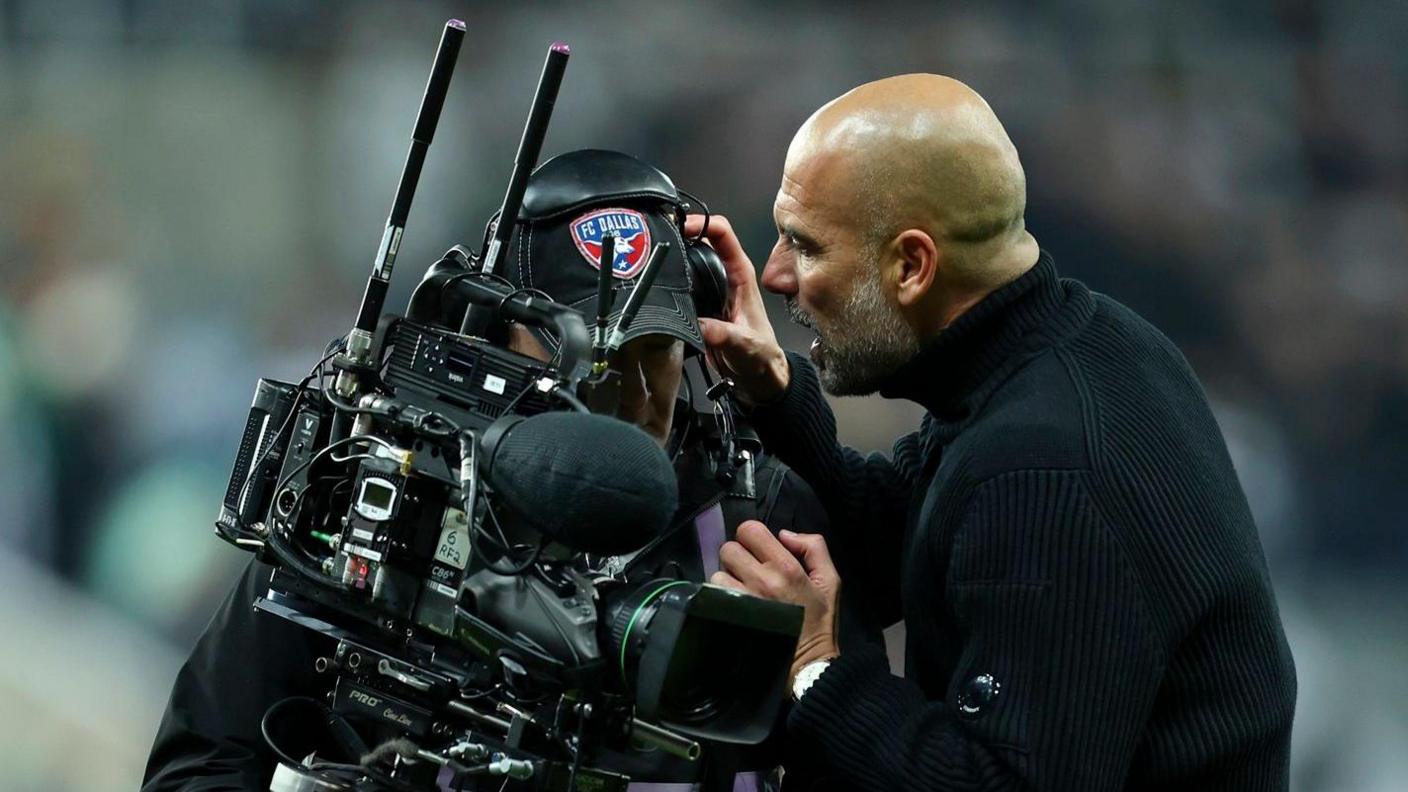
Let us look at his actual results at Manchester City—a club with multiple complete failures in the UEFA Champions League during Guardiola’s tenure as a manager
Despite having squads filled with elite players and unprecedented financial power, City repeatedly fell short in Europe for years. Early exits, tactical overwhelming and overheating and decisive defeats became a regular deal other than the trophy and club performances regularly in the Premier League and Champions League.
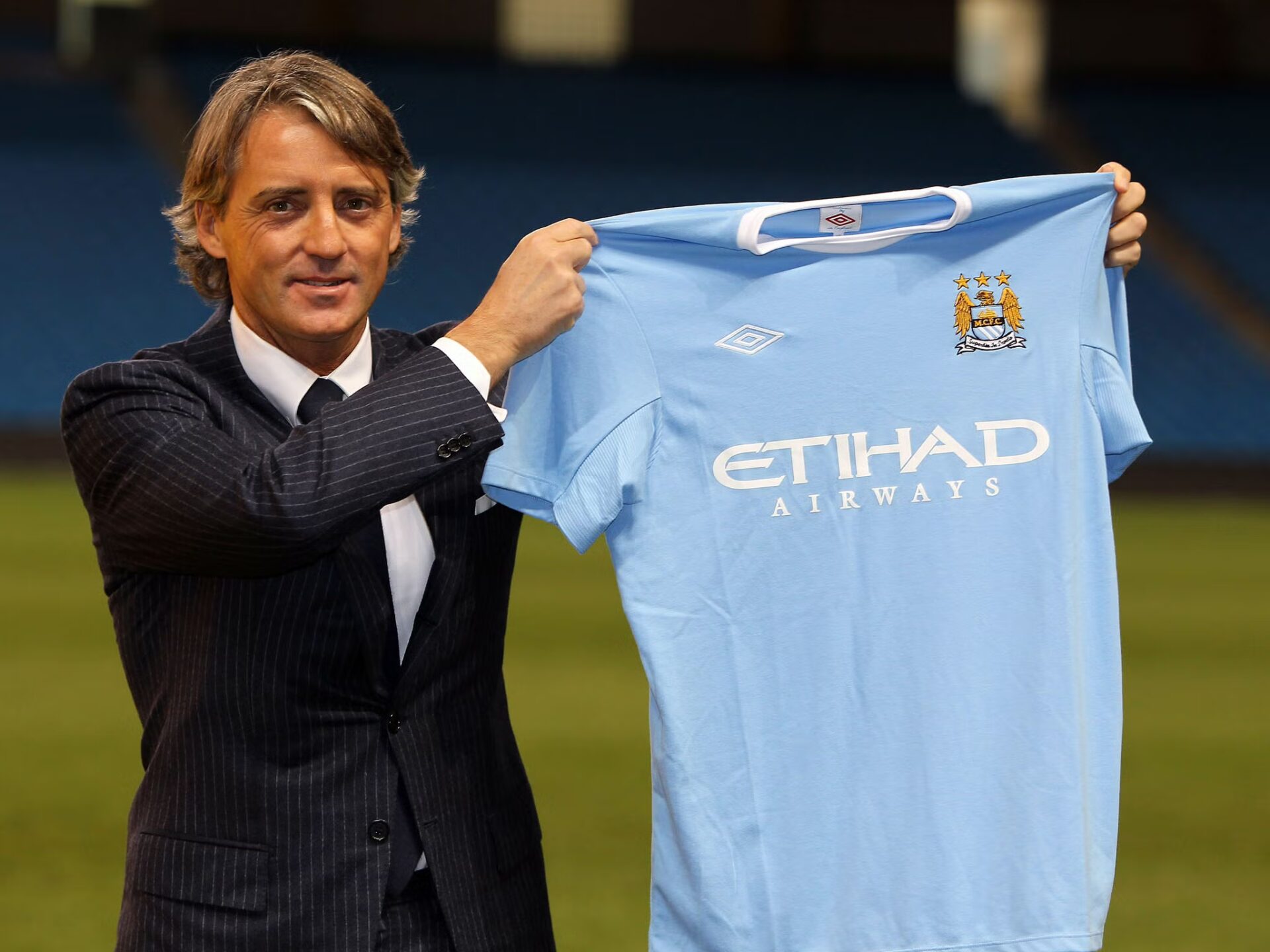
Before Guardiola arrived at the club, Manchester City already had domestic success and financial dominance. What changed was not the power of the club but the narrative surrounding the manager. Pellegrini and Roberto Mancini were previously sacked due to the low performances, mostly for their unsuccessful performances and results in the Champions League. Guardiola was not only given players—he was given time, patience, and protection rarely afforded to any other coach in England.
Is Pep Guardiola respected purely because of results, or because the system around him ensures he is never truly challenged?
Under Manuel Pellegrini—now the manager of Real Betis, a coach who has played excellent football for years—Manchester City were eliminated twice by Barcelona and once against Real Madrid, a team that at the time represented the very peak of European football and was a contender for the Champions League every single season.
With Guardiola, they should be in that position every season, and Guardiola has won only one Champions League with Manchester City despite spending and extreme expectations. The following year, Pellegrini was eliminated by Real Madrid, whose budget at that time exceeded that of almost any sporting consortium in the world.
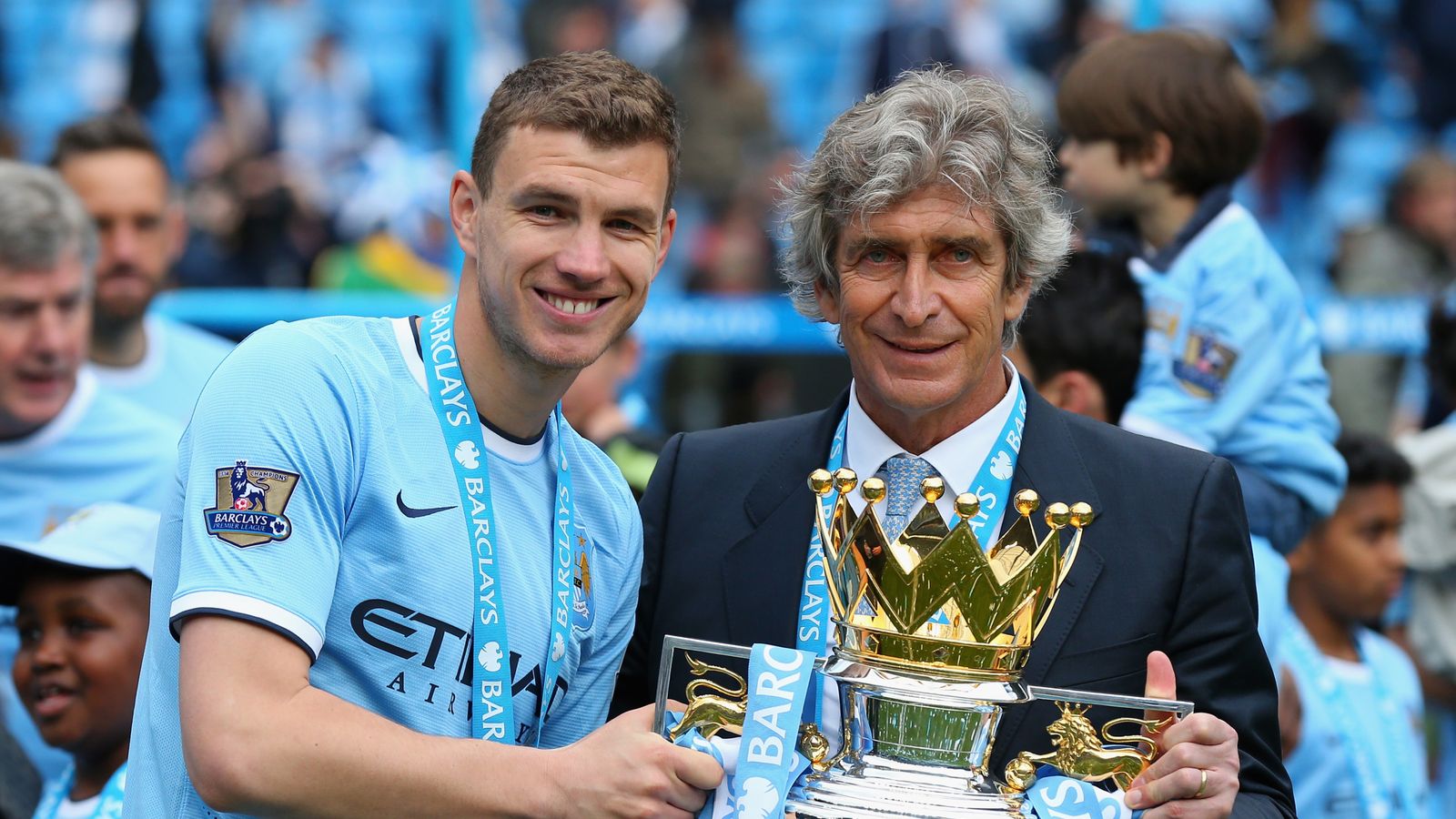
Because of that elimination by his former club, Real Madrid, Manuel Pellegrini was dismissed, and Pep Guardiola took his place on the burning, high-pressure bench at Manchester City. Now, Manchester City has seriously failed in the Champions League. On the European stage, Manchester City is left behind with Guardiola and has won only one trophy in nine years.
Champions League and City are collapsing
So what were the expectations?
A Champions League semi-final? A final? Or the title itself?
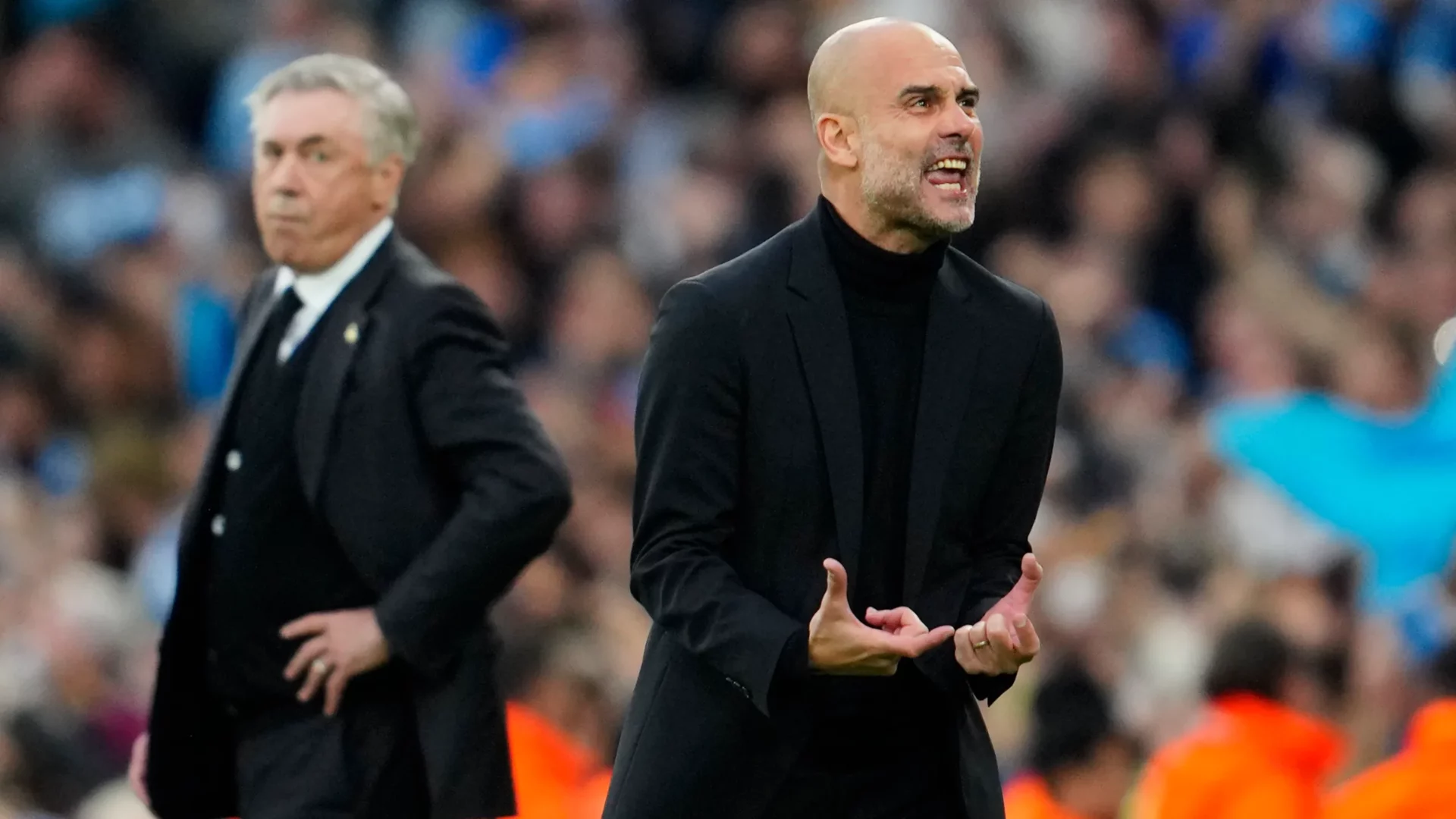
From 2016 onward, Manchester City failed to establish itself as a natural power in Europe. Guardiola has won only one Champions League title with City. He also lost a Champions League final to Chelsea, beaten by Thomas Tuchel’s 3-4-3 system—a Chelsea side that was a very young, structurally and not one of the strongest teams that won the Champions League.
Manchester City in Champions League results:
In Guardiola’s first Champions League season, City were eliminated by Monaco in the Round of 16. The aggregate score was 5–3 for the club from the Principality—yes, a talented generation, but a club that today plays low-quality football in France.
Elimination by Premier League rivals:
In 2018 and 2019, Guardiola was eliminated by Premier League rivals. Domestic opponents—teams City face regularly in Premiership—were supposed to be easy prey. Instead, those seasons ended in failure again for Manchester City. Manchester City had never been champions of Europe until this moment.
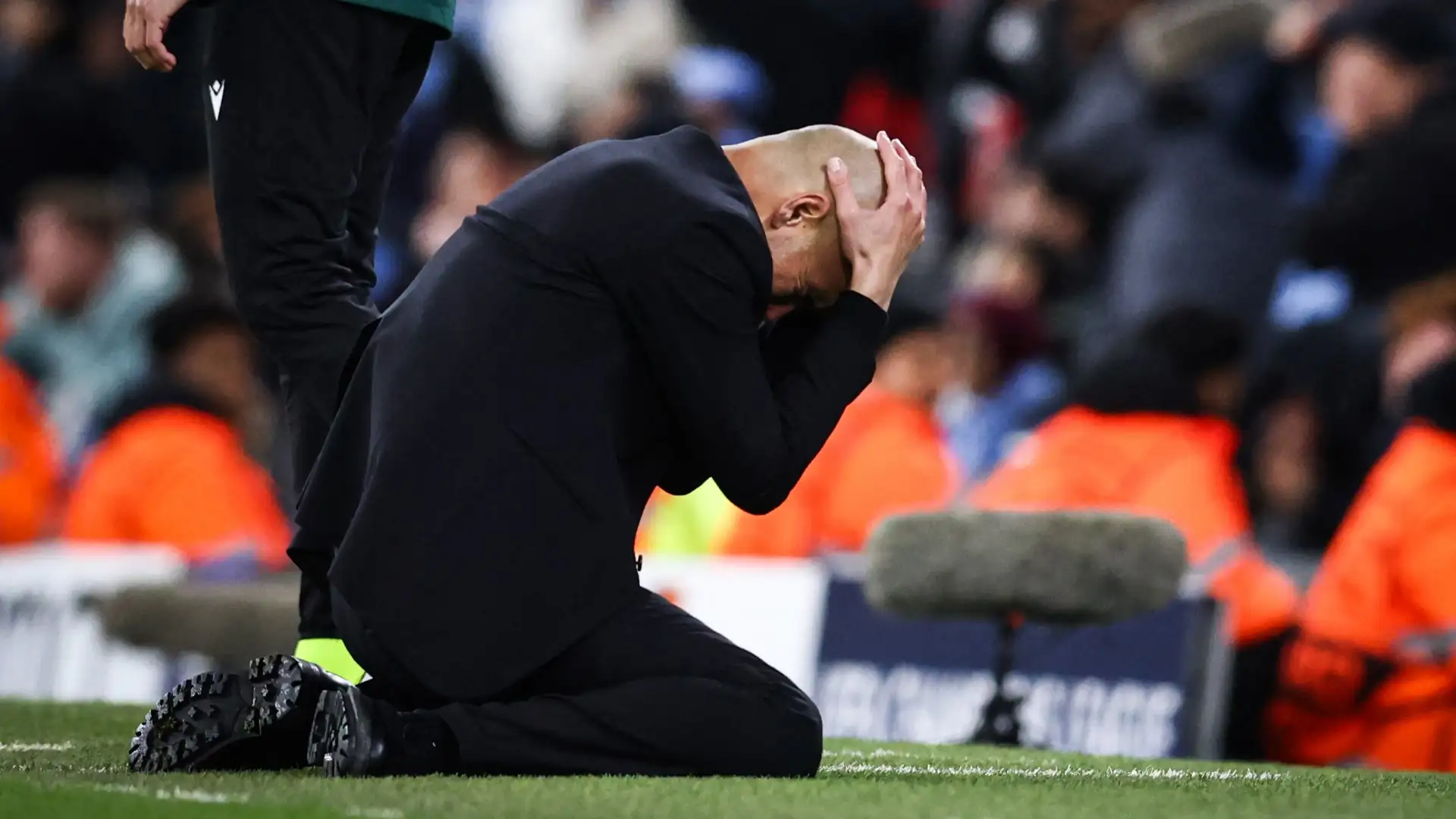
Then came Lyon, who eliminated City in the quarter-finals after another deeply frustrating campaign. Lyon had a quality in a great generation with fantastic players, yes, but this was another clear failure.
The following season, Guardiola remained on the bench despite a long sequence of Champions League disappointments and a real disaster. Manchester City has suffered huge blows and Champions League uncertainty, all while Guardiola was the manager
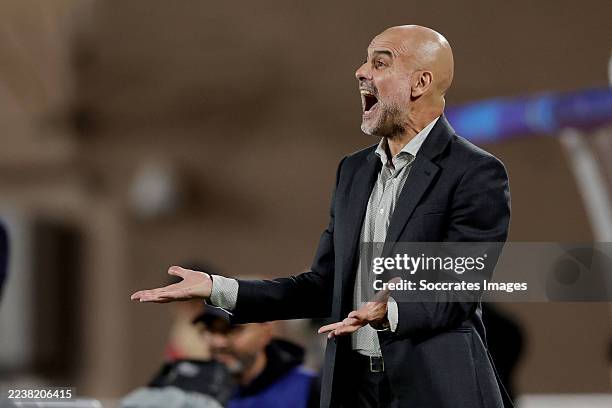
He was brought to the City specifically to win the Champions League. That was his mission. He should be able to bring Manchester City Champions Glory and beat the top leaders in Europe at the time, Real Madrid, Barcelona and Atletico Madrid, who played two Champions League finals.
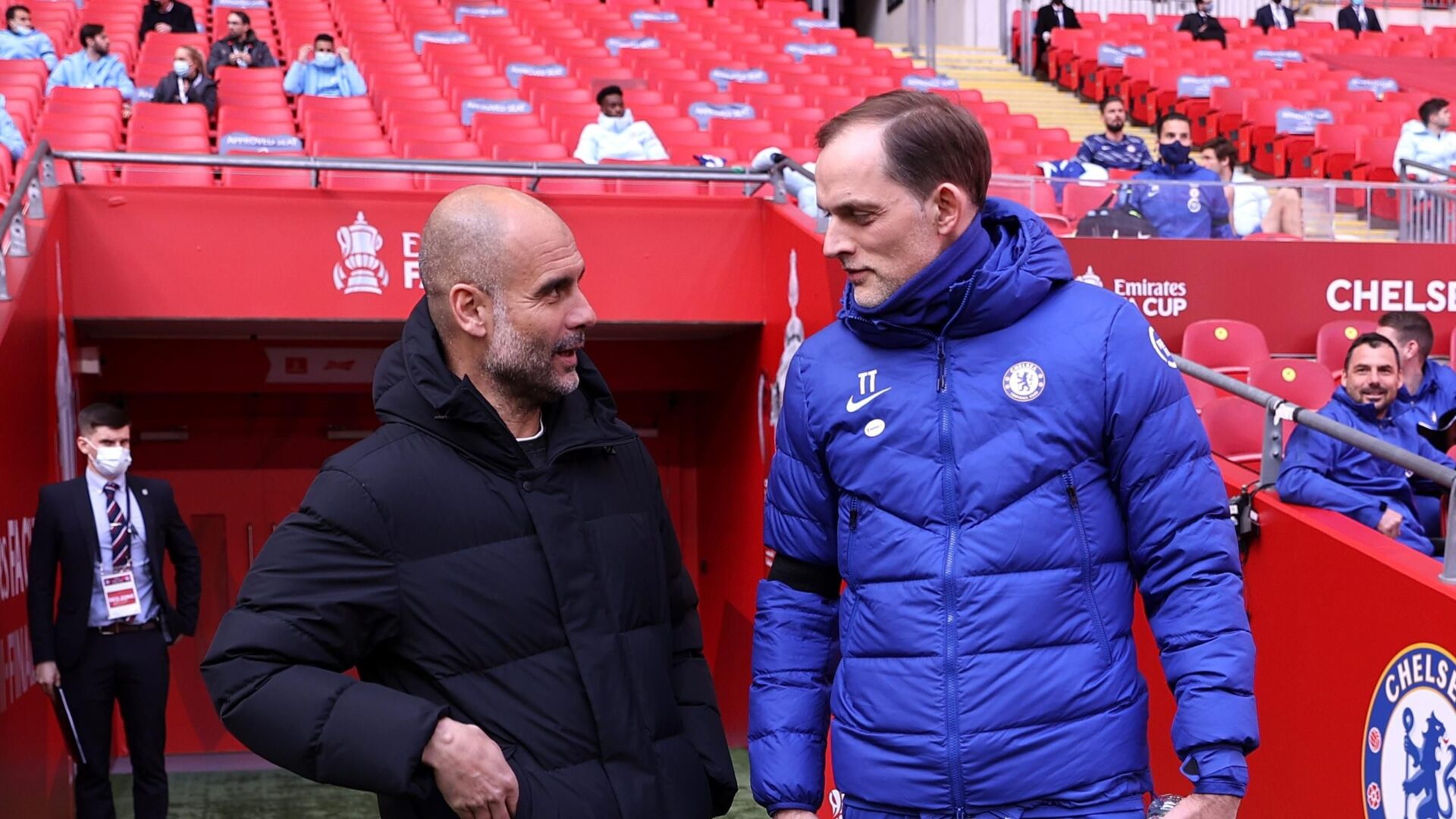
In 2020/21, he finally reached the final—again against an English opponent he faces at least twice every season. And again, he lost. Thomas Tuchel tactically outplayed him with a young Chelsea side.
The sequence of events:
In 2022, Real Madrid proved too difficult once more, exposing Guardiola as one of the biggest serial losers in elite football at that stage.
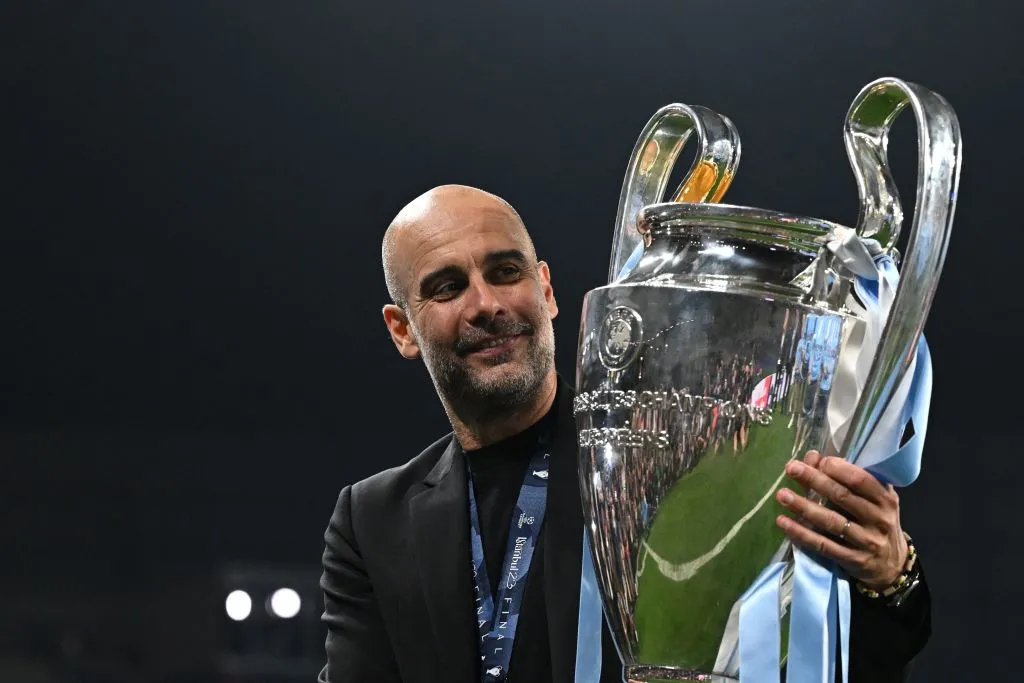
Then, in 2023, City reached another final and finally won the Champions League, defeating Inter Milan. Guardiola won his first Champions League with City.
Many believed that this was the turning point—that City had finally arrived, that Guardiola had solved everything.
They were wrong.
City were once again dismantled twice by Real Madrid, the most successful sporting collective in Champions League history. And yet, all of this was absorbed into the Guardiola myth—the “best coach in the world,” who by expectation should reach the final stages of the competition every single season and deliver the most prestigious trophy in football.
They are making a manager cover with silk, and they are gratifying him.
The real problem is this:
If you are a journalist covering the Premier League and the Champions League, your job is to establish facts, results, successes, and failures—and then pass judgment.
This does not help him. It damages him. The superlatives do not do any good.
The verdict:
You must state how many billions Guardiola has spent at City to win one Champions League in nine years, and to reach just one additional final. Statistics matter. And the verdict is clear: Guardiola spent billions and won one Champions League.
You must say that Guardiola consistently loses decisive matches. That City buys players for over £80 million as standard, with an average squad value of around £67 million per player. These players were not “created” by Guardiola—they were purchased by a wealthy ownership group.
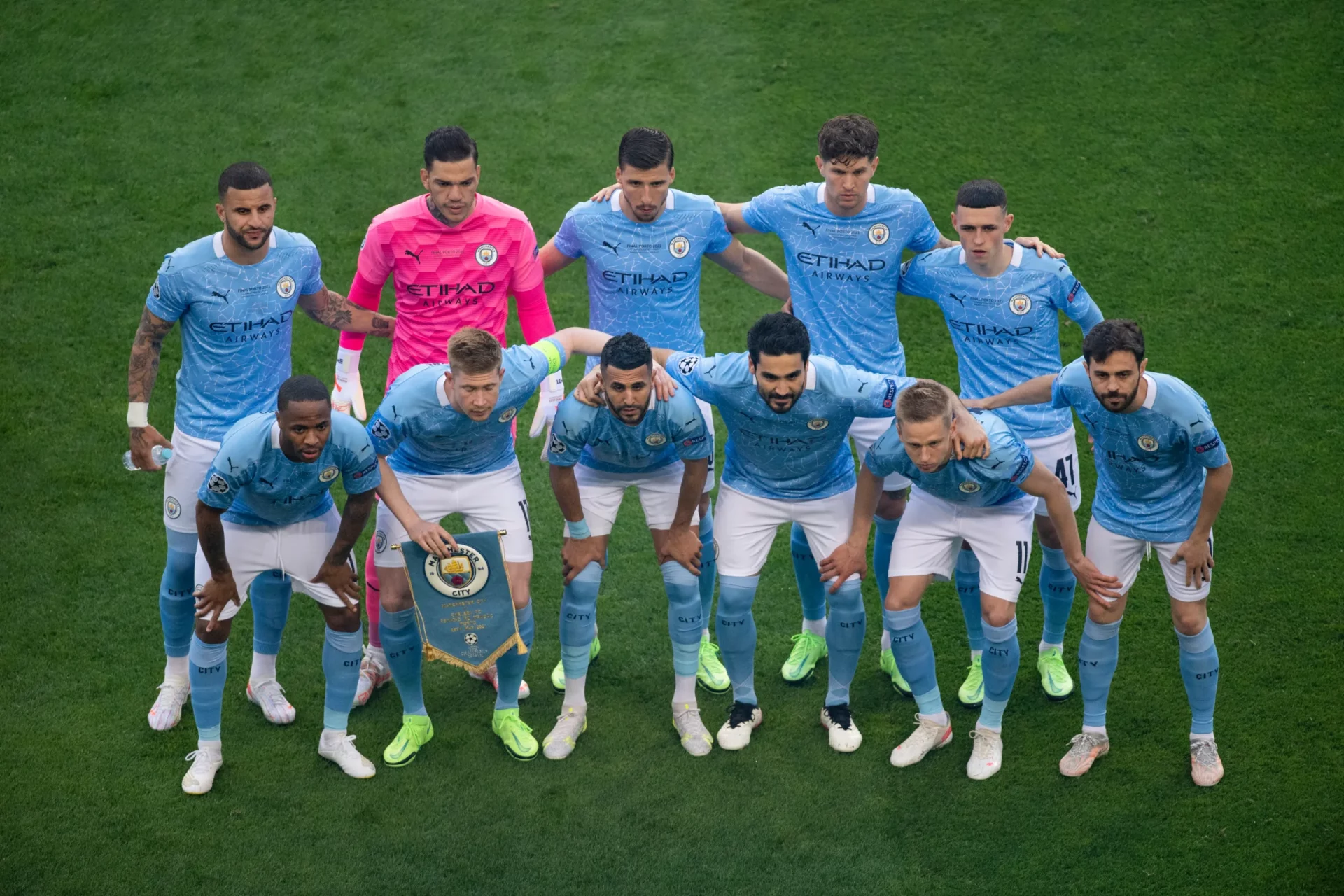
Guardiola regularly loses Champions League knockouts to English rivals—Liverpool and Tottenham—clubs that have spent 20 to 25 times less money.
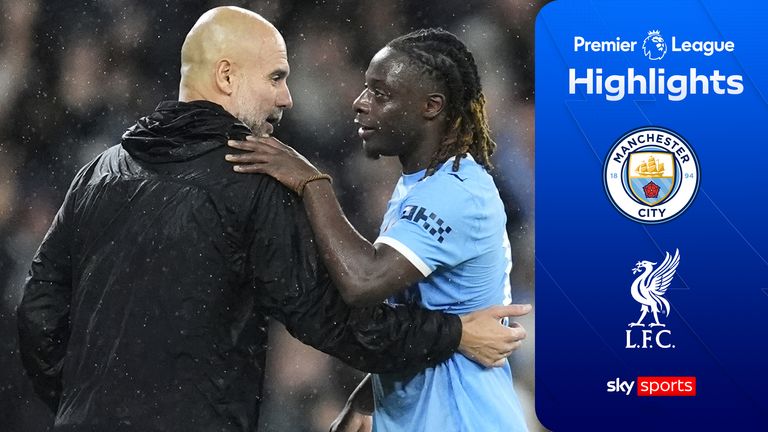
Why not appoint a coach who can win both the Premier League and the Champions League?
What exactly is Guardiola’s “aura”? Do Manchester City supporters deserve more and better than Guardiola?
Does City want trophies—or does Guardiola generate enormous commercial income? Do people come to the stadium because of him? I
Why do City fans not have the manager they deserve, but instead a figure protected by media mythology?
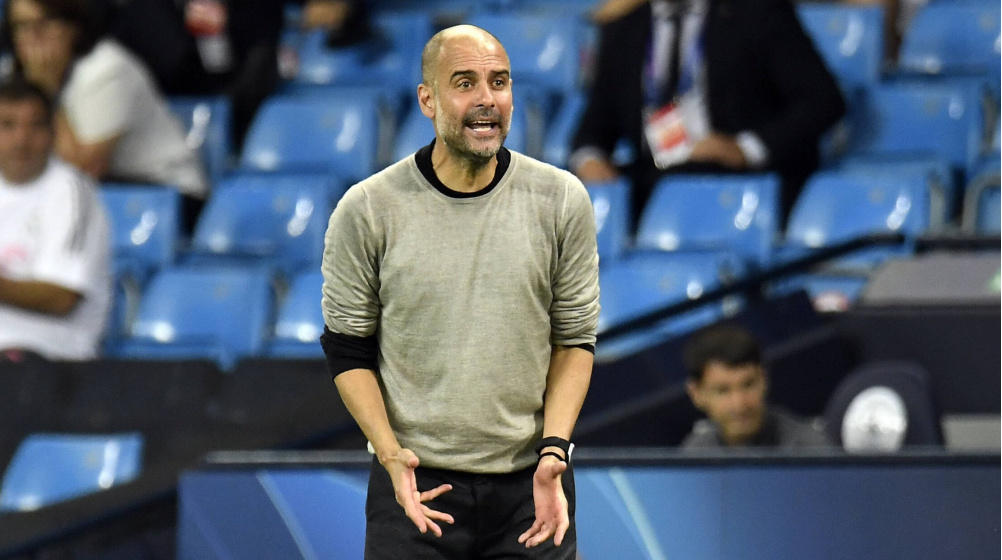
Why, even after a draw against Tottenham, following a 2–0 halftime, the great English press still cover him.
The review of Pep Guardiola at Manchester City
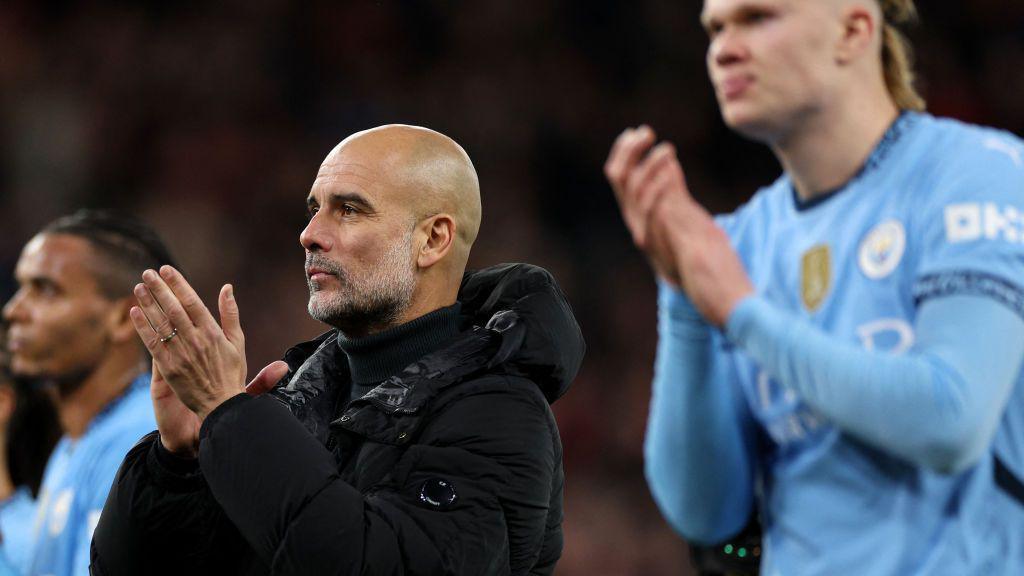
Why was Pellegrini judged harshly while Guardiola is immune?
How are eliminations by Lyon and Monaco acceptable?
How are losses to Premier League teams—teams City dominate domestically—acceptable?
Why was Guardiola not dismissed after Liverpool and Tottenham eliminated City?
Why is unlimited money still given to a coach who has succeeded once?
Guardiola’s tactic- Tactical analysis Guardiola at City:
City’s defenders cost £65–80 million each—and still crumble under pressure. Everyone is falling when there is pressure. Those come with human nature. When facing three blocks in the Premier League, any defence will make mistakes under half-pressure and start the noise. That is probability, not opinion.
High pressing forces errors by opponents. Bad back passes lead to goals. Liverpool proved this repeatedly with Klopp and a dynamic and selective team.
Pressing is eating Guardiola alive.

Guardiola must understand that high pressing will destroy his build-up football. Instead of attacking Liverpool’s defence directly, he insisted on short passes from their side. He spends more than £50 million on defenders regularly.
That is tactical stubbornness.
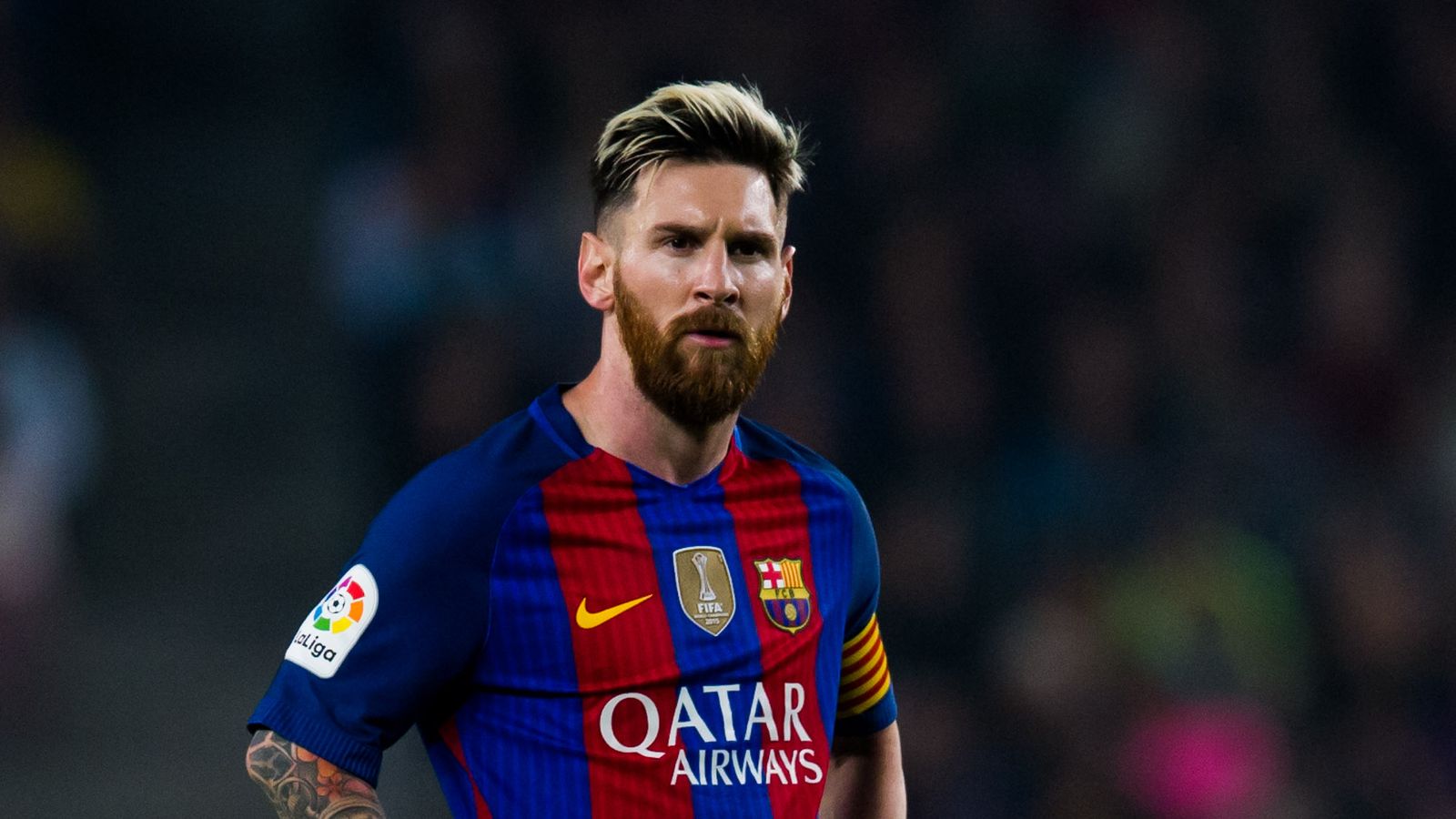
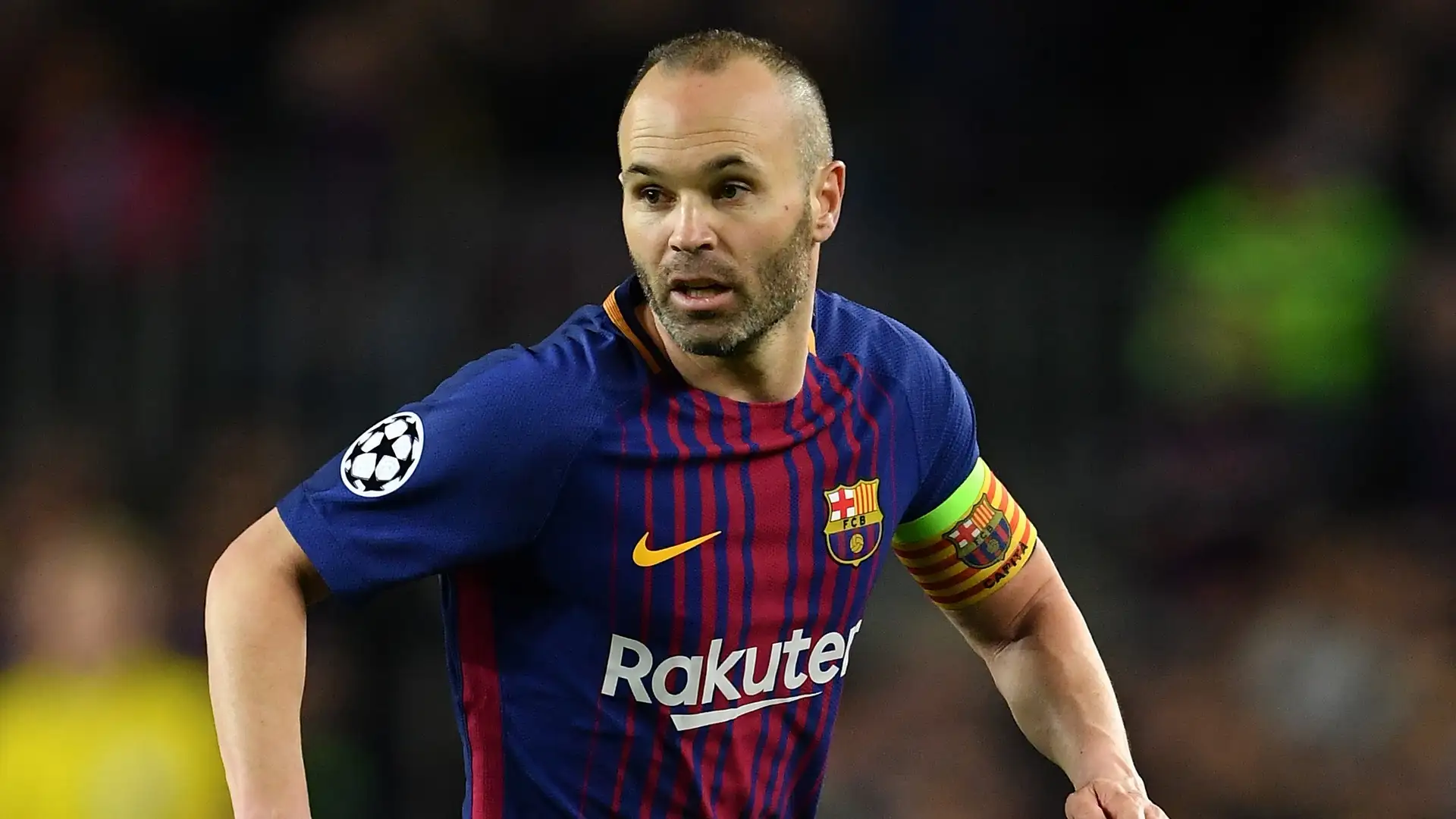
Defenders are not Xavi or Iniesta.
Not everyone is as good as Messi.
You cannot have eleven £60-million technicians playing utopian football.
Tuchel proved this in the 2021 final with a dominant midfield press.
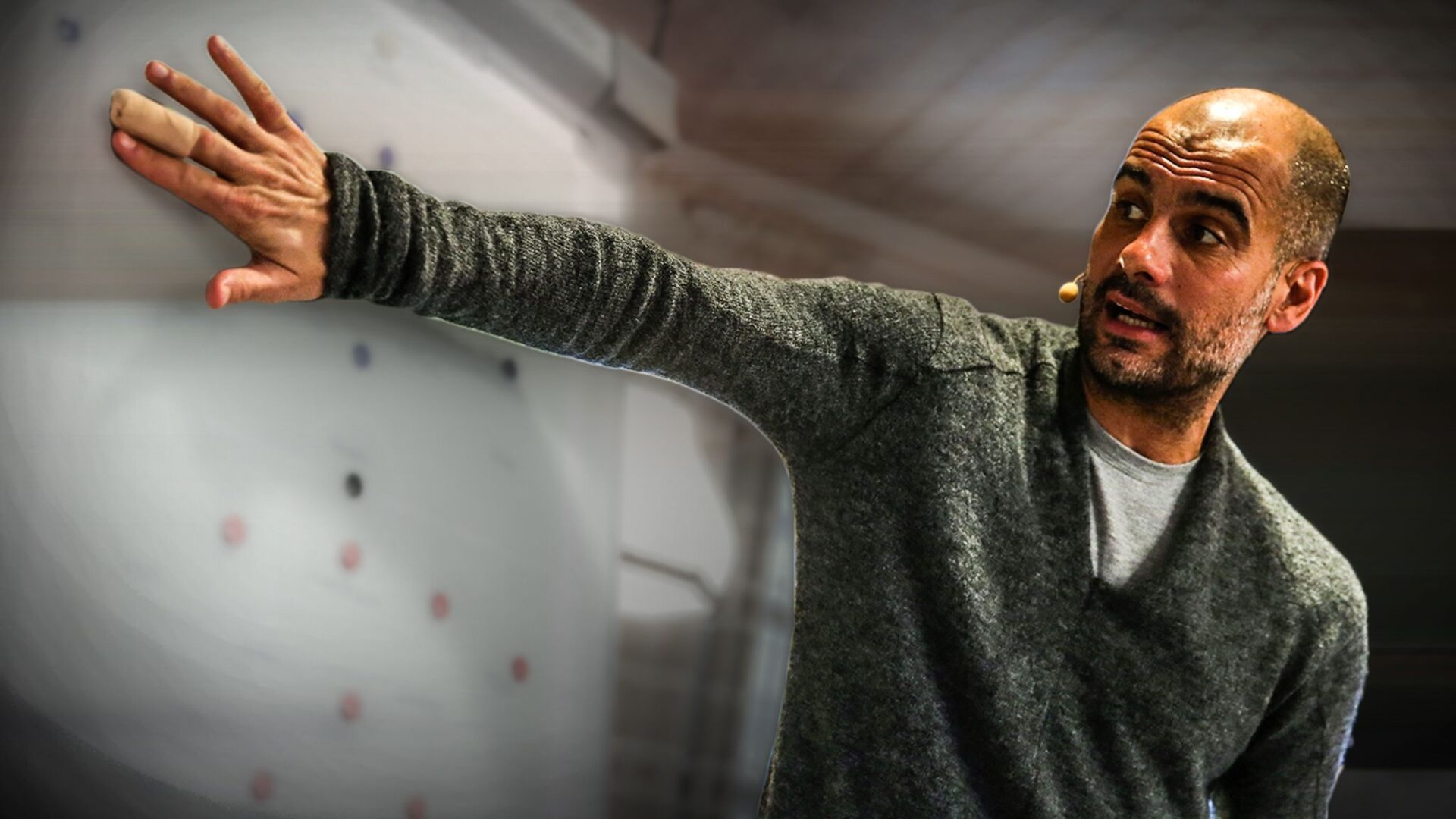
Football is an adaptation. Results matter. Ideology without flexibility leads to collapse.
The point:
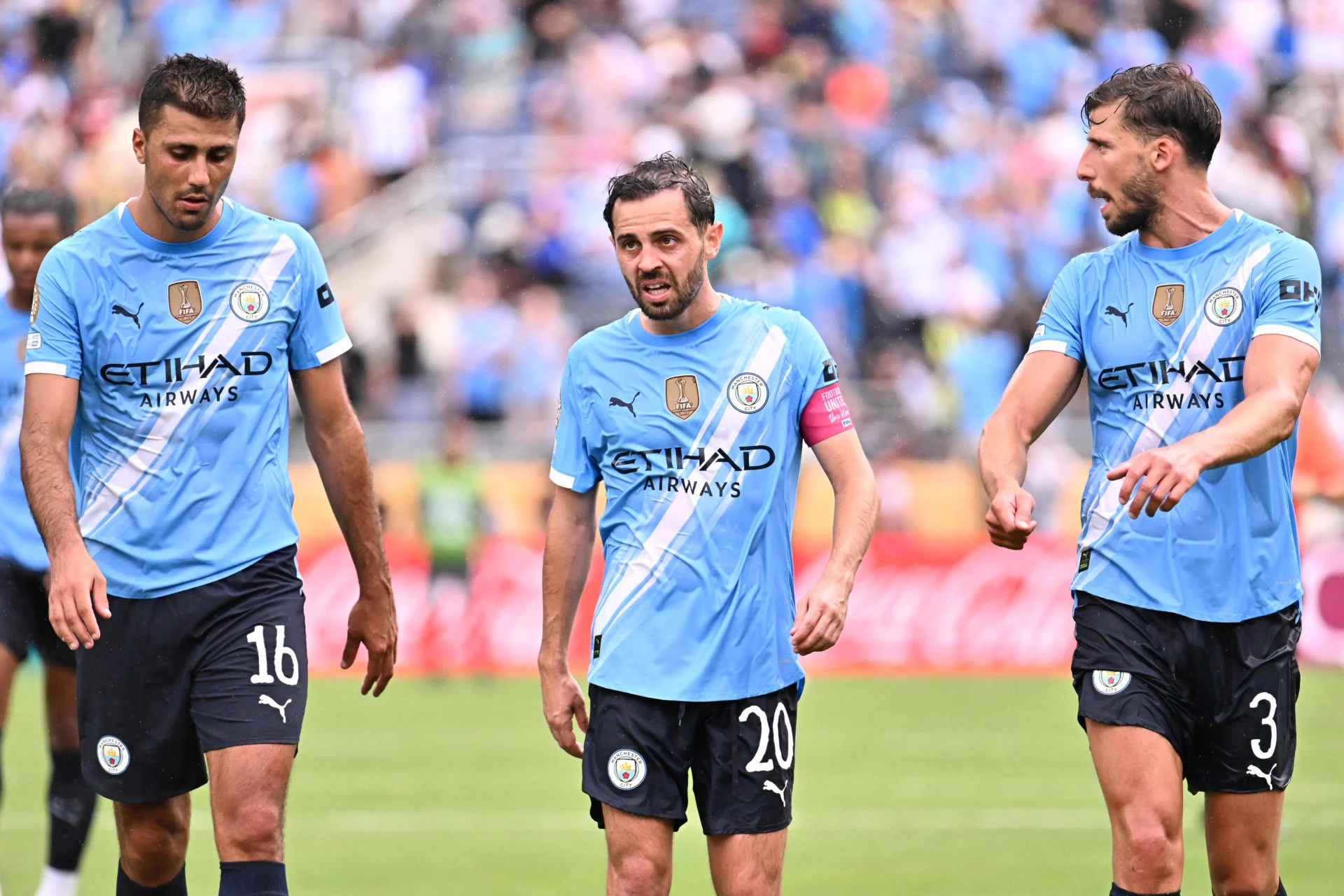
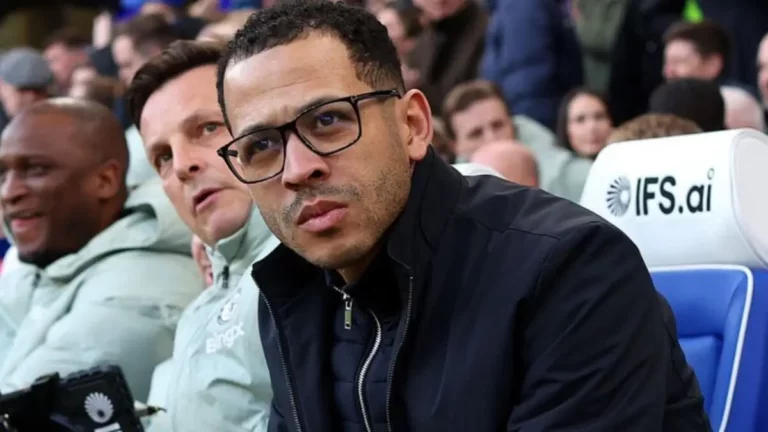
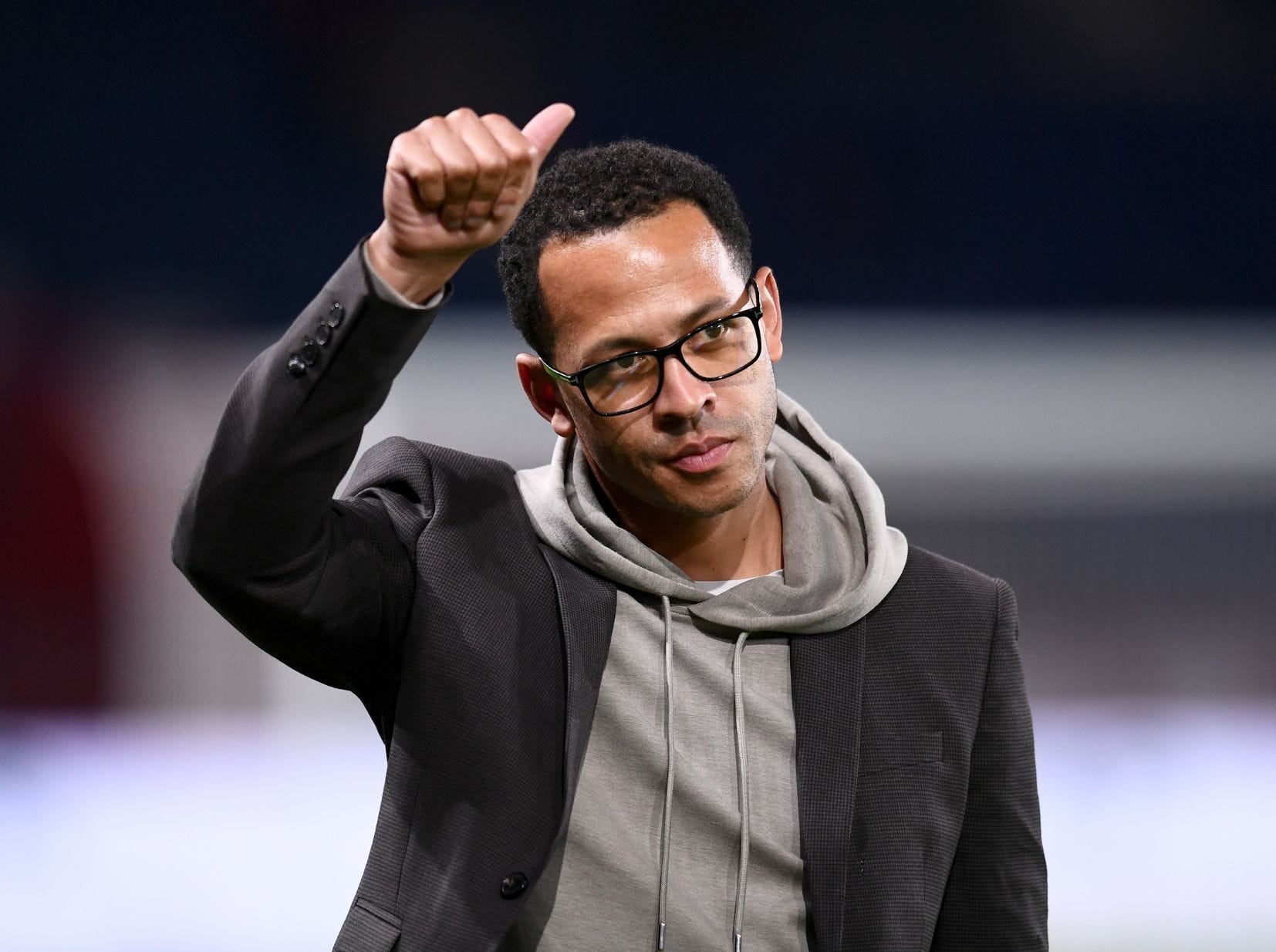
A perfect contrast is Liam Rosenior, who accepts his team’s limits, defends deep when needed, and clears the ball without being embarrassed. He knows the quality and flaws of his players. He tries to win each match, one by one. Chelsea won five of six matches playing “ugly” football. Guardiola would never accept that—he is a perfectionist.
Guardiola is as follows: The whole story.
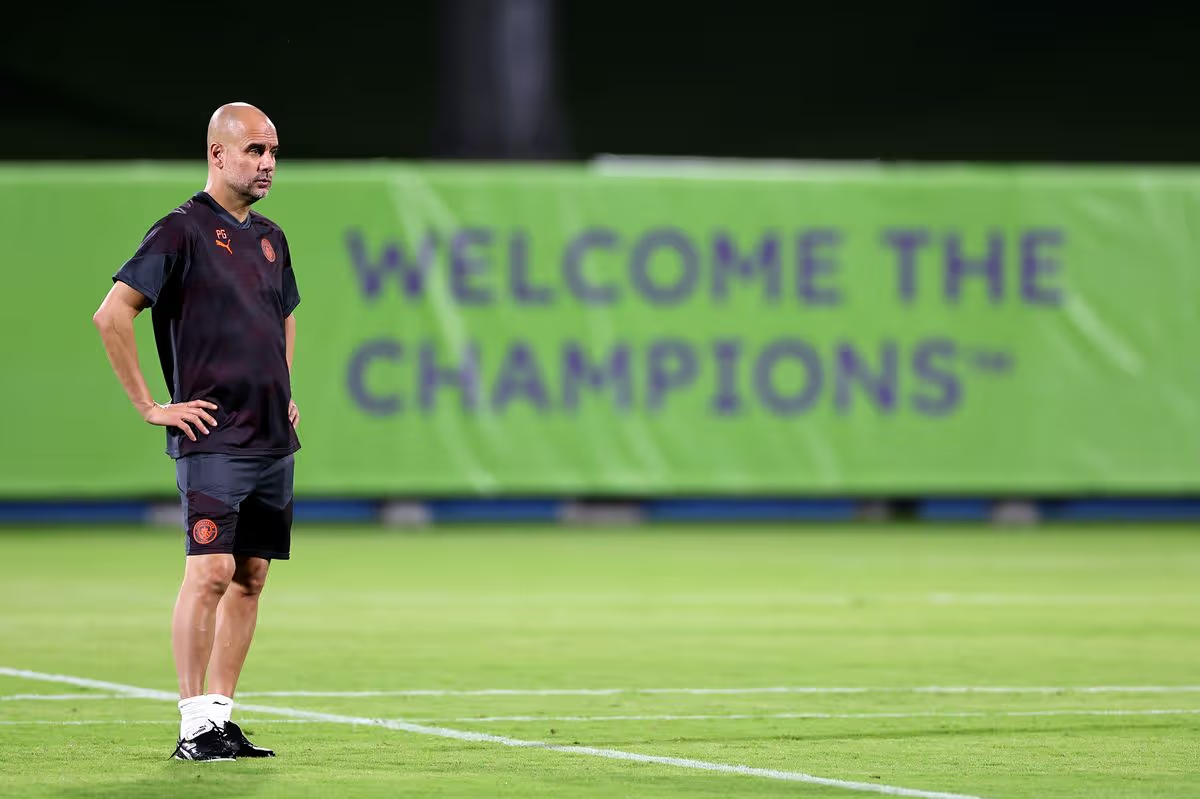
Premier League pressing today is stronger than ever. Since losing Gvardiol due to the injury, Guardiola has lost control, momentum, and results. Utopian football fails because humans make mistakes—this is human nature, and it is the reality Guardiola continues to fight against.
How much does Guardiola actually cost Manchester City?
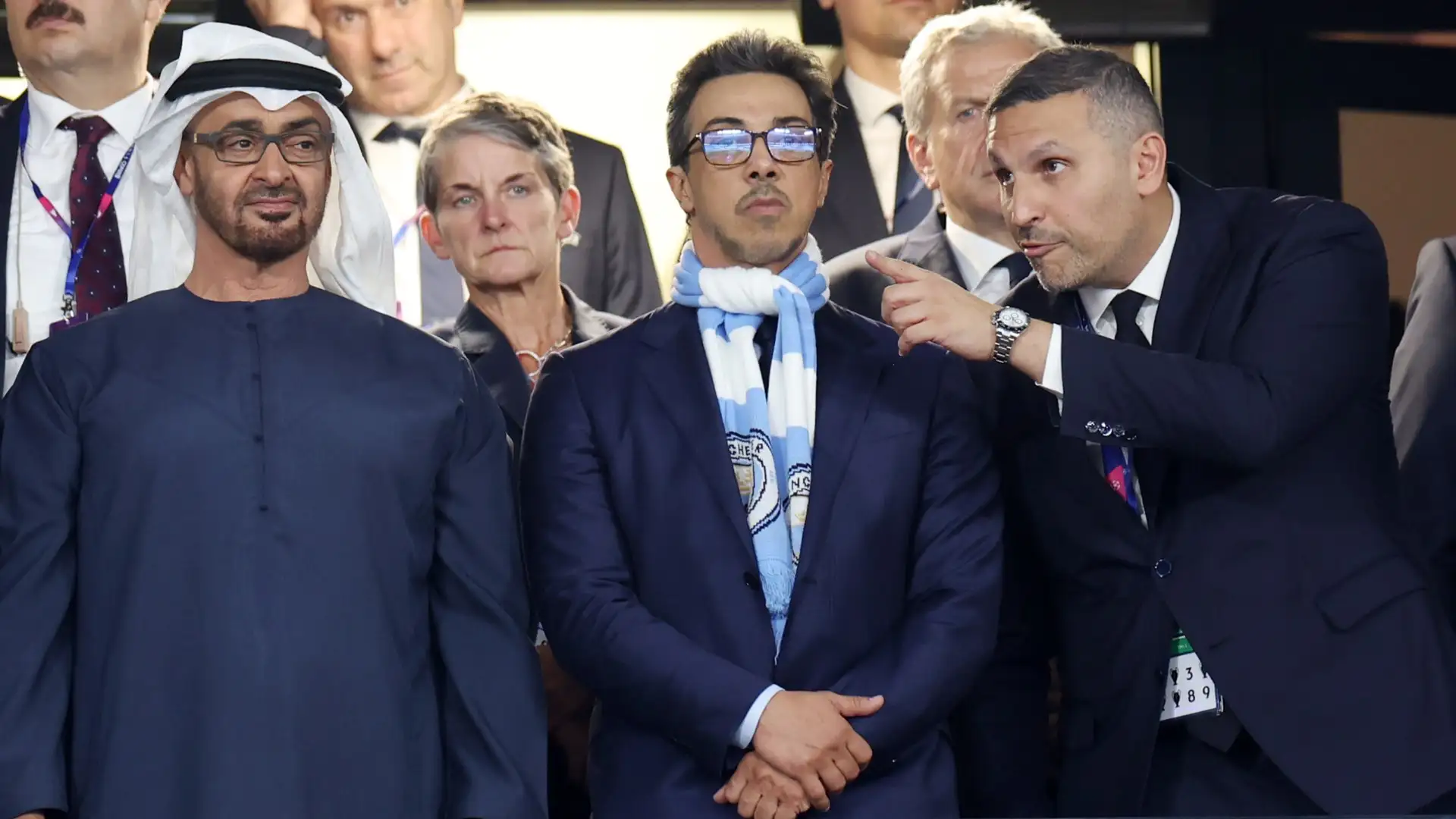
Are the owners truly satisfied with what they are seeing on the pitch?
Are Manchester City supporters genuine football enthusiasts, or have they been reduced to endlessly repeating “Perfect Pep” without question as a dogmatic opinion?
Manchester City has real supporters, and its owners have undeniably worked hard to build this financial power. But Guardiola continues to spend without restraint, without remorse, and without accountability. This is characteristic of him. He refuses to change.
Money does not grow on trees. Guordiala should respect money generally.
His football, with proper adjustments, could be close to perfect—but he has always rejected any evolution or adaptation of his fundamental view of the game.
At the elite level, a manager must understand both the strengths and the weaknesses of his players. He must hide their flaws, protect them structurally, and place them in situations where they can perform at their best. That is what elite management does.
This is the Premier League.
“Ideology and alone change when confronted with real life. The ways and methods are chance” This is an exact point, as it sees all literally. Guardiola’s case exactly.
Guardiola’s tactics:
Guardiola’s core tactical idea is built on one absolute belief: all 11 players on the pitch must play football in the same way. In his system, there are no traditional defenders, no specialists whose primary role is to protect space or survive pressure. Every player is expected to be comfortable on the ball, to pass under pressure, to receive facing their own goal, and to progress play from the back.
He insists on building from the back exclusively through short passing, rejecting any direct solution. This obsession leaves his centre-backs stranded in no man’s land, exposed under pressure. Instead of the team attacking with the ball, the defenders themselves become the target of the opposition press.
This is the concept of the “11 Messis”—a team where every player is treated as if he possesses elite technical security, elite decision-making, and elite composure. On paper, it looks beautiful.
In reality, it is a dangerous risk, especially in the Premier League.
Guardiola’s problem is this (explained):
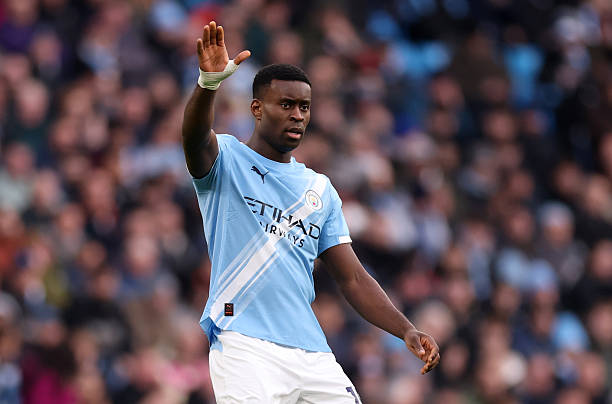
Guardiola insists on centre-backs operating deep on their own side, often isolated, with minimal protection, asked to circulate the ball under intense pressure. This is not just a stylistic choice; it is a structural gamble. A centre-back receiving the ball near his own box, with pressing forwards closing angles at full speed, is not a sign of bravery—it is an invitation to chaos.
No matter how expensive the defender is, no matter how technically gifted, this carries only trouble. One mistimed touch, one delayed decision, one bad angle—and the entire structure collapses. High pressing is not accidental in England; it is systematic, aggressive, and relentless. Probability alone guarantees mistakes.
Guardiola’s football assumes perfection. But football is played by humans, not concepts.
Centre-backs are not Xavi. They are not Iniesta. They are not Messi. Asking them to behave as such, repeatedly, under pressure, in the most physically intense league in the world, is not innovation—it is stubbornness.
The danger is not the defenders themselves.
The danger is the idea.
By refusing to accept that not all players can operate at the same technical level, Guardiola exposes his own team. His obsession with dominance through possession removes defensive tasks and discipline. The defence remains vulnerable
Elite tactics are not about forcing every player into the same role. Elite tactics are about adaptation—about understanding limits, hiding flaws, and choosing moments. Guardiola’s system, when applied without flexibility and compulsion behind it, turns risk into bad.
And without risk, in football, it ends the same way. Badly.
Guardiola must adapt. He refuses!
If not, he will continue driving Manchester City from one collapse to disappointment—hoping, every time, that perfection finally appears.
It never will.
Why is Guardiola failing? In possession football, everybody plays with their feet.
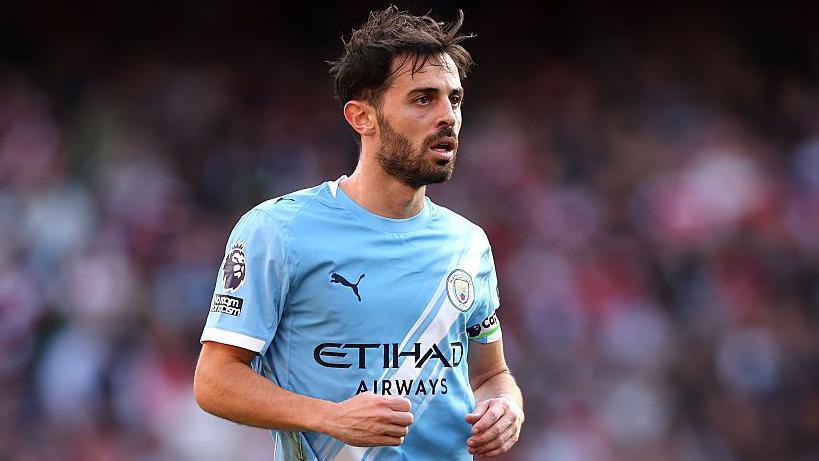
If he is here to build a perfect team with perfect while spending billions on 11 players who are the greats with the skill and the ball at their feet, fine! Man fine. Life is adapting, football is adapting. You can get perfection in football, and should cherish the money much more. Many people are without money, but are not chasing butterflies and do not chase their appetite at any cost. He is just like a child who does not want to adapt.
How much does Guardiola actually cost Manchester City?
Are the owners truly satisfied with what they are seeing on the pitch?
Are the Manchester City owners real football enthusiasts who want perfect football and put results aside? Maybe we just resolve the situation about Guardiola’s holiness in Manchester.
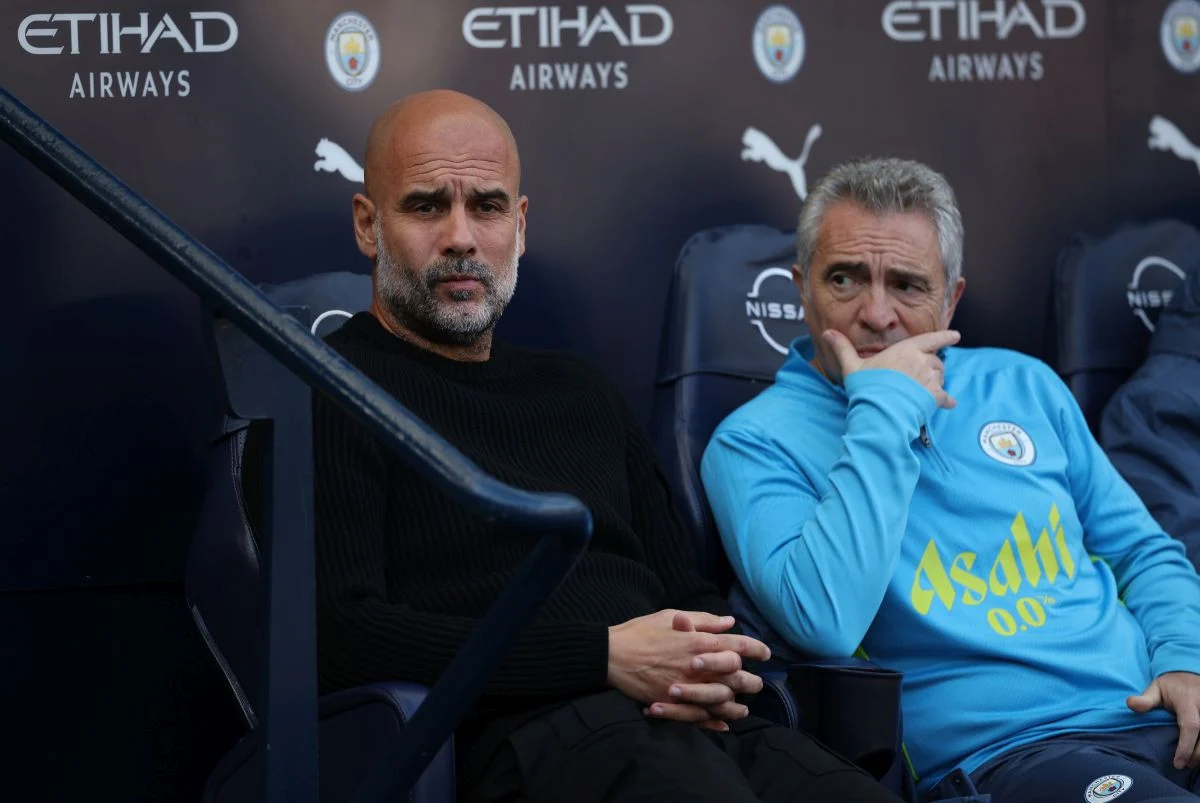
And yet, there is more—because apparently Owners of Manchester City still cannot get enough of this football. Maybe it is about play style.
Manchester City has supporters, and its owners have undeniably worked hard to build this financial power. But Guardiola continues to spend without restraint, without remorse, and without accountability. This is characteristic of him. He refuses to change. His football, with proper adjustments, could be perfect—but he has always rejected any change to his fundamental view of the game.
The aura of an elite football manager
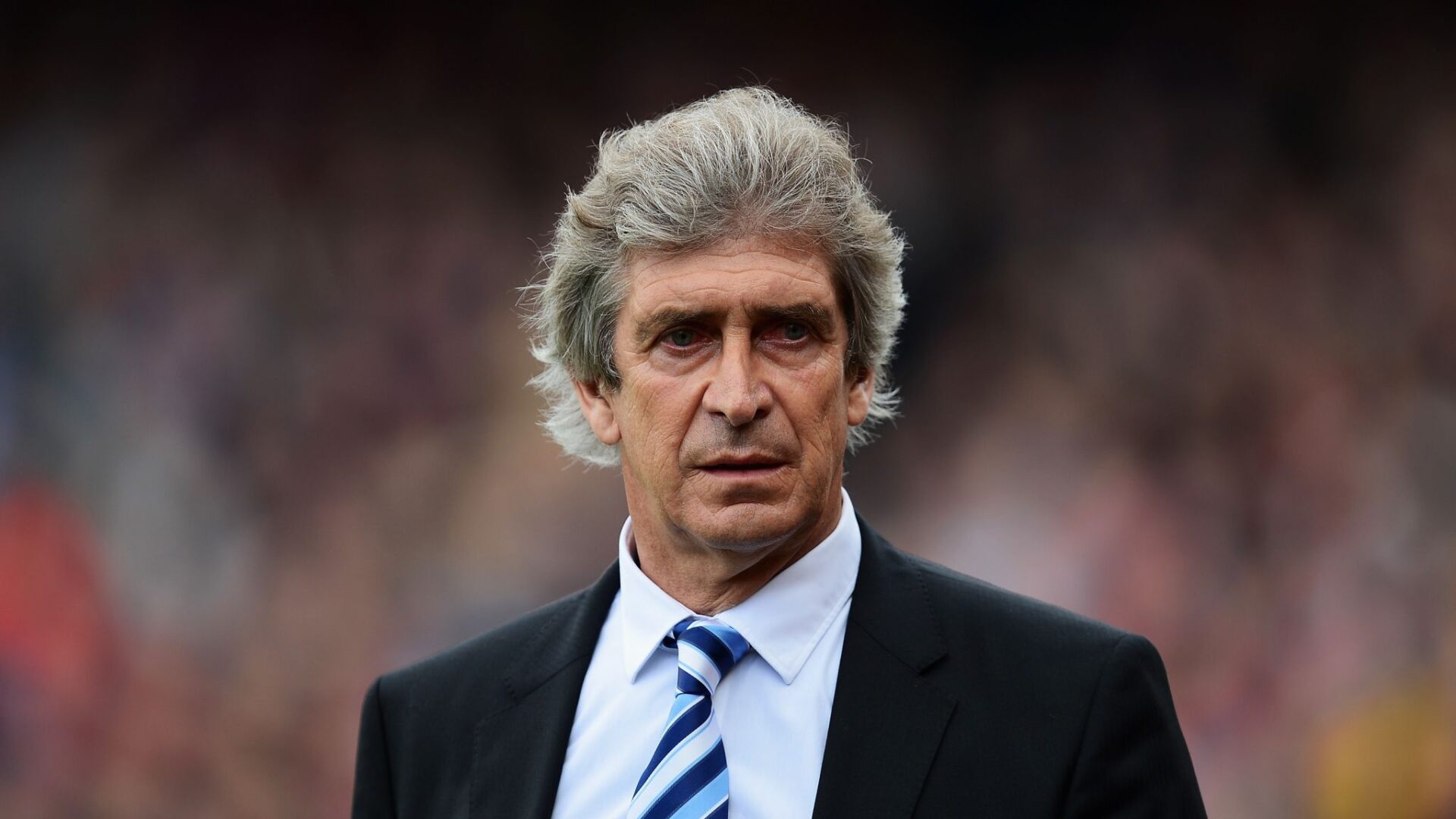
At the elite level, a manager must understand both the strengths and the weaknesses of his players. He must hide their flaws, protect them structurally, and place them in situations where they can perform at their best. That is elite management.
Guardiola is not a great manager- Premier League Analysis have said it loud.
The players should be in the position on the field where they are the best. The great management and elite managers are all adjusting to opponent tactics, making compromises. a game plan with adaptations, masking the flaws of the players and playing your players in positions where they are the best. It is a learning from mistakes and the ability to learn from past mistakes.
It is not arrogant to spend billions on players with the best technique and on buying contracts for players who can fit the so-called system for 10 years.
The manager should know the limitations of his players in some aspect and position, and should acknowledge that his team is not the best in everything and should reduce and adapt the tactics and game plan for the team to get a victory and not be arrogant like Guardiola, who constantly chases defensives with great technique to take to Etihad.
The keys are as follows:
Guardiola is too arrogant and selfish to adjust and win.
About the Author