Manchester City will be new leader of the Premier League.” Arsenal don’t have depth in team as Manchester City does.” (Photo gallery included in analysis)
 Srećko Šijaković
Arsenal’s run, and the situation in which many considered them absolute title favourites and a dominant force in the Premier League, has come to an end. Their form and football level have dropped significantly, and nobody speaks about them as highly as they used to.
On the other side in Manchester, just over a month ago, Manchester City looked like a team for whom even fifth place would have been a major success at the end of the season. The team was weak in defence, without composure or strength. They appeared inconsistent and unconvincing, far from championship level, while Arsenal’s form looked like something not seen for a long time. Arsenal looked so dominant in every aspect.
Arsenal’s situation form – With Gabriel and Saliba injured, they had to drop.
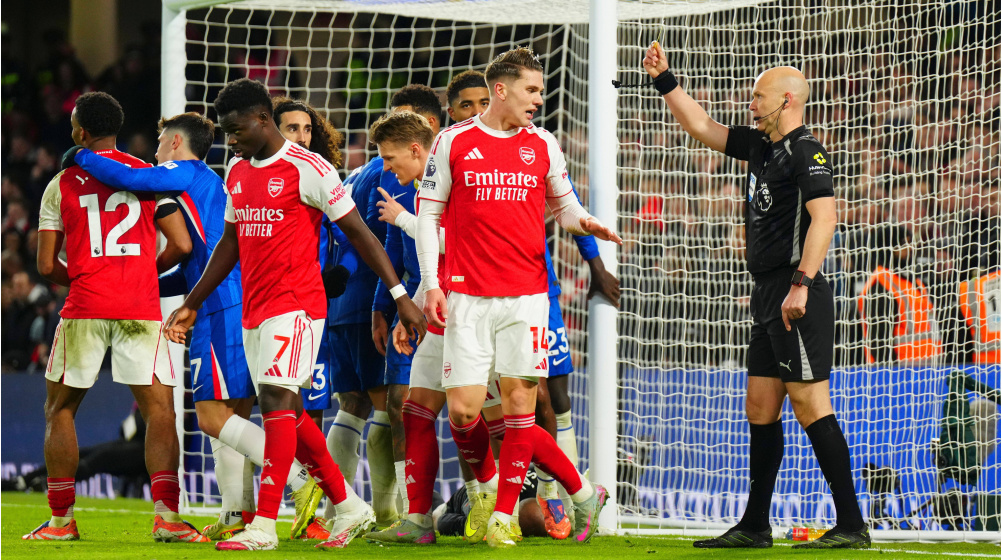
Arsenal first dropped points against Sunderland, then lost Gabriel, and soon after, William Saliba. They failed to beat Chelsea, despite playing more than half the match with a man advantage after Moisés Caicedo was sent off. A victory over Bayern Munich in the Champions League followed, although Bayern did not play at full intensity, allowing Arsenal more control, as both teams were already well positioned in the group.
Arsenal came very close to completely collapsing against Wolverhampton Wanderers, breaking down their defensive block only in the 80th minute after Mikel Arteta introduced his strongest attacking options from the bench.
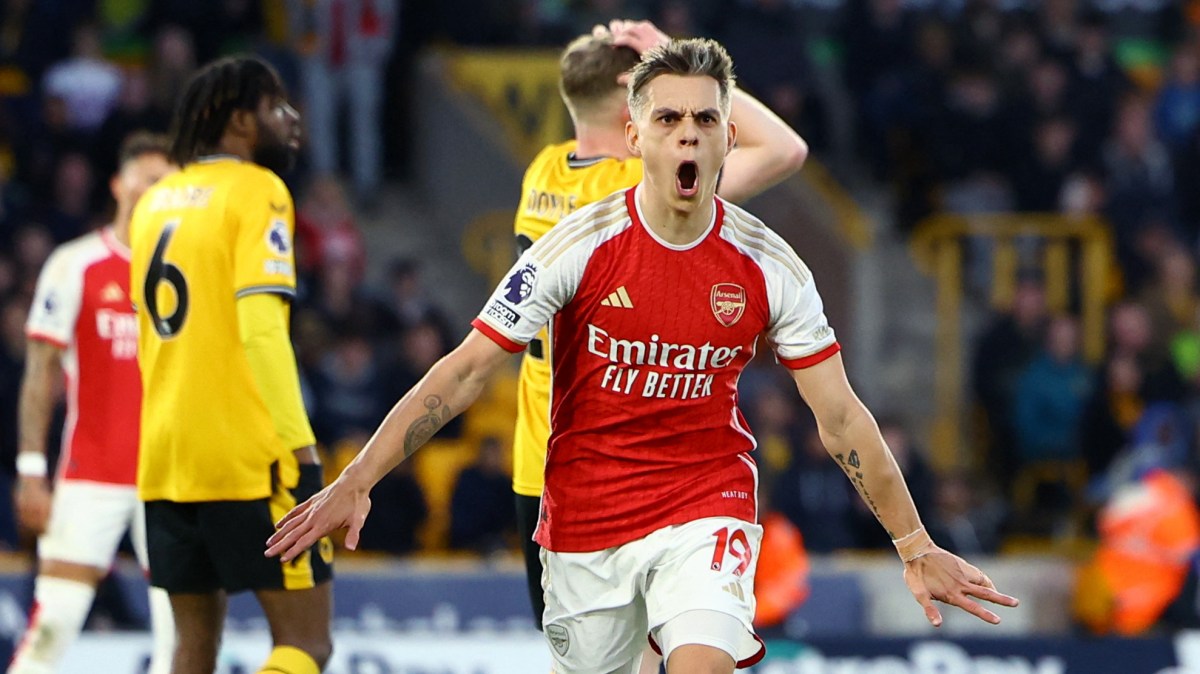
Wolves equalised in the 90th minute, and Arsenal were moments away from dropping more points before scoring deep into stoppage time to defeat a weak Wolverhampton side—one that no team had struggled against in recent weeks. Arsenal and Arteta were close to disaster against Wolverhampton Wanderers; it was 1:1 in the 90th minute, but they scored once more until the end.
This represents a clear downturn for Arsenal. It was evident how easily they could have lost those three points. With Gabriel and Saliba sidelined, Arsenal were left without their primary centre-backs, while Mosquera also became unavailable.
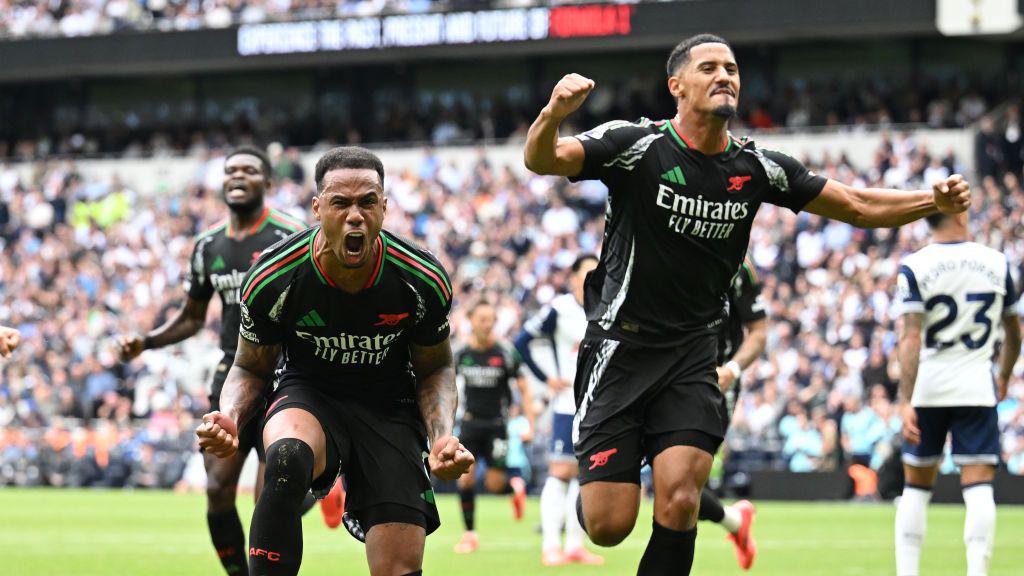
Their replacements from the bench are not on the level of starters like Gabriel and Saliba. Mosquera and Hincapie are not close to the level of starter options.
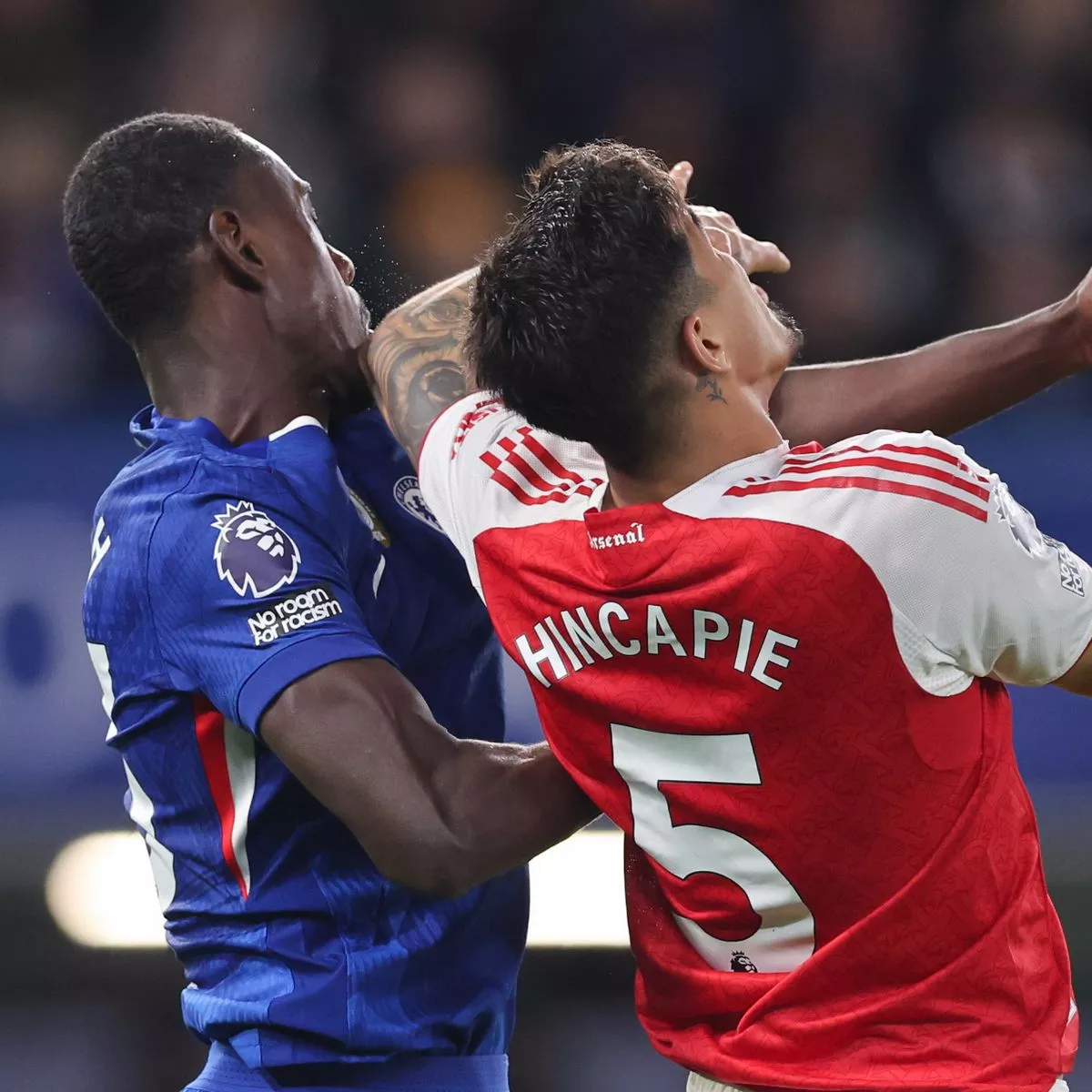
Gabriel and Saliba can’t always be available, and the level of their replacements is not good. They are not bad central defenders: Hinacpie and Mosquera, but they are producing much lower level, and their opponents know they are much more vulnerable than Gabriel and Saliba are. Arsenal opponents know that fact and are taking advantage of it.
What is the problem at Arsenal?
How did Arsenal shift so dramatically from dominant football to a position where they risk losing top spot to Aston Villa and Manchester City?
Firstly, Arsenal’s game is built on defensive stability, with full-backs playing a crucial role. Arteta uses Calafiori and Jurrien Timber aggressively in attack, and their influence is significant. The absence of Gabriel, the defensive anchor, and Saliba, the leader at the back, removed security, experience, and authority from the team.
The very important fact about Arsenal is that they are building their game on the defensive line on the great influence of central backs that are fantastic, and here iconic partnership in the team and the league.
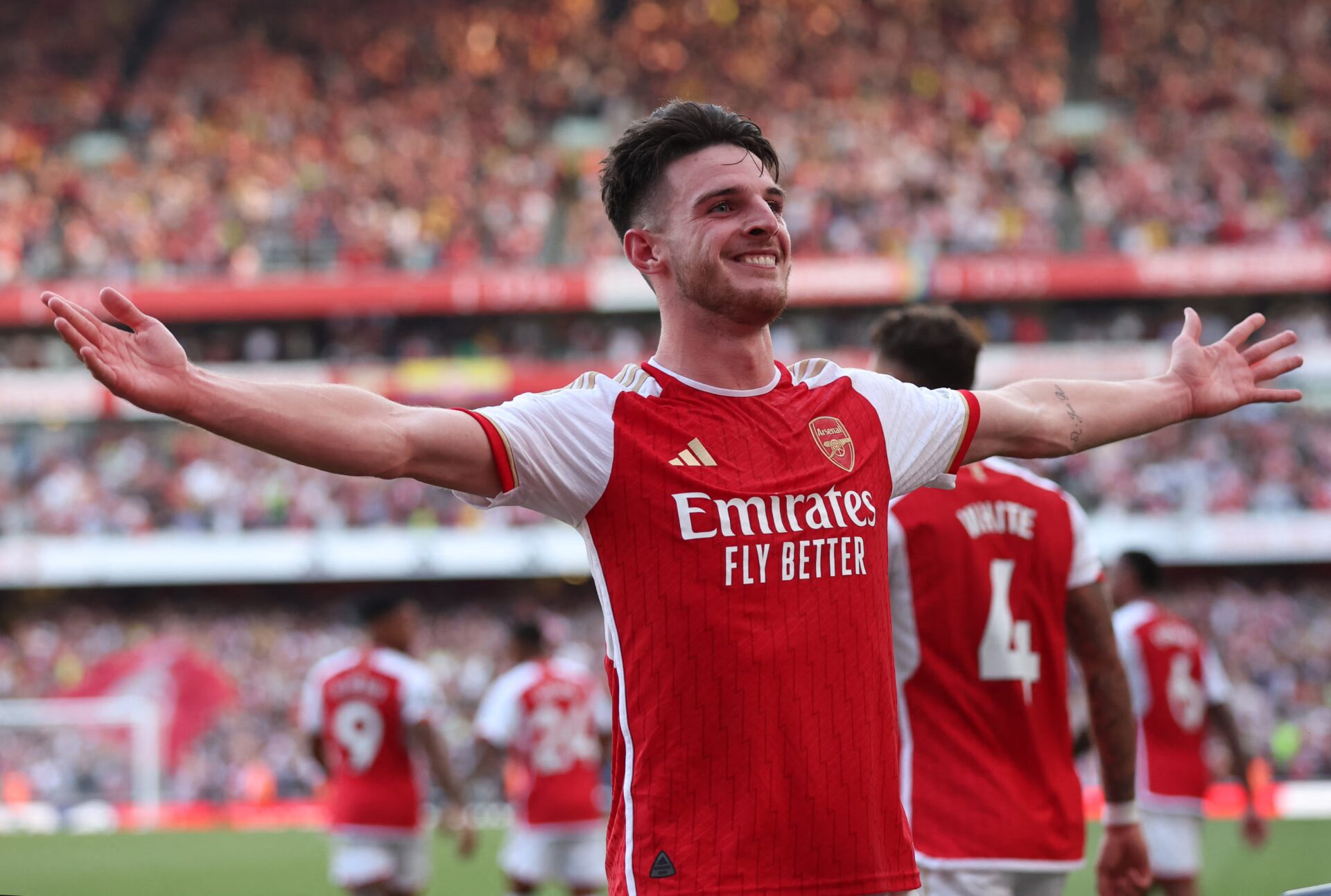
With Calafiori needing rest and Declan Rice required to play constantly without resting, Arsenal’s midfield influence declined, which further exposed the defence.
Arteta had Odegard on the bench, who is a playmaker and was combining with Merino as a false nine, and the drop-off in defensive quality was inevitable. Bukayo Saka’s form at this stage of the season has saved Arsenal, and without him in the team, they would drop many important points.
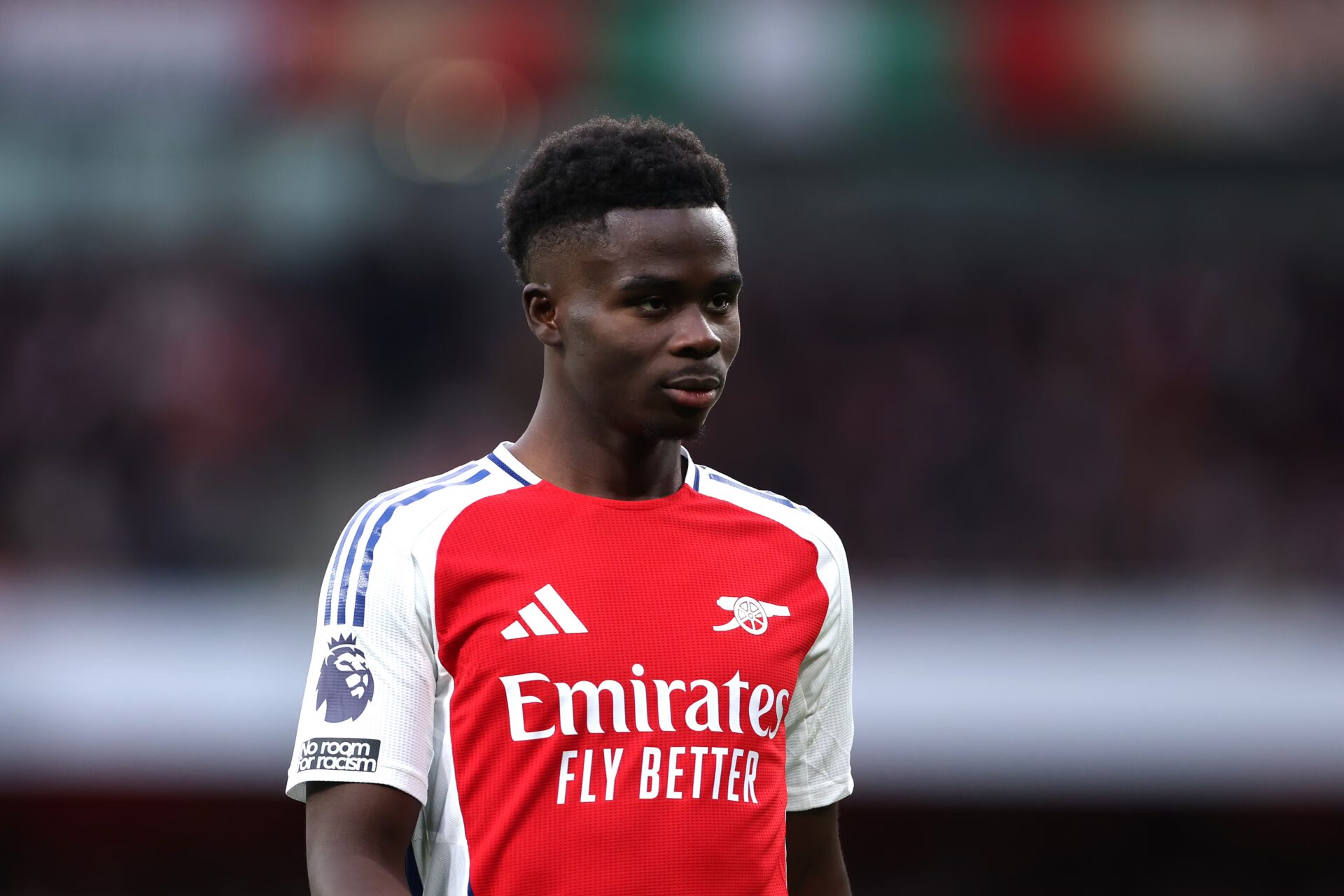
His influence from the right side was outstanding. His crosses were decisive, and it is clear he remains Arsenal’s best attacking player. Madueke is primarily a rotational option for Saka and will remain so. Madueke is only there if Arteta needs something different from the right winger position, something that Noni Madueke brings to the Arsenal game and Saka does not. Simply, if a different player is needed, there with other specifications.
Declan Rice played through illness and a minor injury against Wolverhampton, while Arteta protected a few players (Calafiori) on the bench and introduced them when it was necessary to secure the win in the Premier League. And in the past weeks, those were the keys.
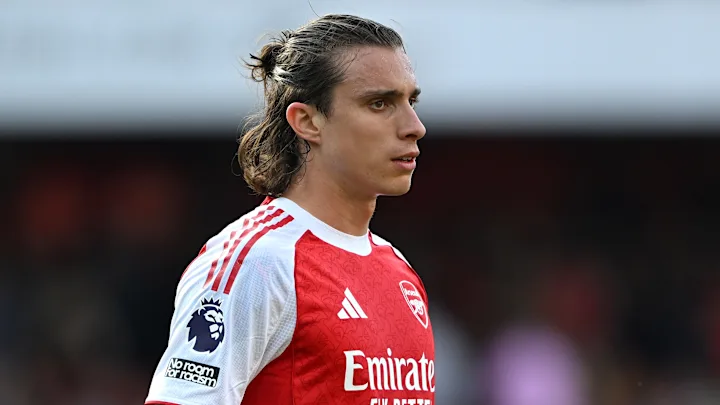
It became clear: Arsenal lack high-quality depth in at centre-back replacement and their bench is not as strong as their starting XI, especially at defence. Rotation exposed the squad’s limitations, just as it became evident that Gabriel Martinelli is currently a significantly weaker option than Leandro Trossard, while Noni Madueke has only recently started receiving minutes on the right flank, and he is not shining at all.
Bukayo Saka was Arsenal was a true leader of the period with goals and outstanding deliveries from the right side.
On the left, Trossard remains a constant threat, while Martinelli has dropped to an average level compared to other left wingers in the league.
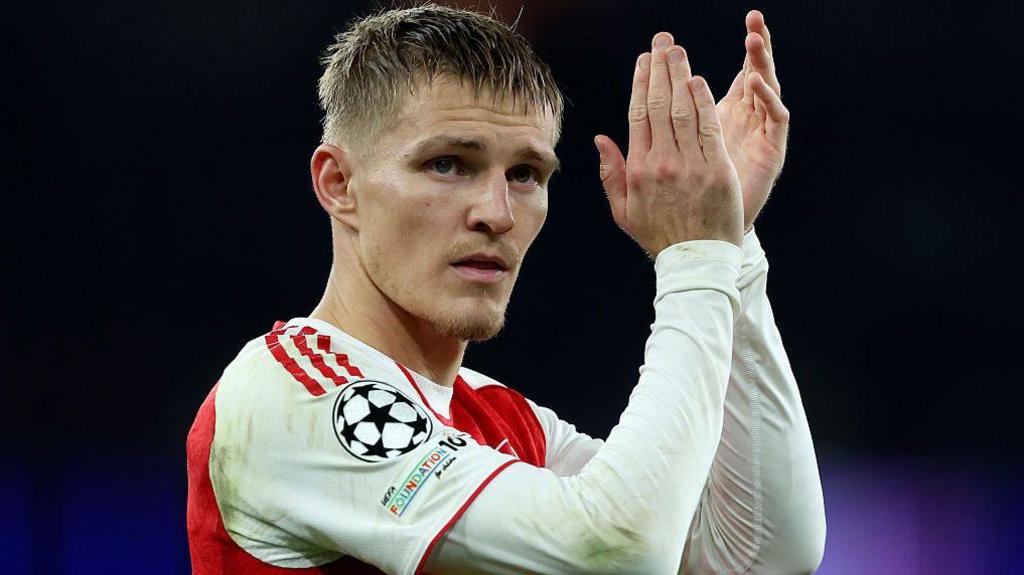
In central midfield, Arsenal rely on Martin Ødegaard from the bench after returning from injury, who was a regular in that role last season. Arteta has recently used Eberechi Eze there as well, but aside from an excellent display against Tottenham, Eze has struggled to make an impact in that position and was average in this position.
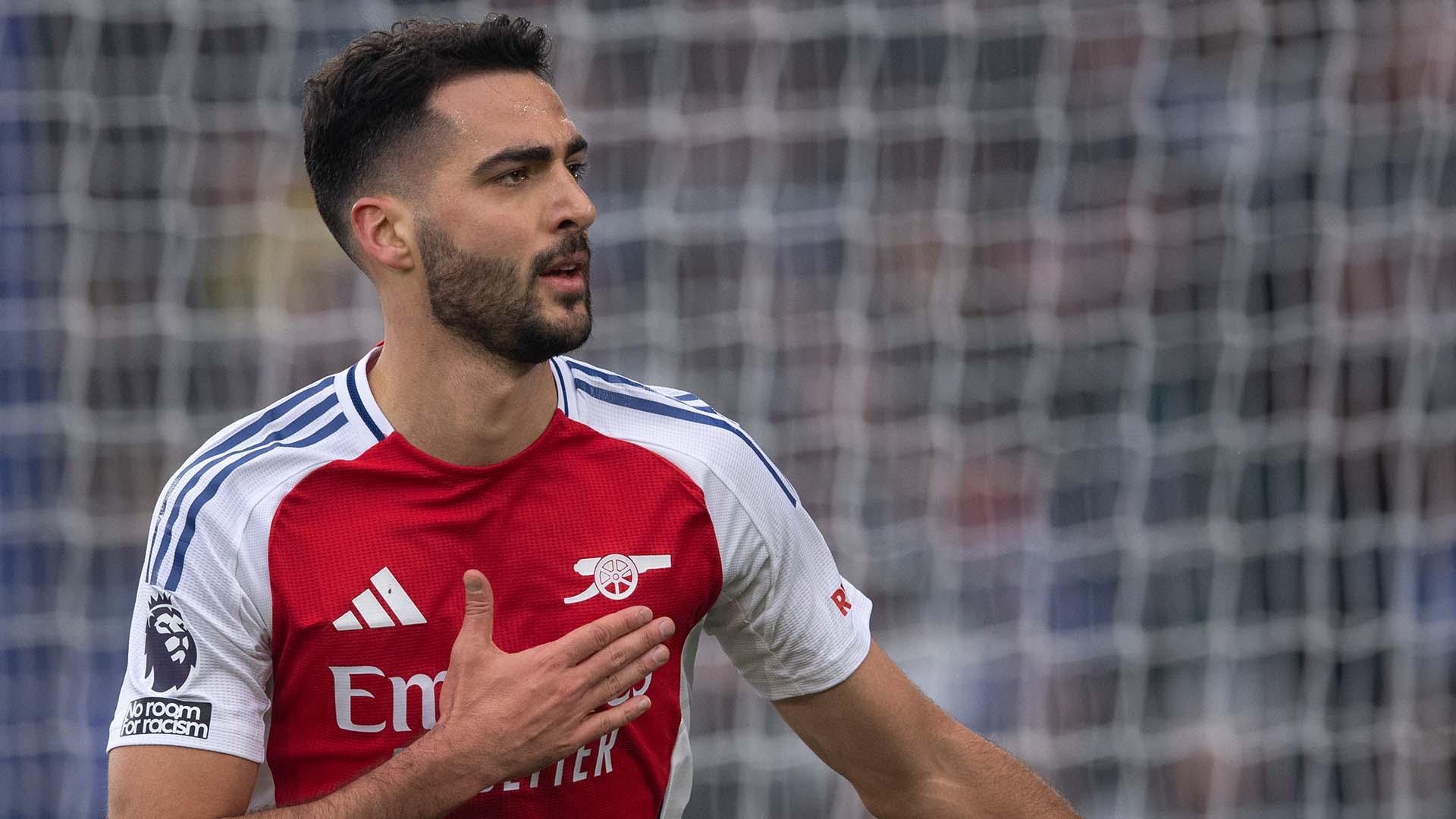
Mikel Merino, whose natural role is central midfield, has also been deployed higher up the pitch, often as a false nine, where he has been notably effective.
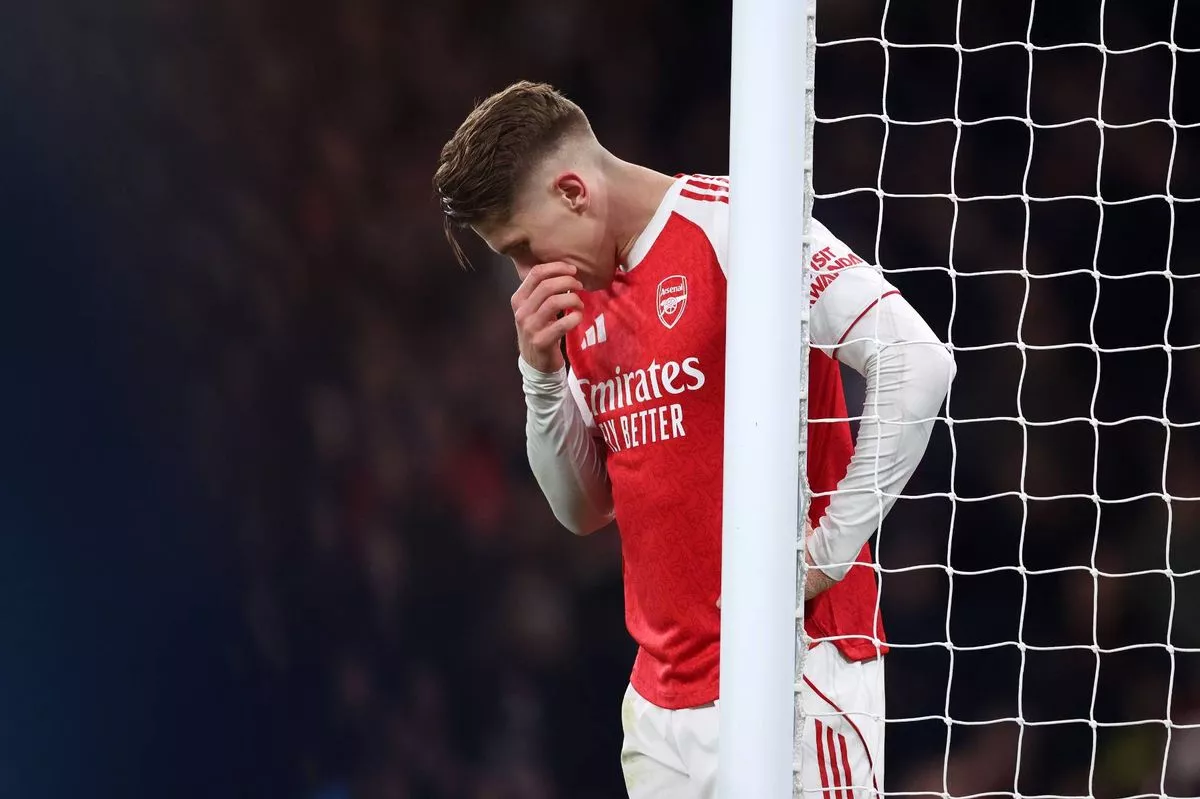
Up front, Arsenal have suffered from inconsistency. Viktor Gyökeres missed time through injury and has been far from impressive since returning. Gabriel Jesus is back from a long-term injury, but does not look capable of making a significant impact beyond occasional appearances.
Arsenal’s form has clearly declined. Their squad is not particularly deep in the title race, and the quality difference from the starting XI to the bench is obvious.
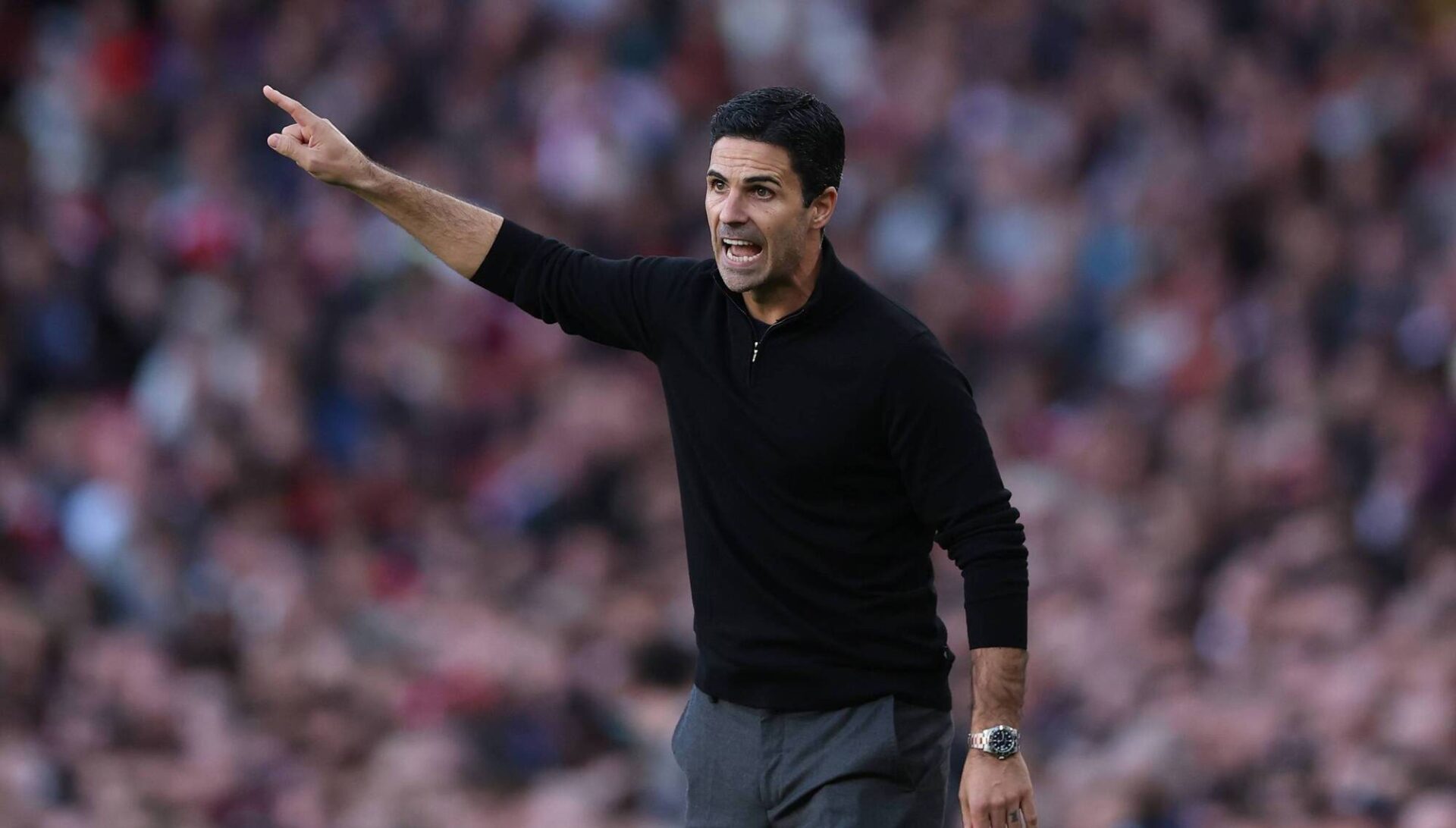
To win the league, Arteta must rotate more effectively and must be able to guess players’ positioning correctly. He needs to know the qualities of his players and has to choose positions wisely, match after match, and manage his resources better than in the past month.
Manchester City rising
On the other side, Manchester City look extremely convincing. With a strong squad, excellent tactical structure, and dominant performances, they are beating opponents with ease.
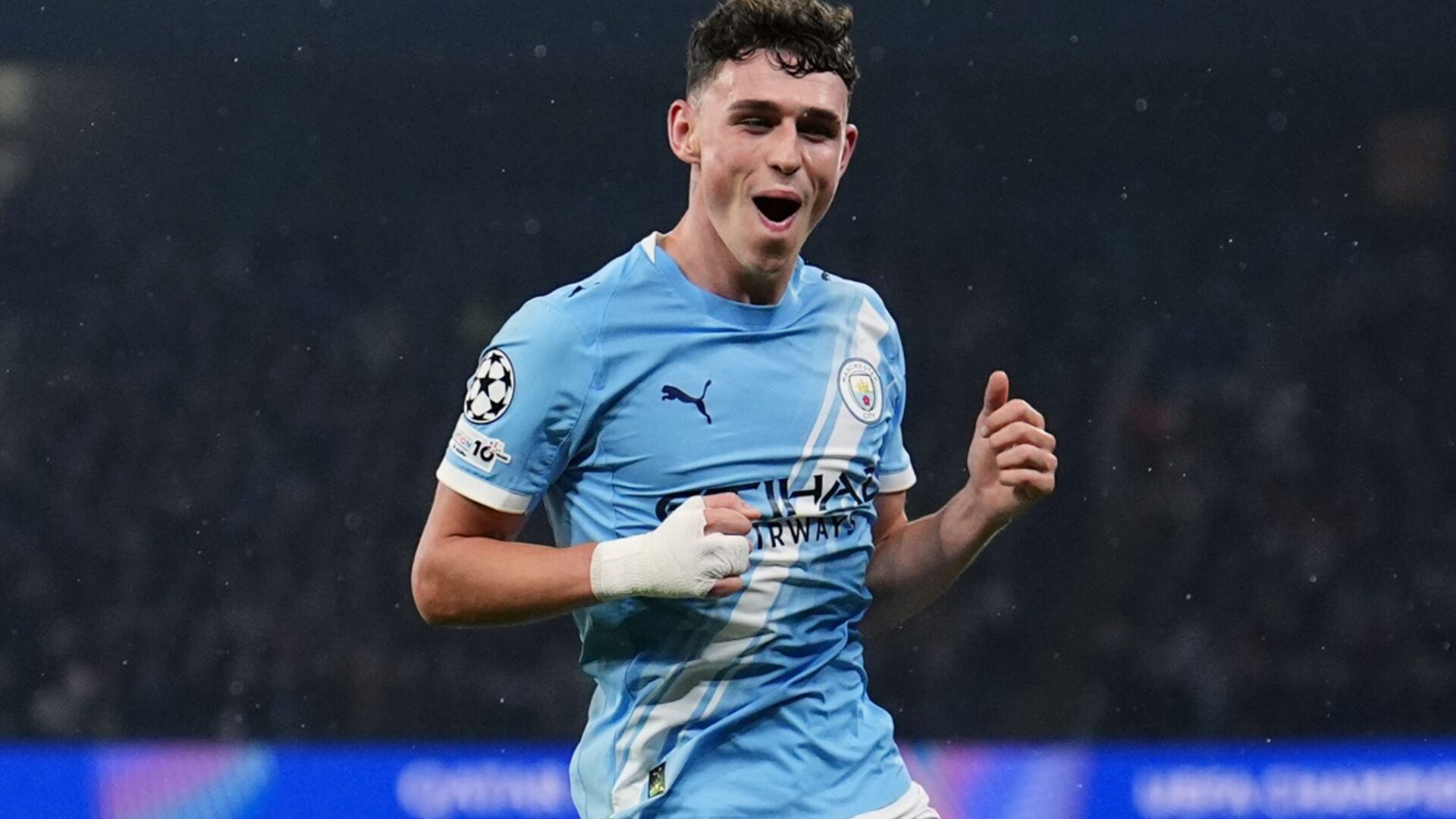
With Erling Haaland in attack and a midfield of Rayan Cherki, Bernardo Silva, Tijjani Reijnders, Jérémy Doku, and Phil Foden, City look outstanding.
Individually, these players are elite, and collectively, City appear mature, balanced, and superior to any opponent they face. With well-integrated full-backs like Rico Lewis and O’Riley, City look powerful and complete.
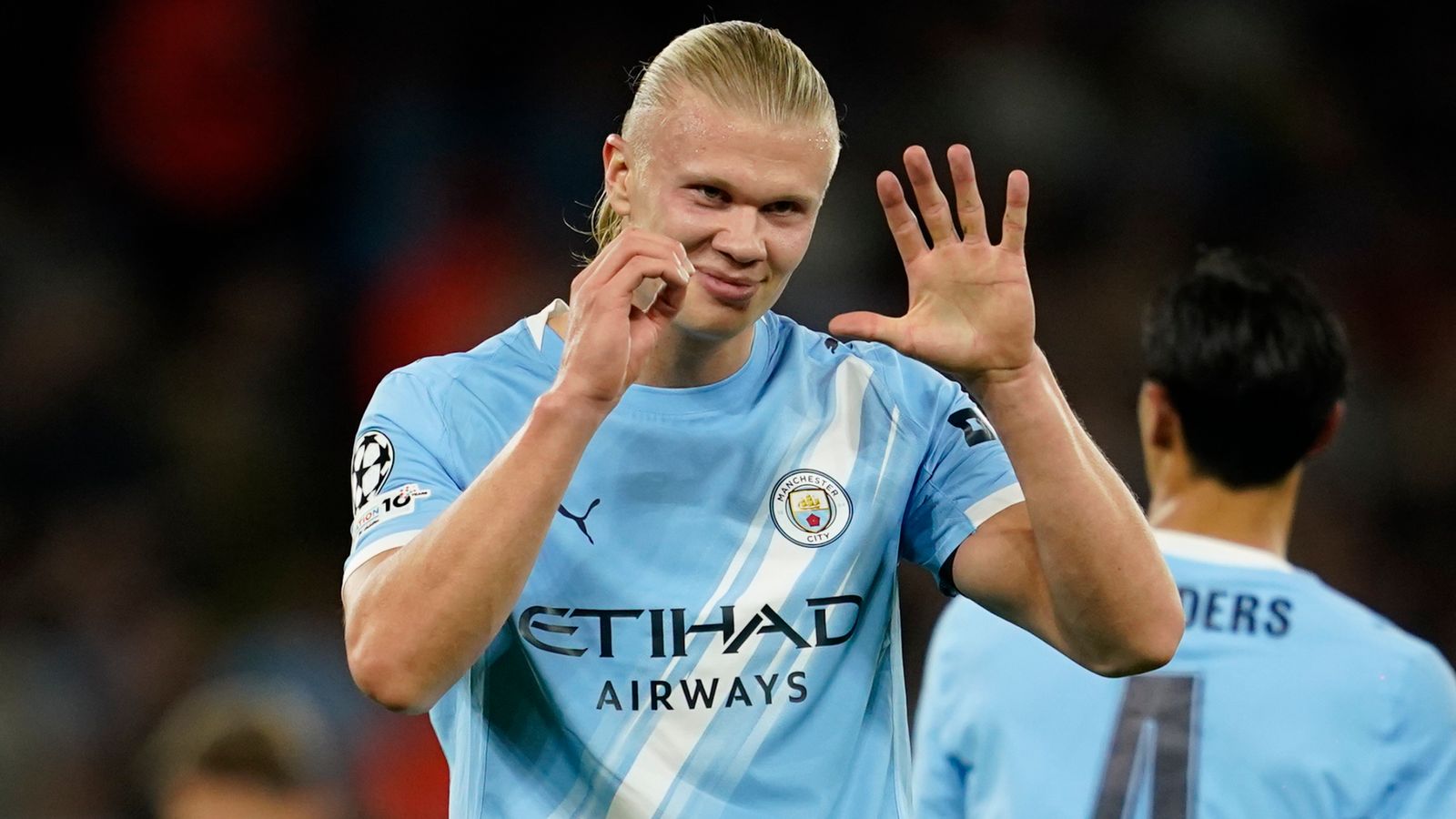
With Foden, Bernardo Silva, Doku (recently injured), and Haaland all performing at a high level, City appear relentless in the title race. The impression is clear: City is currently stronger than Arsenal, with a deeper bench and better collective cohesion.
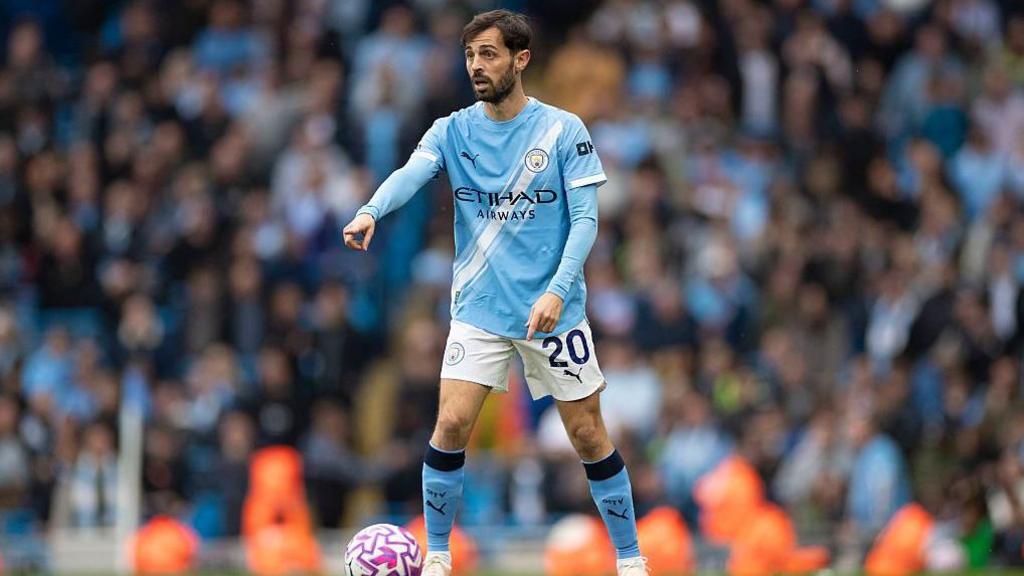
Manchester City have players on the bench who can always turn the situation. They are on a great level, very offence-oriented, they are built well in form and in the perfect playing years. They are young and very decisive. Bernando Silva’s technique is one of the things that I admire.
The team is ready, and Pep Guardiola has made his fantastic Manchester City. The team has started competing, and they are looking great.
Their form in recent weeks suggests they are well-positioned to overtake Arsenal and claim top spot in the Premier League.
About the Author