(Special) CHELSEA- Crucial tactical mistakes made by Enzo Maresca as Chelsea manager- (Analysed) PART 2
 Srećko Šijaković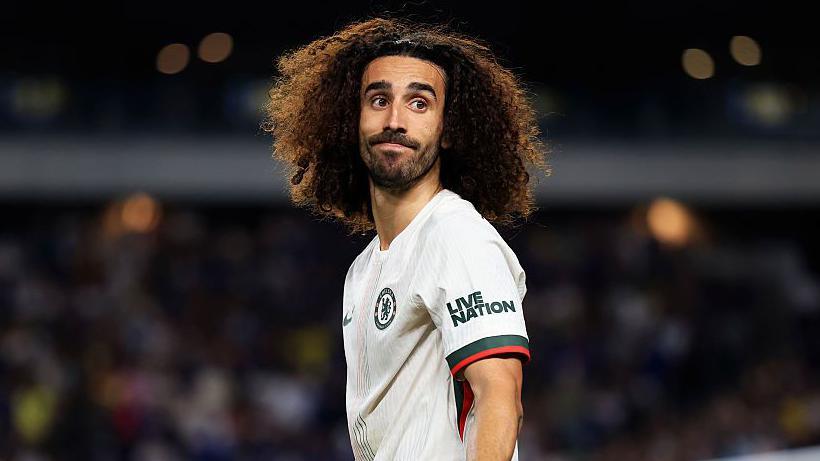
6) Overreliance on Marc Cucurella in attack
Marc Cucurella controlled everything on the left side. He was completely relied on in the attacking aspect of Marescas’ geme despite being primarily a defender with very limited attacking abilities and qualities. And what about Alejandro Garnacho?
Expensive winger has not been controlling the attacks from he left side, he was in the background completely backed with Cuccurella’s preferences in terms of creating the attacks. Cuccurella was always parked in front of the opponent’s box and has been waiting for the ball for a very long time.
However, his offensive qualities are limited. He lacks height and refined technique and needs too much time to control the ball or make a pass. He first receives the pass slowly, and his technique with the ball is not too great since he has spent his all career as a defender.
Hi is slow with the ball and needs a lot of time to run around after receiving the ball on his feet. His offensive football is not good since he rarely makes a cross and is not a good finisher, allowing Premier League defenders to position themselves comfortably and neutralise him.
He also slows Chelsea’s attacks and is not difficult to stop. He is not known for the quality of his crossing, yet this was enough for Maresca. He was insisting on his offensive positioning and gave him a key role in the attack on Chelsea.
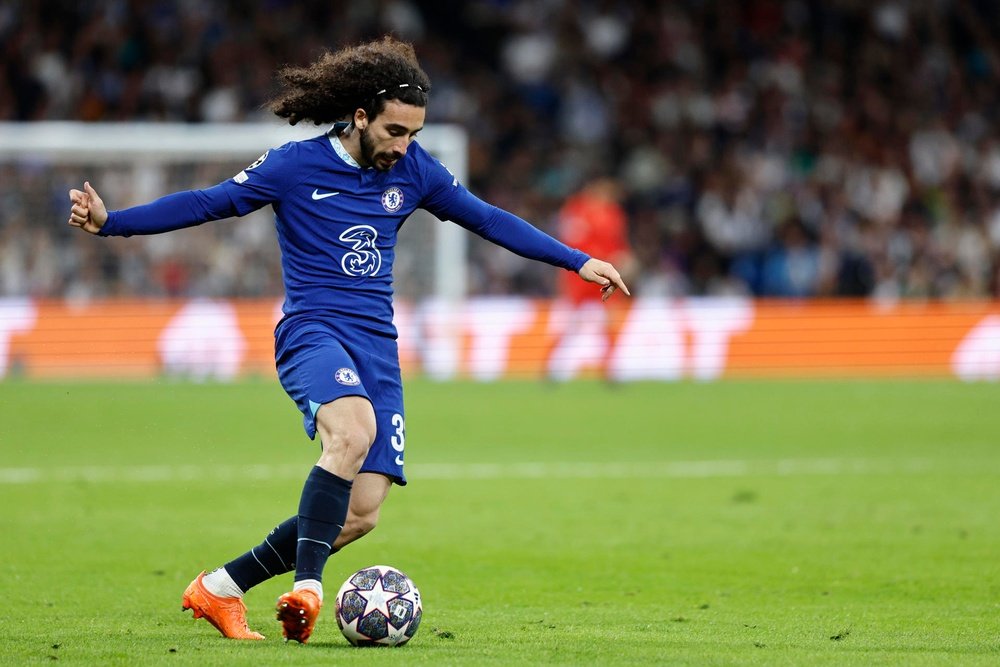
Maresca’s system relied heavily on Cucurella’s advanced positioning, which resulted in several goals last season. This led Maresca to prioritise Cucurella’s offensive role over Garnacho’s.
Garnacho, a natural winger, was pushed aside because Maresca became fixated on Cucurella. Although Garnacho scored goals, his game was tied to dribbling and wide runs, often waiting for Cucurella’s decisions in the attacking phase.
7) Playing Joao Pedro on the attacking midfield position and avoiding Facudno Buonanotte– A loaned player.
Maresca was not impressed by Facundo Buonanotte and was dissatisfied with the Brighton loanee. Buonanotte, brought in as a replacement option for Cole Palmer, did not suit Maresca’s taste. The young midfielder played mainly in less important matches, where he left a strong impression, yet he was marginalised. Nevertheless, he is an excellent footballer whose offensive potential Maresca failed to recognise.

Buonanotte was not to the Italian’s liking, but João Pedro was, despite losing countless balls while playing as an attacking midfielder.
8 Reece James was the biggest pillar of Enzo Maresca’s team. He became the manager’s favourite player, and after returning from injury last season, he scored a stoppage-time equaliser against Bournemouth. Moving him in midfield, Maresca has lost his best defender, and the defence becomes extremely vulnerable
From that moment on, Reece James became indispensable, and in important matches, Maresca never left him out of the team. His free kick and goal against Benfica at the Club World Cup represented the highlight of Maresca’s tenure. The Italian coach placed enormous trust in the Englishman, who became one of the most important players in Maresca’s system. Reece James delivered some of his best defensive performances under Maresca, who consistently selected him whenever possible.
However, in the latter phase of Maresca’s mandate, Reece James was reassigned to midfield. While this brought positive results against Arsenal and Barcelona, the decisive defensive problems ultimately cost Enzo Maresca his job.
Chelsea lost their best defender, with Recce in midfield, who was transformed into a central midfielder, and the defensive line became extremely vulnerable.

Mistake after mistake, combined with a large number of conceded goals, destroyed Maresca’s Chelsea project. At the same time, João Pedro, operating as an attacking midfielder, repeatedly wasted possession and misplaced key passes, driving both Maresca’s Chelsea and the manager himself to the brink and toward an inevitable dismissal.
The truth is, the Chelsea defensive line has become significantly worse since Reece James stopped playing his position in defiance. This is a main reason why Maresca lost his job at Chelsea.
9 Maresca relied heavily on players from his first season, while ignoring new signings such as Andrey Santos, Jamie Bynoe-Gittens, Facundo Buonanotte, and Jorrel Hato.

10 Chelsea needs a manager who understands how to use his players properly, values possession and passing, and does not suppress creativity through rigid tactical structures. He was constantly insisting on the lines’ pattern and positioning, which stifled creativity.
The defensive mindset and constant insistence on strict positioning showed that Enzo Maresca was tactically unprepared for Chelsea’s current project. His system collapsed, and João Pedro exposed the flaws in Maresca’s attacking philosophy at a club expected to compete for the highest honours in the English Premier League.
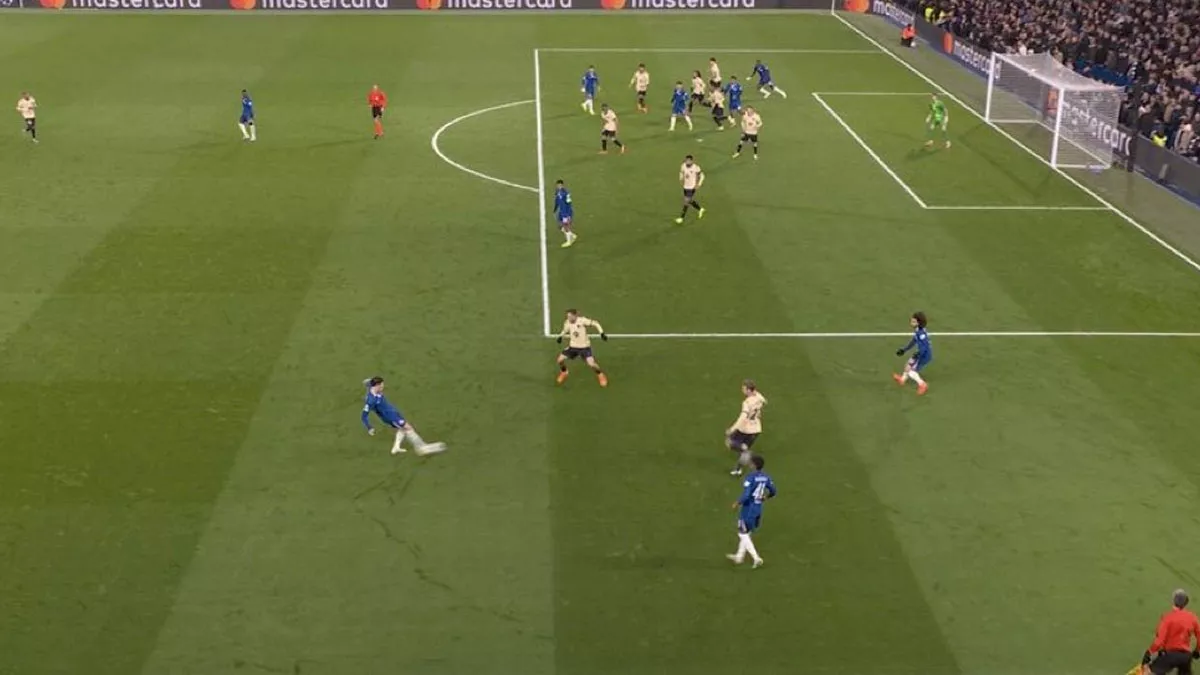
Chelsea needs a manager who can lead the team and manage the squad with quality, not one who rigidly insists on his own tactical positioning in attack while failing to understand the most basic element of football: passing, which creates possession.
11 The midfield could have unlocked Maresca’s system. With Buonanotte in the attacking midfield role, supported by Andrey Santos and Enzo Fernández,
Chelsea could have progressed the ball through intelligent passing to Estêvão Willian, Buonanotte, and Cole Palmer. Through controlled, possession-based football, Chelsea could have created numerous chances and scored frequently.
Instead, Enzo Maresca persistently dictated and effectively “drew” the attacking positions of his players, extinguishing their creativity and undeniable offensive potential.
12 The defensive approach and constant insistence that he knew best where every player should stand in the attacking phase demonstrated that Enzo Maresca was not tactically suited to Chelsea’s current project. He was missing heavily in the offensive part of the game. His attacking concepts and man-to-man defensive approach collapsed entirely and were “overcome by Chelsea.
About the Author