West Ham United: An Old Club Clinging to the Lowest Branches! This is poor, so poor!
 Srećko Šijaković
West Ham United are a club historically associated with relegation, and not in a narrow or unlucky sense. When West Ham collapses, they do so violently—through heavy defeats, structural breakdown, and a complete loss of tactical control. We all remember many West Ham hard and brutal seasons in the Premier League in which they were completely tied with the rock bottom.
Since December 2024, the club has not merely stagnated; it has regressed. There is no visible tactical development, no evolution in structure, and no evidence of knowledge on coaching position.
Tactics:
West Ham nominally line up in a 4-2-3-1, but in reality, it functions as a disorganised 4-4-2. The midfield is split vertically, pressing is uncoordinated, and distances between units are excessive. Opponents progress through central zones with minimal resistance.
If they somehow avoid relegation this season, they will be last next year
If West Ham avoid relegation this season, it will be through luck, poor performances from others, or isolated moments—not through a functional tactical model. Avoiding the drop would only postpone the inevitable. At their current level, West Ham would enter next season as the weakest team in the league.
Overrated stars, no cohesion and structure between lines on the pitch:
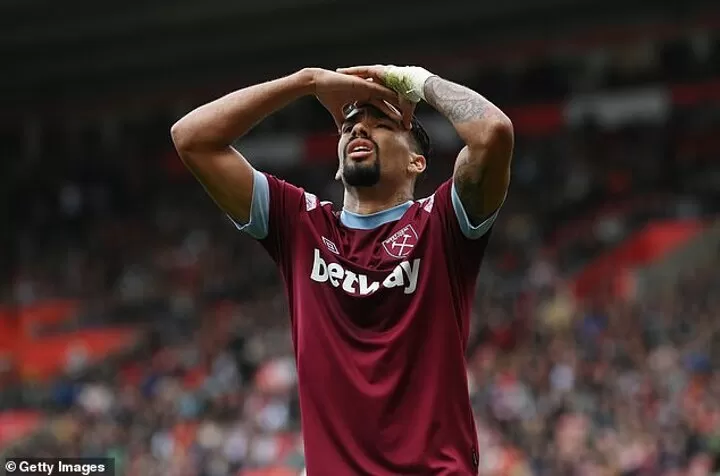
Lucas Paquetá is treated as a star, but his influence is largely cosmetic. He drifts without purpose, contributes little defensively, and rarely controls tempo. He is a player for clips, not for structure. In decisive moments, he disappears.
Crysencio Summerville offers pace and technique but almost no production. His actions are isolated, unsupported, and predictable. There is no tactical framework designed to maximise his strengths.
Possession structure:
In possession, West Ham produces a sterile U-shape. Centre-backs circulate the ball horizontally, full-backs remain conservative, and central progression is almost non-existent. There are no automatisms, no coordinated rotations, and no positional discipline.
The Moyes Effect: Relegation Is Inevitable
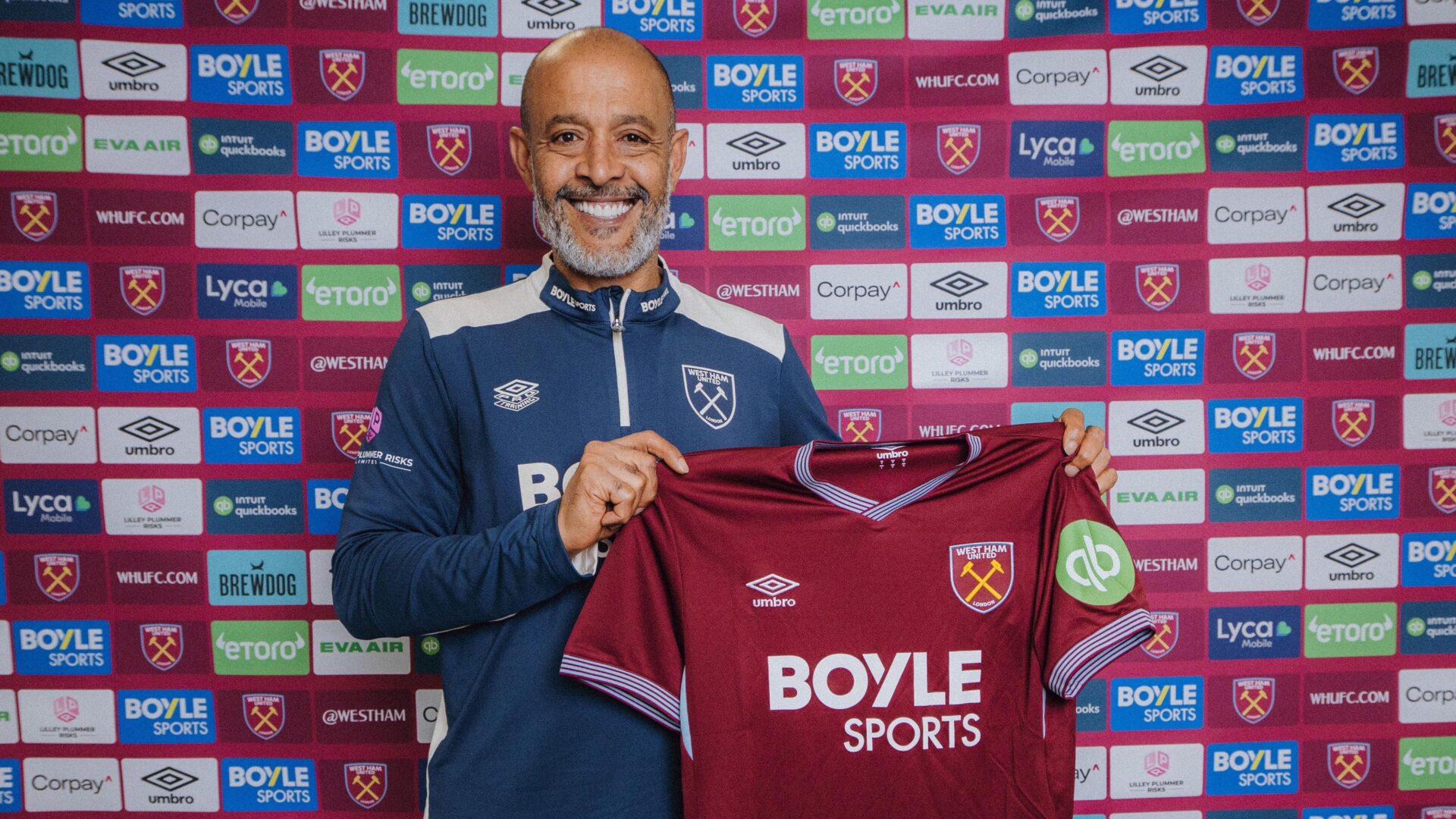
There is a consistent pattern in teams coached by David Moyes: initial stability followed by tactical stagnation and eventual decline. West Ham is at the final stage of that cycle.

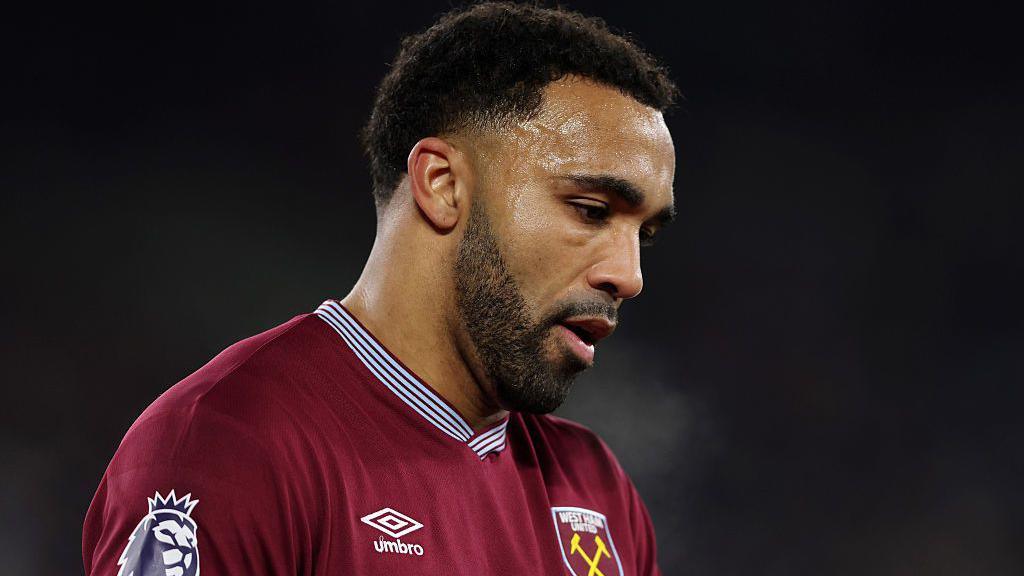
The attack is fundamentally broken. Jarrod Bowen is forced to cover multiple roles—winger, forward, outlet—but he is not a creative hub. He thrives in transition, not in structured possession. Without a proper striker, West Ham cannot fix opposition centre-backs or create central superiority. Calum Wilson is not believed by Santo; he has zero belief in the West Ham striker. He has passed his prime ages ago, but could still be valuable for the team.
The penalty area is chronically under-occupied. One attacker attacks the box, midfielders stay outside, and crosses arrive without targets. Shot quality is low, and chance creation is poor.
Results That Expose the Reality
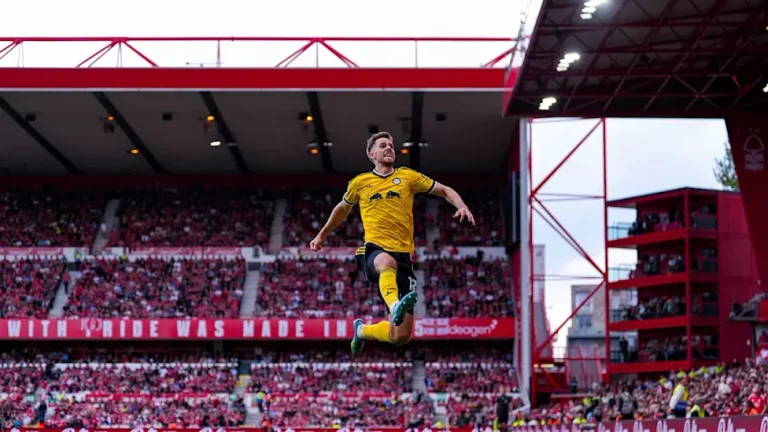
The loss to Nottingham Forest was damning. West Ham took the lead and still managed to lose due to complete game-state mismanagement. They dropped too deep, lost midfield control, and invited pressure.
The defeat to Fulham followed the same pattern—an entirely winnable game thrown away through tactical passivity.
Their win against Newcastle was misleading and owed more to a catastrophic performance by Nick Pope than any West Ham superiority. The Burnley victory was equally flattering, achieved against a side already in structural collapse.
Once ahead, West Ham retreats into a defensive shell. There is no mid-block, no attempt to control tempo, and no pressing trigger. The team simply waits to concede.
Recruitment Too Late, Quality Too Low
West Ham signed two new strikers, but neither solves the structural issues. Both require time to adapt, and time is a luxury West Ham does not have. By the time they are integrated, the season will likely already be lost.
The coaching staff offer no alternative plans. No tactical flexibility. No in-game adjustments. No proactive identity.
Regardless of opponent, match state, or scoreline, West Ham repeats the same patterns: deep block, long clearances, isolated attackers. Opponents know exactly what is coming—and how to exploit it.
Final Assessment

West Ham United are not unlucky. They are not transitional. They are poorly coached, tactically outdated, and structurally flawed. Since December 2024, the team has shown every classic sign of a relegation-bound side: passive defending, incoherent possession, and reliance on moments rather than systems.
Unless there is radical change—managerial, tactical, and structural—West Ham are not fighting relegation.
They are drifting toward it.
About the Author