Anfield Diaries of Arne Slot: Liverpool’s final decision over Arne Slot’s future…
 Srećko Šijaković
 Arne Slot will stay in Liverpool for the next season of 2026/2027. Officially,

Liverpool has already made their decision and, as many analysts expected,Arne Slot will remain the head coach next season. His departure was never truly on the table. The Dutch manager, already viewed as one of the league’s biggest success stories, has earned continued trust after leading Liverpool through an important transitional period following the departure of Jürgen Klopp.
Slot arrived at Liverpool during one of the club’s most delicate moments in recent history: the end of the Klopp era and the beginning of a generational rebuild. Replacing a legendary figure is one of the most difficult tasks in football, yet Slot handled the pressure with intelligence, calmness, and tactical clarity.
Deeply influenced by Dutch principles as a coach.
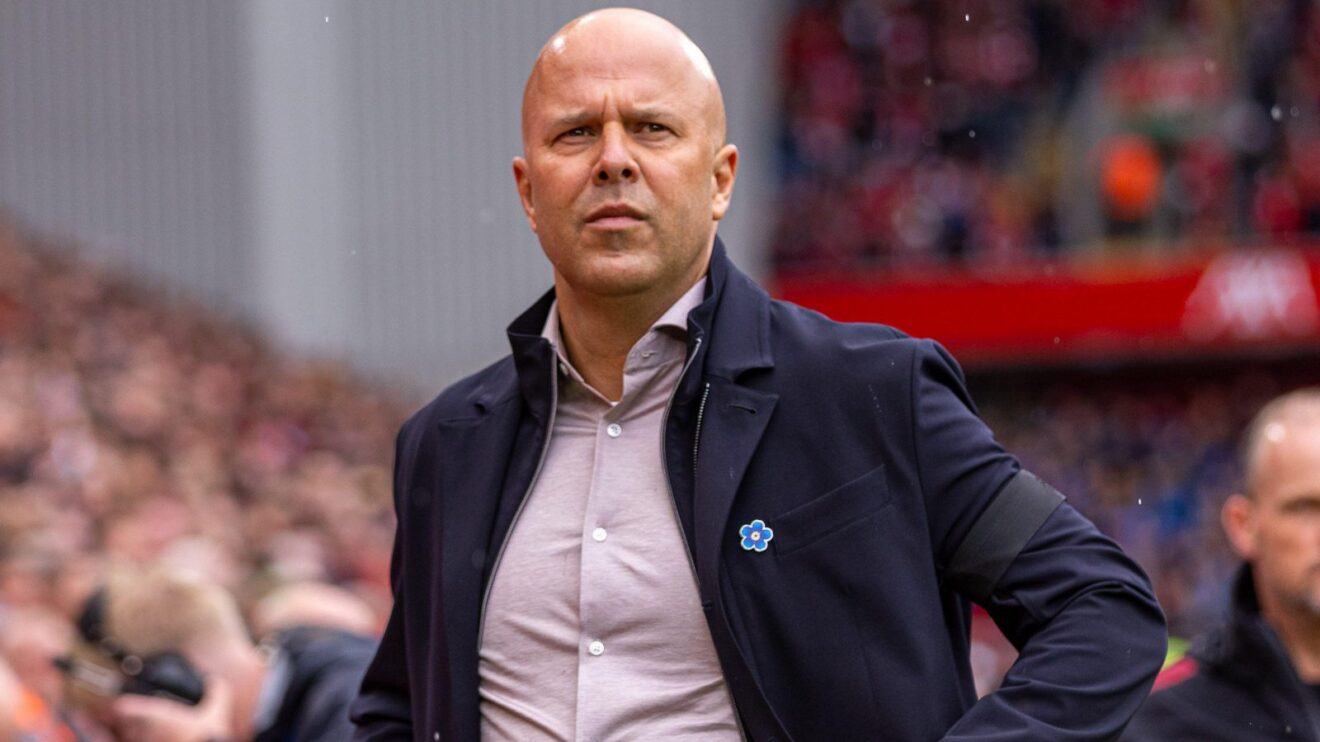
His football is deeply influenced by Dutch principles — positional structure, aggressive attacking patterns, fluid movement, and collective responsibility in possession. But what separates Slot from many modern coaches is his ability to maximise the group he already has rather than constantly demanding entirely new squads.
This season, Liverpool often operated with a very limited rotation. Despite that, Slot built a team with a clear offensive identity, high intensity, and tactical flexibility. Even without many reliable options from the bench, Liverpool remained competitive because Slot approached every opponent differently while maintaining the same attacking mentality and proactive structure.
That is why many analysts consider Arne Slot one of the best head coaches in the Premier League today. His tactical preparation, match management, and ability to improve collective structure have been exceptional.
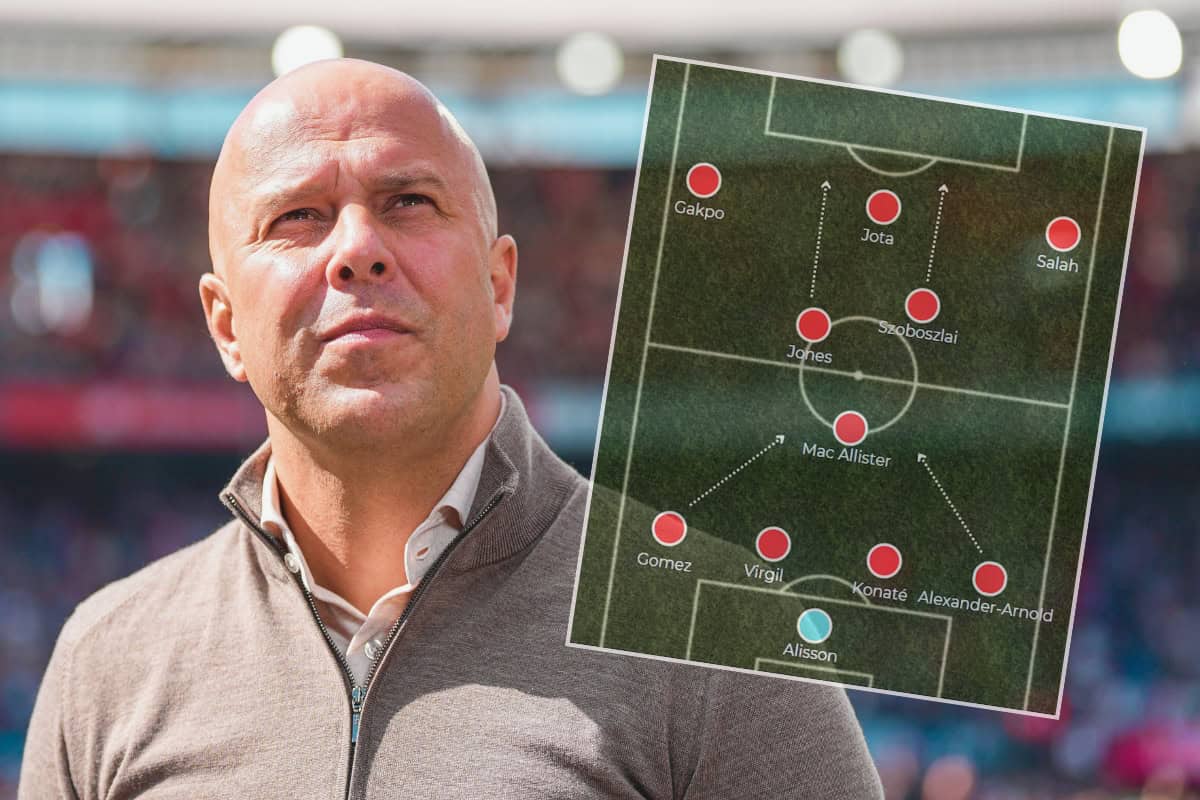
However, there is also an important distinction: being the best coach does not automatically mean being the best manager in the broader sense. Squad-building, long-term rotation management, recruitment influence, and maintaining sustainability across multiple competitions require different dimensions.
Liverpool’s next objective is now obvious: build greater squad depth.
A stronger bench and more reliable rotation options would not only improve Liverpool tactically but also physically. Too many key players were forced to carry enormous workloads this season. Ibrahima Konaté, Virgil van Dijk, and Dominik Szoboszlai played an exhausting number of minutes throughout the campaign because Liverpool simply lacked enough trusted alternatives.
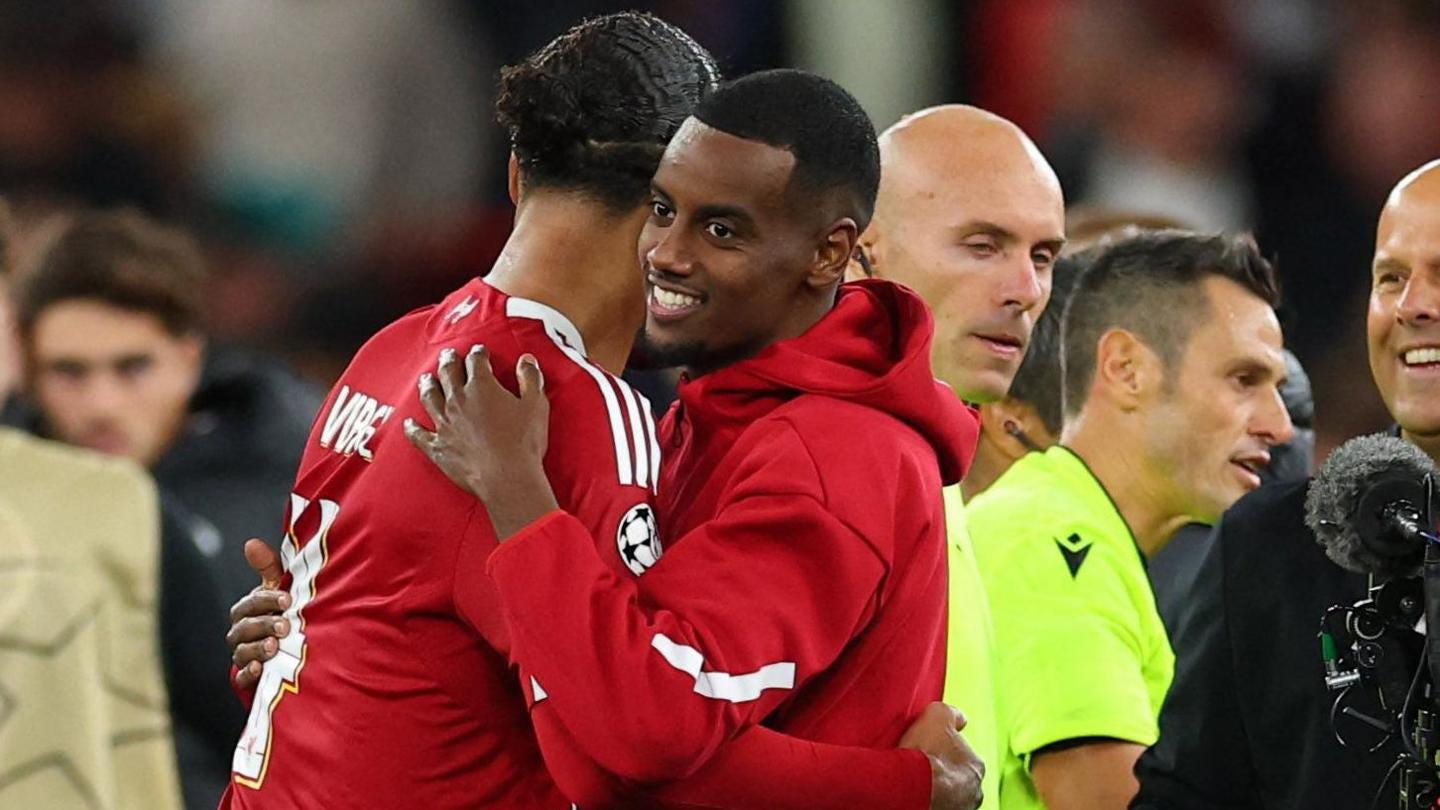
That became one of the biggest problems of the season. But Slot played very well despite the Circumstances. He secured the club’s main objective for the season — qualification for the UEFA Champions League next season.
With better squad depth, Liverpool could become even more dangerous next year: fresher physically, more stable across competitions, and tactically more flexible. The foundations already exist.
About the Author