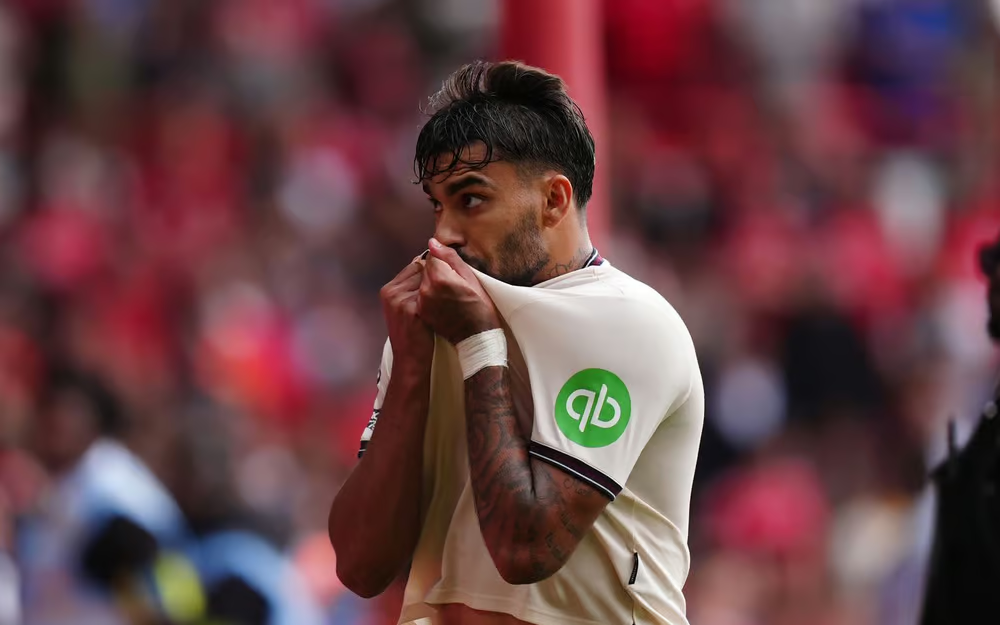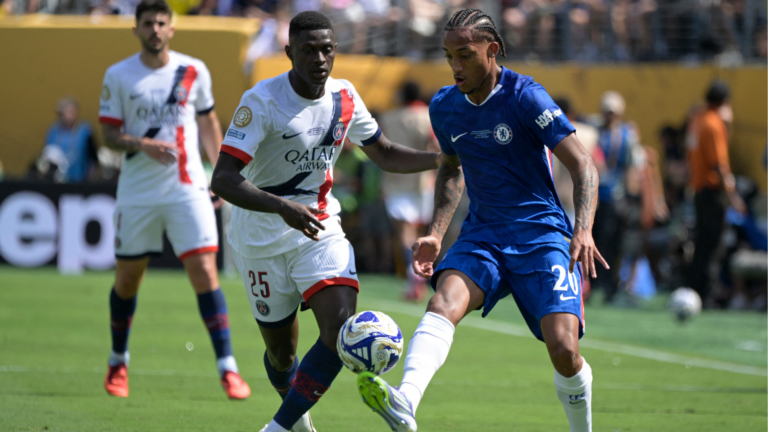
The first match week against Liverpool showed Bournemouth’s weaknesses to the fullest:
Bournemouth entered the new Premier League season alarmingly, and the warning signs were evident from the start. The opening-day defeat against Liverpool was not concerning because the reigning champions won 3–0, but because of how Bournemouth lost the match.
The performance was disjointed, passive, and devoid of any clear tactical or emotional identity. There was no compactness between the lines, no cohesion in possession, and no recognisable structure without the ball. Defensively, Bournemouth were close to catastrophic, committing repeated individual errors, while goalkeeper Đorđe Petrović delivered another performance that raised serious concerns about reliability at this level.
The club model issues, the small club mentality- Board strategy and model
The fundamental question is simple: what has happened to Bournemouth? The answer lies in the systematic dismantling of the squad over recent seasons. Too many key players who reached a high competitive level in the Bournemouth shirt were sold, one by one, to wealthier clubs. As a result, the team lost not only quality but continuity, leadership, and identity.
The issue is also psychological. Incoming players do not see Bournemouth as a long-term sporting destination; instead, the club is widely perceived as a stepping stone—a platform to showcase talent before securing a move to one of Europe’s elite clubs. This mentality inevitably seeps into performances on the pitch.
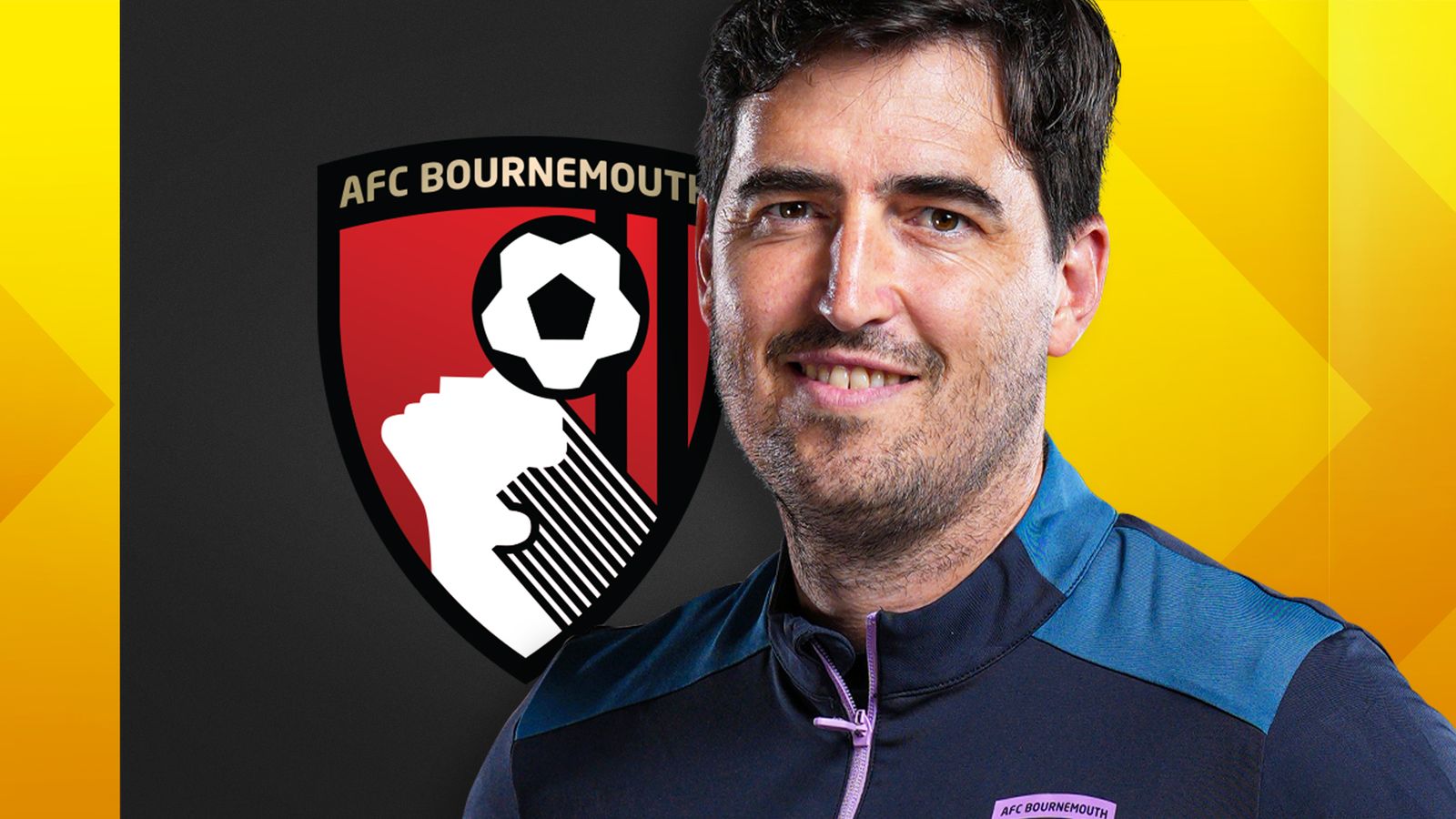
Such a situation leaves a bitter taste for the coaching staff and manager. Starting each season with the assumption that your best players may soon be sold—sometimes even before the campaign begins—is corrosive. Bournemouth have earned significant transfer income, but the cost has been severe: a loss of identity, erosion of reputation, and a tactical model under Andoni Iraola that no longer produces consistent results. The club has absorbed countless blows over recent seasons and has failed to establish itself as a stable top-half Premier League side, instead repeatedly revealing structural weakness.
Game plan- Tactics
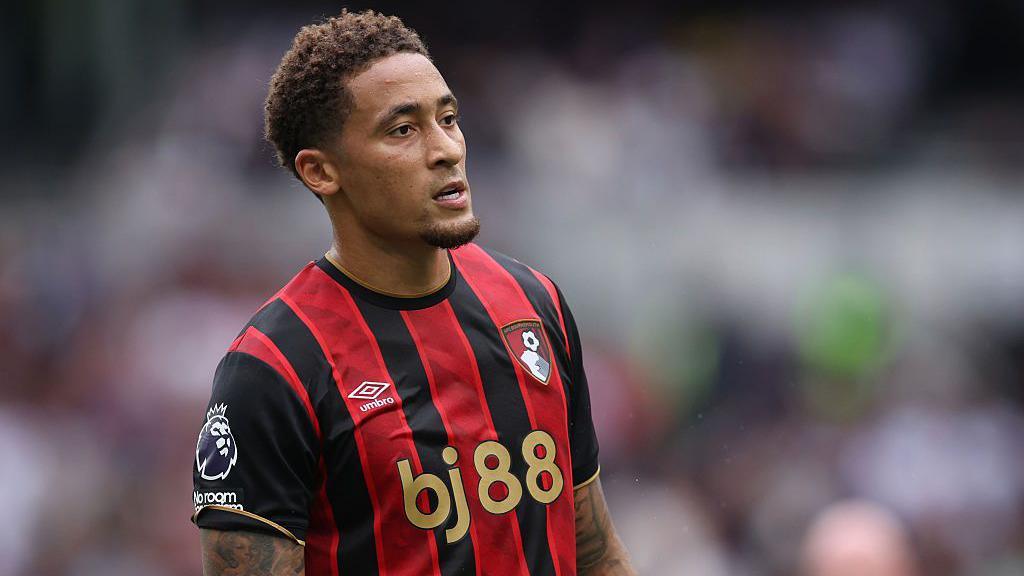
Last season, Bournemouth’s football often felt unpredictable and difficult to read, which brought positive results. However, that unpredictability has carried into the new season without the same execution or quality. The team still plays with high physical intensity, a lot of running, and aggressive forward movement. They attempt quick transitions with multiple players flooding forward. Players like Tavernier are simply not operating at the required standard, and the overall style has become ineffective and uninspiring.
They no longer control key phases of the game. Opponents now approach matches against Bournemouth with confidence, fully aware that the team can be beaten.
Worryingly, despite Bournemouth not yet being in the relegation zone, their performances suggest a level far below their current league position. Even sides such as West Ham United or Burnley, despite poor runs of results, appear more competitive and coherent than Bournemouth at present.
The key to the situation:
The recurring issue of player sales must be addressed directly. This is not Iraola’s fault. He developed these players, built a tactical identity around them, and maximised their potential. The supporters are not to blame, nor are the players themselves. The responsibility lies squarely with the club’s structure and long-term strategy, which sees four or more starting players sold every transfer window. From Iraola’s perspective, it is profoundly frustrating to rebuild the squad every summer only to start again from zero. This approach may be financially sustainable, but it is sporting stagnation—and it is not what the supporters want or deserve.
Had Bournemouth retained their core squad, this could have been a team pushing for European qualification, even the Champions League places, with incremental reinforcements strengthening an already competitive side. The talent level suggested that such a trajectory was realistic. Instead, the club has chosen to become a marketplace rather than a project. Rather than building a football institution with a defined philosophy, Bournemouth have positioned itself as an intermediate step toward bigger clubs. As a consequence, instead of dreaming about Europe, the club is once again facing a potential relegation battle.
Andoni Iraola is not the culprit. At one stage, his team competed near the top of the table and showed genuine tactical maturity. Losing your identity once is damaging; losing it five, six, or seven times is institutional failure. Iraola is now unfairly portrayed as the problem when in reality, he is managing the consequences of repeated squad dismantling.
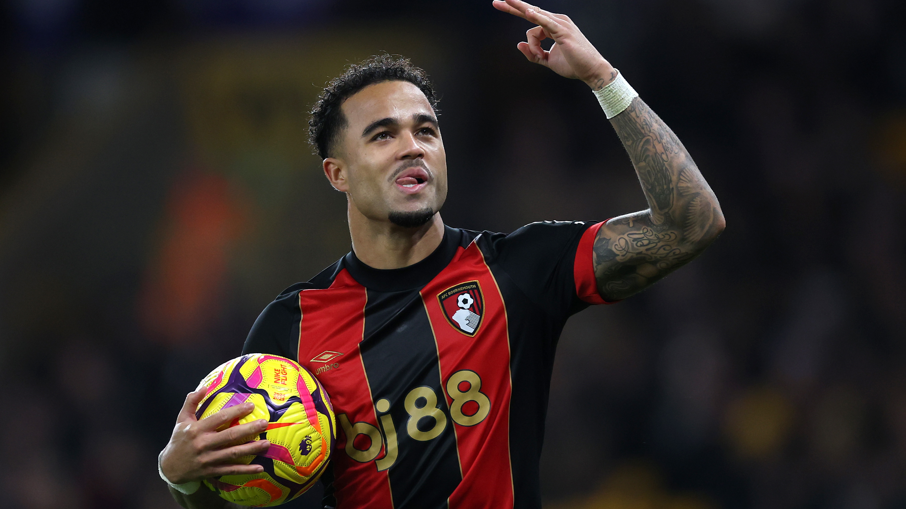
Fraser Forster Arrival: Emergency Experience Over Long-Term Planning
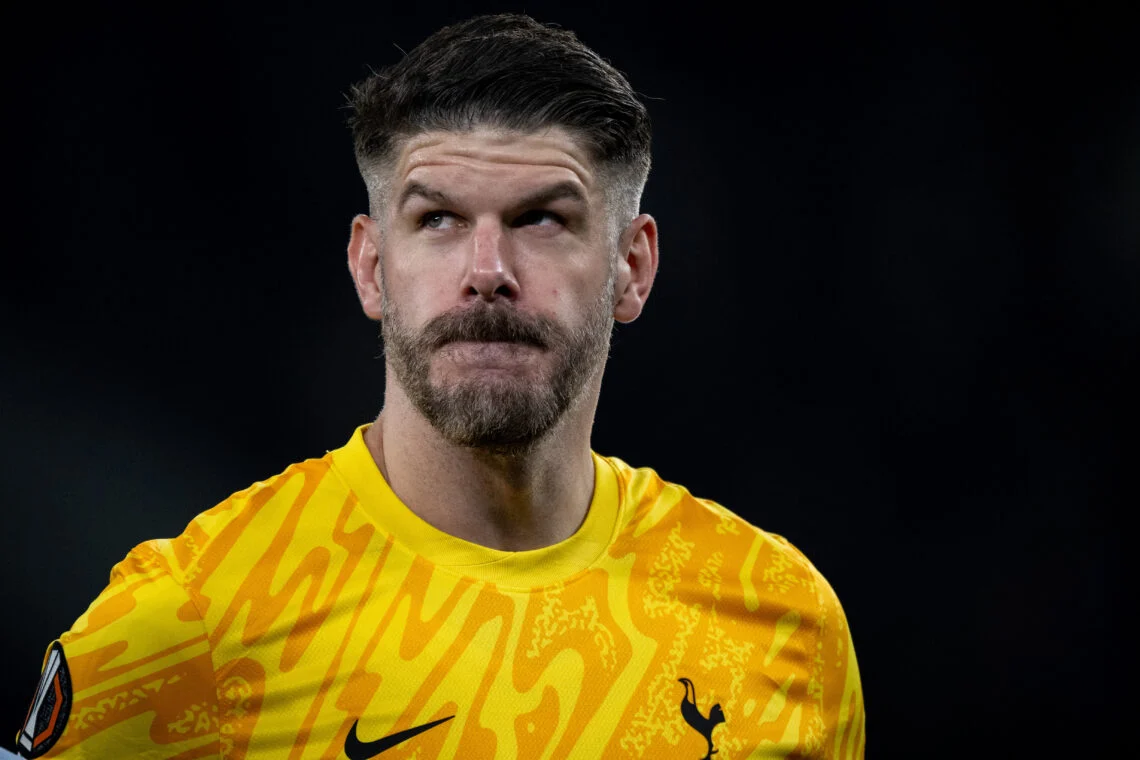
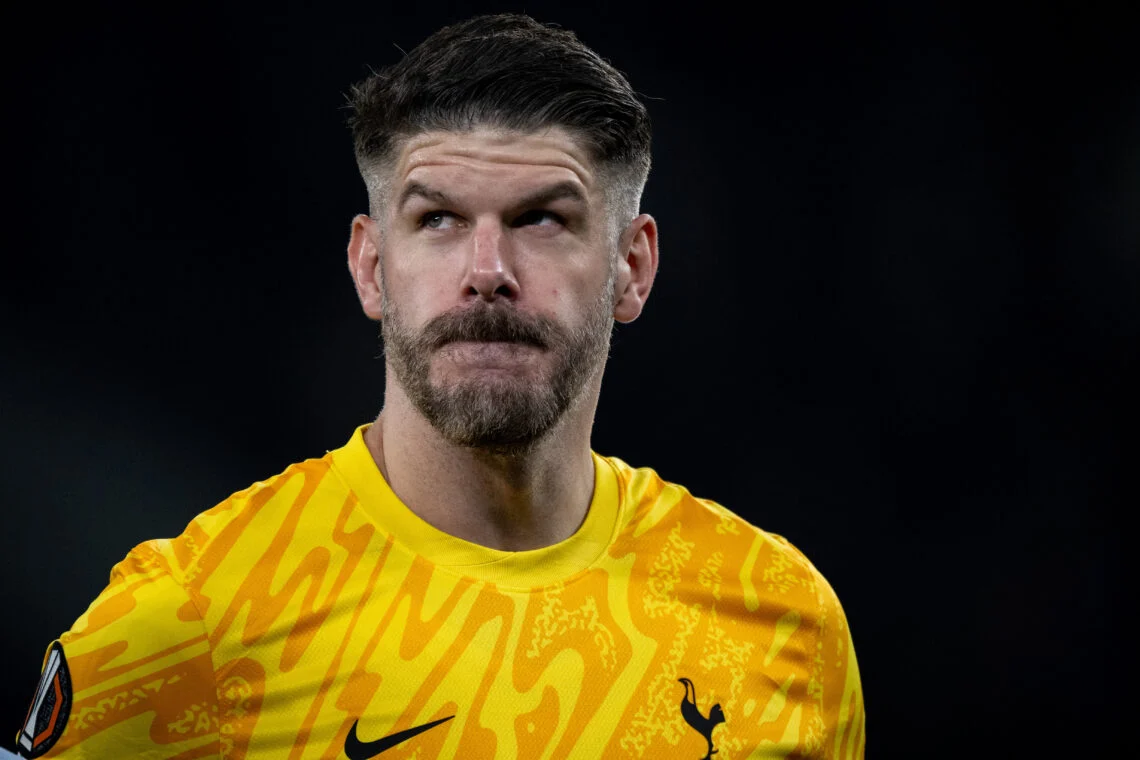
The signing of Fraser Forster came unexpectedly, yet it speaks volumes about Bournemouth’s current situation. The former Southampton, Tottenham, and Celtic goalkeeper has joined on a one-year contract, a clear indication of the club’s defensive crisis. At 38 years old and nearing the end of his career, Forster has been brought in for his experience and presence, particularly if Bournemouth are dragged into a relegation fight. In high-pressure situations, his shot-stopping and composure could prove valuable in preserving crucial points.
Forster’s arrival is also a direct indictment of Petrović’s performances. Throughout the season, he has arguably been the league’s weakest goalkeeper. He has offered no sense of security, displaying slow reactions, poor balance, and consistently questionable decision-making. Bournemouth’s move to sign an ageing goalkeeper is a clear signal of their lack of confidence in the Serbian international.
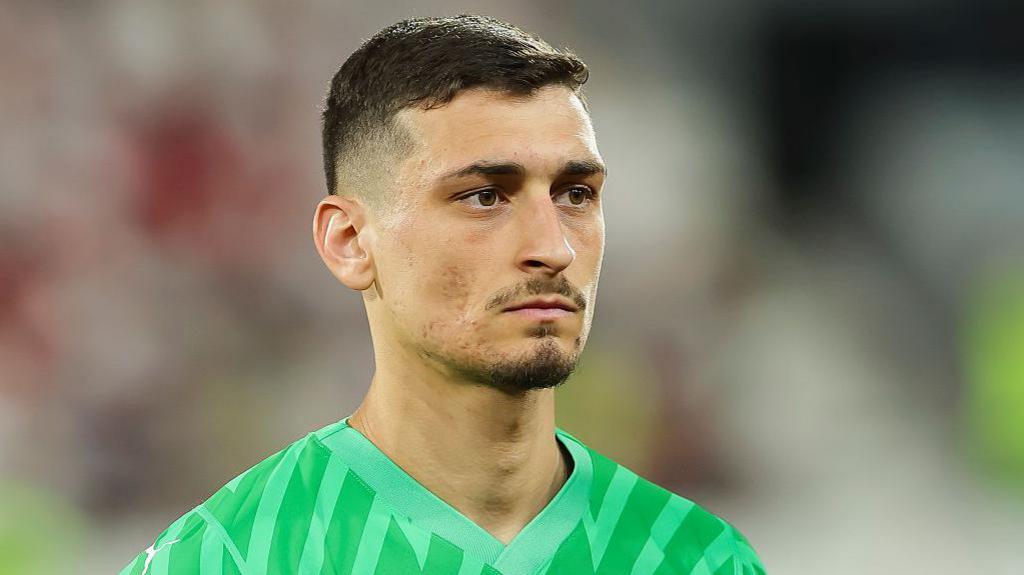
In parallel, the club is negotiating with several defensive reinforcements, underlining the seriousness of the situation. Bournemouth are preparing for a genuine survival battle, and these moves reflect urgency rather than ambition. Whether these late adjustments will be enough remains uncertain—but what is clear is that without a fundamental change in strategy, Bournemouth’s problems will continue to resurface, season after season.

About the Author