“Cat Among the Pigeons”. “For Enzo Maresca, switching from Chelsea to Manchester City was as Natural as drinking a Glass of Water.”
 Srećko Šijaković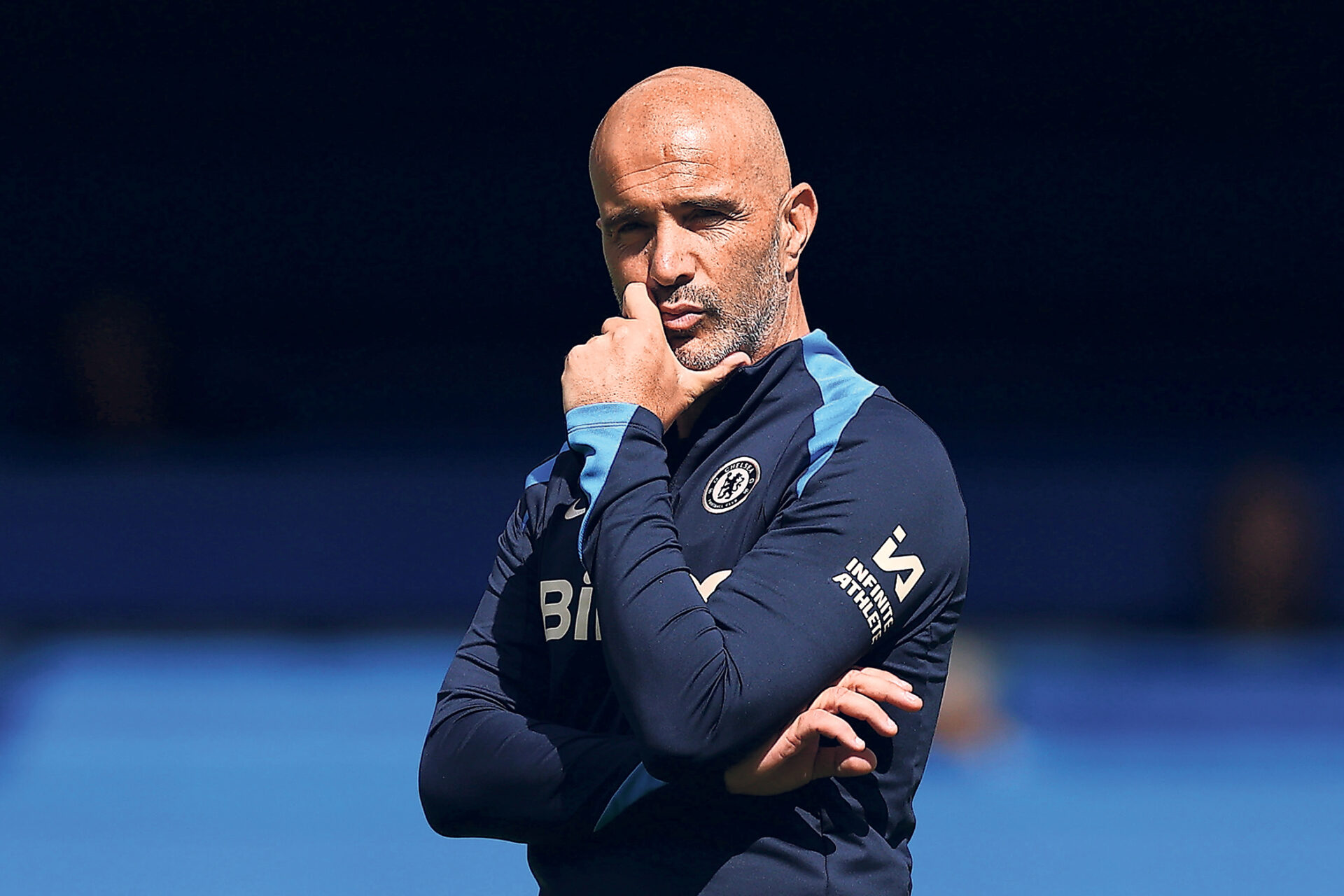
After Pep Guardiola departed from Manchester City F.C., a complete reconstruction of the club has begun. Manchester City are entering a completely new era, and the changes underway could be the biggest transformation the club has seen in the last decade. After the new owners arrived in 2008, this could be the biggest turnaround in the club’s history since that day.
Several key players have already said goodbye to the club, including Bernardo Silva, Joško Gvardiol, John Stones and Rodri, while it now appears almost certain that Enzo Maresca will become the club’s new manager and lead City into a new chapter.
The wave of departures from Manchester City could be directly connected to the crucial verdict surrounding the club’s “115 charges” case. The final decision is expected this summer, and many in England believe the punishment could become one of the harshest in English football history — including possible relegation, massive points deductions, or even a ban from European competitions.
Club abolition has also been mentioned in some circles, but it is not expected to happen and is possible only as speculation. Manchester City will exist further, and we are sure it will not be abolished in the ways of the law.
Before any potential punishment arrives, the club is already going through a dramatic transition. Guardiola left City after nine years, ending one of the most expensive runs in English football. Creating a great team that plays extremely great football that has ever been seen in Manchester, England and in Europe.
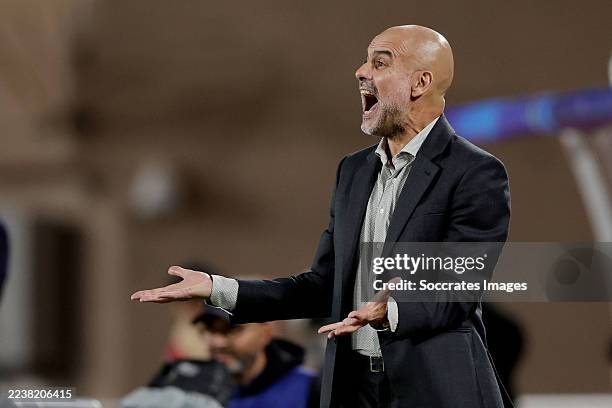
His successor, Enzo Maresca, is deeply connected to Manchester City after previously serving as one of Guardiola’s most trusted assistants.
This guy has not been discussing this deal; ex-Chelsea manager accepted the Manchester City job as it is to drag the glass of water. Like it is a natural thing, as breading.
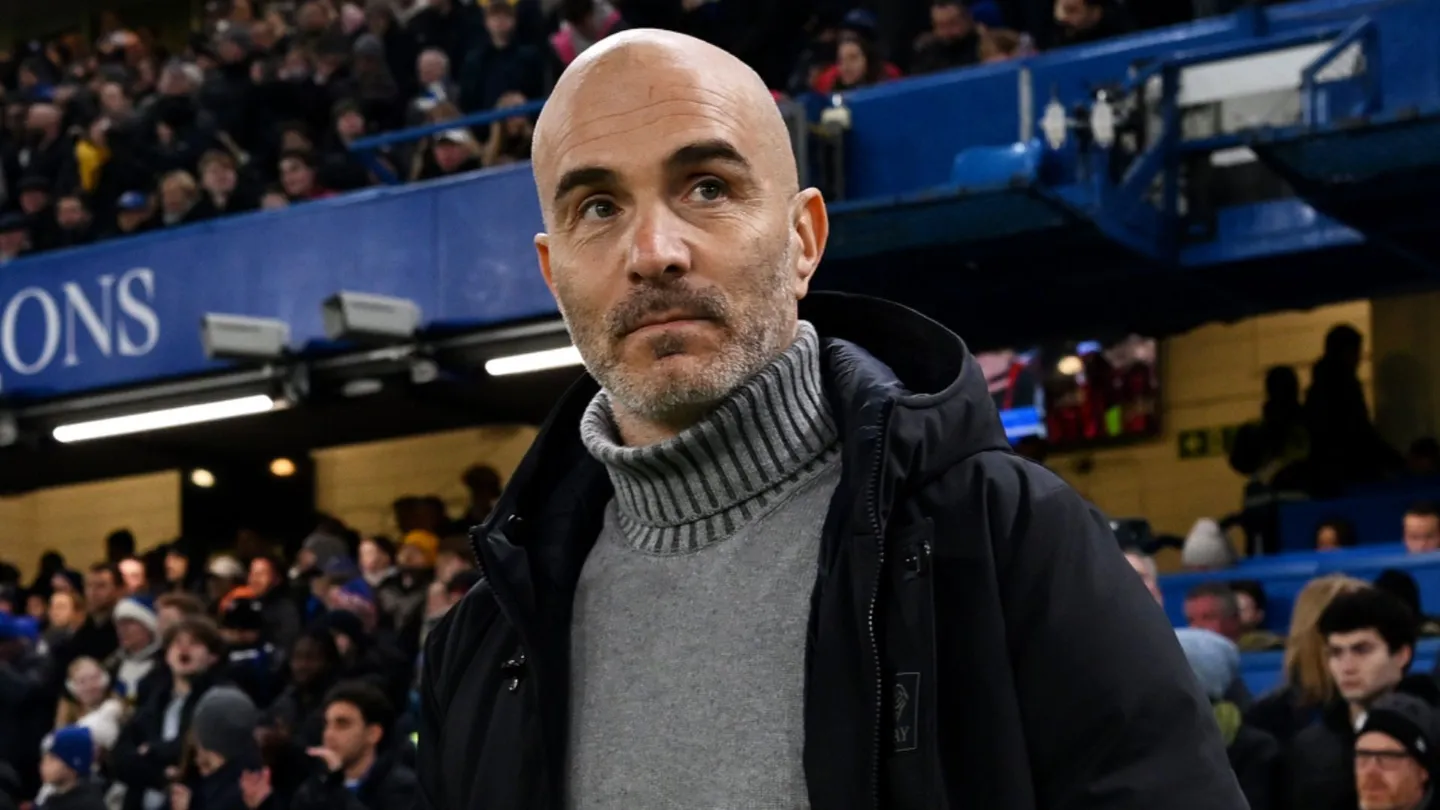
Maresca is a coach obsessed with positioning, structure, and control.
His football demands absolute discipline, constant movement, and complete acceptance of his tactical ideas. He focuses heavily on controlling every line of the team, while his intense physical and tactical demands often force individual talent to become secondary to the system itself.
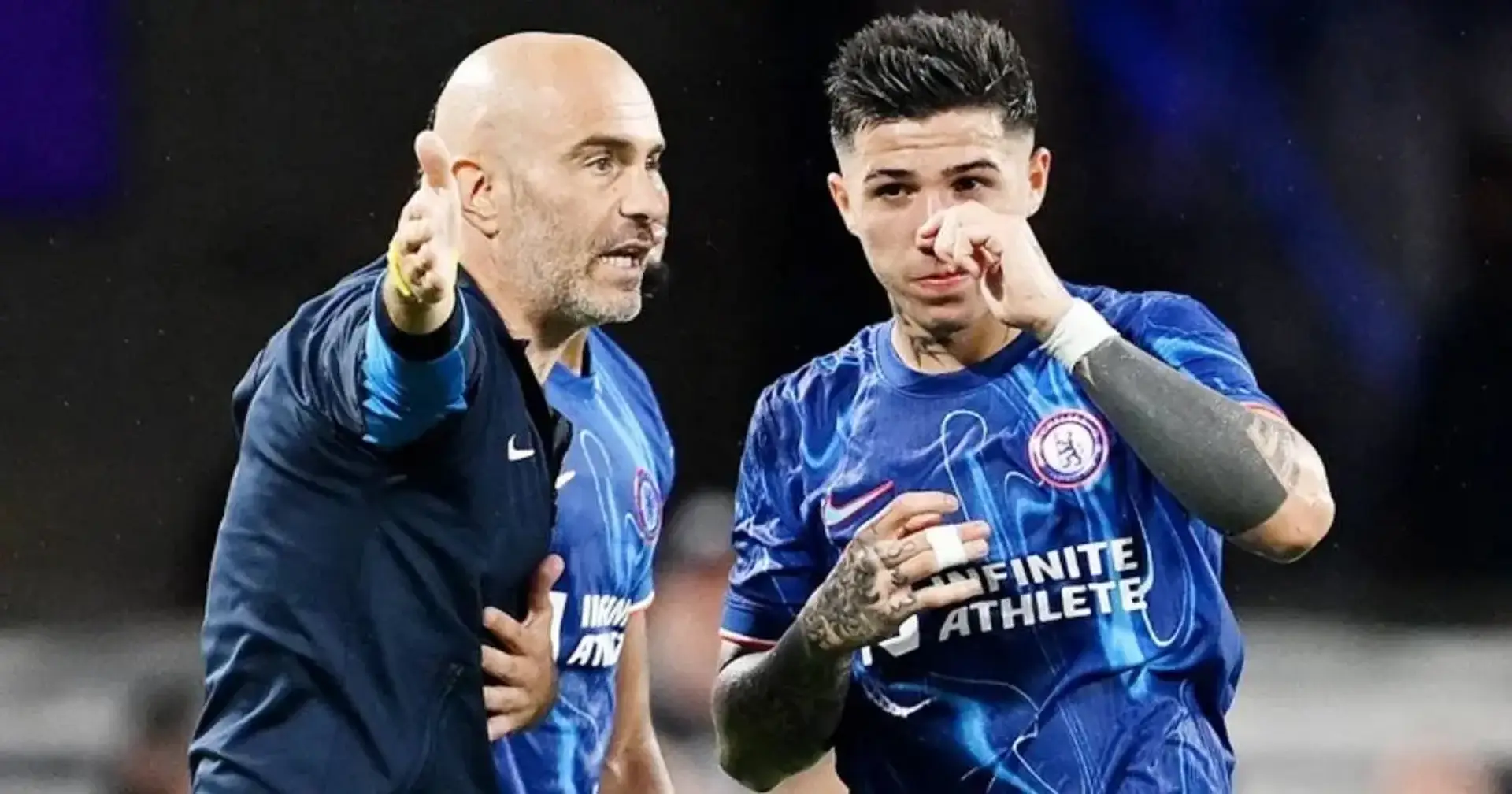
What also makes the situation interesting is Maresca’s previous connection with Chelsea F.C.. Despite managing Chelsea before, he immediately accepted the opportunity to return to Manchester City. That decision has strengthened the perception that Maresca is a highly pragmatic manager — someone who prioritises ambition and project structure over emotional attachment to former clubs.
Manchester City are now entering an entirely different era. After Guardiola, nothing will ever be the same, and Maresca’s rigid, highly controlled style of football could completely reshape the identity of a team that dominated English and European football for years.
About the Author