
“Taking throw-ins from the right or from the sidelines and positioning players from the second line into the box has permanently changed the Premier League. These tactics are now commonplace and have led to numerous crucial goals.”
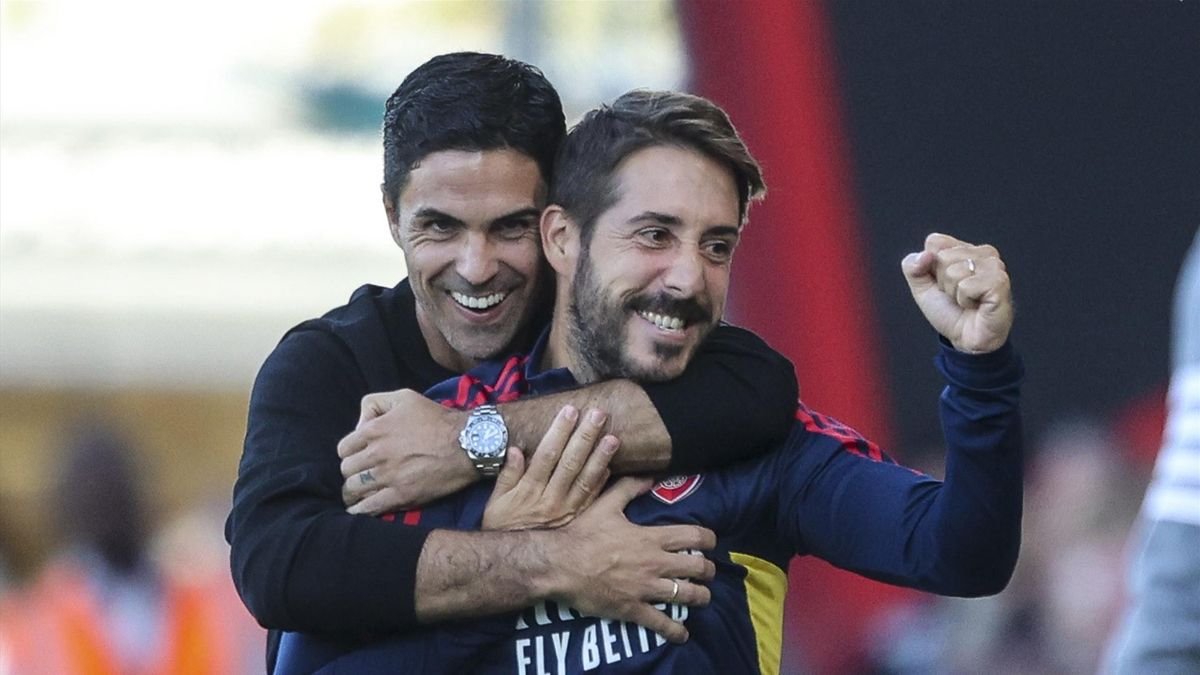
The Premier League has been changed forever since August, when Keith Andrews was appointed as manager after previously working as a set-piece coach at Brentford. Since then, set pieces in the Premier League have taken on a completely new meaning.
Set places the concept- Aspect of the game.
Set pieces are a real opportunity for the weaker side. One defensive mistake and afree kick can take a team that barely attacked all game, that only defended, straight to the holy grail and a huge result. A single free kick can bring an inferior team back into the match.
For years, set pieces have been the biggest weapon of underdogs. Their open play might have been chaotic and limited during the fixture, but if they didn’t concede, one set piece could create a sensation.
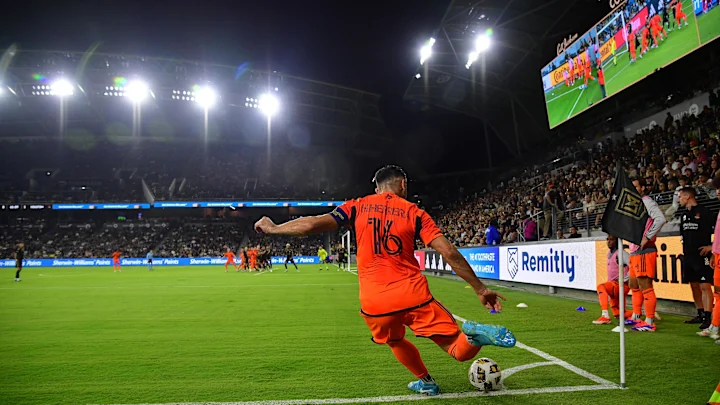
In principle, set pieces always give smaller teams a chance. But the revolution in the Premier League was not made by Brentford alone. Arsenal have taken it further. Yesterday, they broke through Chelsea through a set piece in a Premier League clash.
Set pieces are an ideal way to score — and here’s why.
Long throws from the right side are usually delivered straight into the heart of the penalty area, right in front of the goal and the goalkeeper. The ball travels deep into the six-yard box or its immediate zone, where defenders must be perfectly positioned to survive. What follows is chaos inside the box. Defenders react under pressure and are in panic, extremely vulnerable, forced to defend, and the danger becomes real.
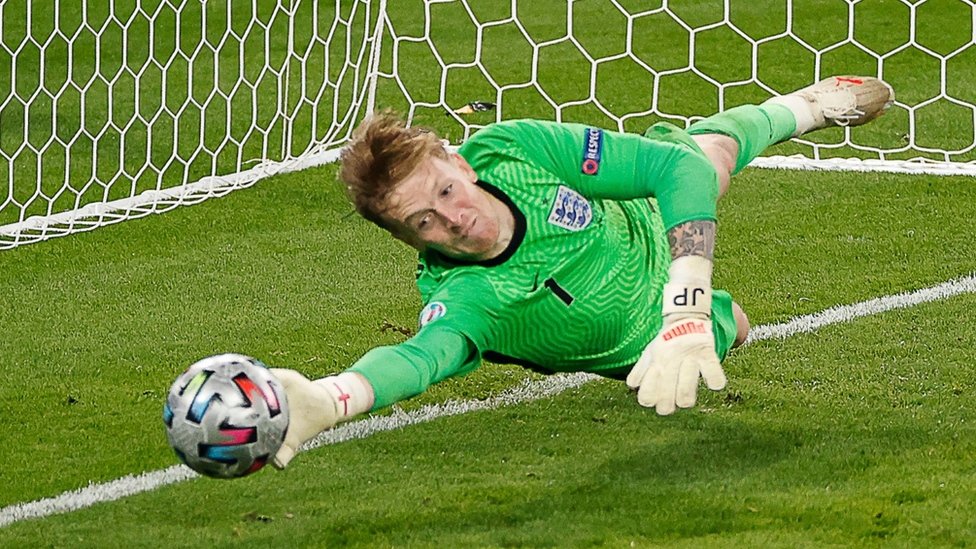
If they are not perfectly positioned, if they lose a duel, the goalkeeper is left exposed and often helpless. The ball drops into the six-yard box — the most dangerous zone in football — and panic spreads through the defence. Constant pressure on the back line increases the probability of a goal. When the ball is in the air inside that area, mathematically, the chances of scoring are at their highest.
A floating ball into the six-yard box is a nightmare for goalkeepers. Even a partial save often creates second-ball chaos.
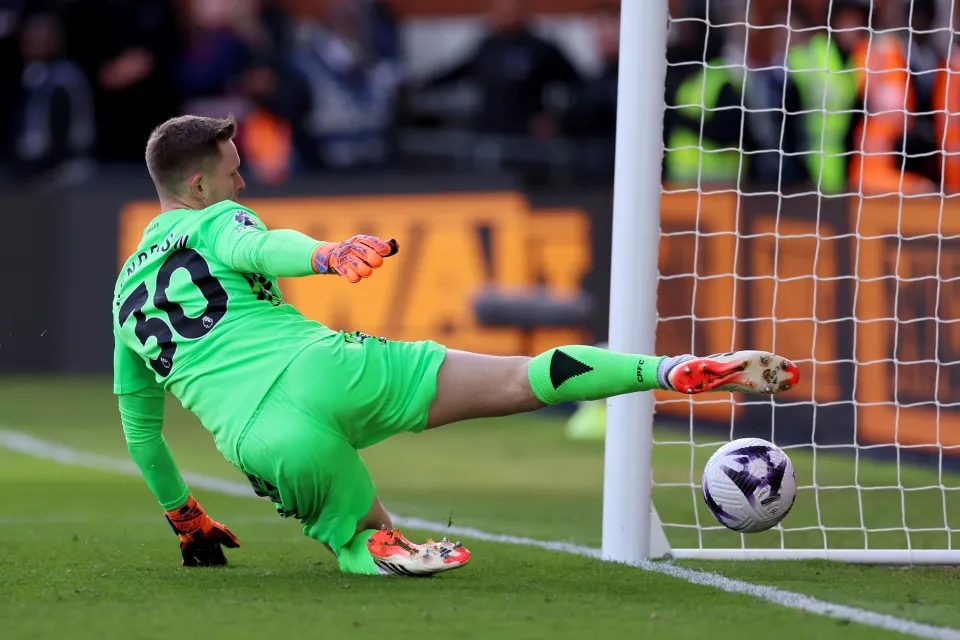
From a tactical perspective, this aspect of the game has triggered a true revolution. It created a new momentum and a different style of play. The long throws Arsenal used last season against PSG showed the deeper logic behind it, even if at the time it looked unusual to many.
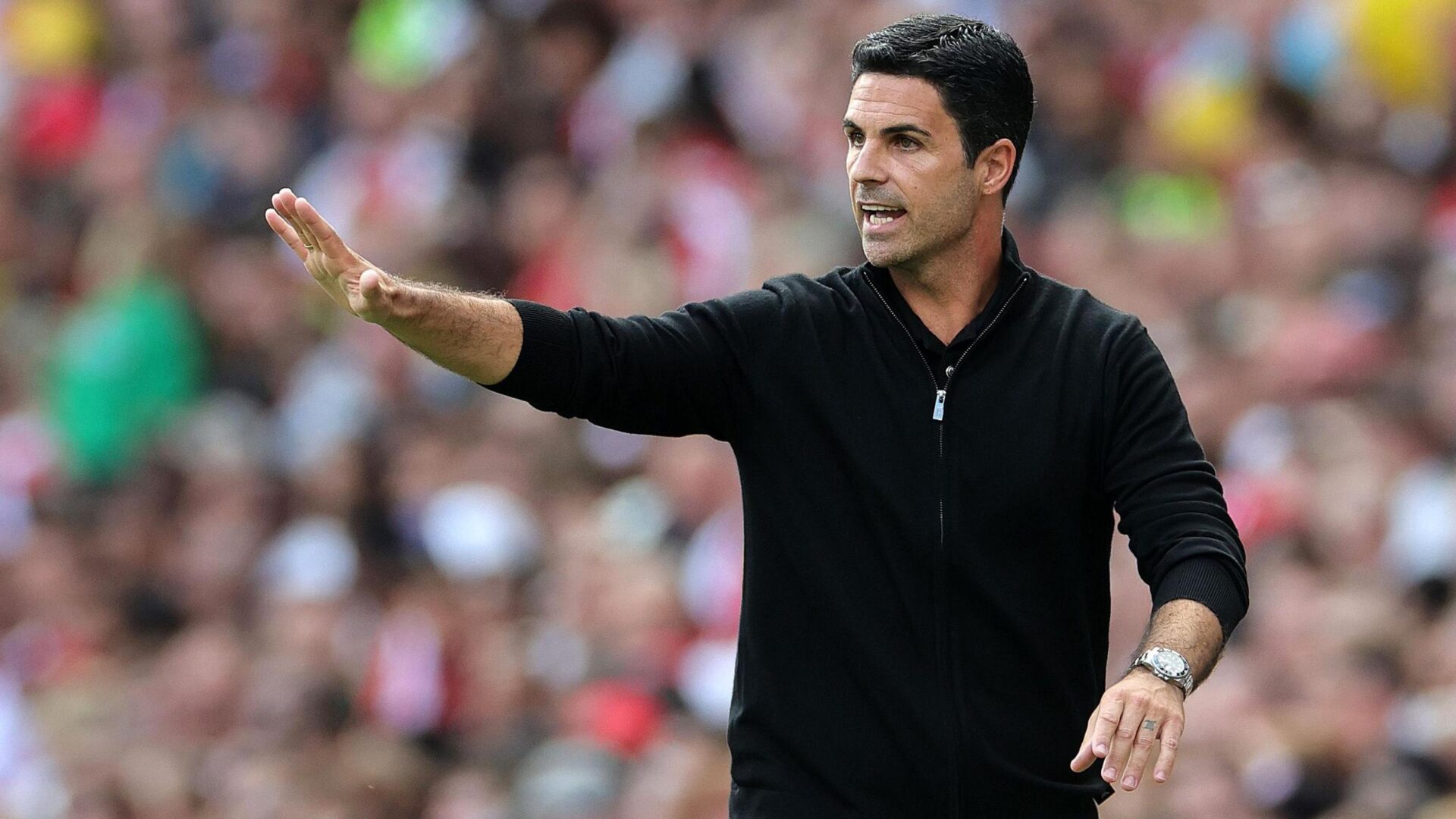
They introduced this approach to football and were heavily mocked by many at the time. But Arteta was smart, courageous, determined, and ahead of everyone. With his team, he pushed these new ideas forward, despite the elimination against PSG in the Champions League.
Set pieces often overturn the football matches.
Set pieces can also completely overturn a game. Since the team that commits a foul is forced to defend, the other team can take a break from defending and startthinking offensively. One or two straight fouls can completely change the dynamics of the game and shift the balance.
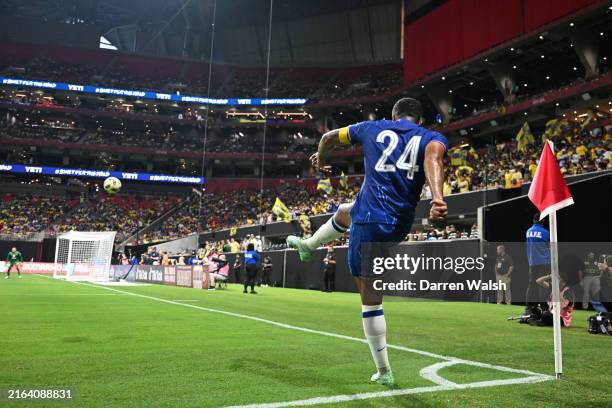
Whether it’s a corner or a long throw, the statistical probability of it being decisive is high. It is extremely difficult to defend and to track the ball properly if attacks are constant.
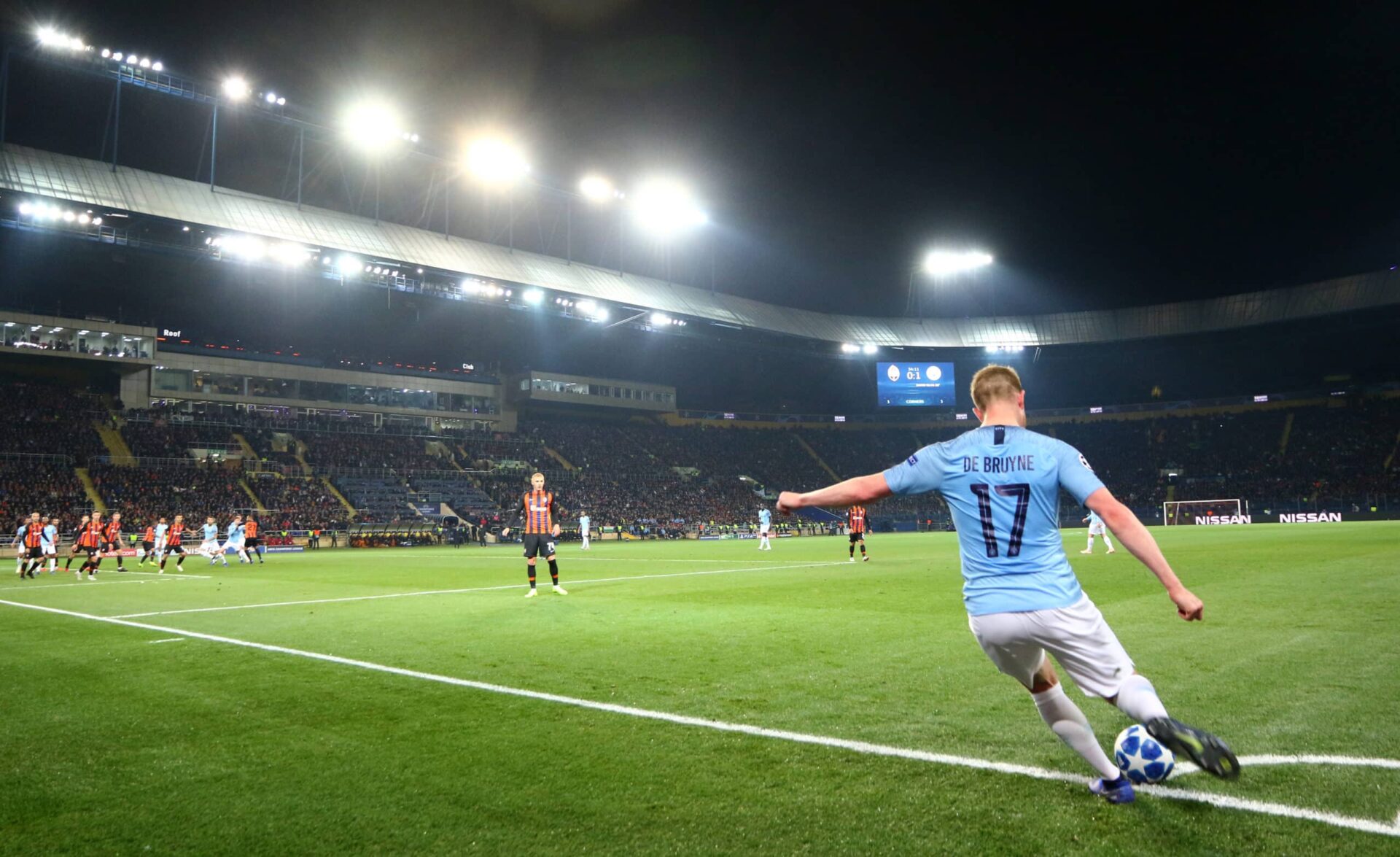
This new tactical approach, even if it leaves a bitter taste for some, is absolutely brilliant. It shows a complete understanding of the game, of tactics, and of how to use the rules to your advantage.
PSG vs Arsenal in the Champions League brought a revolution.
The Arsenal vs PSG tie last season, which we already mentioned, when PSG eventually progressed, was still a turning point in football.
A big team like Arsenal plays throw in as a tactical plan in the Champions League clash.
For the first time in many seasons, Arsenal climbed to the top largely because of these tactics, and now they are genuine favourites and in a strong position.
Arsenal is playing on all four fronts.

They were not in this position in years, all based on these tactics.
Arsenal are competing in four competitions. They are first in the Premier League, playing against Bayer Leverkusen in the Champions League, and in the EFL Cup final.
“They also have a strong chance of advancing to the later stages of the FA Cup.”
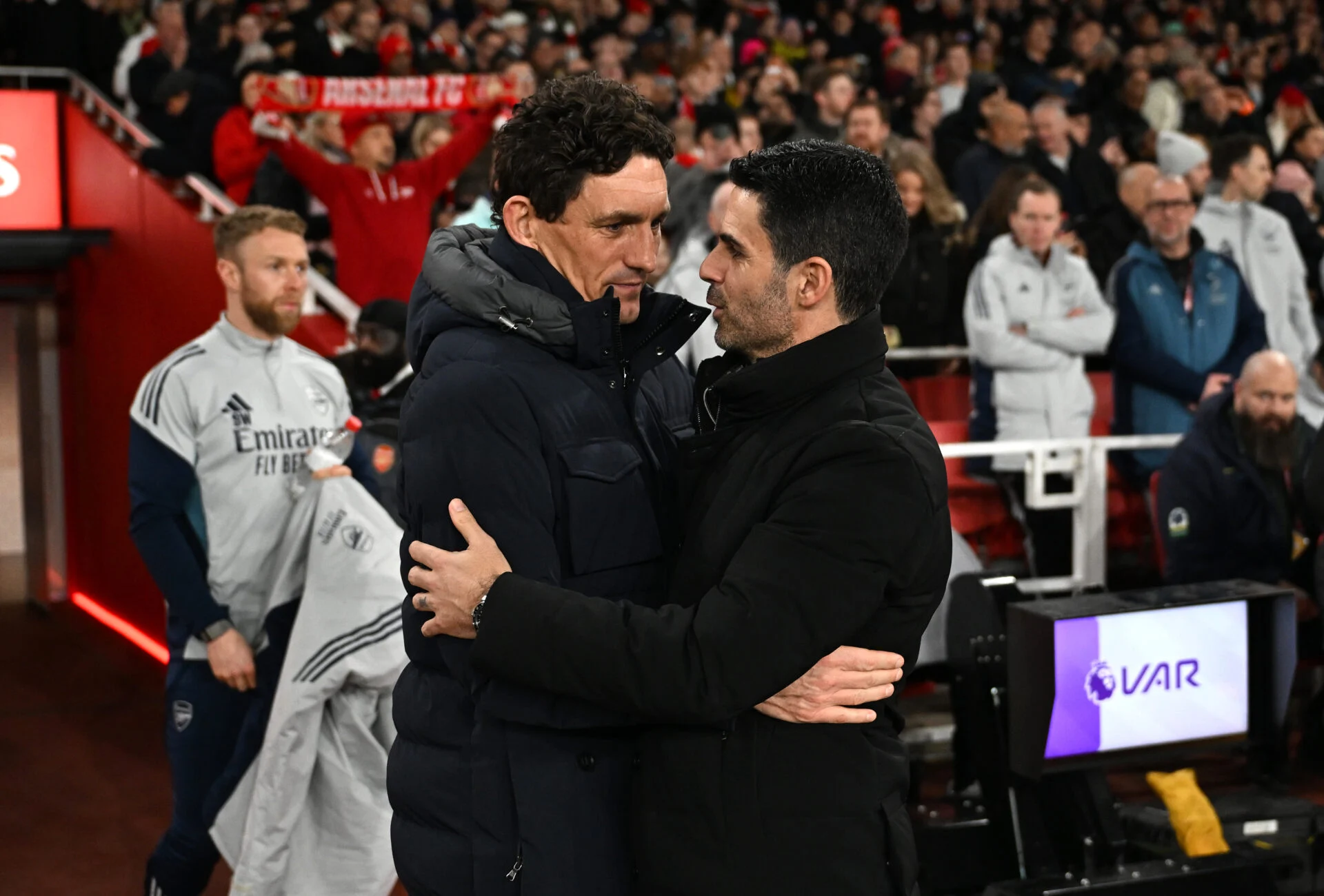
“Mathematics clearly underpins this approach, as demonstrated on the pitch. It has become a potent weapon for Arsenal and Mikel Arteta this season. The team’s organisation in these key moments decided the outcome of yesterday’s Arsenal-Chelsea derby. Both Keith Andrews and Arteta, architects of this tactical model, rank among the Premier League’s managers of the season, delivering exceptional campaigns.”
“Arsenal is finally at the top and has strong chances of claiming major trophies.”
Arsenal haven’t been in this position for decades, and it’s because of these brilliant tactics that they are finally on top. Every run is measured in every Gabriel posting. It took great intelligence to turn this aspect on your side, it has taken much intelligence and analytical knowledge to create these tactics.
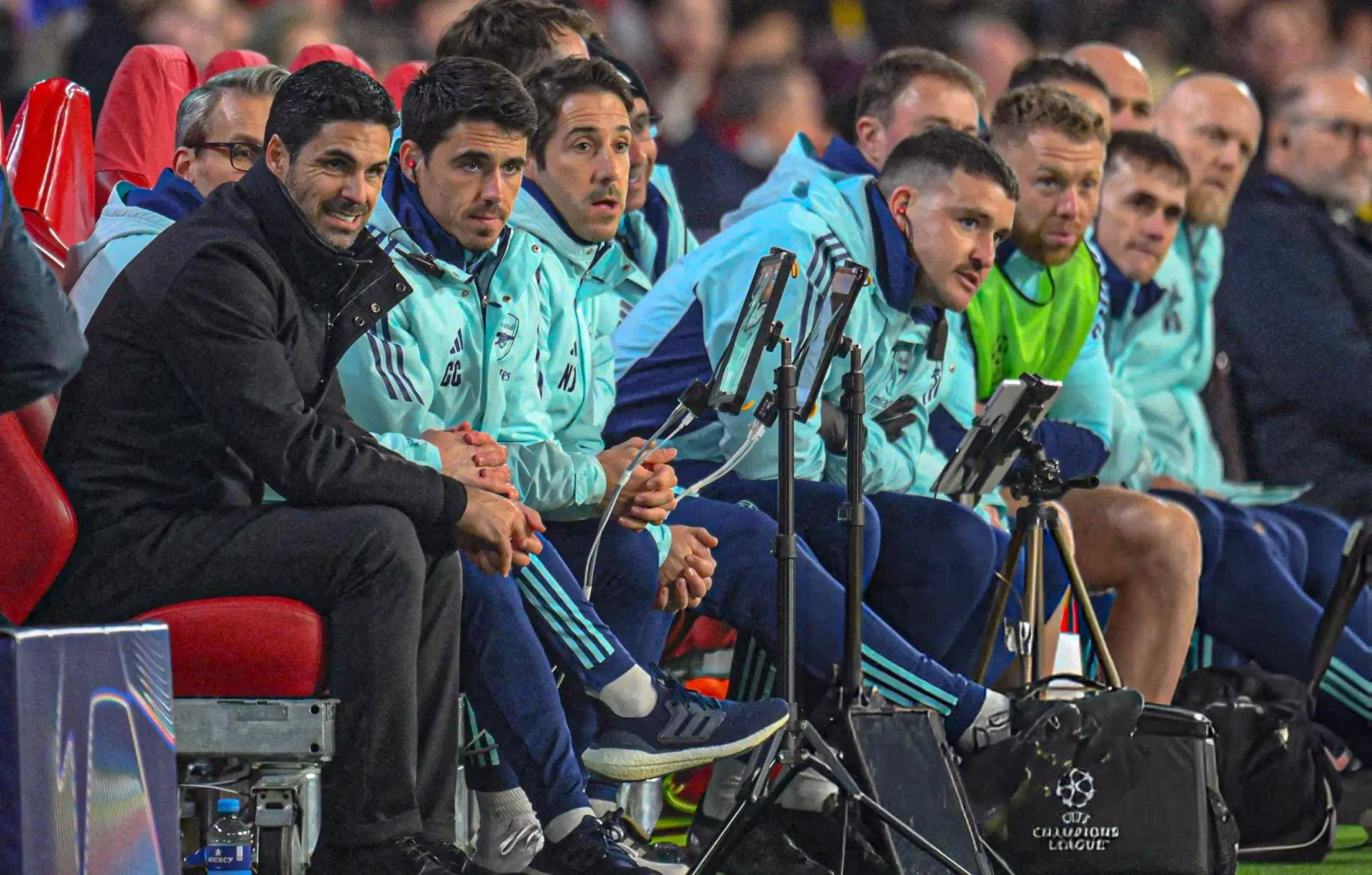
It’s about fully understanding the rules and making a decisive impact within them.
Arsenal have taken advantage of the rules and turned them into one of their greatest strengths. Through hard work, precise positioning, and total dedication to training, they’ve created a clear edge over other teams. They have been working on this for a very long time. It takes a very hard effort in training.
These tactics have made the difference, and that’s why Arsenal are now at the top of the Premier League. Revolutionary tactics have taken them there for a great reason.
Statics, mathematics and human psychology confirm it and stand by it.
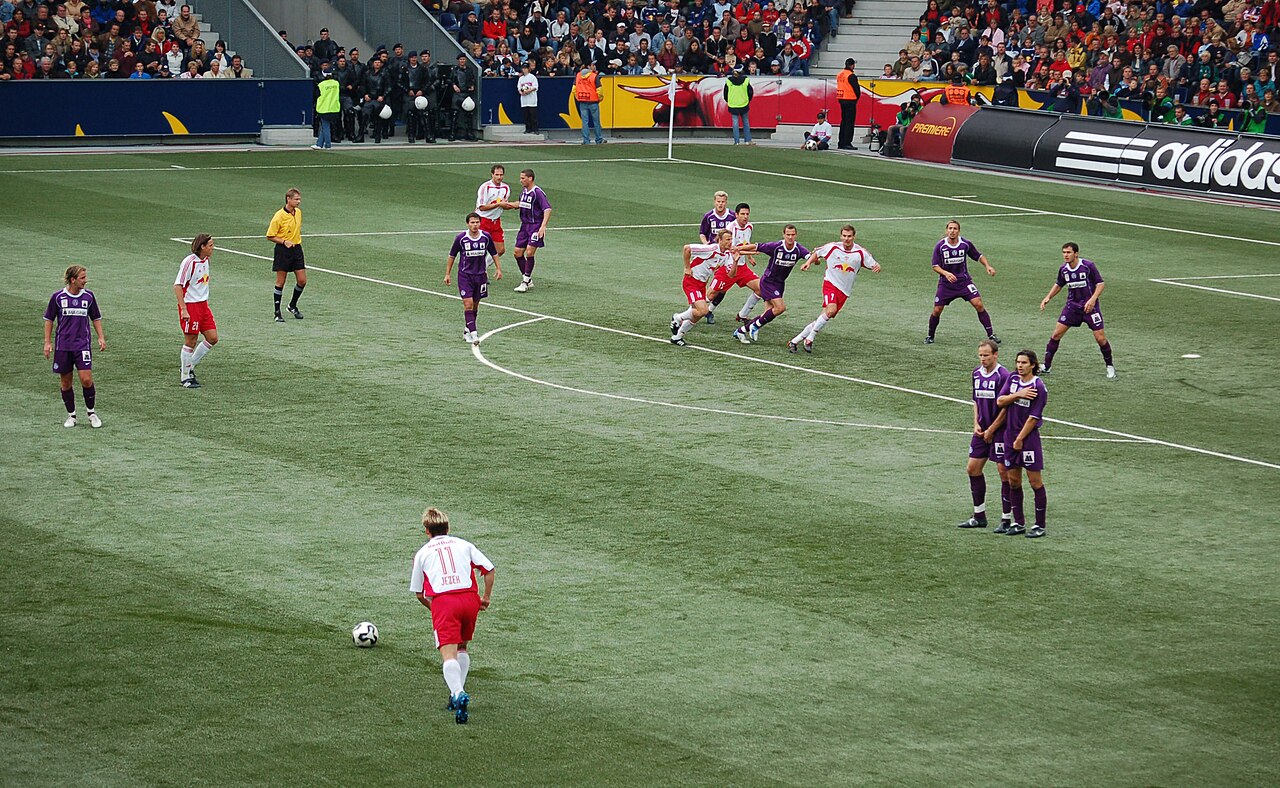
Statistics, mathematics, and the intelligent application of this system demonstrate a deep understanding of football’s tactical layers — and much more than that. Geometry, probability, and human psychology all stand behind it. When players are placed under extreme pressure inside their own box, natural behavioural patterns emerge — and the long throw exploits that pressure to the maximum.
About the Author