
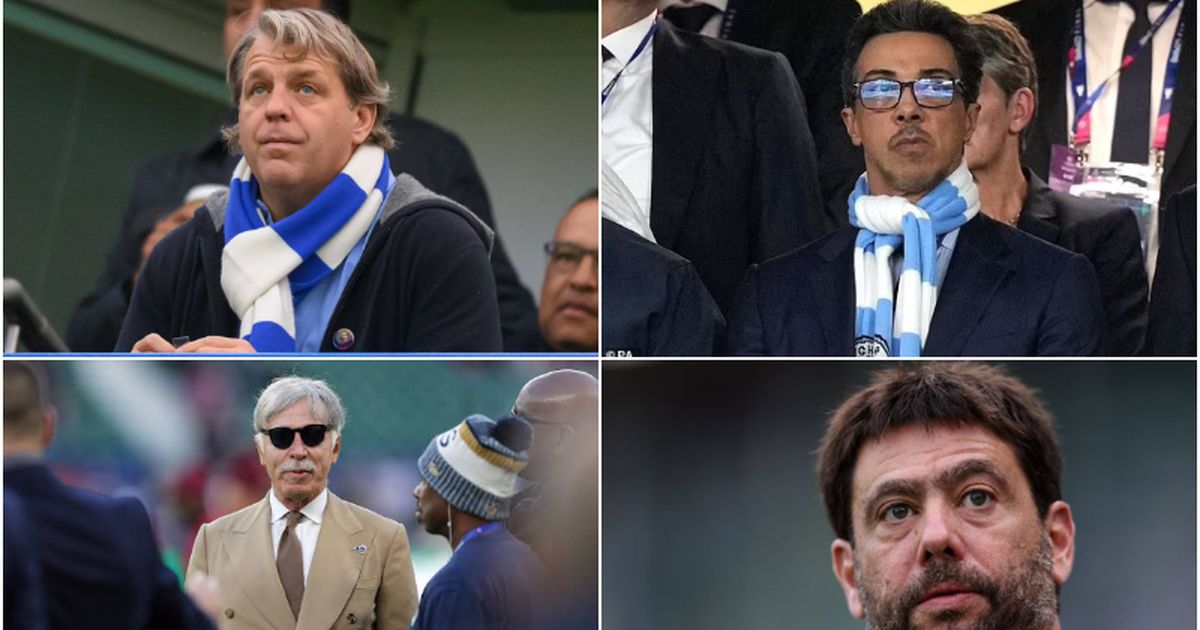
It all comes on this
We see a clear tendency, and it is a common pattern that defines success.
Clubs that are systematically great, big clubs with a board that is experienced and led by in-depth knowledge and understanding of the system and game.
“Top clubs benefit from robust platforms consisting of experienced directors, analytics teams, and highly educated experts across multiple domains, whose deep knowledge provides strategic and operational support at the highest level.”
THE KEY DIFFERENCE IS NOT ON COURT, THE CLUB MANTILTY IS DEFINED ELSEWHERE
This principle applies to well-structured boards and high-performing clubs that operate at an elite level. However, there are smaller boards that were, until recently, functioning at the lowest tiers of competition. After EVENTUAL promotion, they are suddenly required to operate at a far higher strategic and operational level.
And they were not previously operating on this level.
So they do not work well under higher demands!
A great experience will get you there in any possible aspect.
The determining rule:
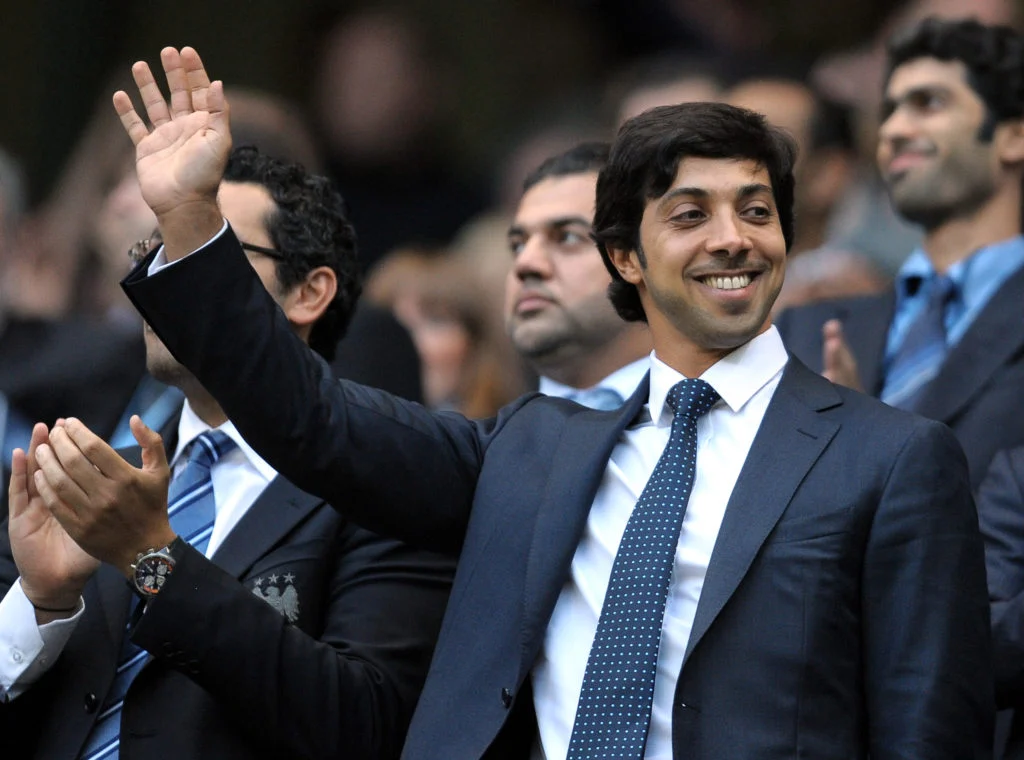
A truly great team is supported by an experienced and strategically competent board. Institutional experience at the executive level is not optional — it is foundational. In contrast, smaller and less successful clubs are often governed by boards with limited exposure to elite-level operations.
The consequence is predictable: decision-making errors emerge from insufficient expertise and a lack of experience operating under high-performance pressure.
At the highest level of football governance, board members are superior not only individually — in terms of competence, strategic literacy, and crisis management — but also collectively as a decision-making body. Their cohesion, long-term planning capacity, and understanding of elite football economics become decisive factors.

Ultimately, structural quality at the board level is often the hidden variable that separates sustained success from instability.
They are more developed as individuals are clear, smart, not stubborn, flexible, analytical, with experience and know what it takes to do the job done.
Structural strategies are a key innovative way. The director, owners and boards have good cohesion and are shaping the club’s strategies in all aspects. With stability. People on their boards, governments and club councils who belong to bigger clubs are making a difference and key leverage on the side of great clubs from small and poorly structured ones.
The ultimate point. – The football side of the matter
There have been many, many teams in the Premier League who were brilliant for part of the season — two months, six months, for instance or shorter.
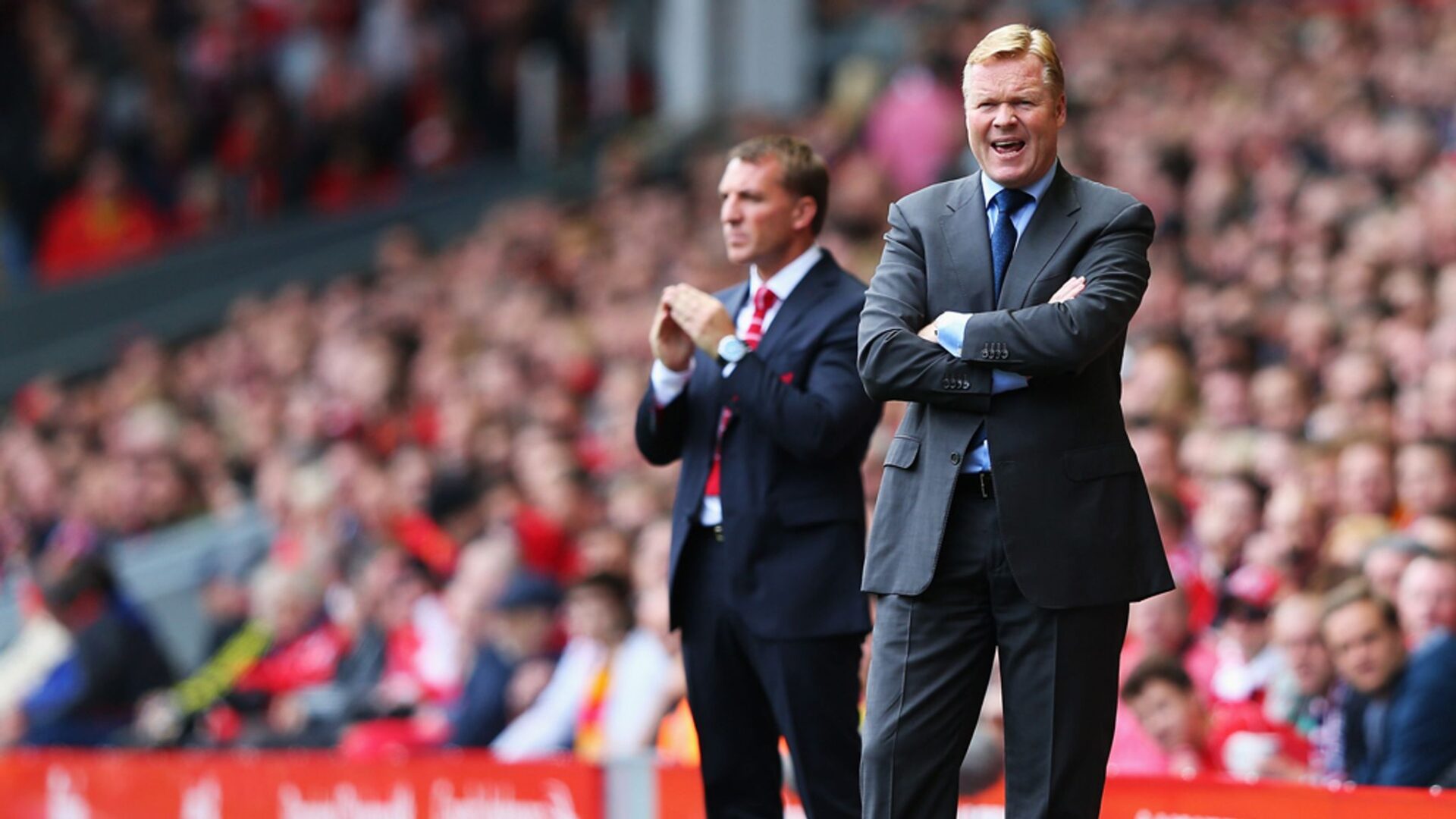
There have been fantastic clubs and managers in the Premier League during the years who were extremely great and well involved with their teams. There was a team that was scoring so well, playing fantastically with the manager, but they all fell after that period. Even by the patterns.
@premierleagueanalysis_com_4dm1n
Success from the football side is absolutely possible. The sport allows it. A club can compete — and absolutely succeed — with a smaller budget and more modest facilities.

Football allows success with great work and systematic collective efforts.
Football is not purely a game of financial scale or infrastructure. It is fundamentally a game of players and moments. In decisive areas of the pitch, what matters is the quality of the individual duel. If one player outperforms his direct opponent in a critical zone, he wins that battle — regardless of branding, expectations, reputation, or public relations narratives.


Trophies are not won by kits, marketing departments, or background noise. They are won through execution: technical superiority, tactical discipline, and individual performance under pressure.
Money increases probability only if inserted well and wisely, thinking long term — it does not erase reality. If put unwell, it can even cause extremely serious trouble.
Because you can make a difference on the football side, football is like that. Completely open game with any inch of the court, it has to be done.
The model:
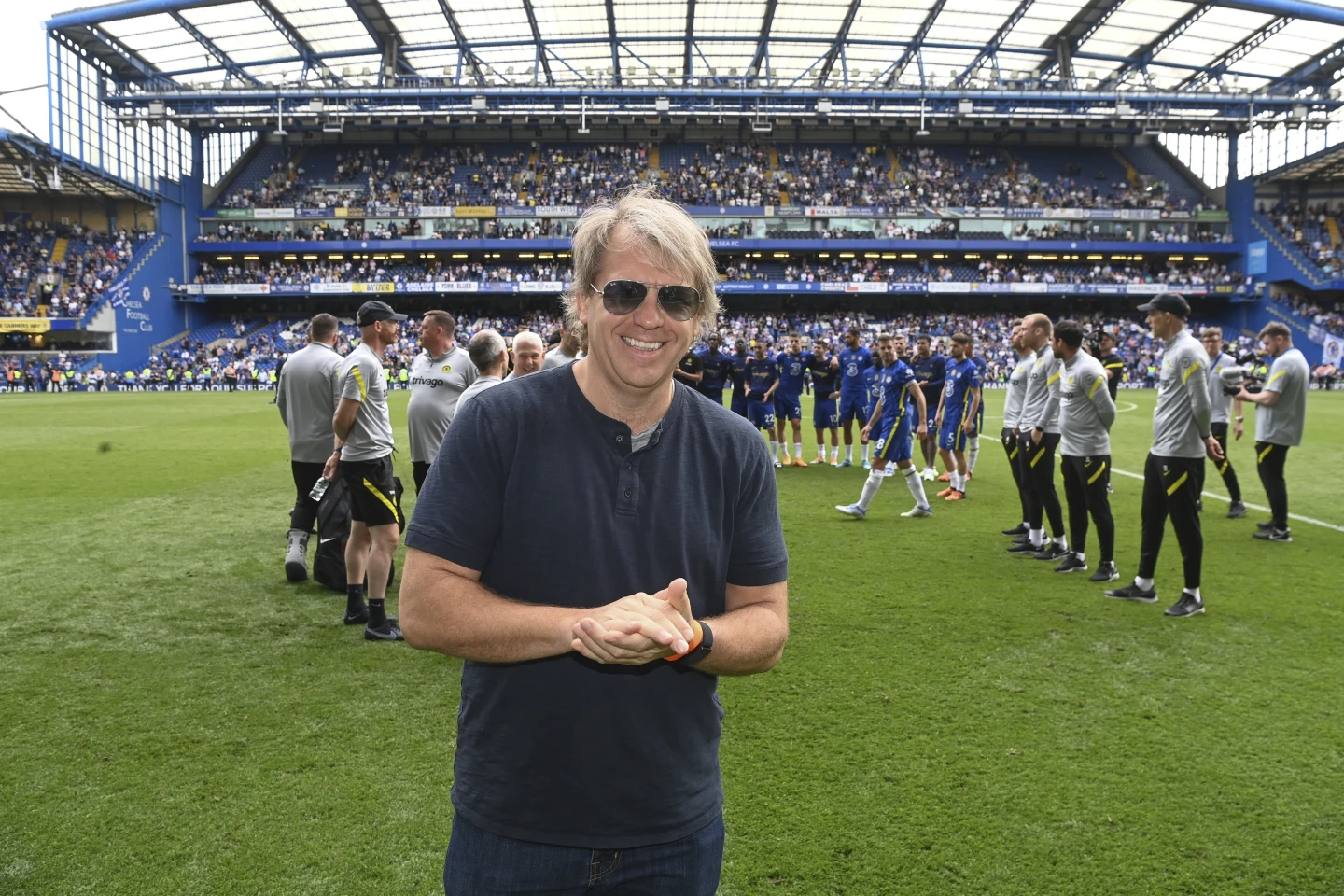
Football allows the less popular team, the one with smaller odds, to win. That is part of its nature. Through smart tactics, intelligent runs, strong defending, moments of luck, or other factors, a team can overcome an opponent that looks stronger on paper.
Football is not a straightforward sport. It is open and dynamic, and it gives managers space to manoeuvre. One team plays in one style, another plays differently. Because of that variety, outcomes are never decided in advance. It has to be played; every duel has to be done.
Short-term success has happened so many times. Seen so many times before.
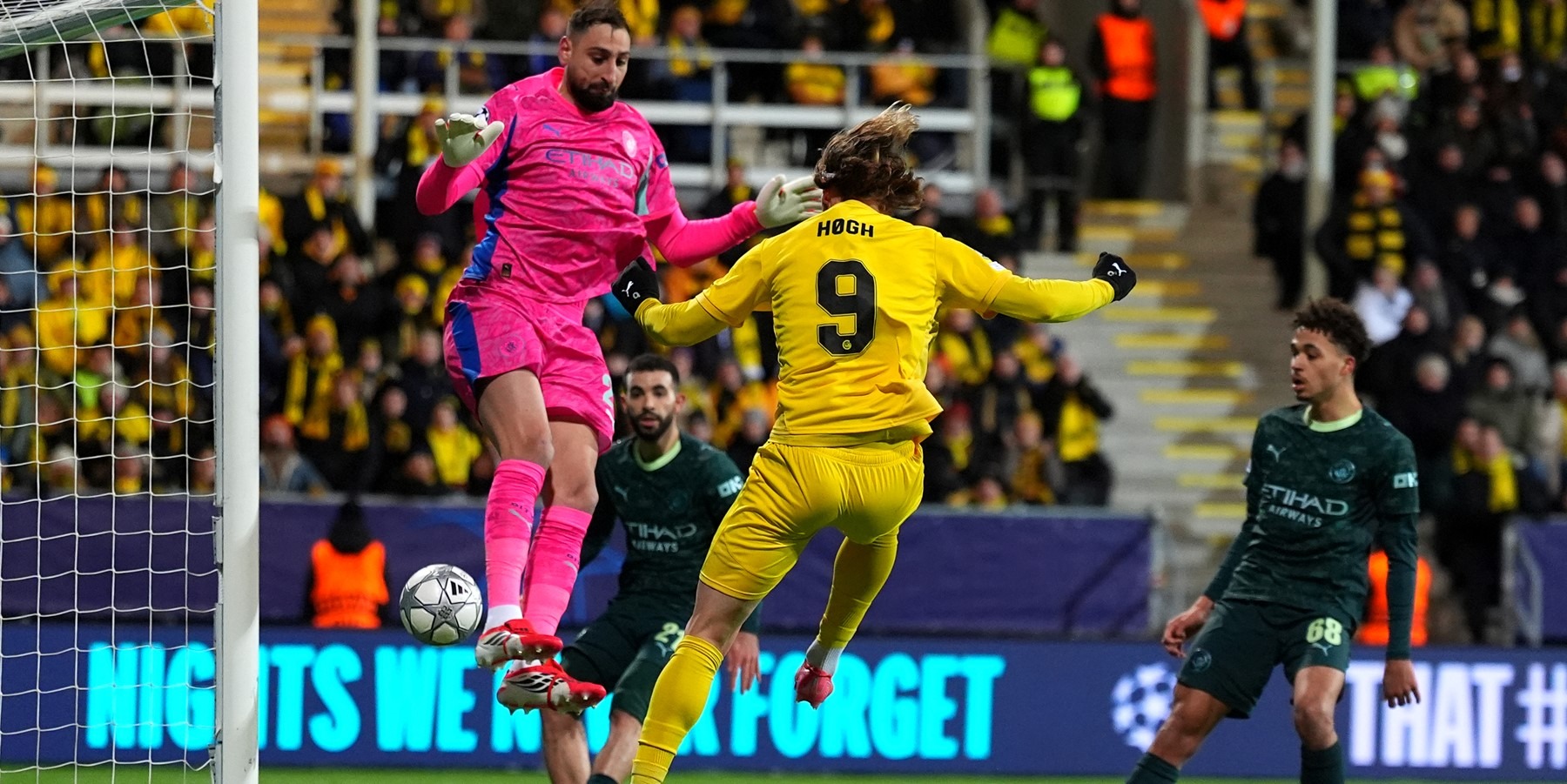
It is possible to build a team capable of beating anyone through great tactics and constant adaptation. If a squad is built according to clear preferences — with players devoted to hard work and with proper control over transfers — it is possible to create a team of champions.
As has happened many times before — as we mentioned with Southampton under Koeman — projects built on clear ideas and proper management can succeed beyond expectations.
Nottingham Forrest sample that finished and will finish brutally.
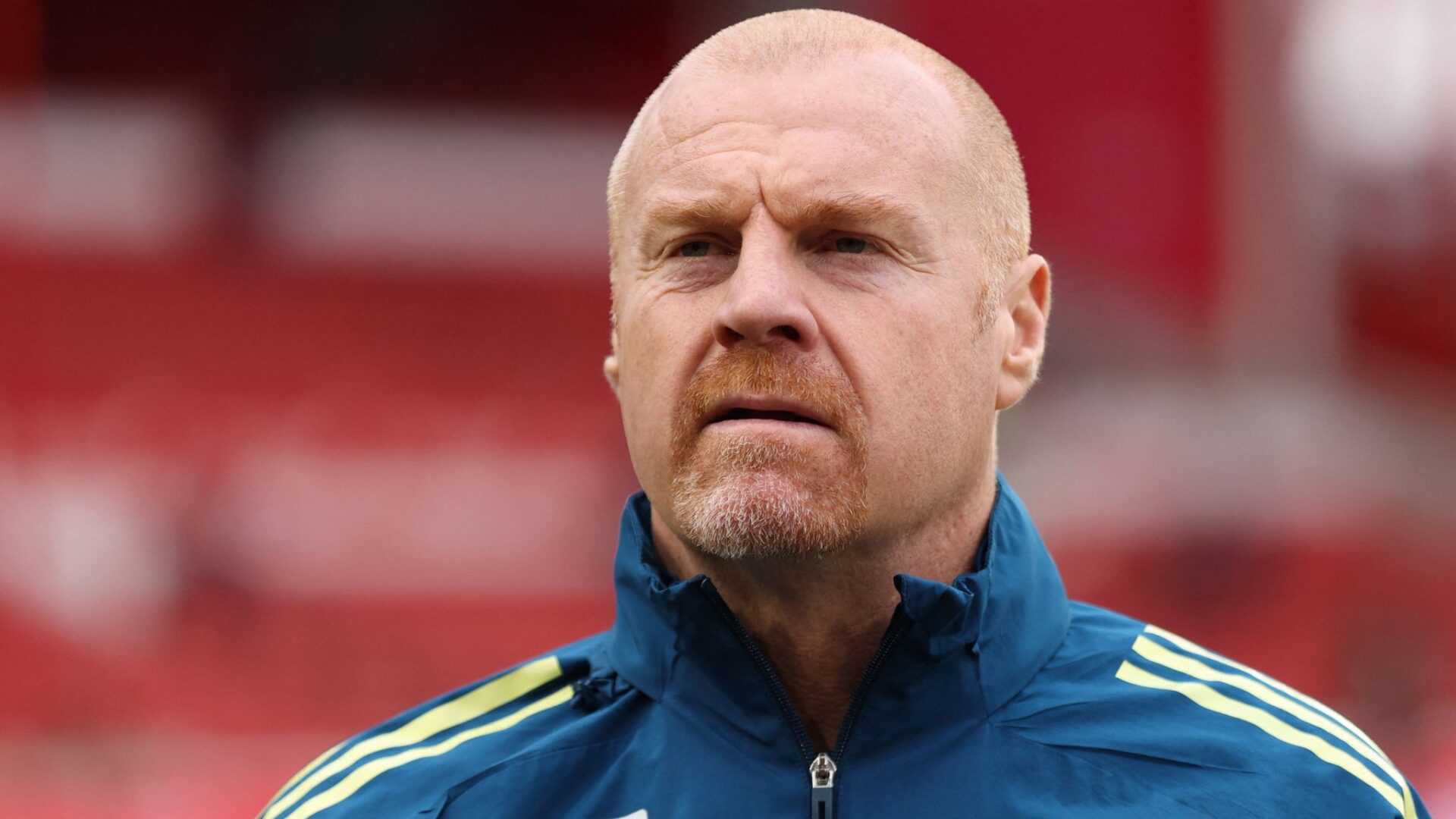
There are numerous examples of this. Nottingham Forest’s last season is one of them. With structure, discipline, and a defined tactical approach, a team does not need to be the biggest or the richest to compete effectively.
Well-organised projects, when aligned with the right coaching profile and smart recruitment, can outperform clubs with greater financial power only in theory and in the short term.
But only on short terms, it breaks every time at this point.
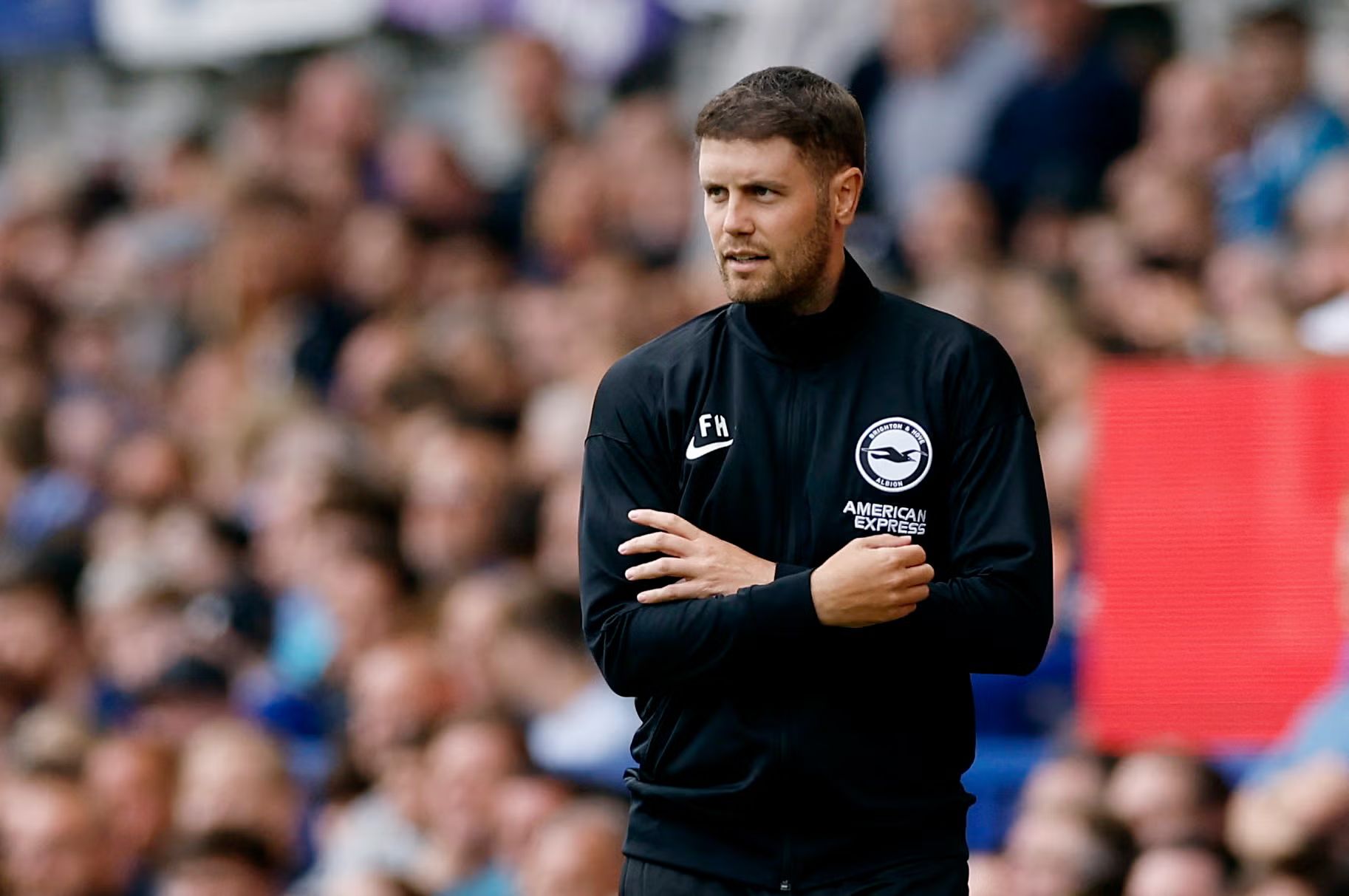
It happens like this, it is a narrative, a pattern, the sequence of evidence.
The club loses the successful manager who leaves for a better job and a bigger club.
The club returns to its reality, almost instantly.
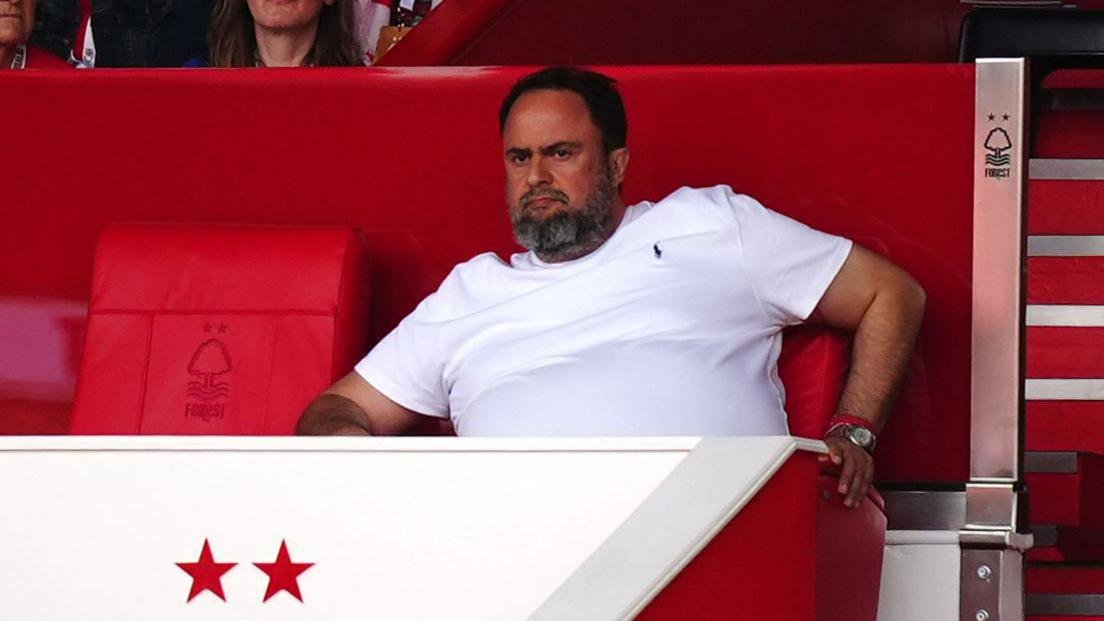
This is the pattern. Why is the pattern like this?
This is not a hypothetical situation; we are talking about: It is a common pattern and ultimate reality.
“A team may achieve impressive results, but when the manager departs, it can quickly collapse. Some teams sustain success because football allows for periods of extraordinary performance, often under an exceptional manager. However, maintaining a truly great club and preserving a winning mentality is the responsibility of the board and the club’s governance structure.”
Small board fail by the rule!
That is why they are small.
The highest possible level.
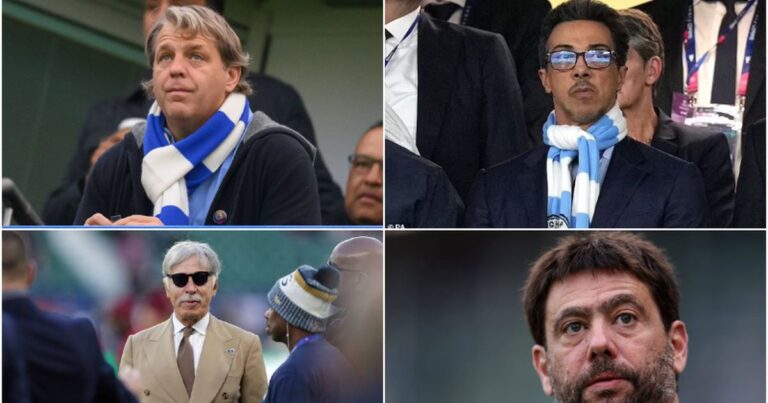
That proved to be the hardest, and for many, it is impossible. We are now talking about club boards, ownership structures, not football staff. We are talking football governance organs, executives, private individuals, capital owners, shareholders and club directors.

They are dividing successful clubs from those that are not! The executives and the board of great clubs have knowledge and experience on the highest level, while others do not!
The big six rules are unbreakable because of this: The defining fact
That is why in England, there is almost a guarantee that the same “big” teams will always finish in the top four or top six.
The top positions are for the ones who are smart, analytical and coherent. Wise also.
Title races are not defined by sentiment or reputation. The exception remains Leicester City in 2016 — a historic run that proved the possibility. But they did not even do anything close are now regular Championship side.
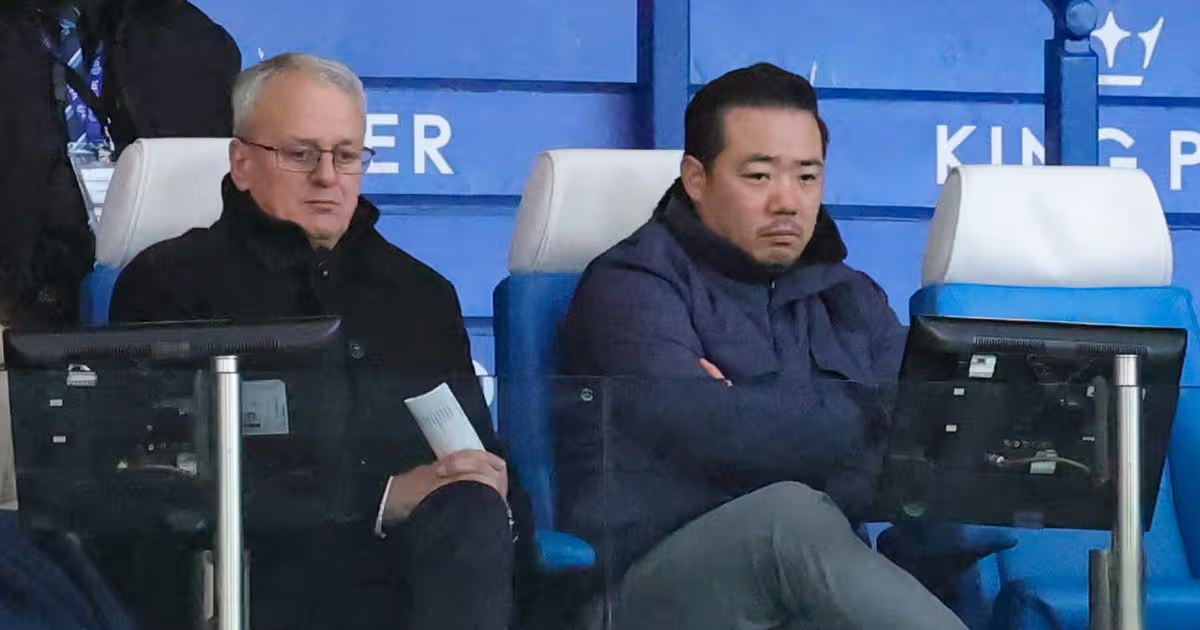
That is why boards must not be merely pragmatic. They have to be strong, intelligent, and firmly grounded. Without clear thinking and stability at the top level, long-term success is not easily sustainable. It takes work.
“Some individuals are far more capable of making decisions at the highest level, while others handle those same responsibilities poorly“.- This is the rule, defining rule.
That is the reality. That is the dividing line between a successful club and a less successful one: the quality of decision-making at the top.
Paraphrased /Summarised:
Football breakthroughs are possible — and history has shown that many times. The structure of the game allows it. A team can rise, surprise, and compete through coaching quality, tactical clarity, and collective belief.
But football is not decided only on the pitch. It is also shaped in other rooms, at other levels of authority. Long-term destiny is often determined there.
@premierleagueanalysis_com_4dm1n
Why do promising projects collapse so often?
The model belongs to the board. Strategy, financial direction, recruitment policy, risk tolerance — all of it sits above the manager. That is why many promising runs eventually collapse. Even when a manager builds a strong team according to his preferences and achieves impressive results, the sustainability of that success depends on executive alignment and the club governance subjects.

Falling pattern that repeats itself?
The Premier League has seen many teams look brilliant for half a season, sometimes even a full campaign. Yet without structural backing from the boardroom, those projects follow a pattern: initial rise, peak performance, then decline.
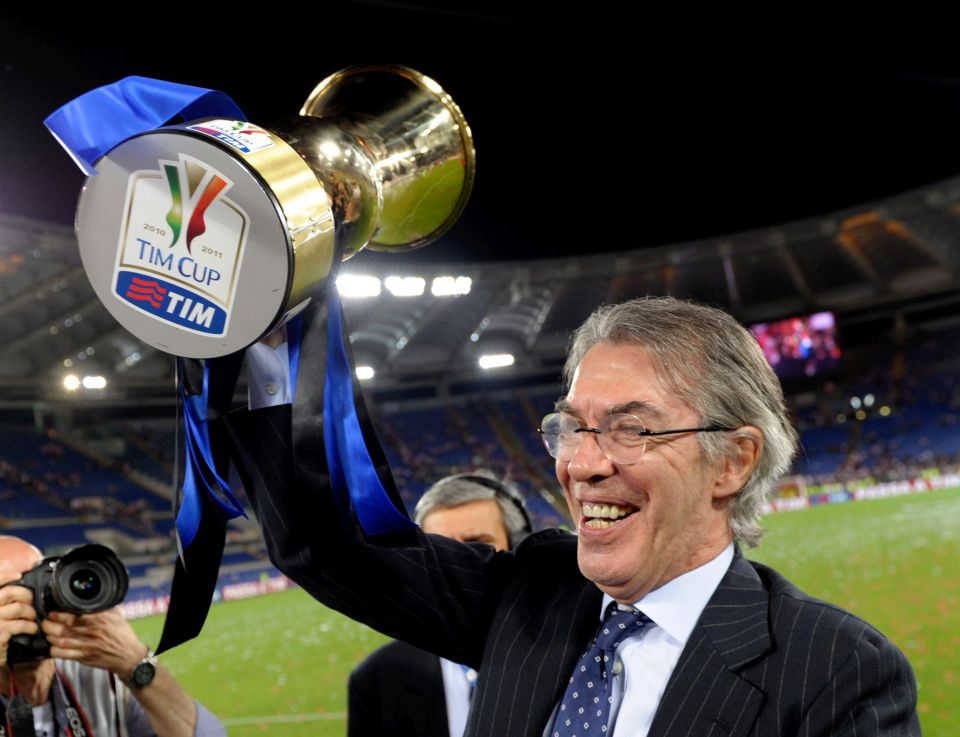
In the end, the boardroom has the final word. The pitch can create momentum, but the model at the top determines whether that successful club becomes chronically successful or returns to average or even lower than that.
While the most successful boards and leadership structures make top-level decisions aimed at long-term stability, growth, and the well-being of the club, others fail to do so.
Higher level, higher demands and pressure!
When a club rises from a lower division — achieving promotion and gaining attention — it suddenly finds itself operating at a much higher level than its previous infrastructure, results, or facilities might have prepared it for. At that point, the crucial question becomes the board’s ability to sustain that position. Can the executives make the right strategic, financial, and operational decisions to keep the club competitive at this new level? Often, that capacity is what separates temporary success from lasting achievement.
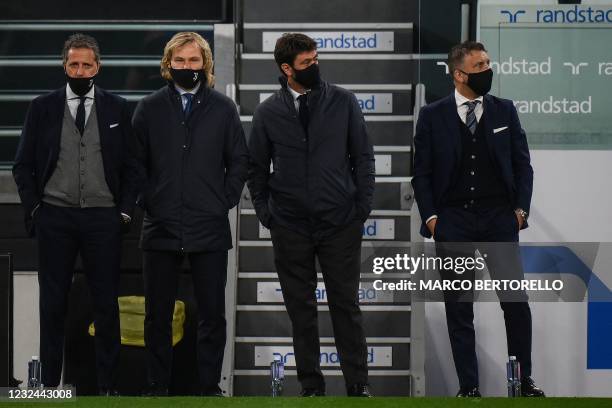
There is a perfect board, complemented by one from the 17th century. This is why these runs collapse. The difference is as great as it can be.
The first time facing issues is fatal, especially with the arrogance and extreme ego of many on boards. Simple with not knowing something, but fully believing in knowing it the best. This mindset kills it all.
The rule of governing is the key.
The bottom line is this: The board’s abilities define the success.
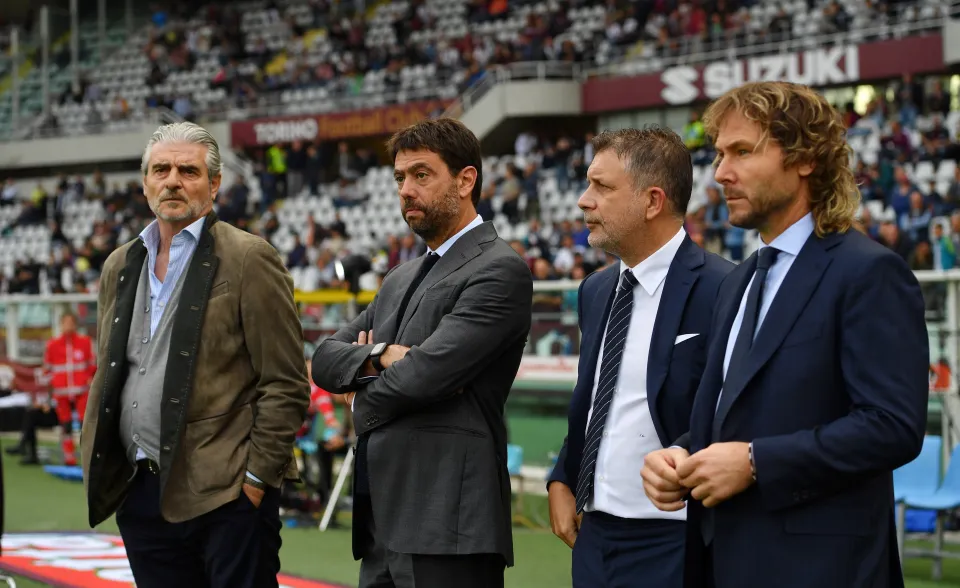
With a weak and underdeveloped mentality, they make mistakes that harm them in the long term, at least for a while. What separates them is the board. Experienced boards do not make these mistakes. In big clubs, the structures are already strong and solid.
Football is not a straightforward sport; it is open and allows managers to manoeuvre. One team plays this style, another plays a different one, for instance. It is possible to create a team that can beat anybody with great tactics and adaptations.
With a team built by their preferences, devoted to hard work and having control over transfers, it is possible to create a team of champions. And gain success, a great kind of success.

“Teams may achieve results initially, but when the manager leaves, performance can quickly deteriorate. Many clubs lose their form, highlighting that sustaining a great club and preserving a winning mentality is an exceptionally difficult task—one that many boards ultimately find impossible.”
Manager levels with a pattern.
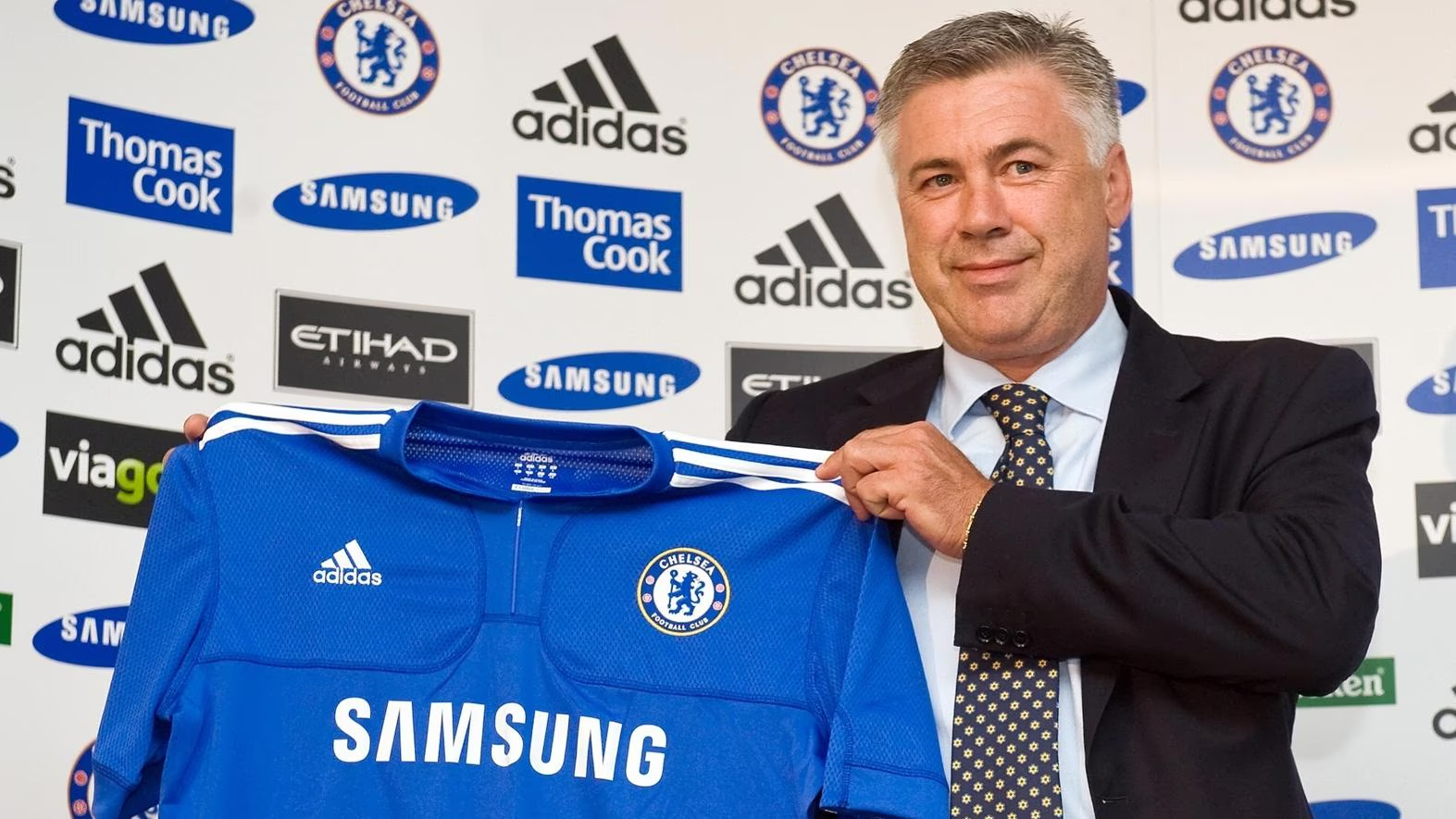
(Being sacked by the board or leaving for a bigger club or better project)
When chemistry fails, and when the manager leaves, the club returns to reality almost as a rule. Because that is a question for the board to be successful in big runs, and to include backup and to be better than Manchester and Chelsea is a task that is difficult, almost impossible.
The office and executive meeting are where big decisions are made.
The office and executive meeting are where big decisions are made. The transfer strategy, platform, and directors make the key decisions. Even if a club has an excellent manager and is improving results, it may take time to see progress. In the end, however, overcoming issues off the pitch often proves far more difficult.
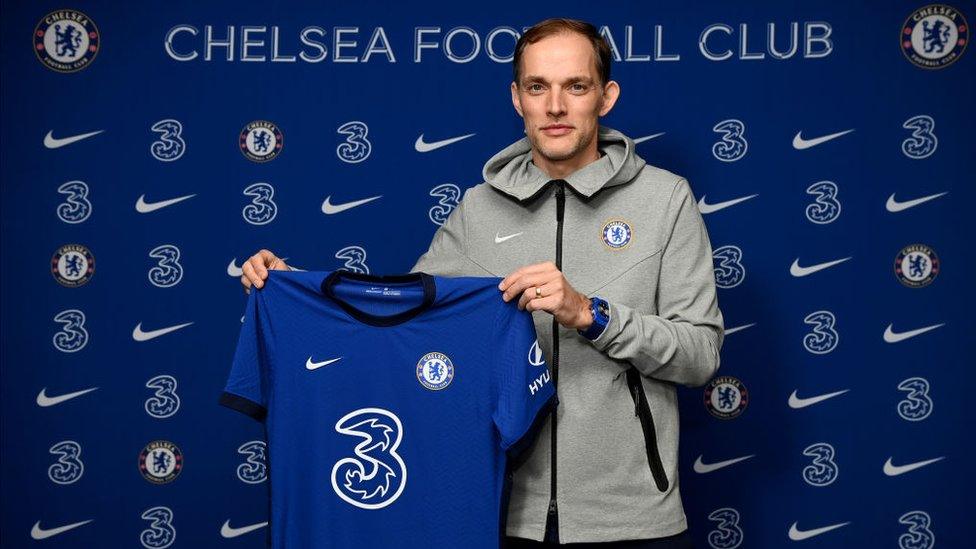
The main thing is happening outside of the pitch. It ultimately determines the club’s future on all levels, and these decisions are made in those rooms and at the headquarters.
Top-level clubs and well-operating boards:
While the most successful boards, leadership structures, and governing bodies make top-class decisions at the highest level — planning and thinking for the club’s future, present, and overall well-being — others fail to do so.
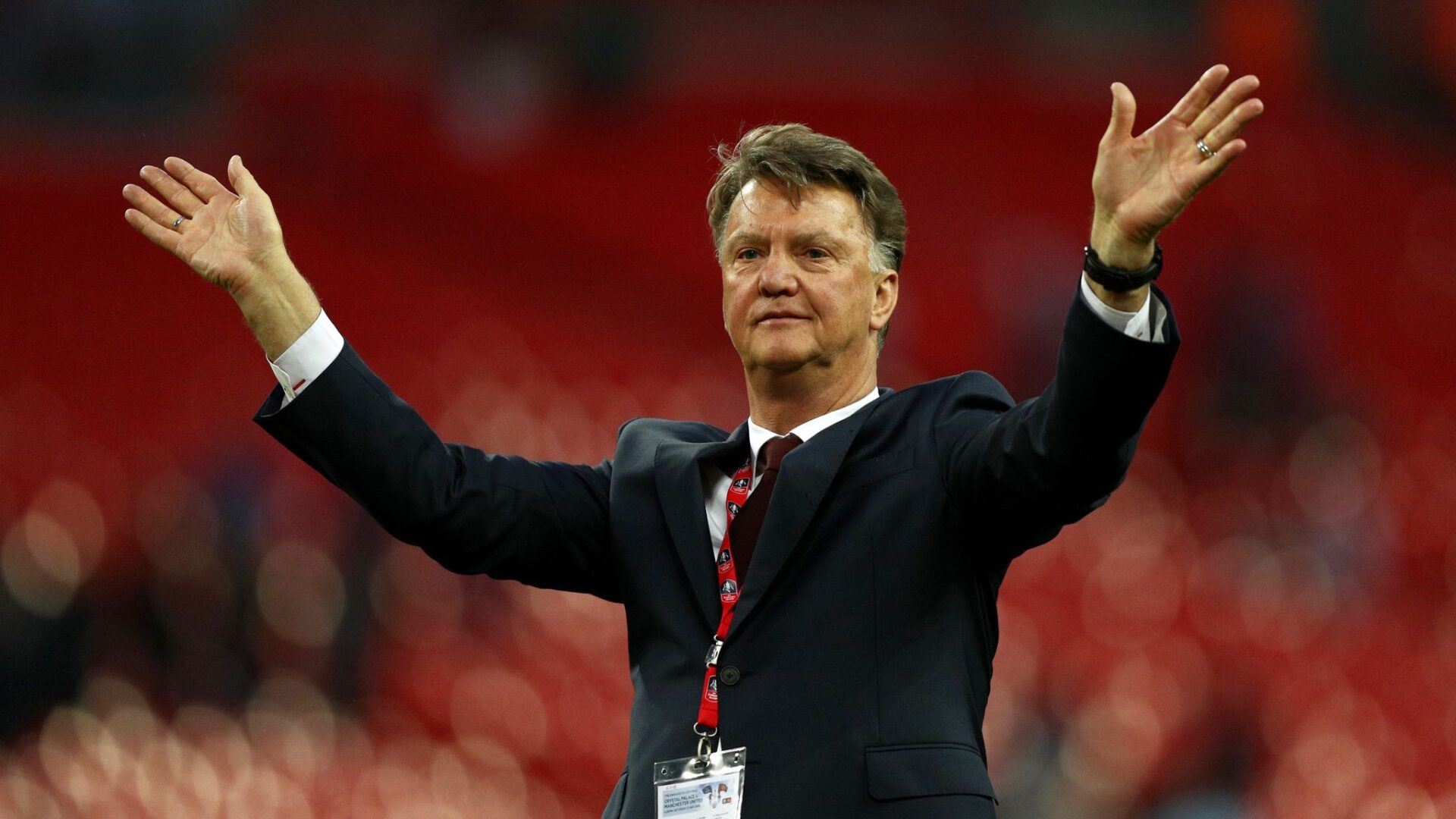
Low-level clubs and poorly-operating boards:
Mostly because of arrogance and low experience of individuals included in the board operating structures. Sobberance defines many cases.
The ultimate crossover in football is this:
If a club from a lower division suddenly improves, earns promotion, and gains significant attention — especially one that was not strong historically in terms of division or overall success — it faces a difficult path and a critical crossroads.
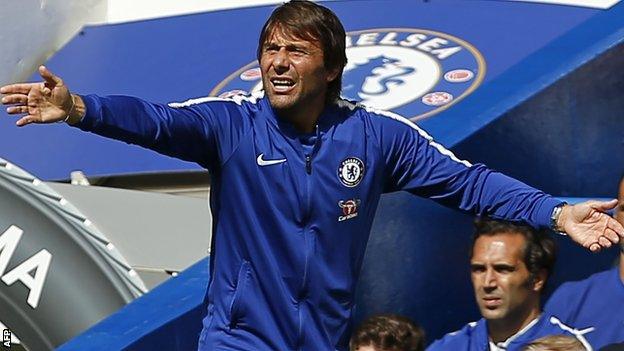
If the board is weak, disorganised, or inexperienced, they fall harder on hard decisions.
When they must maintain their status, they fail — due to limited experience and poor judgment. “Top boards succeed because their experience and knowledge help them handle challenges well.”
Experience and knowledge:
Governing bodies and organs establish the club’s strategies, future and goals.
There is a perfect board, and then there is a board stuck in the 17th century. This is why many runs collapse. The difference is enormous.
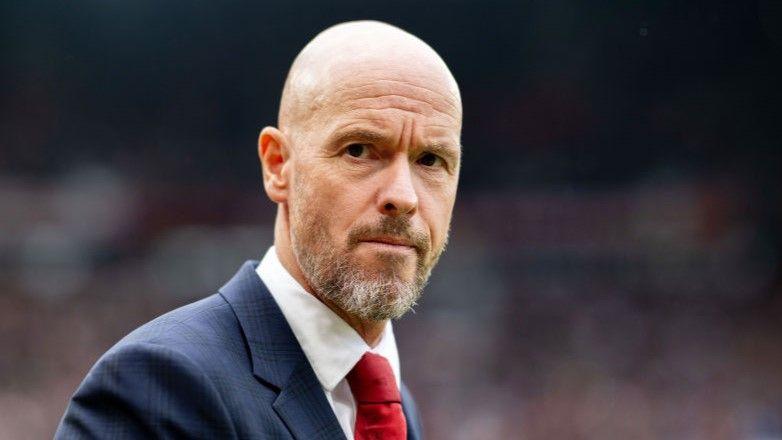
The gap between long-term successful strategies and poorly governed clubs is like the sky and the ground.
The differences are vast — measured by the dimensions of the universe.
The big six are there with a reason.
This is why the “Big Six” truly existed. It was not a myth — there were systematic strategies and structured work that defined success and created effective, successful organisations.

The successful and analytical work lies behind every successful club and structure.
There is no luck at this level.
About the Author