Semenyo answers and “Financial Fair Play vs Manchester City: How Long Can the Billion-Pound Carousel Keep Spinning?”
 Srećko Šijaković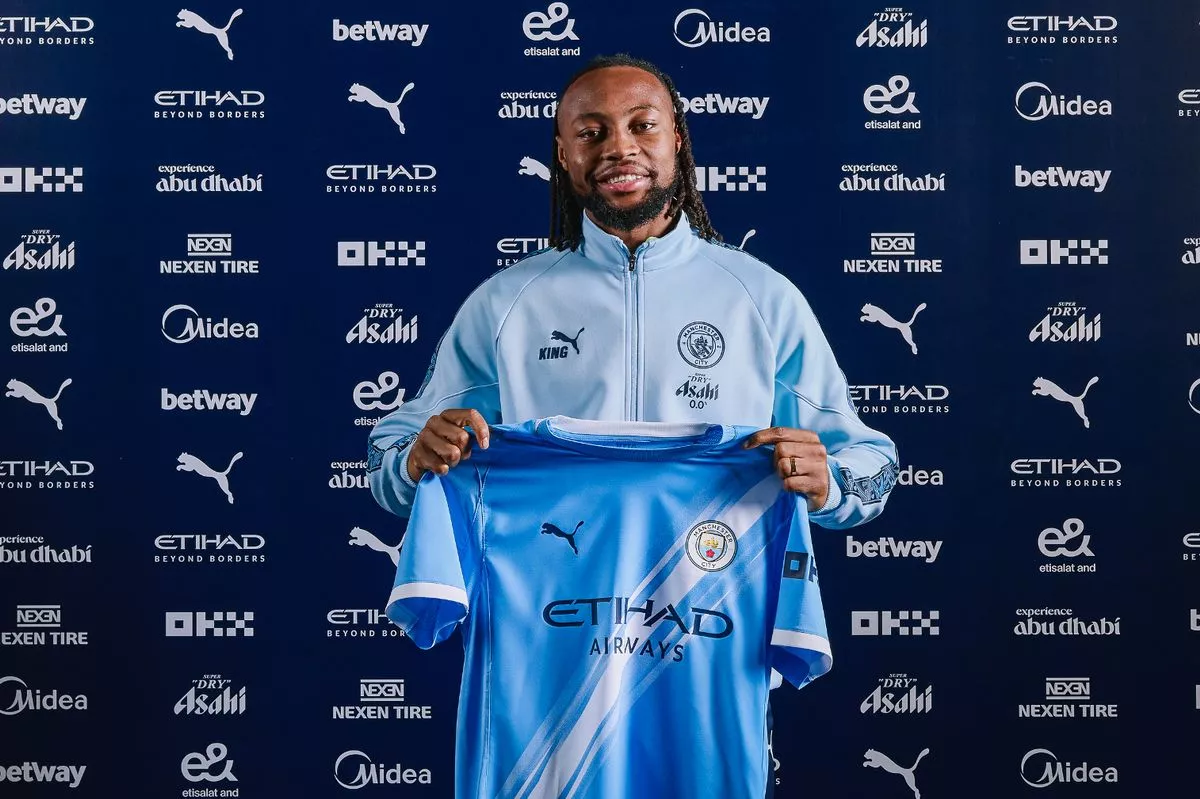
Whenever the transfer window approaches, one fact is always clear: Manchester City will spend a vast amount of money on expensive reinforcements. Whether it is 2011, 2018, 2025, or now 2026, the pattern remains the same—Manchester City consistently pay well over £50 million for players.
City’s involvement in the transfer market is not occasional or situational; it is entirely systematic. Their activity is so regular and so aggressive that an expensive transfer window has become a constant rather than a variable. Just as rivers continue to flow and tomorrow inevitably becomes a new day, it is equally inevitable that Manchester City will be active in the transfer market, utilising its financial power to attract players with substantial fees.
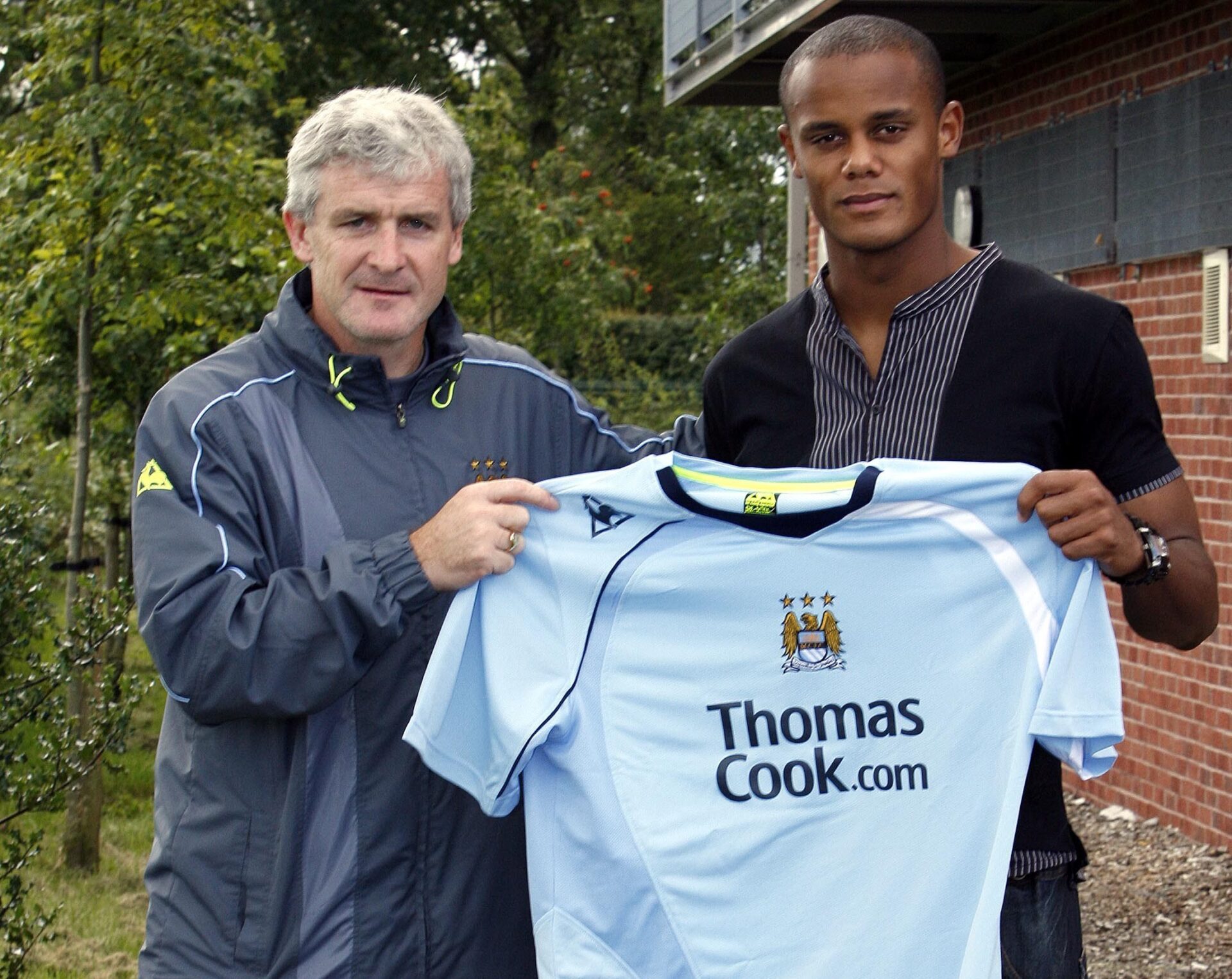
Since the takeover in 2008, Manchester City’s wealthy ownership structure has repeatedly demonstrated its willingness to spend. Even today, many years after that pivotal moment, the club continues to invest hundreds of millions—and in total well over a billion pounds—into transfers. This approach has never changed. The transfer policy remains identical: acquire players through massive financial outlays.
Yet despite spending tens of billions over the years, Manchester City have won only one Champions League title. They have reached two Champions League finals but managed to lift the trophy only once, a return that raises legitimate questions when measured against the scale of investment.
£425 Million in 12 Months
In the last 12 months alone, Manchester City have spent approximately £425 million on new signings—nearly half a billion pounds.
- Khusanov – £33.5m
- Vitor Reis – £29.4m
- Omar Marmoush – £63.2m
- Nico González – £50m
- Aït-Nouri – £36m
- Reijnders – £46.3m
- Cherki – £34m
- Nypan – £12.5m
- James Trafford – £31m
- Donnarumma – £26m
- Semenyo – £64m
With just one of these transfers, Manchester City could exceed the entire annual or historical budgets of many football clubs. There are clubs across Europe—rich in tradition, identity, and footballing culture—that have never had £34 million or £26 million pass through their accounts, amounts City pay almost casually.
To put this into historical context: just over 20 years ago, the world-record transfer fee stood at around €52–53 million, paid by Juventus for Gianluigi Buffon from Parma. Today, Manchester City regularly surpass such figures without hesitation.
Many clubs have never held £34 million in their treasury, yet they remain historically significant, competitive, and culturally important institutions within football.
Buying Quality, Not Creating It
Manchester City do not create quality—they buy it. This is evident. The real question is why this reality is so rarely addressed by English media, whose responsibility is precisely to analyse and contextualise such trends.
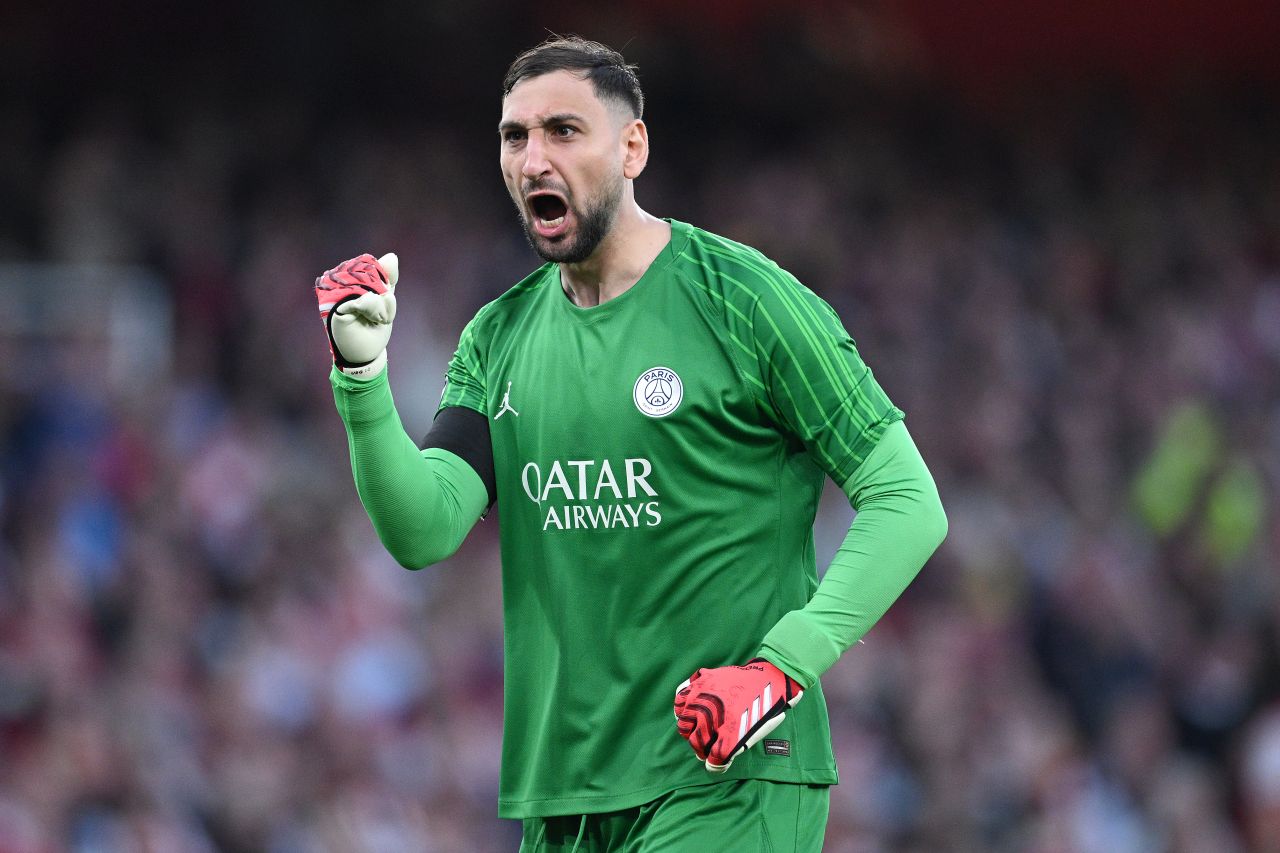
Why did Manchester City sign Donnarumma in August when James Trafford had already returned to the club in June and was positioned as a long-term solution? Why does every positional issue immediately lead to a high-cost purchase rather than development from within?
The club’s failure at the FIFA Club World Cup further exposed that not everything is functioning smoothly beneath the surface. Since 2008, Manchester City have become synonymous with financial power and relentless spending, continuing even after winning the major and most important trophies.
Financial Fair Play must eventually become a serious obstacle—one that forces City to confront the sustainability of this endless, multi-billion-pound carousel. Instead, the club should seriously invest in its academy and commit to players like James Trafford, who should represent the future of Manchester City.
The Semenyo Question: Necessary or not?
The arrival of Semenyo raises an important question: Does Manchester City truly need him?
In smaller Premier League matches, Semenyo can be decisive. Against deep defensive blocks, he can deliver crucial goals and points—particularly in matches where opponents defend for 90 minutes, as Sunderland did. Semenyo is undoubtedly a useful addition to Guardiola’s squad for sure.
However, the £64 million spent on Semenyo effectively blocks the pathway for Oscar Bobb, who now finds himself pushed toward the exit. He is close to signing for Borussia Dortmund in the Bundesliga. Semenyo occupies Bobb’s natural position, and once again, a young internal option is sacrificed for an established name.
Oscar Bobb is clearly not considered a “big enough name” to earn full trust from Guardiola and the hungry fanbase.
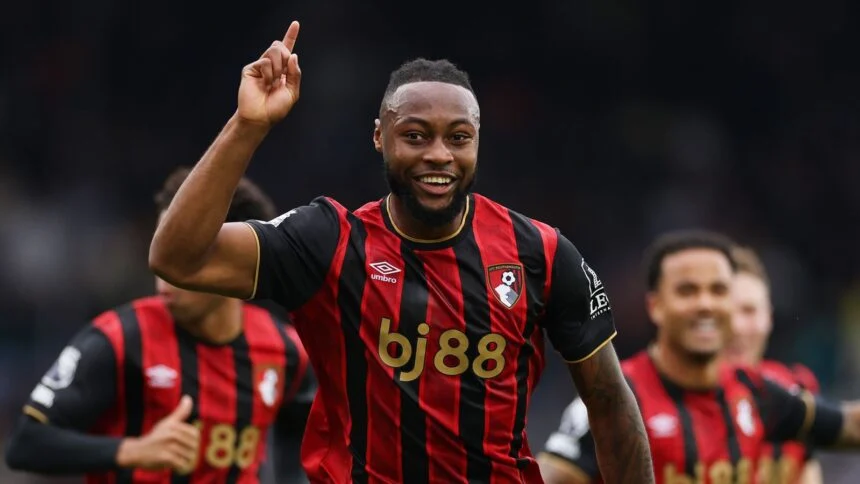
Semenyo can operate on both wings and is particularly dangerous when tasked with breaking down compact defensive structures. That makes him a logical Guardiola signing. Yet his arrival also sidelines Savinho, who now risks fading into obscurity.
Semenyo fits the profile City prefer—immediate, proven, and expensive. On the left side, Guardiola will likely rotate between Doku and Semenyo, and they will later develop a great partnership in City’s attack, contributing many goals.
About the Author