Srećko Šijaković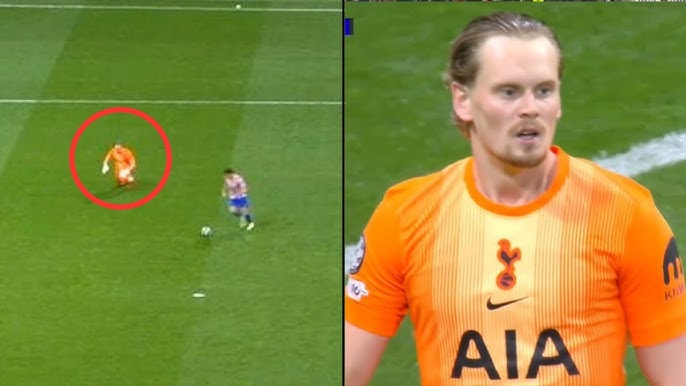
Tottenham learned the hard way what defending really means and how important it is to strengthen a defensive unit. The club suffered through a disastrous campaign under both Thomas Frank and Igor Tudor, a period during which goals were conceded far too easily and defensive mistakes became a weekly occurrence. Supporters endured a season in which defenders repeatedly made costly errors, struggled to play out from the back, and often looked uncomfortable in possession.
Tottenham was better than West Ham.
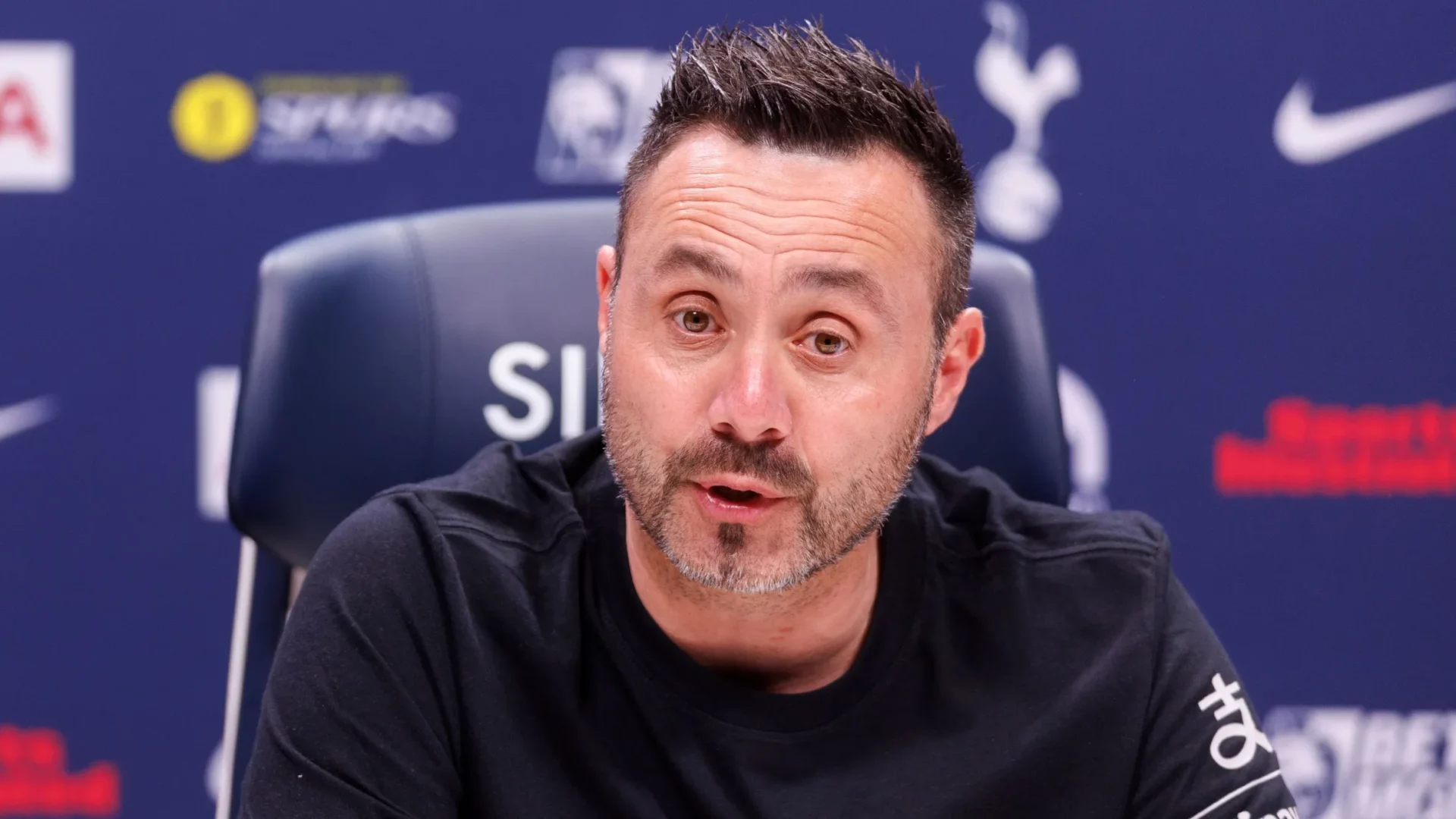
The situation became so severe that Tottenham found themselves flirting with relegation. Fortunately for Spurs, West Ham United lacked the attacking quality needed to survive, allowing Tottenham to remain in the Premier League. The club then turned to Robert De Zerbi, who had spent the previous season managing Marseille, to lead a long-term rebuild.
One of De Zerbi’s key messages after arriving was that there was little time for lengthy discussions. Survival was the priority.
At the same time, he repeatedly stressed that his players needed to improve both with and without the ball. His experience in France proved valuable as he sought to stabilise a struggling side.
Problems with Igor Tudor. – Explanation
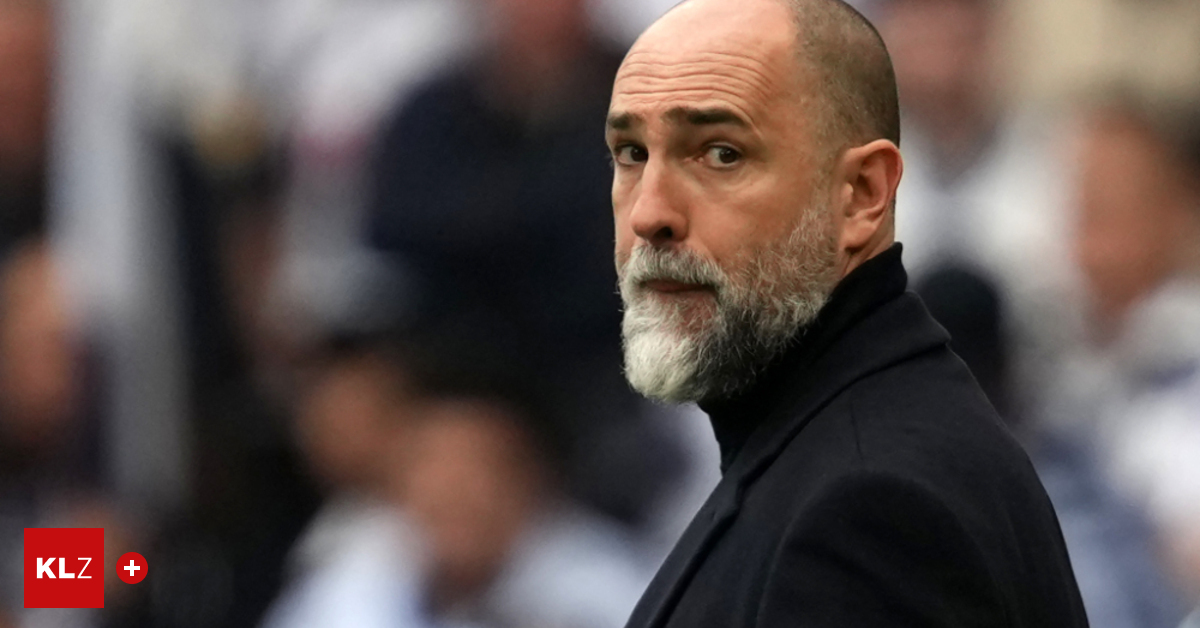
Igor Tudor did not have a chance to succeed with Tottenham.
A major problem under Tudor was the vulnerability of Tottenham’s structure. His 3-4-2-1 system often left crucial spaces exposed, while Tottenham’s players consistently lost one-on-one duels. Weak zones across the pitch were repeatedly targeted by opponents, exposing every flaw in the team and pushing Spurs dangerously close to disaster.
De Zerbi minimised these issues by switching to a 4-2-3-1 shape. He built a system around traditional wingers capable of stretching the pitch and creating direct attacking threats. Randal Kolo Muani and Mathys Tel operated in wide positions, providing pace and penetration.

Their direct style helped Tottenham attack effectively, but defensive discipline remained essential, as any mistake could quickly lead to dangerous counterattacks.
Tottenham ultimately secured survival, and with De Zerbi staying at the club, the rebuilding process has already begun.
Spurs have strengthened key areas of the squad, secured the signing of Andy Robertson following the expiration of his Liverpool contract, and continue to search for further defensive reinforcements.

Robertson’s arrival is another indication that Tottenham have finally understood the importance of defensive stability, a culture of defending and defending itself. The experienced Scot enjoyed the best years of his career at Liverpool and brings leadership, experience, and Premier League pedigree.
While he may no longer be at his peak, he remains a reliable option capable of improving Tottenham’s left side. The move makes perfect sense.
Robertson knows the league better than almost anyone, remains effective going forward, and should have an excellent opportunity to become a regular starter under De Zerbi.
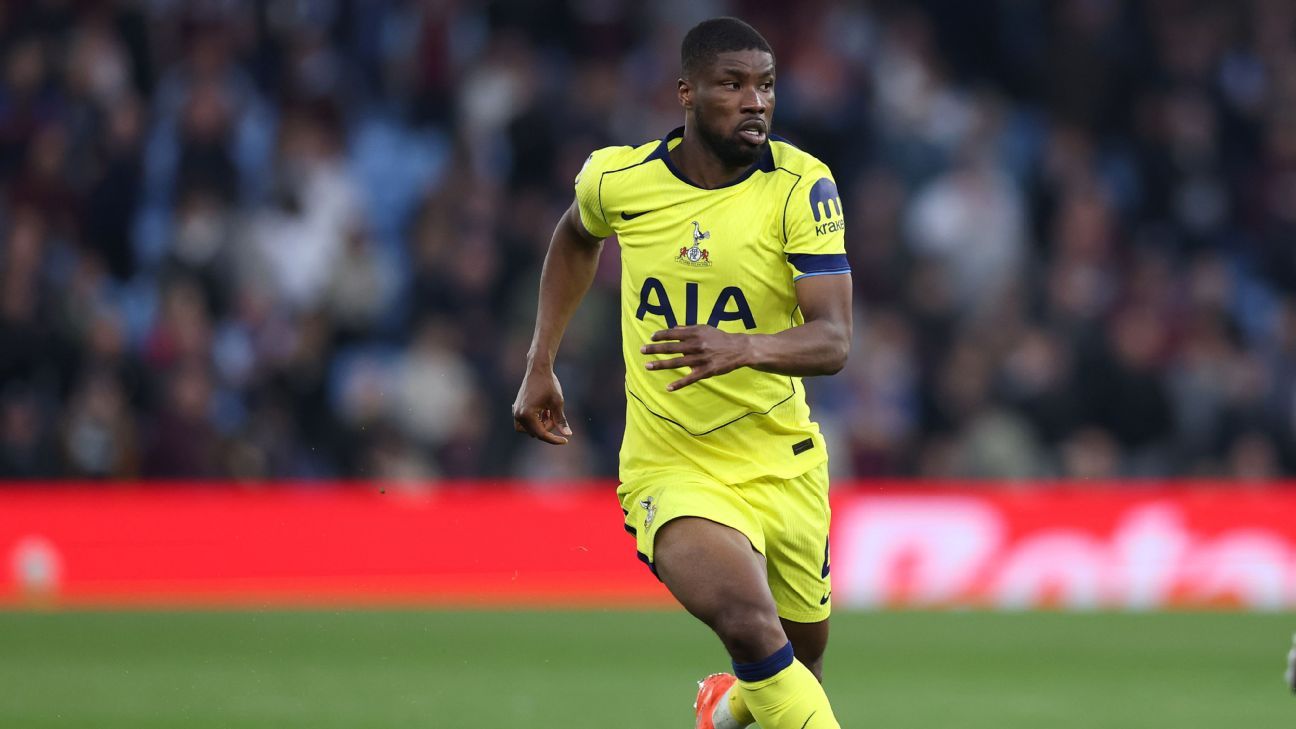
This season taught Tottenham a valuable lesson. Building a successful defence is not simply about collecting expensive names. Players such as Cristian Romero, Kevin Danso, and Radu Drăgușin were expected to solve problems, yet the collective structure remained fragile. Tottenham now appear to understand that defending is about organisation, balance, and recruitment that fits a clear tactical vision.
The club has learned from its mistakes. Robertson is another sign of that change.
About the Author