“Liverpool, Arne Slot, and Proof That We Understand Football Better Than Ever!”
 Srećko Šijaković
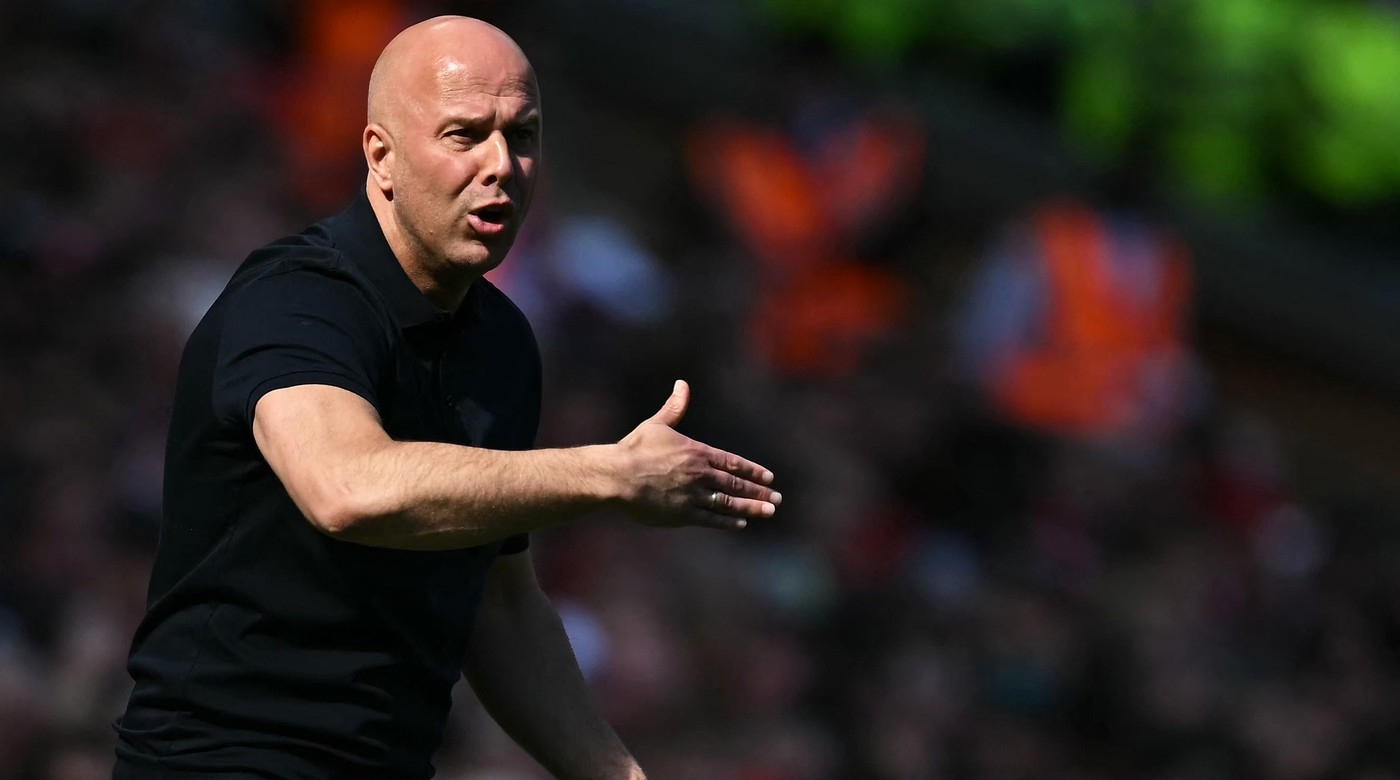
One of the clearest signs that our collective understanding of football has evolved can be found in the way Liverpool under Arne Slot has been analysed and discussed.
Football supporters today understand the game at a far higher level than previous generations. The growth of tactical analysis, statistical data, expert commentary, and digital football content has transformed how people watch and interpret matches. Concepts that were once discussed only inside dressing rooms and coaching offices are now part of everyday football conversations.
Liverpool under Arne Slot provides a fascinating example of this evolution.
Despite winning the Premier League title in his first season, Slot’s Liverpool increasingly came under scrutiny during his second campaign. More and more observers began to identify a weakness that would have received far less attention in previous years: Liverpool’s performances without the ball.

Years ago, football discussions were dominated by goals, assists, possession statistics, and league positions. Today, supporters are asking different questions.
How effective is a team’s press? How strong are they in defensive duels? How well do they control transitions? What happens when they lose possession?
These questions led many observers to the same conclusion. Liverpool looked increasingly vulnerable without the ball. The issue was not necessarily their attacking quality or their ability to dominate possession. The concern was their ability to compete in duels, recover possession, and maintain defensive intensity throughout matches.
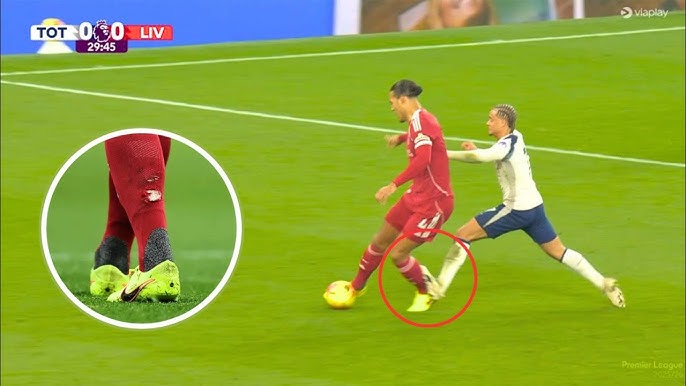
Many analysts pointed to injuries and squad changes as contributing factors. Liverpool no longer possessed all of the players who had previously made them one of Europe’s most aggressive and effective pressing sides.
As a result, weaknesses that may once have gone unnoticed became easier to identify. What is most interesting, however, is not Liverpool’s decline without the ball. It is the fact that so many people recognised it.
Modern football supporters do not simply watch matches. They analyse them. They discuss pressing structures, defensive organisation, midfield balance, transitions, and tactical systems. They consume content from analysts, former players, coaches, and broadcasters who explain the game in greater detail than ever before.
The rise of football analysis has created a generation of supporters who constantly ask questions. Why did a team lose? Why did the press fail? Why was the midfield overrun? Why did a tactical plan break down?
This growing curiosity has elevated football discussion to a level that previous generations could hardly have imagined.
Football analysis today is not merely about describing what happened. It is about understanding why it happened.
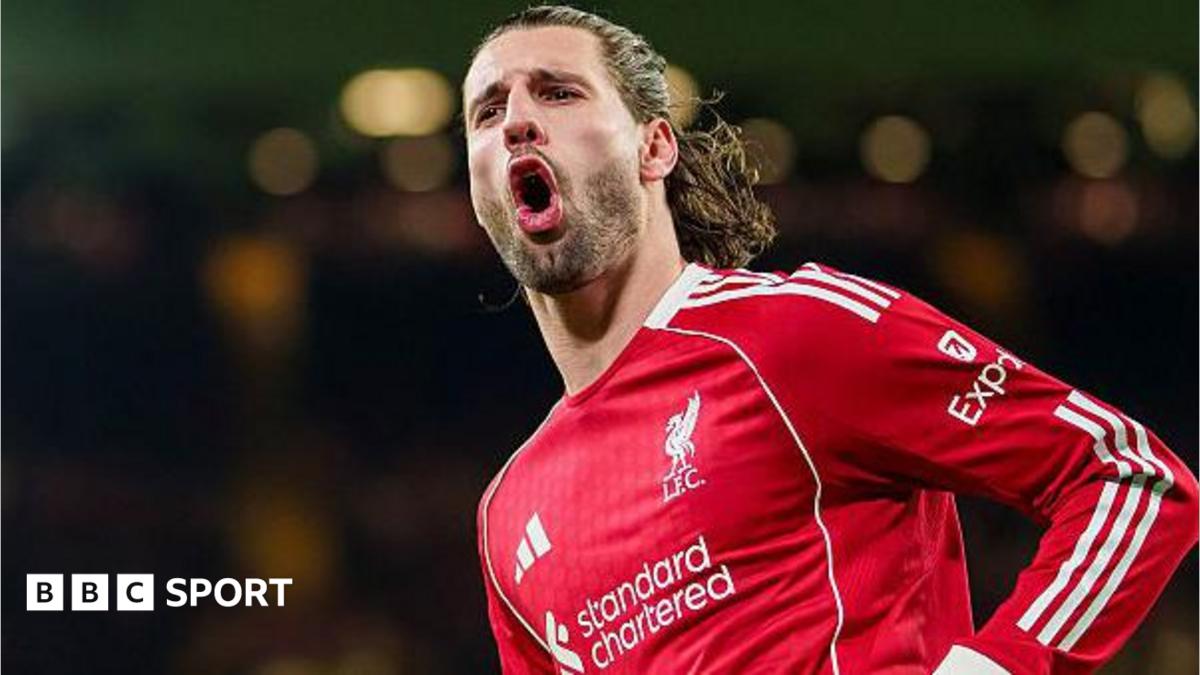
Perhaps the widespread recognition of Liverpool’s off-ball weaknesses under Arne Slot is one of the strongest examples of how far our collective understanding of football has progressed. It demonstrates that fans are no longer passive spectators. They are active students of the game, capable of identifying complex tactical problems and discussing them with remarkable depth.
That, more than anything else, is proof that our understanding of football has reached its highest level yet.

Premier League Analysis was created for those who search, for those who ask questions, and for those who seek answers.
We are here for people who want to know more, explore further, realise what is really happening on the pitch, and form their own informed opinions on the matters that shape football. We are here for those who are curious, for those who refuse to accept simple explanations, and for those who believe that every football question deserves an answer.
Football is a game of ideas, reasons, decisions, and consequences.” The more questions we ask, the more we understand. The more we understand, the closer we get to the knowledge.
That is why Premier League Analysis exists.

It exists for football enthusiasts who think, who question, who search, and who want to understand the game beyond the scoreline. It exists for those who are not satisfied with what just happened but want to know why it happened.
Because football will always have questions. And together, we will always search for the answers.
About the Author