“France Won’t Win the World Cup — And Didier Deschamps Is Why”
 Srećko Šijaković
 The role of France’s national team manager is one of the most prestigious positions in world football. Yet for much of the modern era, it has not always been occupied by coaches renowned for tactical brilliance. Looking back over recent decades, only two managers have truly shaped an era for Les Bleus: Raymond Domenech and the current head coach, Didier Deschamps.
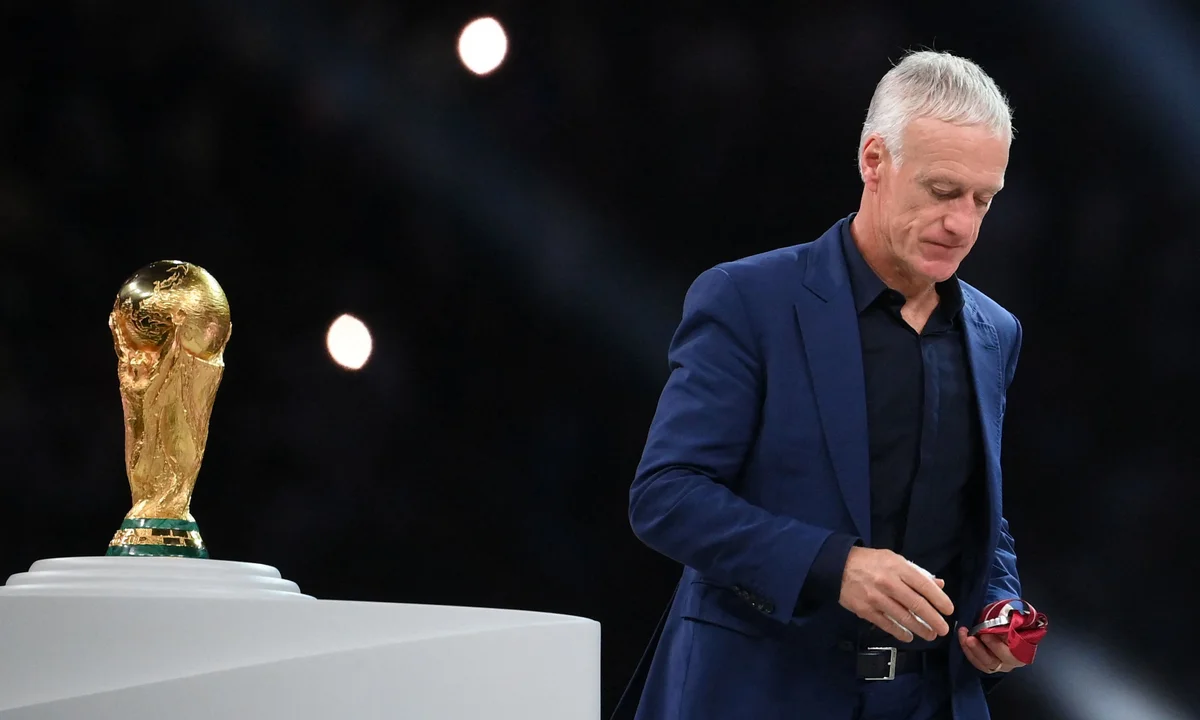
When measured against the game’s elite tacticians, however, Deschamps does not belong in the same category as football’s most innovative and respected coaching minds. His greatest strength lies elsewhere.
Deschamps is a master of tournament management. Few coaches understand the rhythm of a major international competition as well as he does. He knows how to guide a team through a group stage, gradually build momentum, and keep his players focused on the task immediately in front of them. His attention is always fixed on the next ninety minutes rather than the wider narrative.
Yet tournament expertise and tactical excellence are not the same thing.

In my view, France’s defeat by Argentina in the 2022 FIFA World Cup Final remains a painful example of that distinction. France possessed enough quality to win that match and ultimately fell short. The pattern repeated itself at UEFA Euro 2024, where they were eliminated by Spain in the semi-finals after taking an early lead.
These were defining moments, and Deschamps came away from them empty-handed. Hard defeats had already happened to France.
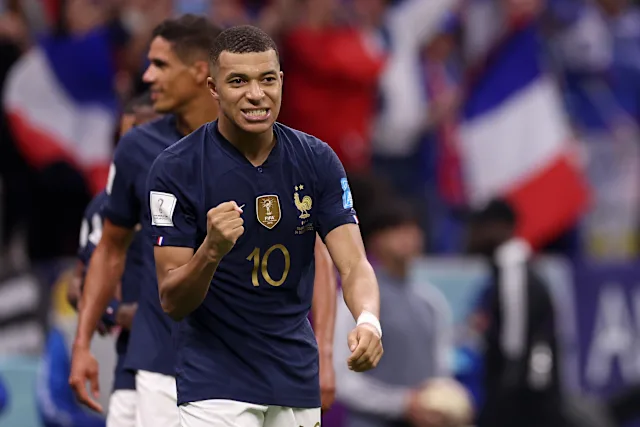
After this World Cup, his tenure with the French national team will come to an end.
Can France deliver a perfect farewell and lift football’s greatest trophy one final time under Deschamps?
I do not believe they can.
On paper, France may possess the strongest squad in international football. Their attacking talent is unmatched. They were World Cup finalists, European Championship semi-finalists, and continue to produce world-class players at an astonishing rate.
The quality is unquestionable.
The issue lies elsewhere.

There remains a significant gap between the extraordinary talent available to France and the level of collective football the team consistently produces.
That gap is the reason I do not expect Deschamps to leave with another World Cup medal around his neck.
And yet writing off France would be a serious mistake.
Their attacking options are extraordinary. Players such as Michael Olise, Ousmane Dembélé, Kylian Mbappé, Désiré Doué and Rayan Cherki provide a blend of pace, creativity, unpredictability and technical brilliance that few nations can rival.
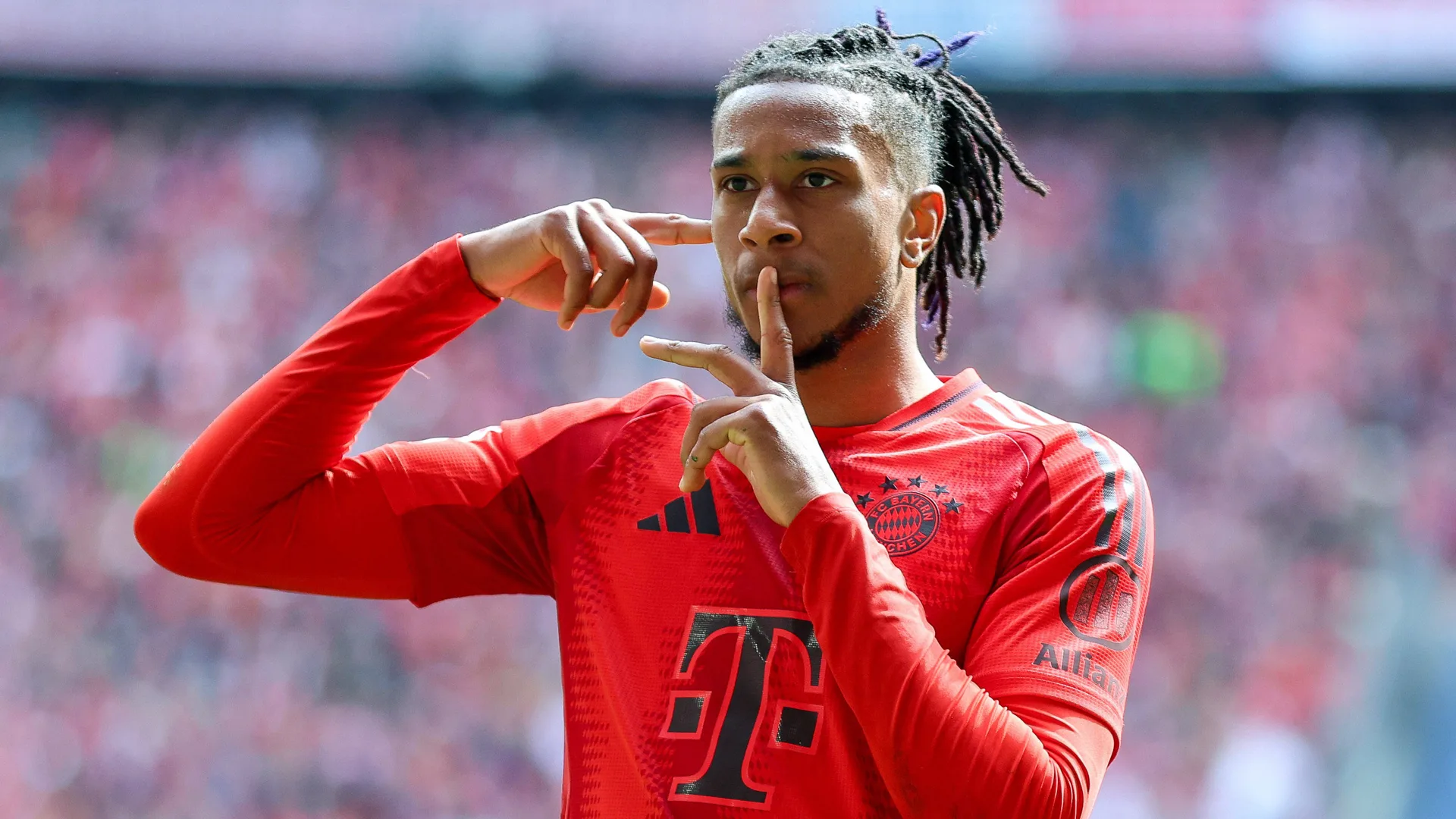
This is an attack capable of hurting any defence in world football.
Their attacking line is the best. Much better than PSG.
Their attacking line is reaching perfection, and it scares people!
What was that?
At the same time, France are not a side that regularly keeps clean sheets. They concede goals more often than genuine title favourites usually do. Rather than fighting that reality, they may need to embrace it. France’s greatest weapon is not defensive control but overwhelming attacking firepower.
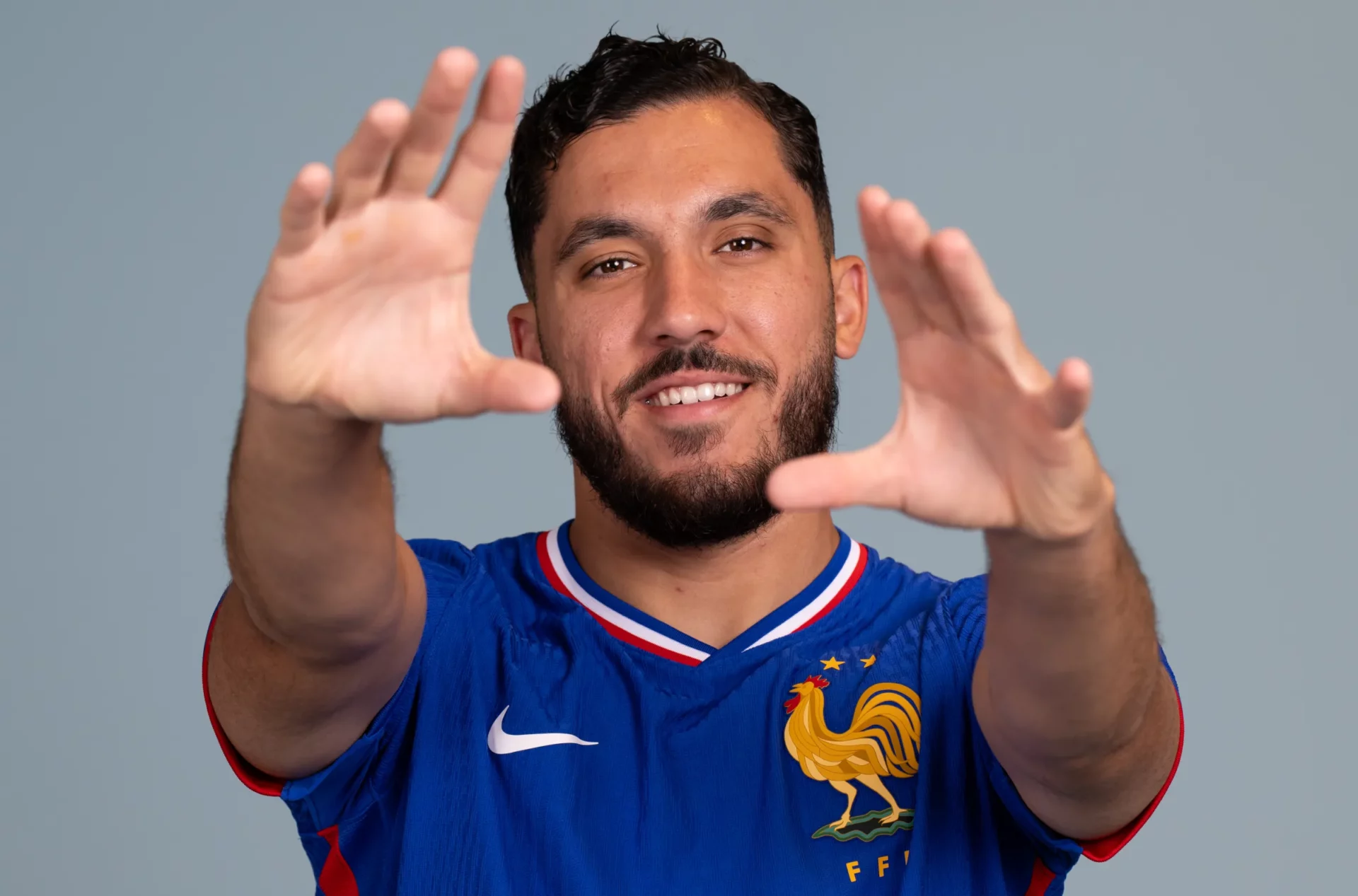
If France understands that they are likely to concede goals and not easily avoid conceding goals, they can adapt their approach accordingly. Instead of focusing on keeping a clean sheet at all costs, they can concentrate on scoring two or more goals themselves. Knowing that one goal may not be enough to win a match could encourage them to play with greater attacking intent and make better use of their immense offensive talent.
If they accept that their playing style and the attacking football they play and spend themselves mostly means they will concede goals, they could go very deep into the tournament. Knowing this and valuation can get them very deep into the tournament.
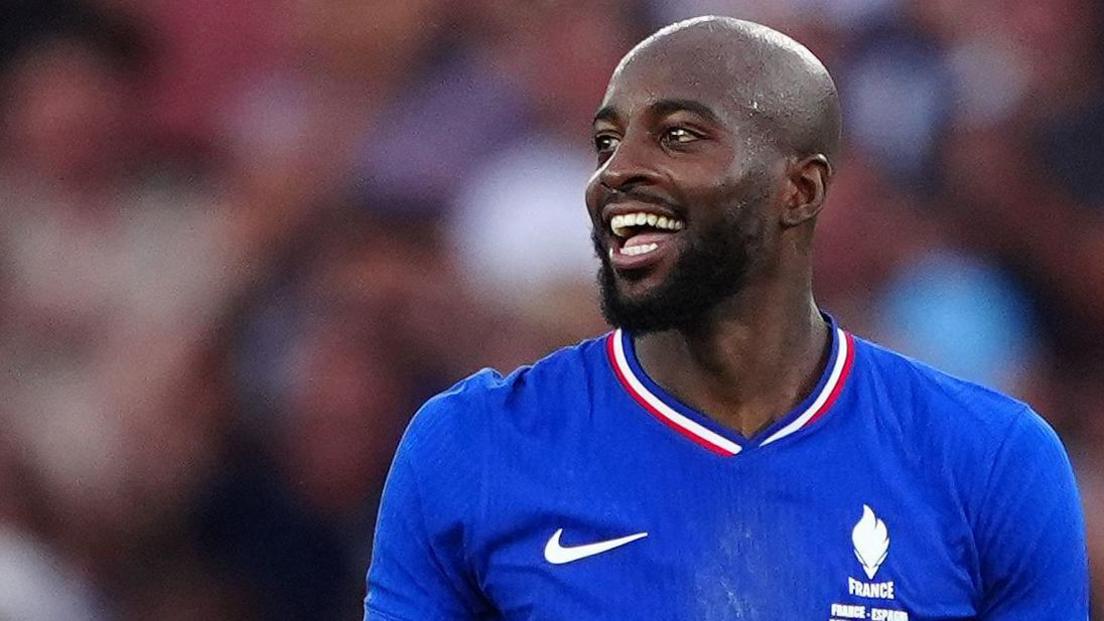
Deschamps, despite his limitations, remains exceptionally effective in knockout football. The squad has been further strengthened by players such as Manu Koné and Jean-Philippe Mateta, while N’Golo Kanté continues to be a trusted figure because of his unique ability to recover possession and protect the defence. That is why Kante is in Didier Deschamps ‘ roster and France’s plans despite everything.
Deschamps brought Kanté because he wants a midfielder whose primary responsibility is defensive work. He values ball recoveries, positioning, and protection in front of the defence above all else. Yet France could have used that squad place on a younger, more creative player—someone capable of dictating play and adding another dimension to the team’s midfield.

The reality is that Kanté has not played at the highest competitive level for at least three years. His selection says more about Deschamps’ conservative approach than it does about France’s abundance of emerging midfield talent.
Deschamps has always valued players who bring balance, discipline and defensive security, and Kanté remains the embodiment of those qualities.
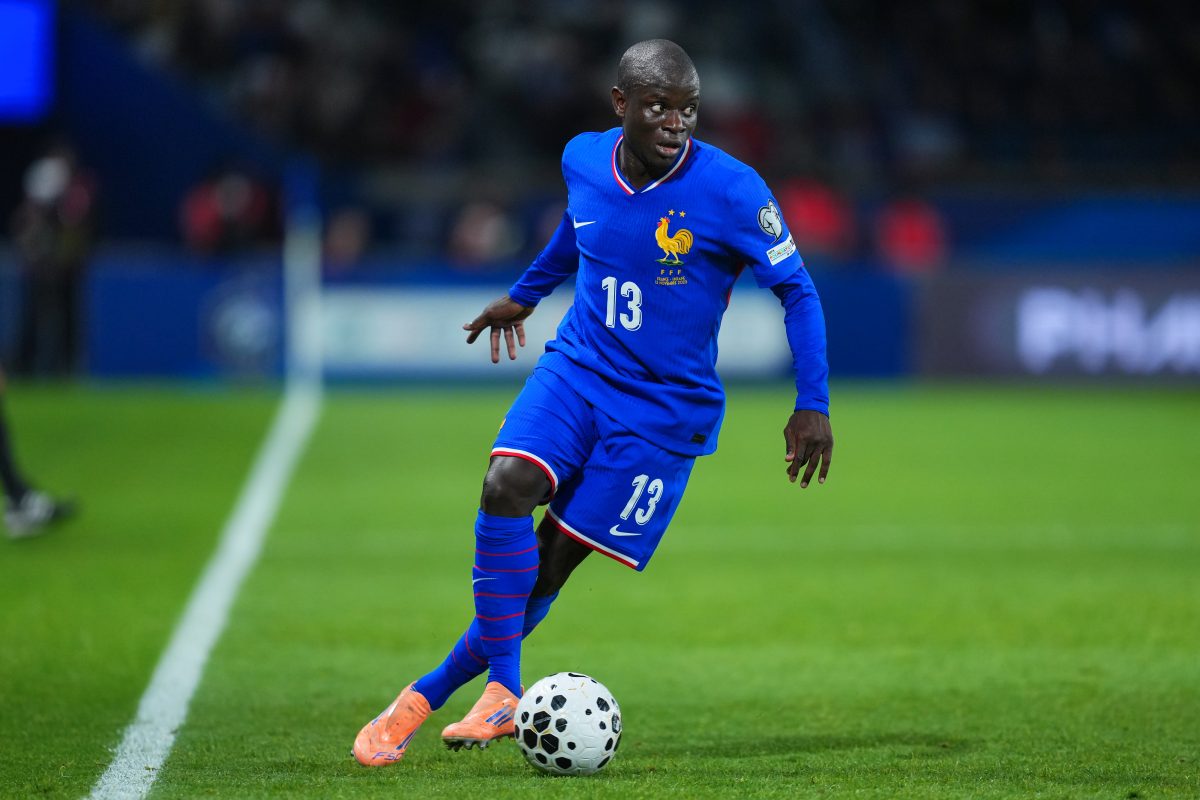
Deschamps really loves Kante! For real!
That is a disgrace to call Kante up to the World Cup list.
But that is his cheek and work.
France has the flexibility to operate in either a 4-1-4-1 or a 4-3-3 system. The immediate objective will be navigating the early rounds and reaching the decisive stages of the competition. Once there, their individual quality can carry them a very long way.
Beyond this tournament, however, an even more intriguing chapter awaits.
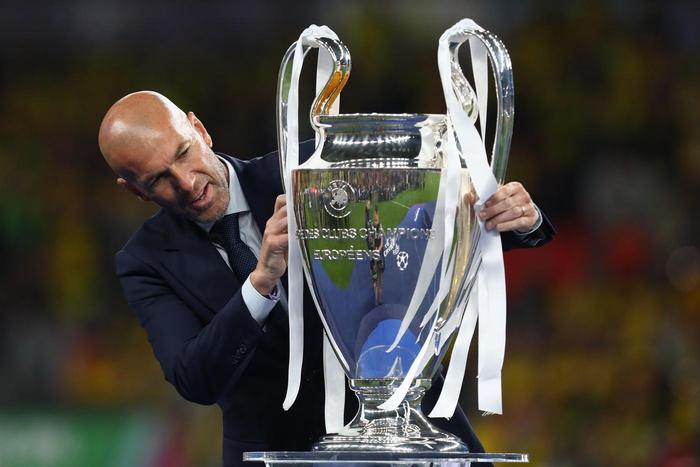
For years, Zinedine Zidane has stood as the heir apparent to the French national team. The legendary former Real Madrid manager has patiently waited for this opportunity, reportedly making the France job the ultimate ambition and priority of his coaching career.
While no official announcement has been made out of respect for Didier Deschamps, the expectation throughout French football remains the same. Zidane has long been viewed as the inevitable successor, the coach chosen to lead France over the long term and usher in the next chapter of the national team’s history.
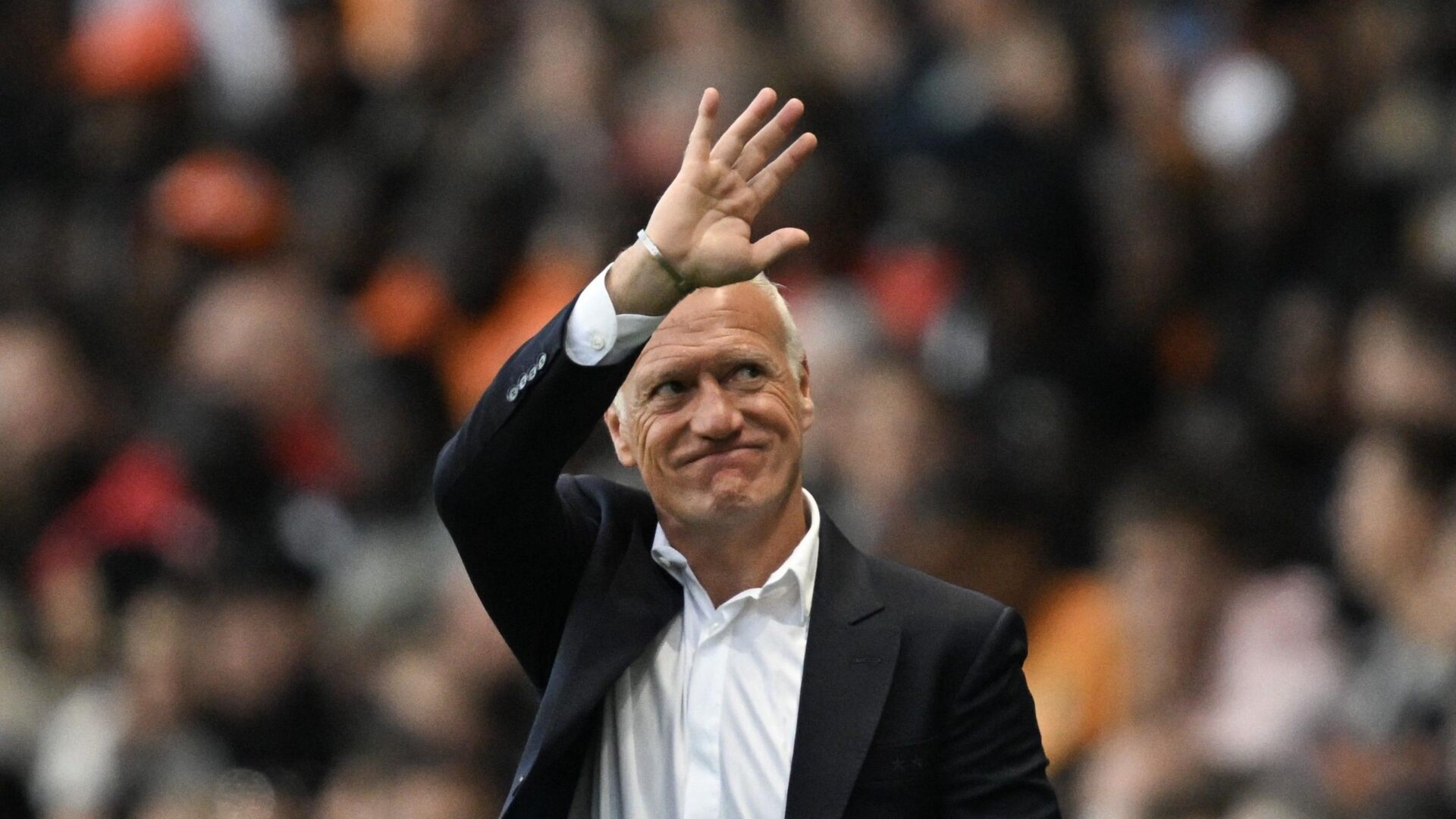
The moment Zidane takes charge, a new era may begin.
France already possesses the talent, the depth, and the next generation of stars. Under a different leadership profile, this team will become even more formidable than it is today.
That is why I believe France’s true golden age may still be ahead of them.
As for this World Cup, however, my conclusion remains unchanged.
France has the players to win it.
They have the depth to win it.
They have the attacking quality to win it.
But I do not believe they have the manager to win it.
This is why I do not expect France to win the World Cup.

And yet, their quality is almost impossible to describe—so rich, so deep, so overwhelming in attacking talent that they can dismantle any team in the world.
This is a squad of pure footballing excellence that will rule the world of football in the next decades. This team will be the best in the best era of French football that is coming. The era under Zidane.
About the Author