“Big Brother”. West Ham goes to the Second Division, where Millwall is waiting.
 Srećko Šijaković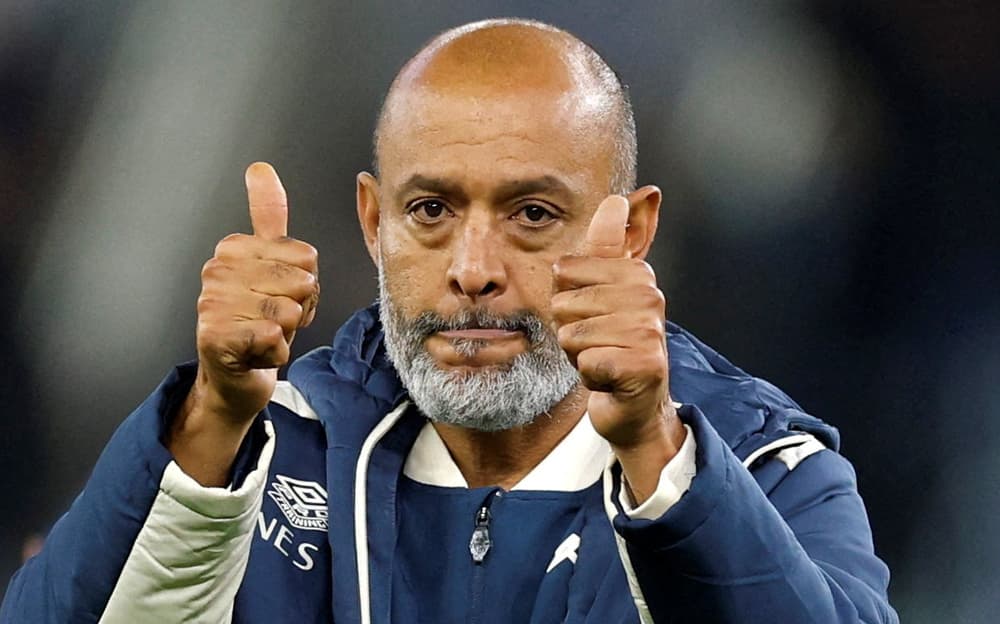
Extremely bad (Winter) Transfer window has cost them REALGATION.
This was a self-destructive outcome for the team, owners, and manager. and players
The club spent almost the entire season trapped inside the relegation zone while standing behind Nuno Espírito Santo, who had only recently been dismissed by Nottingham Forest. During October and November, West Ham looked catastrophic. The football lacked organisation, aggression, and belief. Santo was in a very bad situation at West Ham.

During the broadcasts of PL, the West Ham manager was constantly filmed by cameras that suggested he was so weak and should be removed from duties as West Ham’s first-team manager. The fans were singing, “Sack him in the morning”.
Santo appeared close to the sack at that point, but the board continued trusting that the situation would improve and survival would eventually arrive.
It never truly did.
A crucial point against Chelsea almost secured safety for Tottenham Hotspur F.C. while pushing West Ham closer toward relegation, which is definite this time.
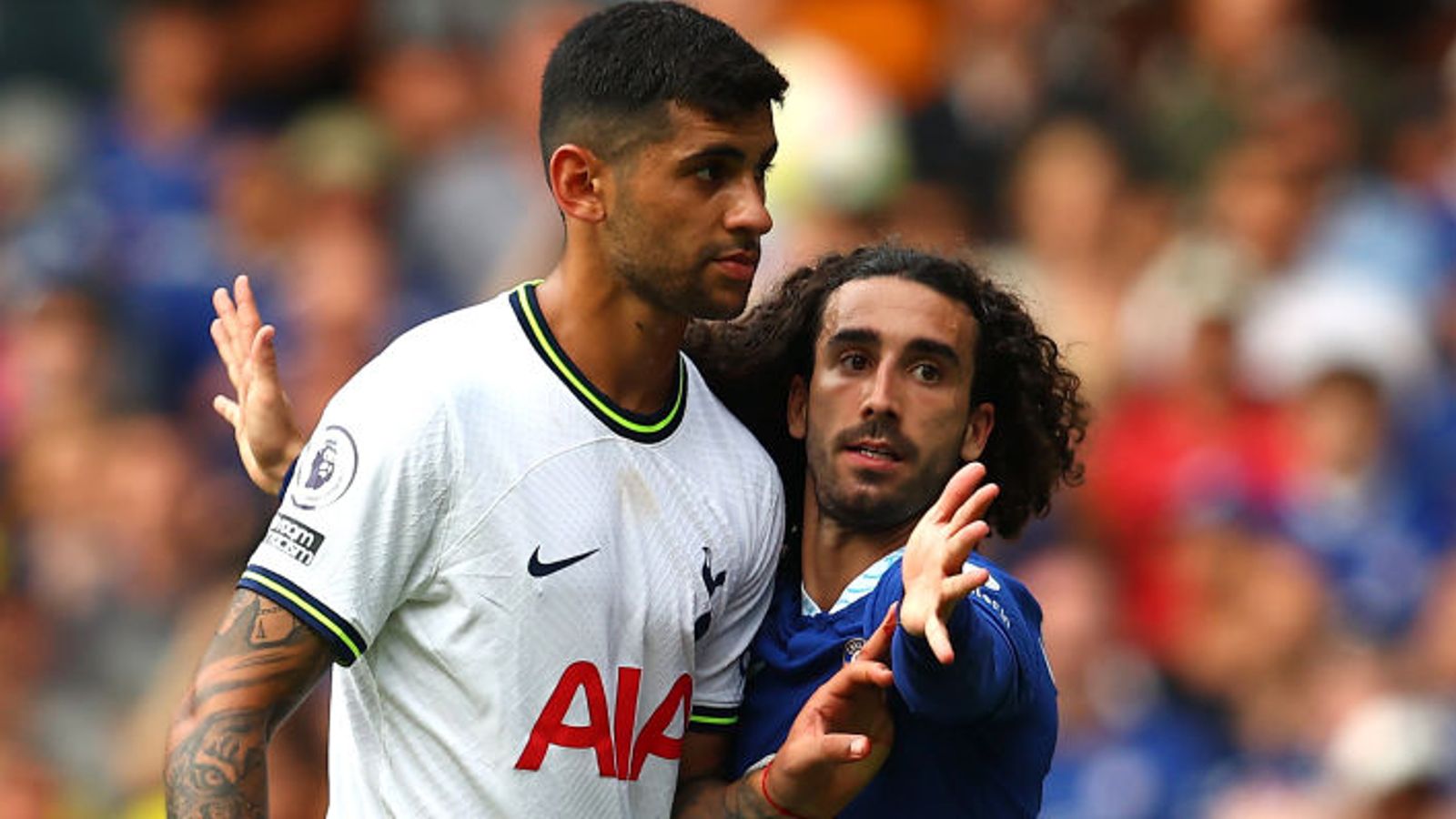
Results improved slightly afterwards, but not enough to save a team destroyed by terrible decision-making and disastrous recruitment that came in this year’s winter window.
And that is where the real collapse happened.
West Ham’s January transfer window may go down as one of the worst in recent Premier League history. In the books on how not to do the transfer windows, the January transfer window 2026 of West Ham goes in the first chapter. The money they get from Lukas Paqueta’s transfer should be spent wisely.
First catastrophic mistake.
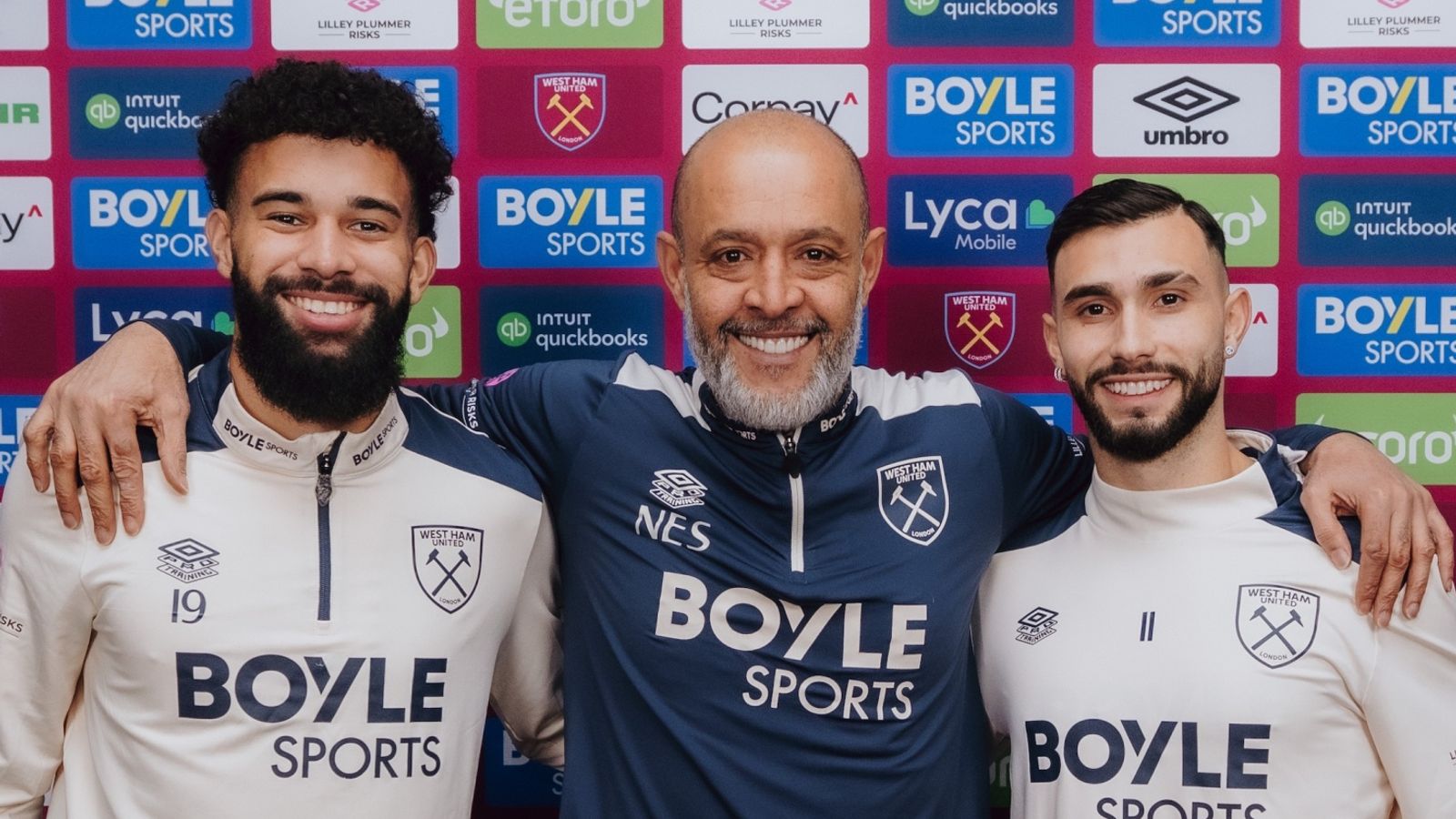
The first catastrophic mistake was signing Castellanos and Pablo — two forwards with no experience at the level and intensity of the Premier League. Bringing attackers from weaker leagues into a relegation battle midway through the season looked amateurish from the beginning. These were not players prepared for survival football in England.
After allowing Niclas Füllkrug to leave for AC Milan and Serie A, West Ham replaced experience with risky projects and hope. Hope is not enough in relegation battles.
Second catastrophic mistake. Axel Disasi
Then came the sale of Lucas Paquetá. West Ham received major money, but completely failed in how they reinvested it. Paquetá clearly looked mentally disconnected this season, almost homesick, but selling him only made sense if the club strengthened intelligently afterwards.
Instead, the money was burned.
Third catastrophic mistake.
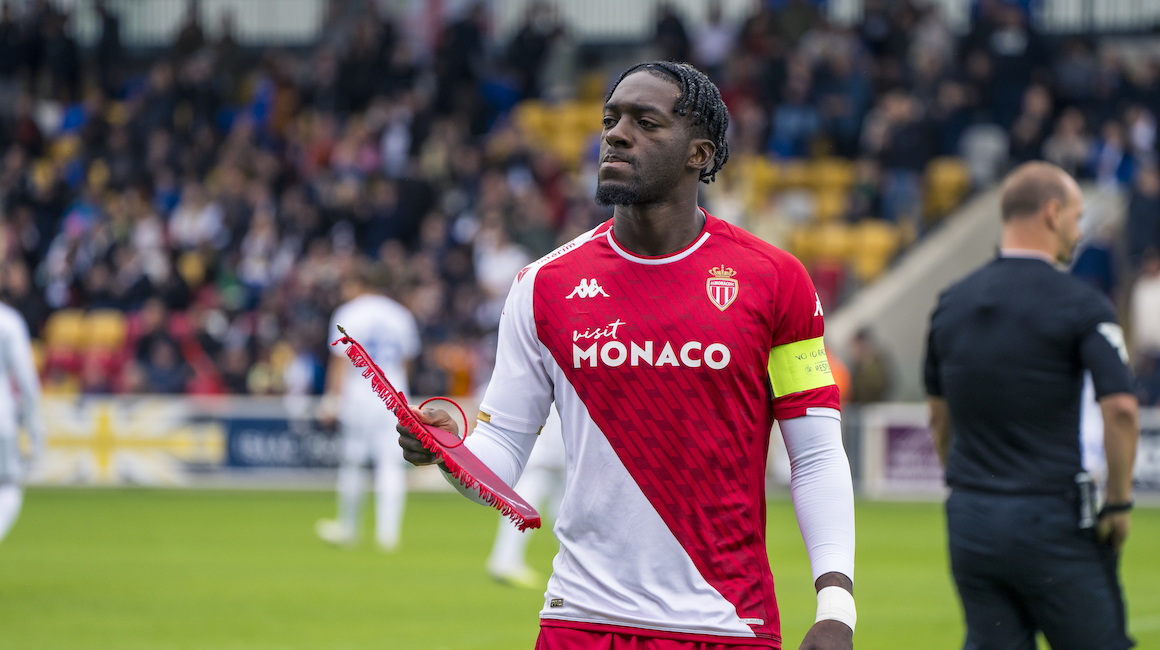
The signing of Axel Disasi may have been even worse than the striker situation. Disasi barely played football for most of the season, and there was a reason nobody seriously wanted him. Even AS Monaco FC, his former club, moved away from bringing him back.
West Ham and Santo chased names instead of profiles that actually suited the situation.
And that decision destroyed them.
Yes, there was once a promising partnership between Disasi and Levi Colwill at Chelsea under Mauricio Pochettino before the arrival of Enzo Maresca. But football is about timing, form, and structure. West Ham signed a player who was physically and mentally disconnected from elite football and who could not agree with any club to go on transfer. Only his former club Monaco was asking for Dissasi, and West Ham also.

The biggest mistake is a player with experience and a huge transfer. Premier League player who has proven. That gives us a clear idea in the minds of West Ham.
They are arrogant, basically, signing these players, and are not making smart and progressive moves. Santo and West Ham bought an important winger who dribbles very well and is proven in the PL, so don’t pity them. They do not deserve.
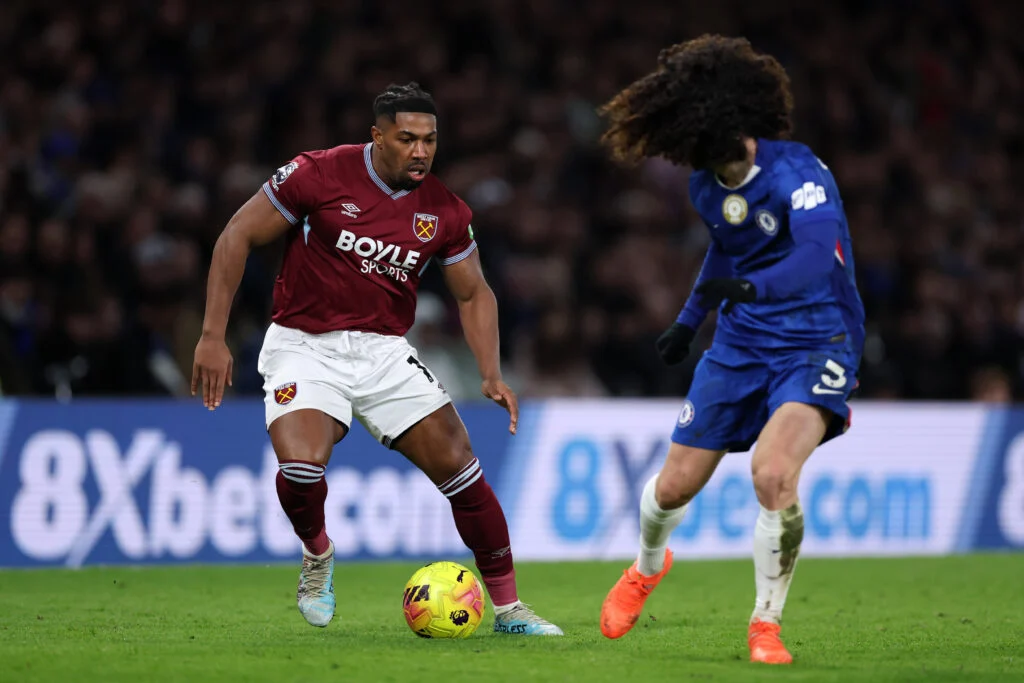
Then there was Adama Traoré — a player whose reputation increasingly revolves around physical chaos rather than a serious end product. A footballer remembered as much for wrestling opponents like Marc Cucurella during Premier League matches as for consistent football quality.
Again: another signing based more on image than tactical need.
All of these transfers involved serious money.
All of them created more problems.
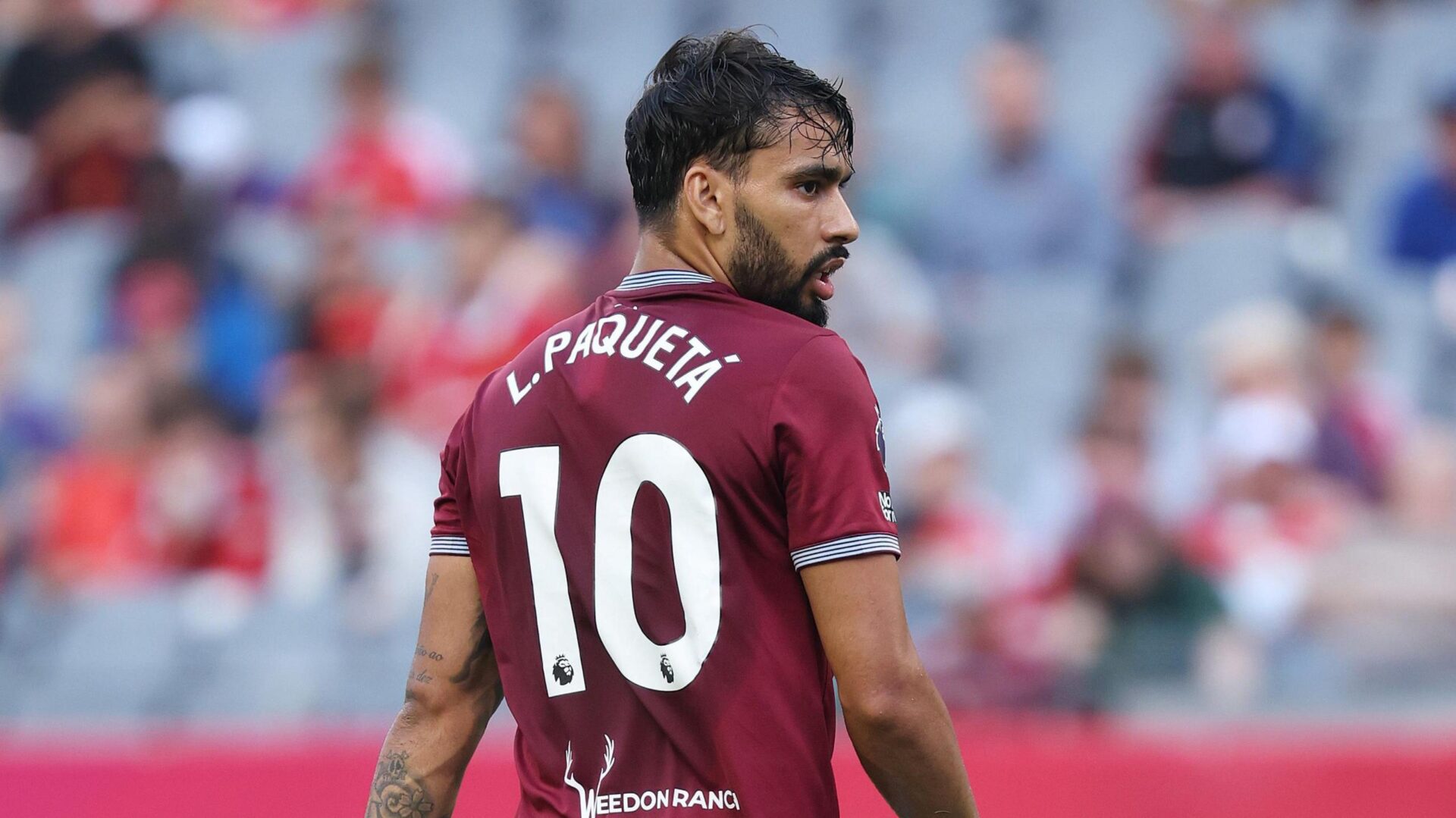
West Ham changed the structure of the team, changed the football identity, and changed the dynamics of the squad — but without actually improving the positions that needed strengthening most. January is supposed to be about solving weaknesses, not collecting recognisable names.
That is why the results never truly improved.
The squad became weaker despite spending heavily.
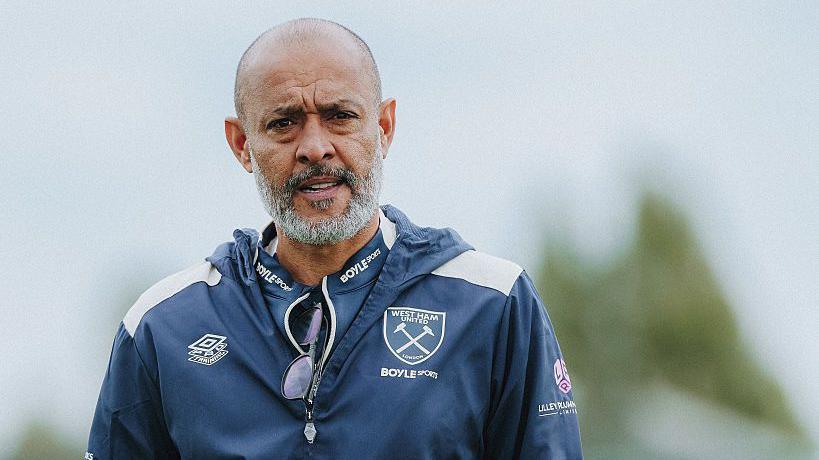
This is not simply a failed season. This is a case study in how poor recruitment, confused leadership, and tactical mismanagement can drag a club into collapse. The board failed. Recruitment failed. Santo failed.
And now West Ham are staring directly into the abyss called relegation.
What makes it even more frustrating is that players like Crysencio Summerville should have become central creative weapons alongside Jarrod Bowen. Instead of allowing aggressive attacking football and risky progressive runs, Santo’s tactical structure buried creative players deeper and placed offensive responsibility on inexperienced forwards like Castellanos and Pablo.
That imbalance killed the team.
West Ham did not fall because they lacked money; their strategy failed in every aspect.
But they changed the team and play style and the way they attack.
About the Author