Hear Me Out, Folks: Don’t Be Surprised If Brighton & Hove Albion Finish in the Top Five Next Season
 Srećko Šijaković
Brighton & Hove Albion have developed and sold a remarkable number of talented footballers over the years. The club has built its reputation on identifying players with potential, improving them, and eventually selling them for substantial profits. Many of these players have gone on to enjoy successful careers elsewhere, although few have established themselves among the absolute elite of world football.
Last season, Brighton once again underwent significant changes. The squad became even younger, while several notable departures further reduced the team’s experience. Players such as Julio Enciso, João Pedro, Evan Ferguson, and Pervis Estupiñán moved on, forcing the club to continue rebuilding while maintaining its competitive standards.
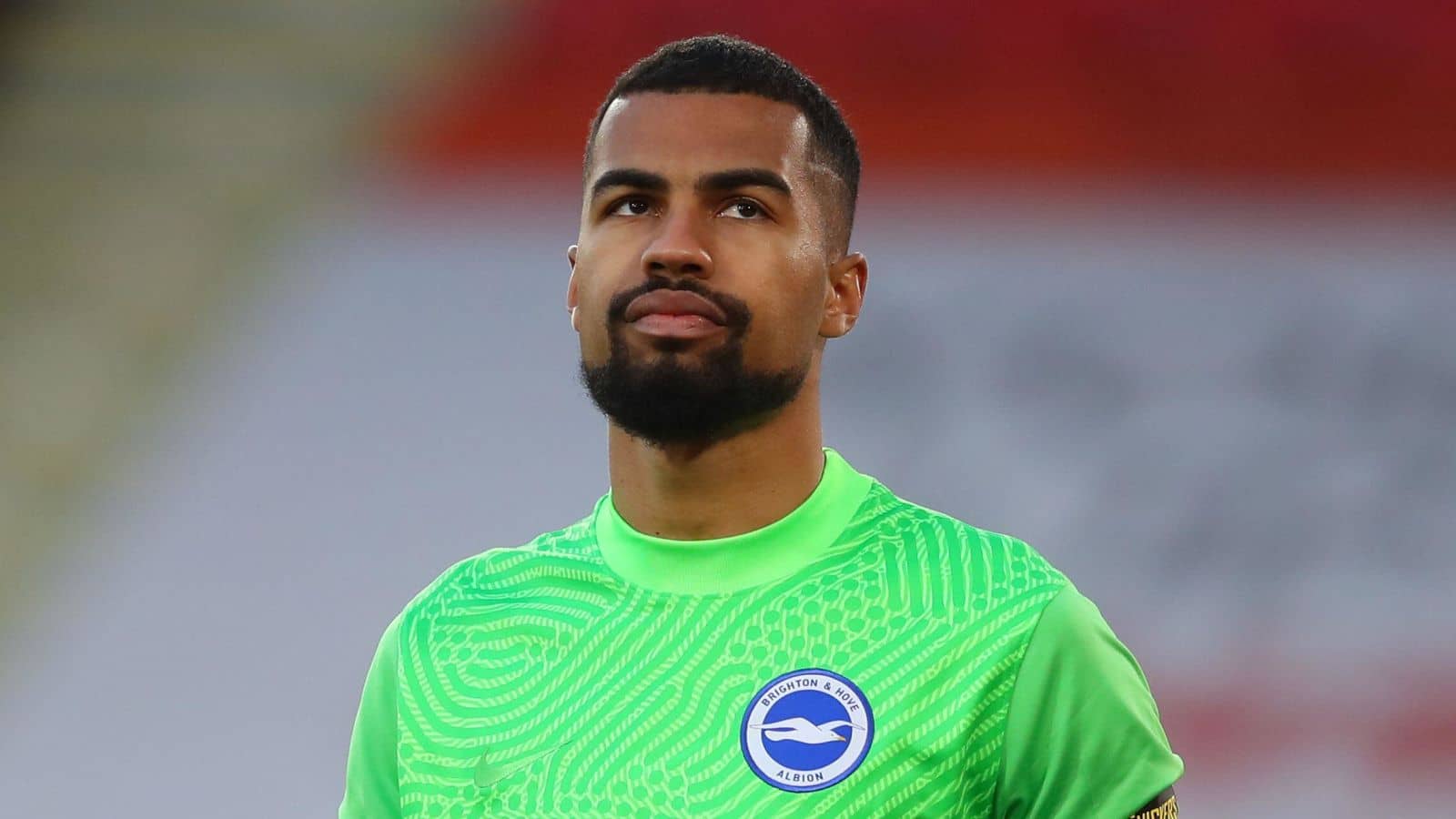
Some former Brighton players, including Marc Cucurella and Robert Sánchez, are now in their prime years, yet their careers also highlight Brighton’s model. The club consistently develops good players, often excellent players, but rarely relies on global superstars. Instead, it focuses on building a strong collective identity.
Brighton does not possess the global fanbase, trophy-laden history, or financial power of England’s traditional giants. Their business model revolves around developing talent, selling players at the right moment, and reinvesting intelligently. As a result, they have become one of the healthiest and best-run clubs in the Premier League.
“Relegation is no longer a realistic concern; Brighton has firmly established itself as a top-flight institution.”
Last season’s squad is particularly youthful. Brighton do not buy established superstars because their economic reality requires a different approach. They recruit promising talents, develop them, and often turn them into valuable assets. The club may lack a famous academy or a history filled with major trophies, but it is exceptionally well-managed.
That is precisely why next season could be so interesting.

Having laid the foundations with a young and talented squad, Brighton may be approaching a level the club has never previously reached. A top-five finish is no longer an impossible dream. It would be surprising to many observers, but it is far from irrational. It will happen.
Young teams often require time to build confidence and consistency, meaning Brighton may not start the season at full speed because of confidence; the strike will turn them on, and they will realise their capacity. However, their long-term potential appears greater than many people realise.

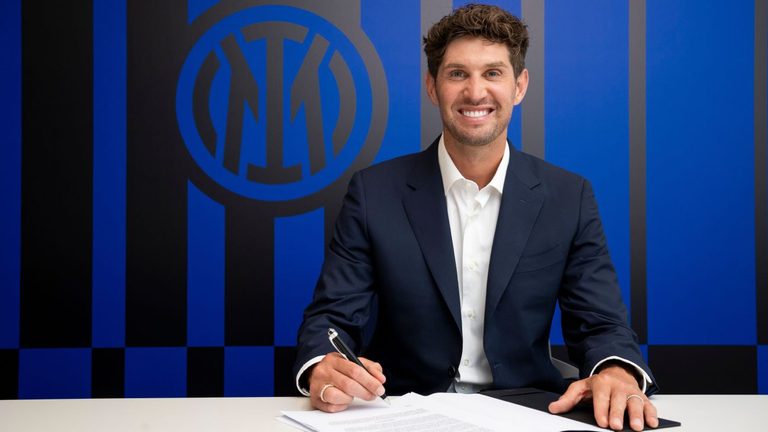
Brighton remain a club traditionally associated with the middle of the table, but they are also a club with a clear vision, outstanding leadership, and an excellent manager in Fabian Hürzeler, who recently committed his future to the project.
If Brighton add three, four or five quality players in key positions, they could achieve something that once seemed unimaginable.
They may not challenge for the title, but a place among the Premier League’s top five teams is a realistic target. For a club built on patience, intelligence, and sustainable growth, that would represent the fulfilment of the ambitions that inspired its modern rise.
About the Author