
The narrowing of refereeing criteria and the tolerance of fouls, as well as allowing play in the edge that would once have resulted in clear red cards—for months, even years—have pushed the English Premier League to the top of the list of the most dangerous leagues in the world.
Last season, so-called starch-offs were regular, resulting in a horrific injury as stars were trying to get to breathe at the pitches after the incident that happened during the PL fixtures. Those were the incidents in which oxygen was needed, and players ended up in the hospital care with a severe concussion diagnosis.
We are talking about constant brutal fouls and open, reckless tackles and hitting on opponents’ ankles, deliberately used to stop attacking moves. We are talking about challenges made with a clear intent to injure, not merely to win the ball.
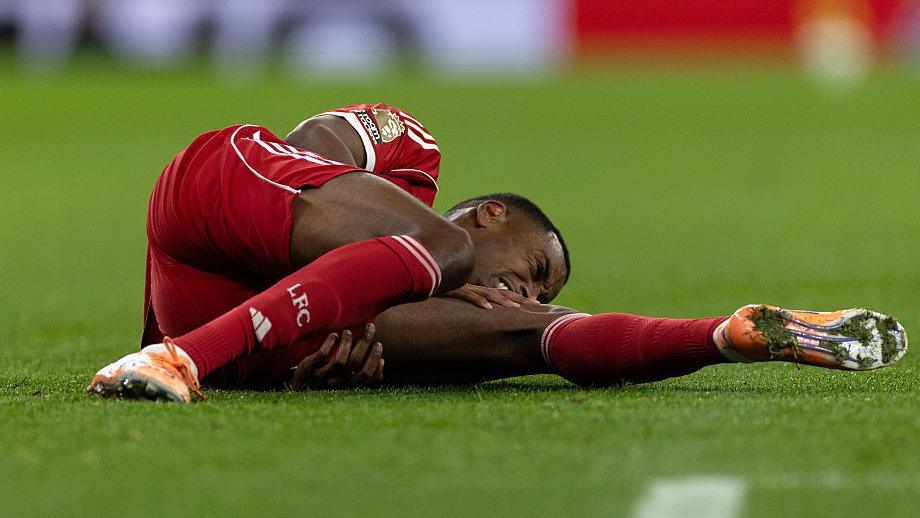
We are witnessing serious injuries, dangerous and potentially career-threatening tackles, and even life can be in danger, that often go unpunished, sometimes not even recorded as simple fouls.
What was once an automatic straight red card in the Premier League is now frequently ignored, and matches simply continue as if nothing happened.
It has become normal that a player who is technically superior, explosive, and constantly beats his marker is not rewarded with goals or assists, but instead is repeatedly fouled and hardly harmed by defenders who escape with a yellow card or no sanction at all.
If the Premier League is to remain a sporting, fair, and correct competition, every intentional foul, with the intention to harm opponents, must be punished with a direct red card.
Attacking players must be protected from repeated attempts to stop them through violence by limited defenders.
Allowing this kind of trench warfare, where teams rely on fouling and obstruction, has turned many matches into dangerous battles, full of reckless tackles and a real risk of serious fractures. Open tackles on ankles have become a daily occurrence in the Premier League, exposing players to extreme and unnecessary pain.
Last season’s “injury outbreaks, so-called stretch-offs” widely reported by the media, involving players such as Rodrigo Bentancur, Armando Broja, and others, have pushed the Premier League into a critical health-risk zone.
It is no longer safe to play a match where a severe concussion or broken limb is a realistic outcome at the end.
Alexander Isak was awaited for months by Liverpool supporters. Arne Slot carefully prepared him for the biggest matches of the season.
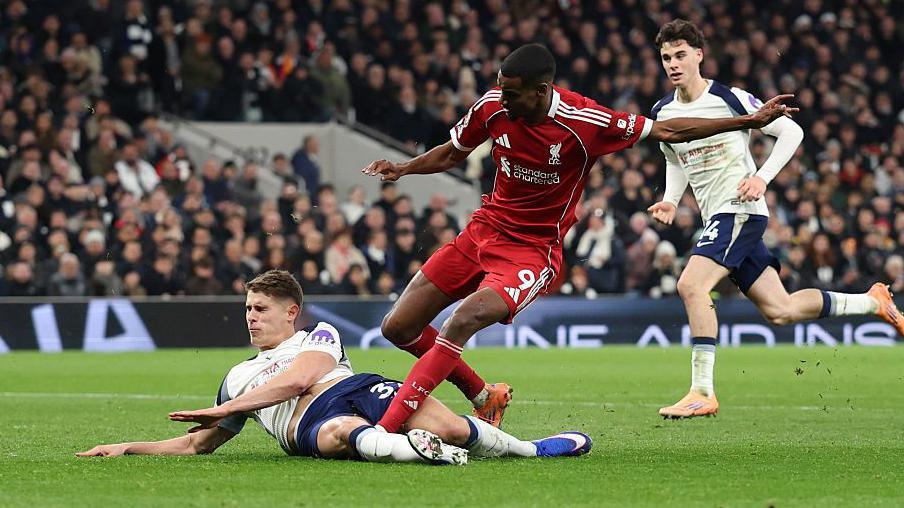
He finally scored—only for Micky van de Ven to break his leg while attempting to stop him. The footage clearly shows the moment Isak’s foot is fractured, forcing the Swedish striker to leave the stadium, with a recovery that will last a very long time.
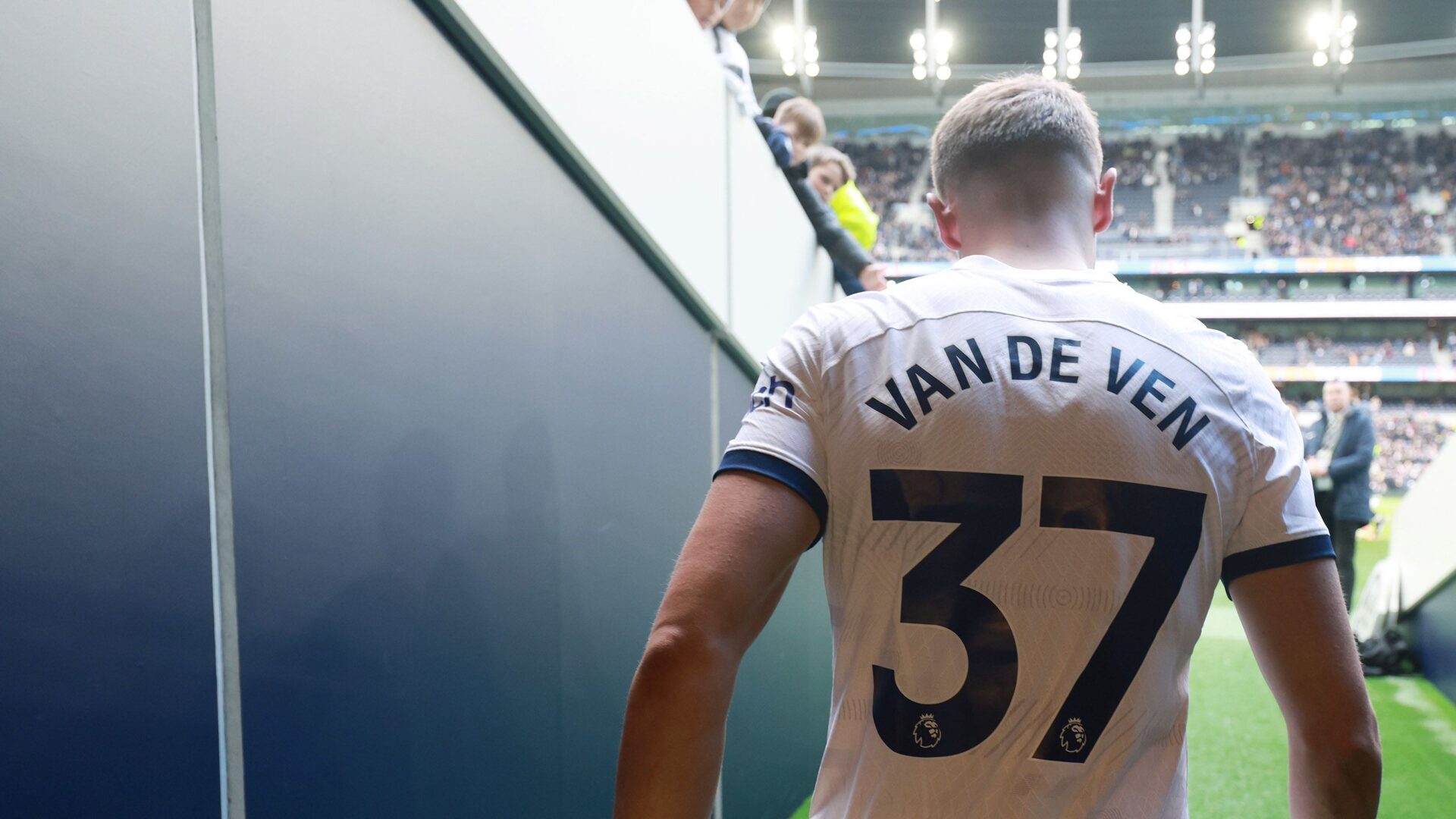
Van de Ven was not sanctioned by the FA after this incident. Even more shameful was the official statement of the English FA, which ruled that breaking an opponent’s leg did not warrant punishment, allowing Van de Ven to play in the next match.
The FA focused on the claim that Van de Ven “played the ball” and had no intention of injuring his opponent.
However, the footage shows Van de Ven sliding in with both legs, trapping Isak’s left foot and fracturing the bone. The leg was pinned—this is what caused the break.
The FA must protect players, especially attackers. It must distinguish between those who create and attack and those who destroy and injure.
A yellow card used to be a yellow card—but the FA’s current trend is to allow this kind of football, which is why it has become routine. Today, we have as a result of these rules a PL player whose leg was broken during a Premier League match.
Sliding in with both legs to stop a clear goal-scoring opportunity is barbaric. Isak’s excellent performance and hard work in recent weeks were brutally ended because Van de Ven could not stop him fairly—he was faster and better.
Everything Arne Slot has done with Isaak is gone in this moment. Adjusting and improving him for the upcoming Champions League matches for Liverpool is now broken. Why? Because it is the way of FA.
To make matters worse, Isak and Van de Ven faced each other last season when Isak played for Newcastle United. On that occasion, Isak completely dominated the Dutch defender and scored a spectacular goal. Van de Ven did not forget that encounter, and the outcome this time—tragically—was a broken leg.
Van de Ven will go unpunished, and it is evident that the FA has learned nothing. We can only hope that open tackles in English football do not continue to result in open fractures.
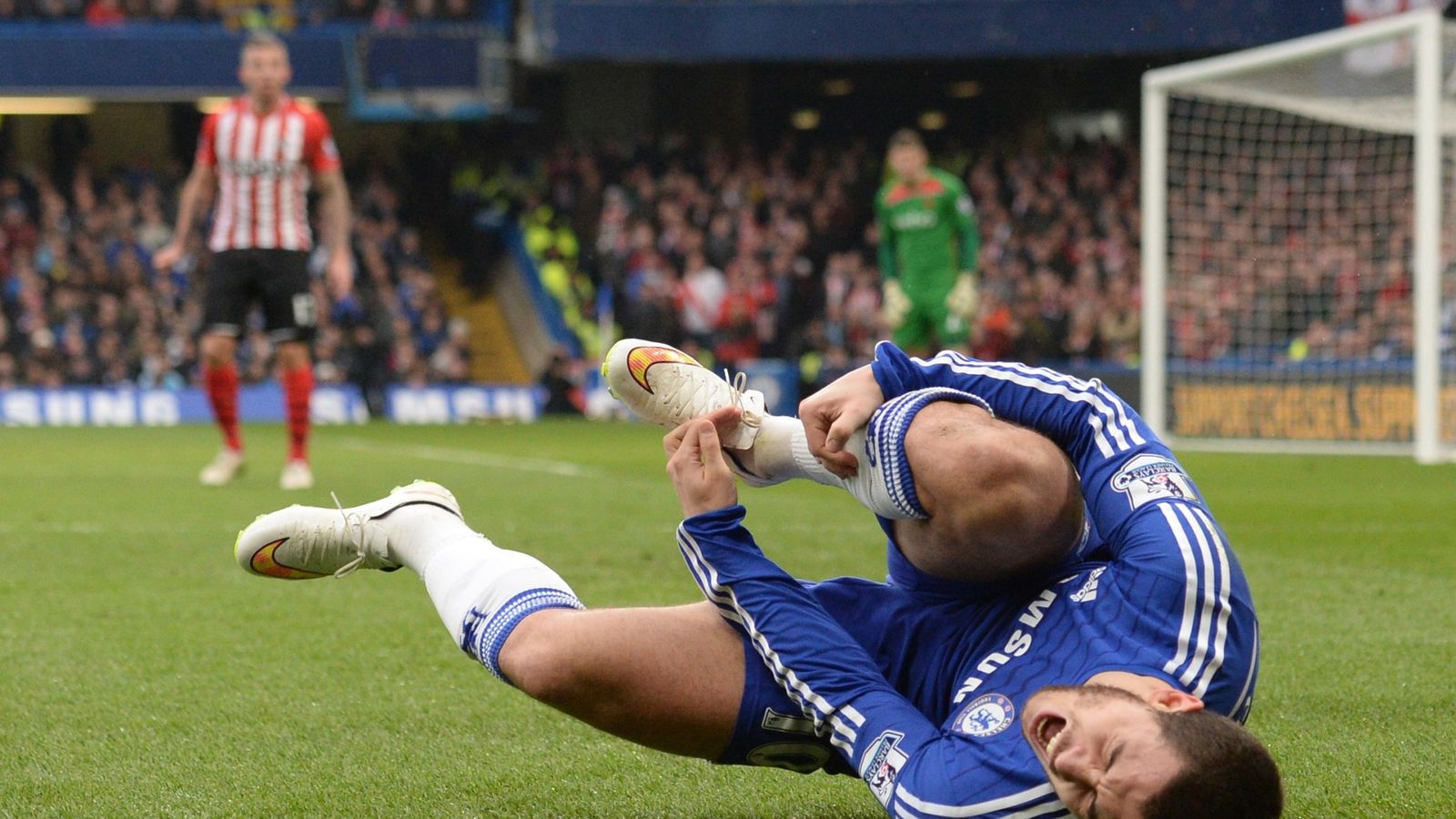
Creativity must be valued more than destruction. Yet the FA’s refereeing criteria have created a league defined by physical warfare and barbaric tackles on opponents’ ankles.
The criteria must change and return to proper standards. The FA will not alter its stance—even now, when Isak has suffered a broken leg during a match. We have already seen too many situations last season where players ended up in hospital in severe pain.
The FA body responsible for refereeing in the Premier League, through its rules and interpretations, has created a situation in which Van de Ven legally broke Isak’s leg during a league match.
Let us clarify this. What is a foul in football?
A foul in football is an infringement of the Laws of the Game and is awarded when a player violates those rules. A foul represents an obstruction of play and the stopping of an opponent through illegal or forceful methods, used when a player is unable to stop the opponent in accordance with the rules. The key element here is force; they make the breaking of the rules of football with obstruction. They are breaking the rules while using the force to stop their opponents in a forbidden way.
So, this is serious—deadly serious when we talk about it. The FA has this completely wrong, and the manuals and guidelines they provide to referees are highly problematic.
About the Author