“Thank You, Mr Glasner” — The Manager Who Turned Crystal Palace Into Winners.
 Srećko Šijaković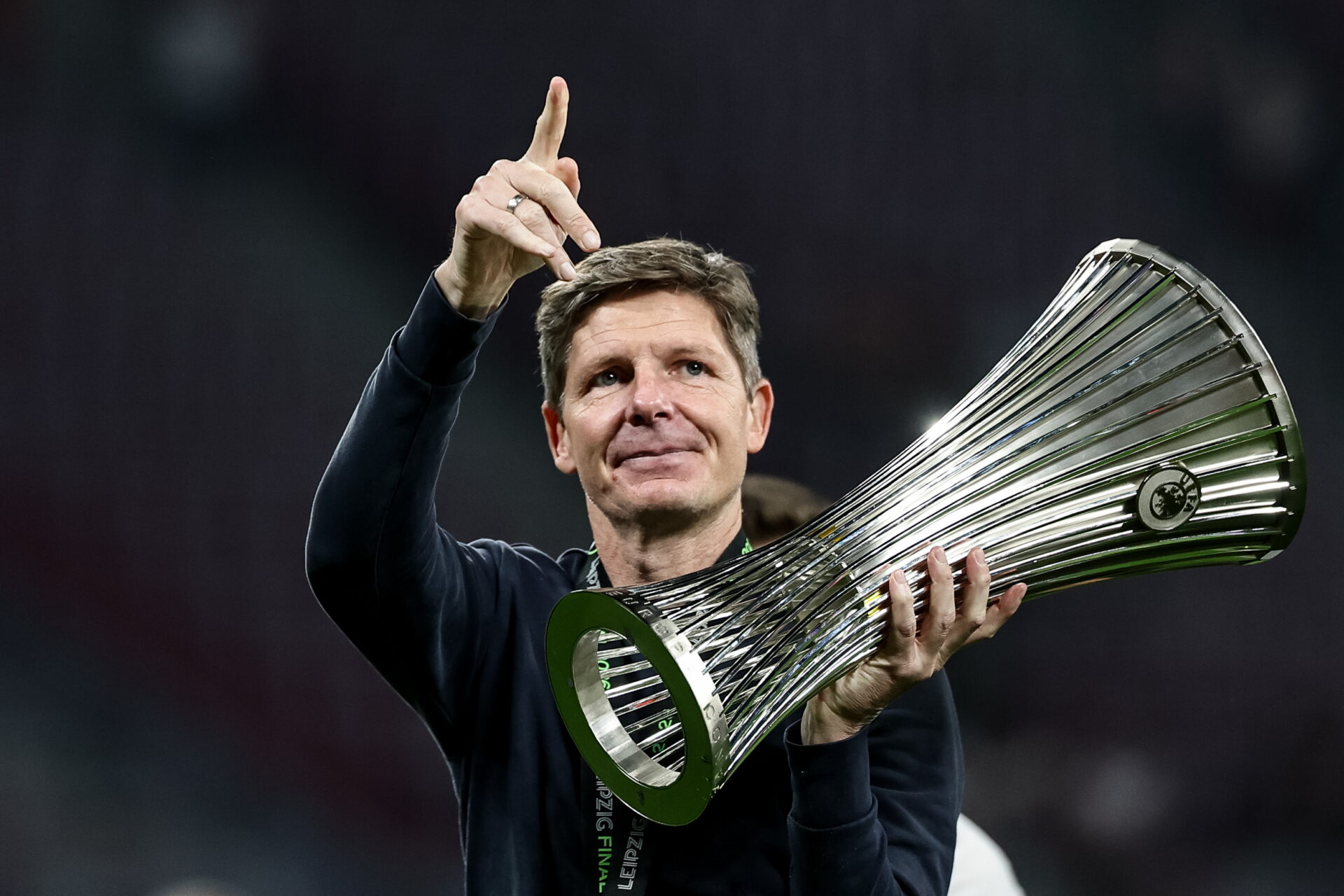
“Thank You, Mr Glasner”
Crystal Palace became a club that regularly wins major trophies under Oliver Glasner. After lifting the FA Cup and the Community Shield against Liverpool in August, Palace added the UEFA Conference League title after beating Rayo Vallecano in the final. It was the third trophy in the club’s history and another unforgettable moment under the Austrian coach.
Since arriving at Selhurst Park, Glasner transformed the London side into winners. Three major trophies arrived in just two seasons. However, when the manager wanted the club to move toward competing consistently on the European stage, the ownership and club hierarchy did not share the same vision. Instead of strengthening the squad and keeping key players, the focus remained on selling the team’s biggest stars.
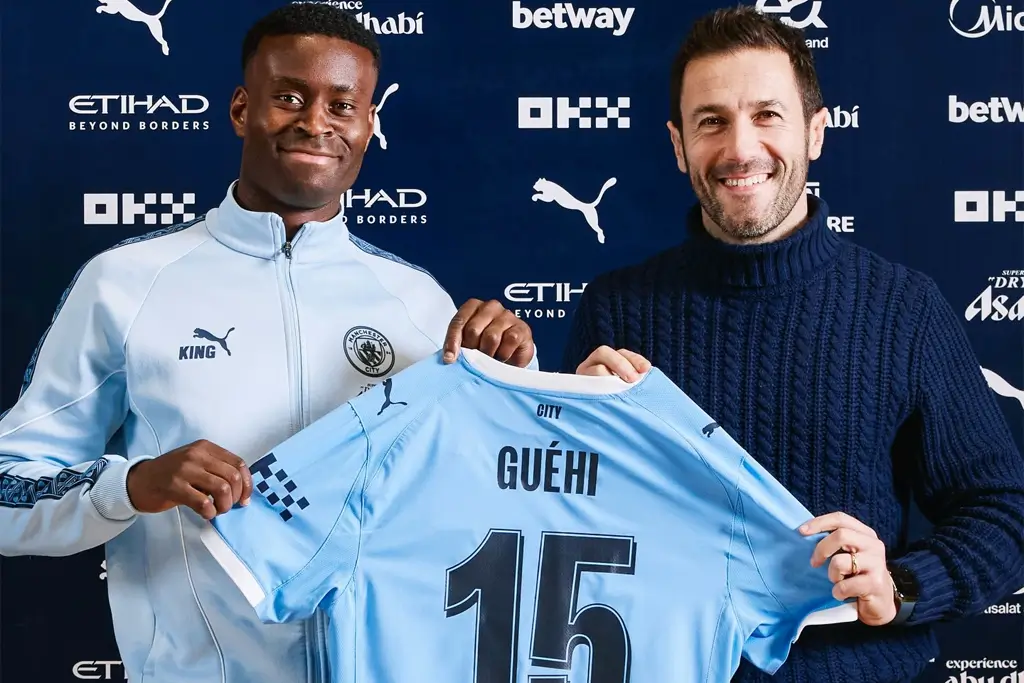
Glasner came close to leaving the club last August when Palace nearly sold Marc Guéhi to Liverpool. The Austrian manager was reportedly close to resigning before the transfer collapsed late in the window and Palace rejected Liverpool’s offer. That decision temporarily kept Glasner at the club, but it was already clear there was growing tension between the manager and the board.
Glasner believed success could only continue if Palace kept their core players together. The disagreement with the club became even stronger in January when Guéhi was eventually sold to Manchester City. After a match shortly afterwards, Glasner publicly criticised the hierarchy, saying the players and coaching staff had been “left stranded” by the decision to sell the captain before such an important period of the season and a Premier League clash with Manchester City.
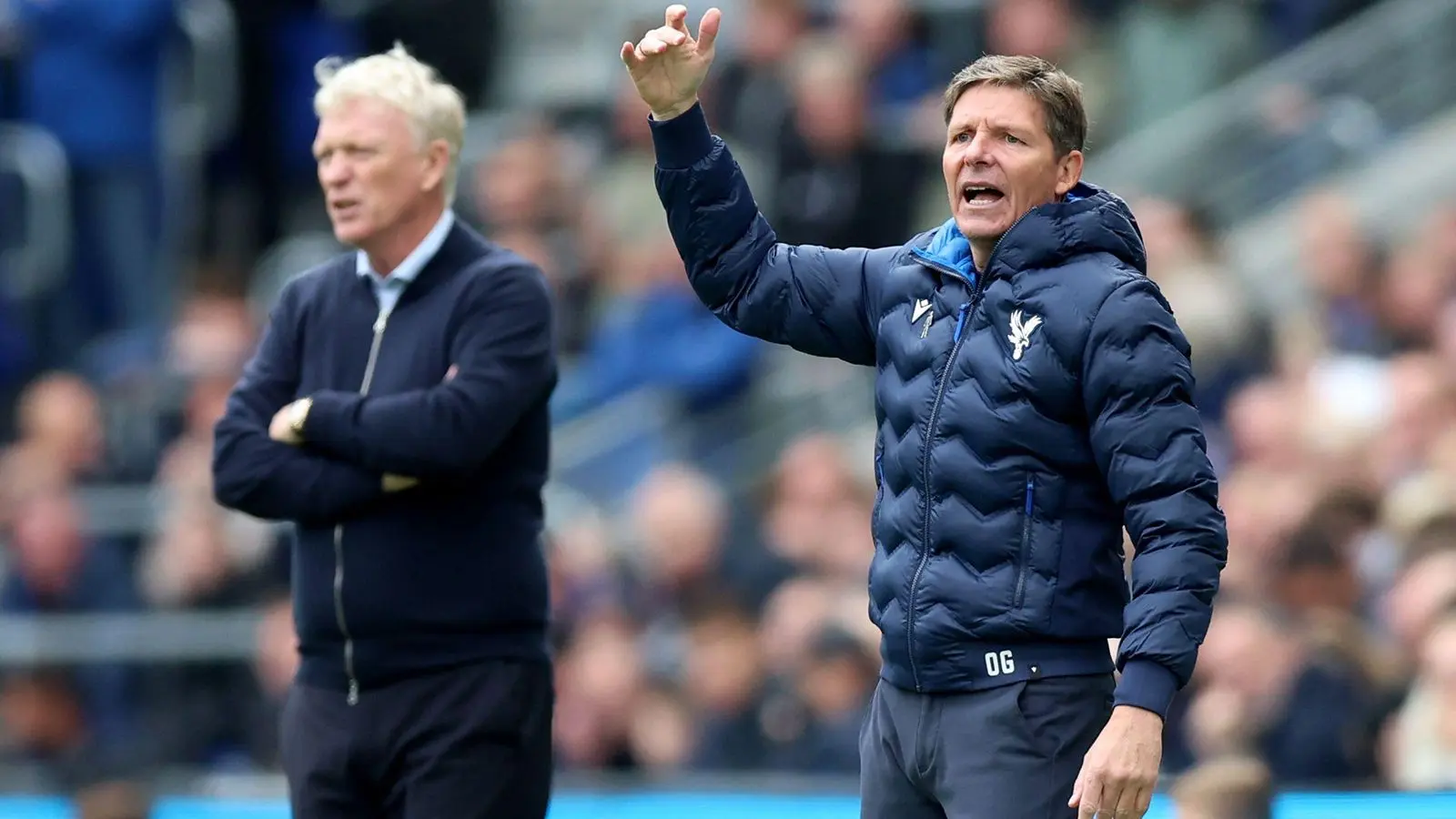
Despite those comments, Glasner remained manager because everybody around the club never wanted to replace him; they understood one thing: nobody had done more for Crystal Palace than him.
The board had the opportunity to build a long-term project around a manager capable of delivering trophies and stability, but disagreements continued to grow. Eventually, Glasner announced he would leave at the end of the season.
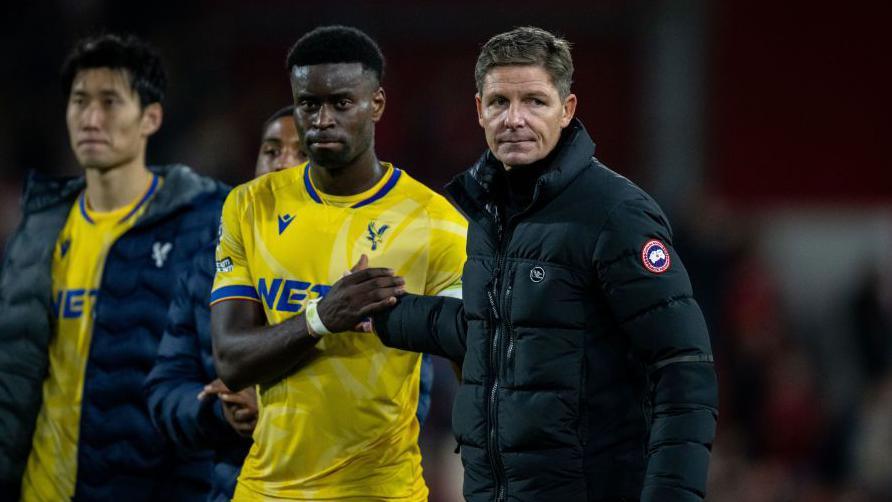
His final months only strengthened his legacy. Palace struggled badly during the winter period, but Glasner slowly rebuilt confidence inside a team that initially struggled to score goals consistently. Step by step, he guided them back toward success, leading the club to another European final before winning a third trophy only days ago.
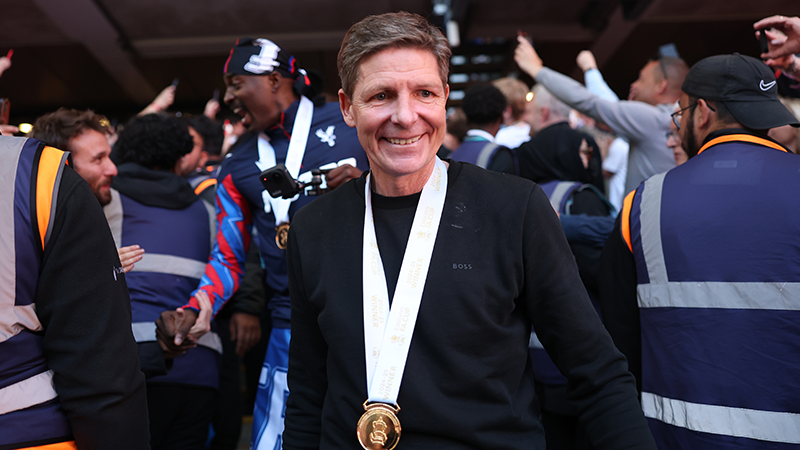
Oliver Glasner leaves Crystal Palace having won three trophies from three finals. More importantly, he leaves behind a club with a winning mentality and a clear football identity. Palace were no longer simply surviving in the Premier League — they became organised, brave, competitive, and capable of defeating elite opposition on the biggest stages.
The next Crystal Palace manager will inherit a difficult job because supporters will inevitably compare him to Glasner. Yet that comparison may also be unfair. The next coach will not be Glasner and should not attempt to copy him completely. He must bring his own football ideas, methods, and personality to succeed.
It is similar to the situation at Manchester United after Alex Ferguson. Some managers become so important that replacing them becomes almost impossible. Glasner now belongs in that category for Crystal Palace. His success and personality created standards that future managers will always be measured against.

The club’s supporters, owners, and everyone connected with Palace must understand that endlessly comparing future coaches with Glasner will help nobody. A new era requires new ideas, new methods, and a different football vision. The next manager cannot begin his reign under impossible expectations.
What Glasner leaves behind is enormous. He stabilised Crystal Palace, created a winning culture, delivered European success, and gave supporters memories they will never forget.
Thank you, Mr Glasner.
About the Author