
Rúben Amorim and Manchester United have officially parted ways after the Portuguese coach called on the club’s hierarchy during his final press conference. It was something that the United board thought impossible, for the United manager to speak of the club in that manner.
From the very beginning, his tactical ideas were widely debated and criticised. His preference for a three-man defence and frequent rotation of defensive players did not sit well with large sections of the fan base, nor with several players and former managers closely connected to the club. He was not a popular coach and was not considered quite capable by many.
He was there, he was working, improving and was taking the blame on his own side.
Playing style

Amorim’s 3-4-3 system will remain a defining feature of his time at Manchester United. His insistence on this structure, particularly the heavy involvement of wing-backs, made United a unique side—essentially a Premier League version of the Sporting Lisbon model that brought him success before his move to England.
After replacing interim manager Ruud van Nistelrooy, Amorim led the team through a series of extremely difficult Premier League fixtures, many of which ended in defeat. However, as time passed, United showed visible improvement, and Amorim clearly elevated the overall tactical level of the squad.
Last season, he guided the club to the Europa League final, where Manchester United were narrowly defeated by Tottenham after 90 minutes. In his second season, United and Amorim became synonymous with hard work and tactical structure.
Reasons for sacking
This season is of crucial importance for Manchester United, who are determined to return to the Champions League. With no European football this year, the club requires an experienced manager capable of delivering consistent results. A fifth-place finish in the Premier League could be enough to secure Champions League qualification—an objective United are fully focused on.
In December, Amorim was dealt a major blow when he lost two key attacking players, Amad Diallo and Bryan Mbeumo, to international duty at the Africa Cup of Nations. Both players were essential to United’s attacking output and overall balance.
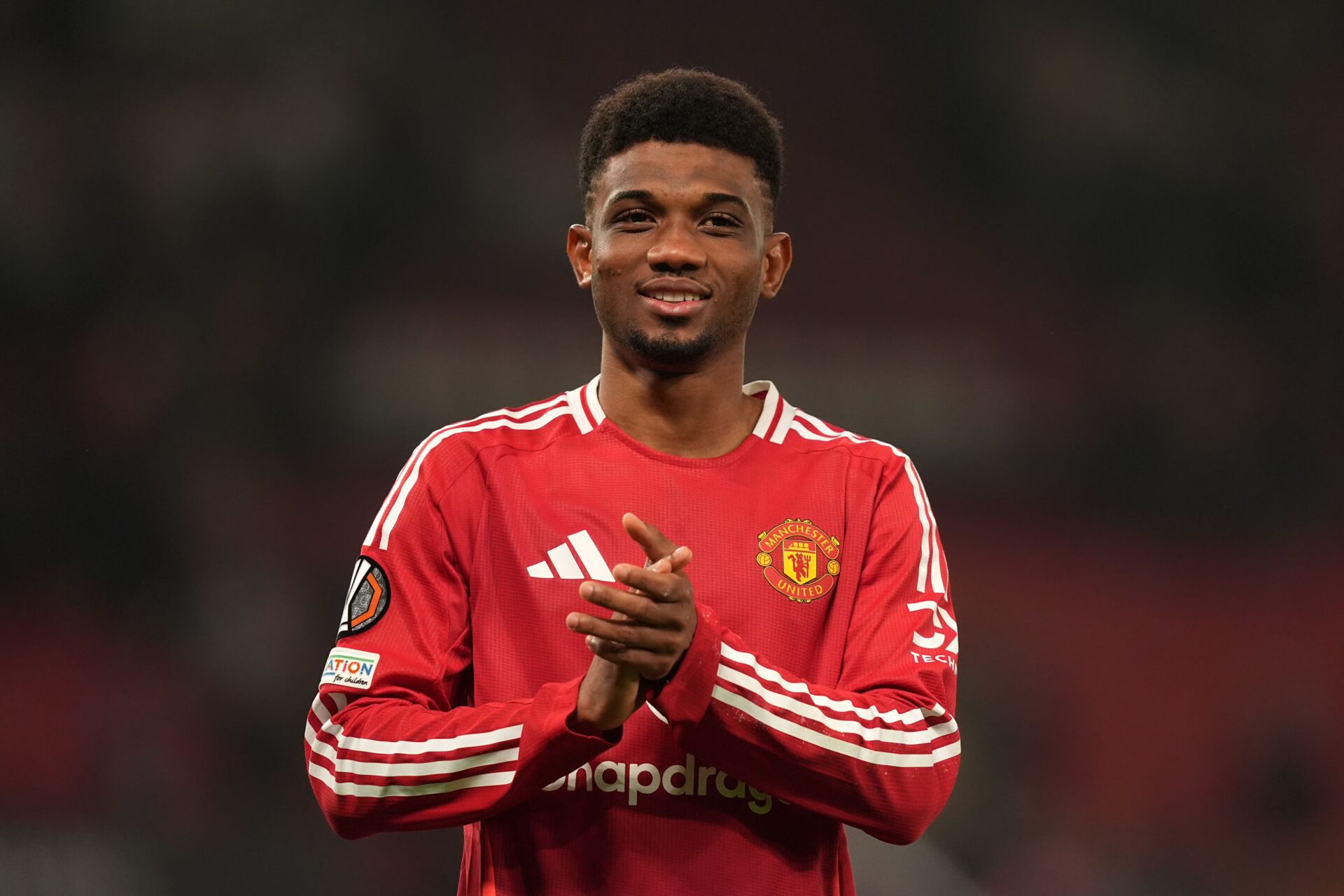
Rúben Amorim led Manchester United with character, a recognisable system, and a clearly defined footballing identity. He remained faithful to his principles and brought his tactical model directly into the Premier League. With a very important defender influence on the game, and their rotations and substitutions at halftime were very unique in the Premier League.
The influence of the game of wing-back was very important. He gave his confidence in Dorgu, who is a United player due to Amorim’s contributions.
He has sold the stars who were not good enough for Manchester United.
“He is also a viable option as a transitional Manchester United manager—one prepared to make decisive cuts by moving on from players such as Onana, Garnacho, Antony, Højlund, Rashford, Sancho, Lindelöf, and others, to reset the squad and rebuild with a clear structure and identity.

Ole Gunnar Solskjær, club legend, would work for free for Manchester United and would do anything possible to secure Champions League football for United.
Manchester United must win consistently; that is why Amroim is the ex. Draws are failures are not acceptable if the club wants to finish in the top four or five. United need victories—something Amorim ultimately failed to deliver often enough. And who understands the club and its internal dynamics better than Solskjær, who is currently without a club after his dismissal from Beşiktaş earlier this season?
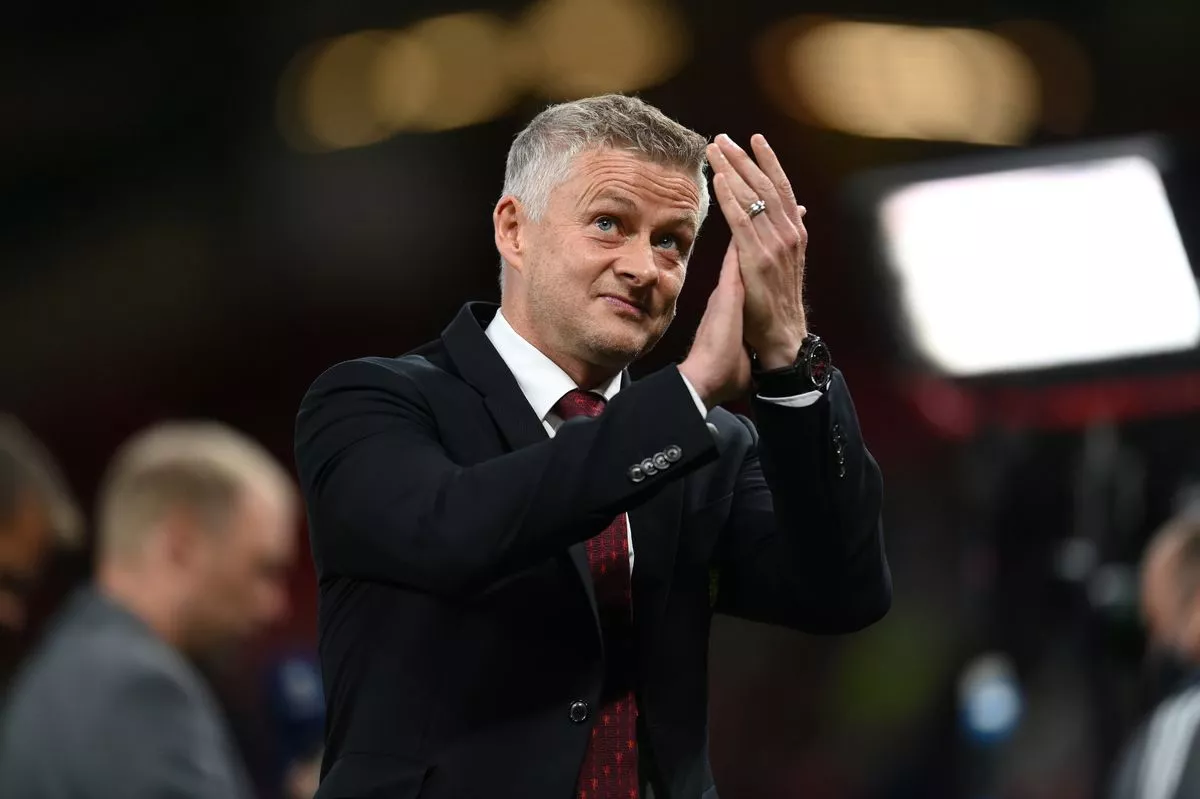
Ole Gunnar Solskjær is the best manager Manchester United can have until the end of the season, and Daren Fletcher can not be a leading team in this season. It is a great importance for United to get points in this tight league. In the league that is so close and tight, Manchester United can gain many important points and victories that they could not have gained with Amorim. The key battles are yet to be played.
About the Author